Hit enter to search or ESC to close
24 November 2025
Oxygen – that invisible yet vital gas – doesn’t just float freely enough for our industrial and medical needs. Large scale manufacture of oxygen, in essence, powers everything from hospitals to factories, aerospace to aquaculture. It’s more than just chemistry; it’s about keeping economies alive, saving lives in crisis zones, and driving forward modern technology. Understanding how oxygen is mass-produced unlocks insights into industrial resilience and humanitarian logistics alike. And frankly, given ongoing global health and environmental challenges, this knowledge isn’t just niche—it’s fundamental.
Mini takeaway: Oxygen production at scale is the lifeblood of multiple industries and a cornerstone of global health preparedness.
Globally, the demand for oxygen has surged — the World Bank reports a sharp rise linked to hospital usage, especially during pandemics, while ISO standards ensure the quality needed in various industries. According to the United Nations, oxygen is among the most critical medical supplies, yet many regions face shortages, highlighting manufacturing and distribution gaps.
Industries like steel manufacturing, chemical processing, and wastewater treatment rely heavily on large scale oxygen supply. Meanwhile, humanitarian organizations grapple with oxygen scarcity during disasters or disease outbreaks. A core issue? Traditional production plants are capital-intensive and often inflexible, leading to localized shortages and supply chain vulnerabilities.
Mini takeaway: Oxygen manufacturing isn’t just about chemistry—it’s a socio-economic indicator revealing where infrastructure and healthcare intersect.
To put it simply, large scale manufacture of oxygen refers to processes that produce oxygen gas in volumes far beyond laboratory or small industrial needs. The typical technique involves liquefying air then separating oxygen from nitrogen via fractional distillation — a method fine-tuned for decades but still evolving.
The produced oxygen, often 93% purity or higher, then feeds critical applications: from ventilators in hospitals to oxy-fuel welding in factories. It’s the backbone of modern life, in a way we rarely consider until that hospital bed or the chemical plant shuts down.
Mini takeaway: Large scale oxygen manufacture is the industrial art and science of turning thin air into a vital resource, at volumes matching global demand.
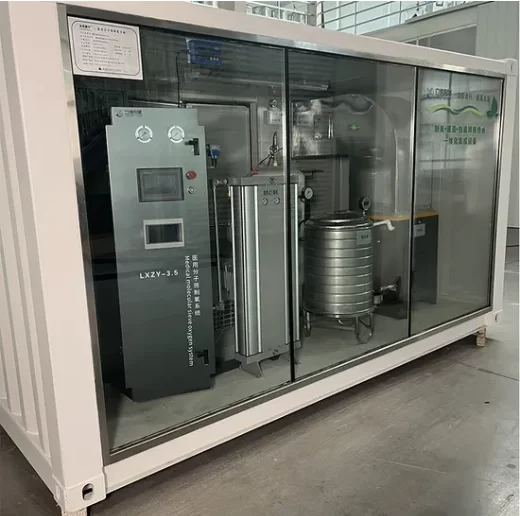
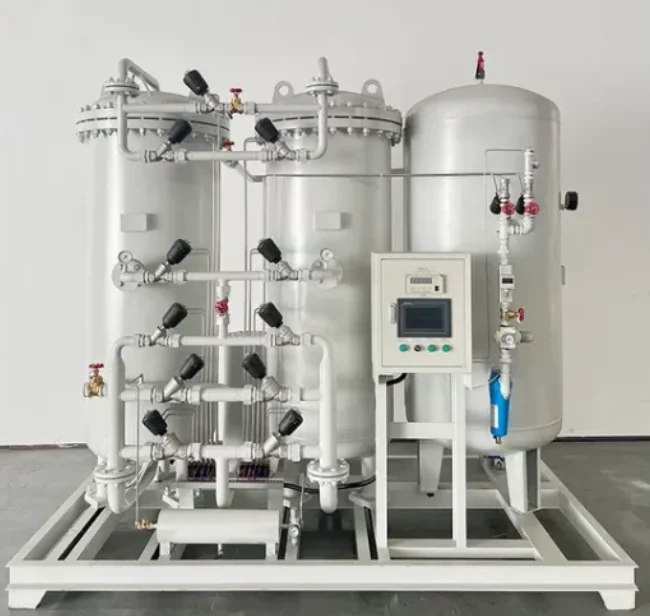
Precision matters — higher purity demands intricate filtration and pressure-swing adsorption (PSA) technologies. Medical oxygen, for example, is held to stricter ISO quality standards compared to industrial grades.
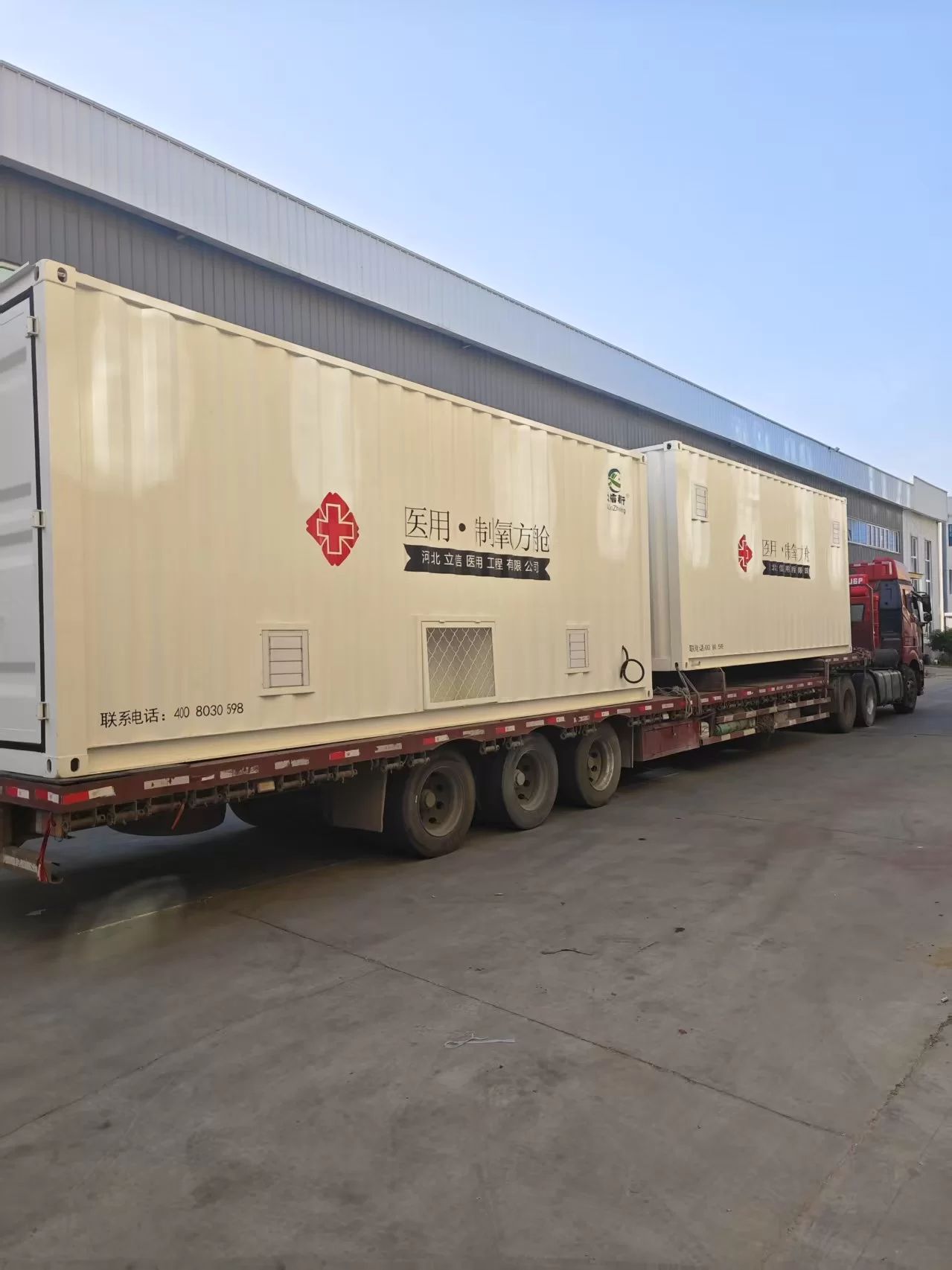
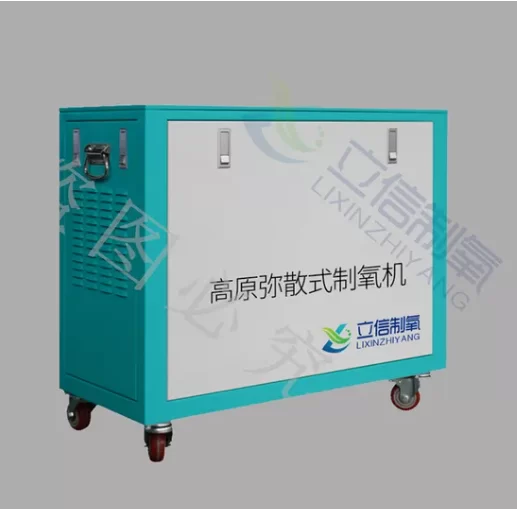
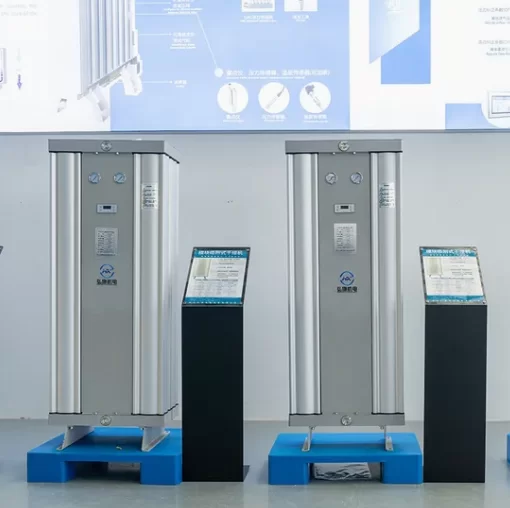
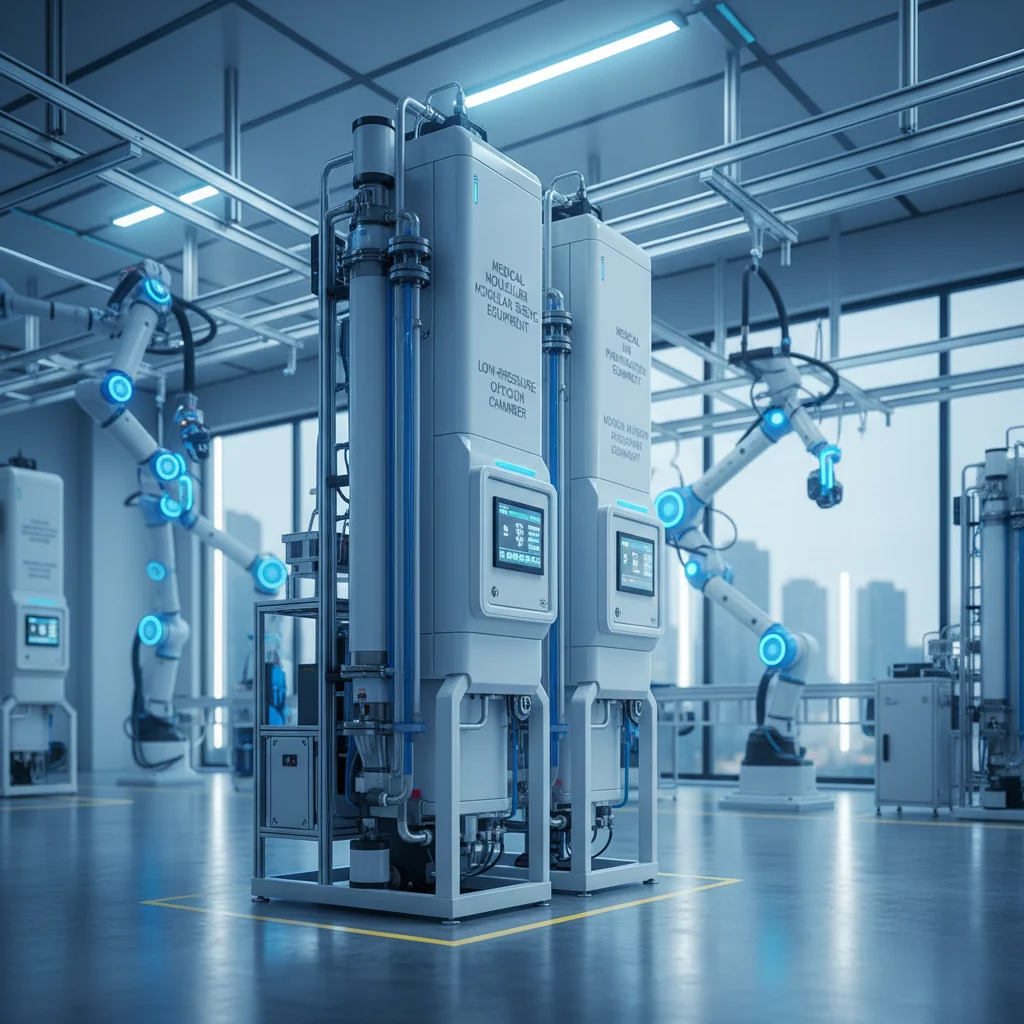
Whether producing a few tons per day or thousands, plants must adapt quickly. Modular units using PSA allow faster ramp-up, crucial in emergency situations.
Oxygen plants are notoriously energy-hungry. Innovations in cryogenic processes and renewable-powered systems are critical to reducing carbon footprints.
Once produced, oxygen needs robust distribution networks — pipelines, cylinders, or liquid tankers. Logistics optimization affects availability dramatically.
Durable equipment that withstands corrosion and contamination is key, especially in harsh industrial environments. Automation reduces human error and operational costs.
Mini takeaway: Producing oxygen at scale is a symphony of technology, quality control, efficiency, and logistics, all harmonizing to meet pressing needs.
Mini takeaway: Oxygen’s utility crosses sectors and continents — underpinning health, industry, and environmental management worldwide.
On one hand, economies of scale reduce the cost per cubic meter, making oxygen more accessible. On another, improved oxygen availability boosts healthcare outcomes and industrial efficiency. The social impact? Greater safety in workplaces and dignity in medical care.
Reliability is not just a buzzword here — continuous oxygen supply maintains trust in critical systems. Innovating oxygen production also aligns with sustainability goals, especially as green energy powers newer plants.
Mini takeaway: Large scale oxygen production isn’t just fiscally smart—it’s socially transformative and fundamentally tied to sustainable development.
Oxygen manufacturing is primed for a green makeover. Electrification of processes combined with solar or wind power is reducing emissions. Digital twins and AI now allow predictive maintenance, minimizing downtime.
PSA units are becoming mobile and rapidly deployable — a boon for emergency responders. Advanced materials promise longer-lasting membranes that separate gases more efficiently.
Mini takeaway: The future of oxygen manufacture is leaner, smarter, and greener — built for resilience in a changing world.
Mini takeaway: Challenges persist, but continuous R&D and smart deployment turn hurdles into milestones.
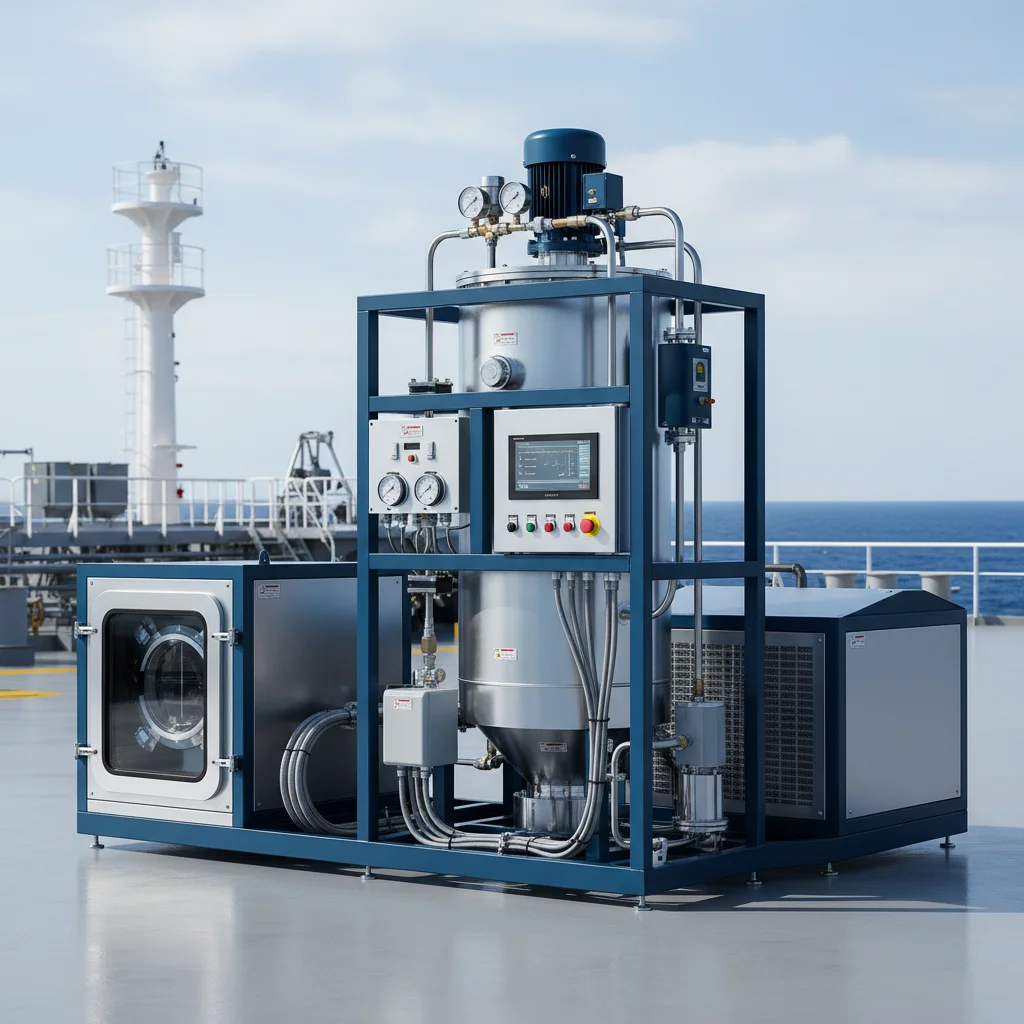
| Specification | Details |
|---|---|
| Production Capacity | 500 - 5000 Nm³/hr |
| Purity Level | 93% - 99.5% |
| Power Consumption | 60 - 150 kW/hr |
| Operating Pressure | 4 - 7 bar |
| Dimensions (L×W×H) | 7m × 2.5m × 3m (approx.) |
| Automation Level | Full PLC control with remote monitoring |
| Vendor | Technology Type | Production Range (Nm³/hr) | Sustainability Features | Notable Clients |
|---|---|---|---|---|
| OxyTech Solutions | Cryogenic Distillation | 1000 - 10,000 | Energy-efficient chillers, renewable energy integration | Major hospitals, steel plants |
| PureAir Systems | PSA Technology | 200 - 5000 | Solar-powered modules, low maintenance design | Disaster relief agencies, remote mines |
| AirFlow Dynamics | Vacuum Pressure Swing Adsorption (VPSA) | 500 - 8000 | Reduced energy consumption, automated controls | Municipal water treatment, hospitals |
Looking ahead, the large scale manufacture of oxygen will remain a linchpin of modern infrastructure—from supporting the breath of life in healthcare to powering industrial innovation. The ongoing drive for greener, smarter, and more agile production methods reflects our collective commitment to sustainability and social welfare.
If you’re involved in planning or managing oxygen supply chains, or just curious, exploring the latest technologies is worthwhile. For deeper insights and solutions on large scale manufacture of oxygen, feel free to visit our site for up-to-date resources and products: large scale manufacture of oxygen.
After all, ensuring enough oxygen for today and tomorrow feels like a good investment in our shared future—doesn't it?