Hit enter to search or ESC to close
4 April 2026
Maintaining a safe environment on chemical tankers is paramount, and inerting with nitrogen plays a critical role in preventing explosions and preserving cargo quality. A nitrogen generator on a chemical tanker provides a reliable and cost-effective solution for on-demand nitrogen production, eliminating the risks and logistical challenges associated with relying on external nitrogen supplies. This article explores the benefits, applications, considerations, and technological advancements in nitrogen generation for the maritime chemical transport industry. From ensuring cargo integrity to safeguarding vessel and crew safety, nitrogen inerting is an essential practice.
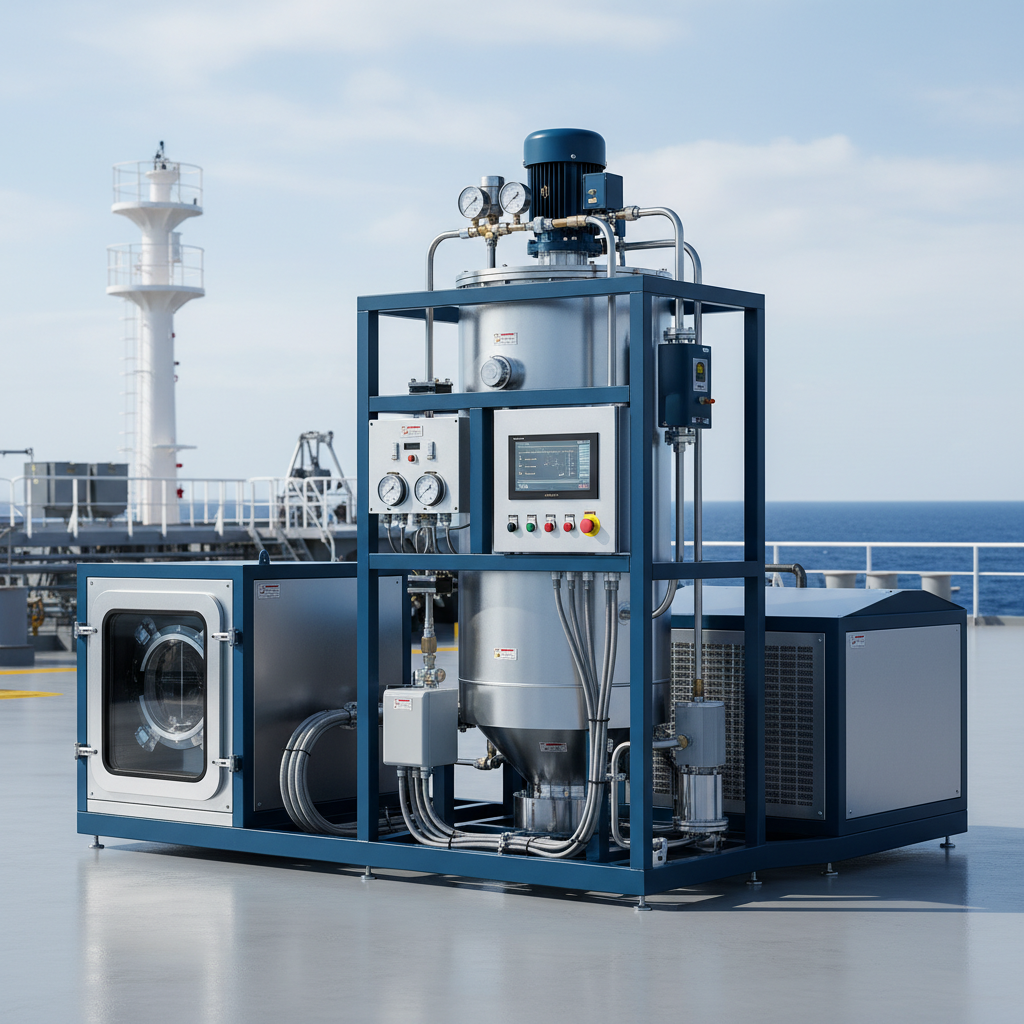
Traditional methods of nitrogen supply often involve sourcing liquid nitrogen or compressed nitrogen gas in cylinders. These methods are subject to logistical issues, supply chain disruptions, and significant costs associated with transportation and handling. An onboard nitrogen generator provides a self-sufficient solution. It utilizes Pressure Swing Adsorption (PSA) technology to separate nitrogen from the air, delivering a continuous and reliable supply of high-purity nitrogen directly on the vessel. This eliminates dependency on external suppliers, reduces operational expenses, and enhances overall safety. The ability to generate nitrogen on demand allows for precise control of the inerting process, optimizing cargo protection and minimizing oxygen levels within the tanks.
Key Benefits: Eliminates dependency on external nitrogen suppliers, reduces operational costs, enhances safety, provides a continuous and reliable nitrogen supply, and enables precise control over inerting.
Nitrogen inerting serves multiple crucial purposes on chemical tankers. Primarily, it prevents the formation of flammable atmospheres within cargo tanks, significantly reducing the risk of explosions. This is achieved by displacing oxygen with nitrogen, lowering the oxygen concentration below the level required for combustion. Secondly, nitrogen protects cargo integrity by preventing oxidation and degradation, particularly for sensitive chemicals. Furthermore, nitrogen blanketing can maintain product quality during storage and transportation. Specific applications include: tank purging, continuous inerting during loading and unloading, and maintaining a nitrogen atmosphere during transit. The onboard nitrogen generator ensures these critical processes are consistently supported.
Nitrogen Inerting Applications:
• Tank Purging
• Continuous Inerting during Loading/Unloading
• Cargo Protection against Oxidation
• Maintaining Product Quality during Transit
Several nitrogen generation technologies are available, but PSA (Pressure Swing Adsorption) is the most common and practical for marine applications. Membrane technology is another option, but typically delivers lower purity nitrogen. Here's a comparison:
Choosing the right nitrogen generator for a chemical tanker requires careful consideration of several factors. These include the vessel’s nitrogen demand (based on tank volume and cargo type), the required nitrogen purity level, space availability for installation, and the generator’s power consumption. Compliance with international maritime regulations (such as SOLAS) is also crucial. Reliability and ease of maintenance are vital to minimize downtime and ensure continuous operation. Consider the manufacturer’s reputation, after-sales support, and availability of spare parts.
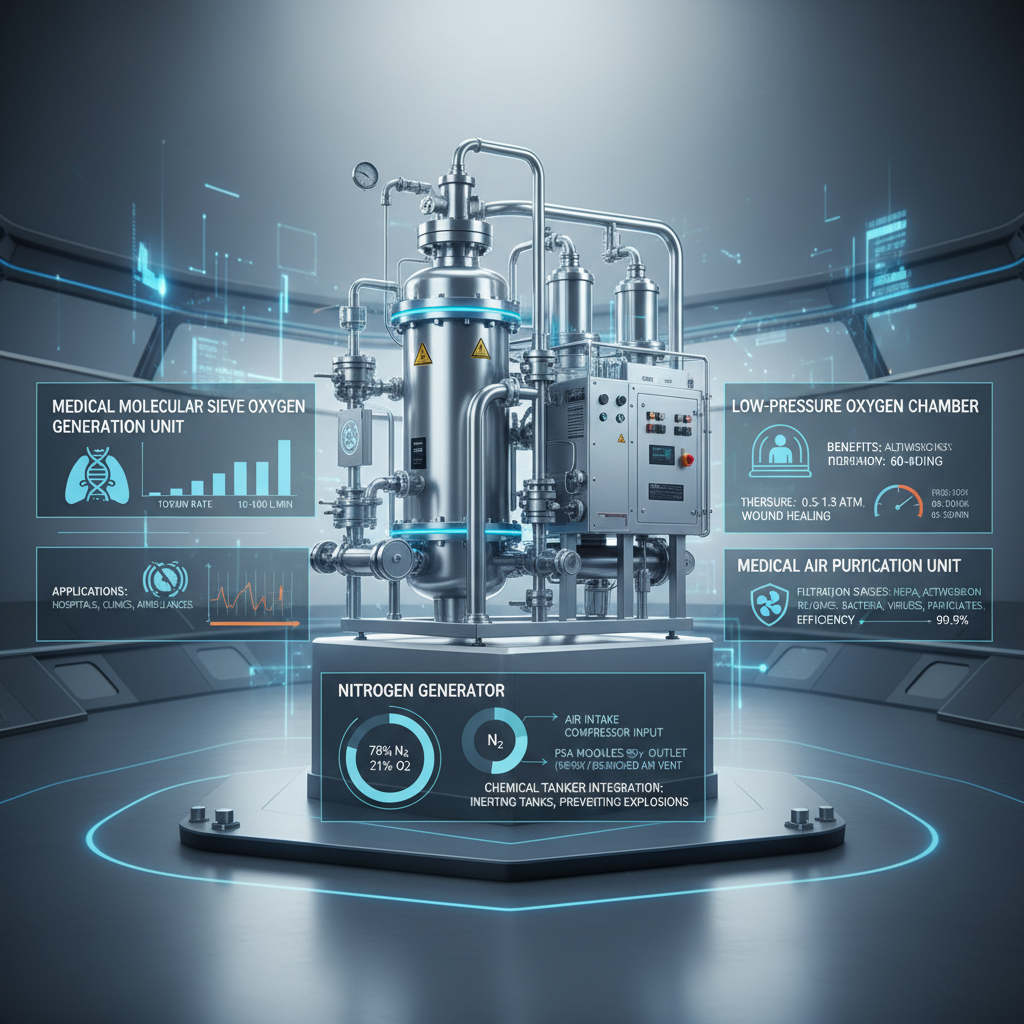
Modern nitrogen generators incorporate advanced features such as remote monitoring, automated controls, and energy-efficient designs. Remote monitoring allows operators to track performance, diagnose issues, and schedule maintenance proactively. Automated controls optimize nitrogen production based on demand, reducing energy consumption and maximizing efficiency. Furthermore, advancements in PSA technology have resulted in more compact and lightweight generators, making them easier to install on vessels with limited space. These innovations contribute to lower operating costs, enhanced safety, and improved reliability.
Investing in a nitrogen generator for a chemical tanker is a strategic decision that enhances safety, reduces costs, and improves operational efficiency. By eliminating reliance on external suppliers and providing a continuous supply of high-purity nitrogen, vessels can mitigate risks associated with flammable atmospheres, protect cargo integrity, and ensure compliance with stringent maritime regulations. Partnering with a reputable supplier like Store Oxygen guarantees a reliable and cost-effective solution tailored to your specific needs.
Regular maintenance is crucial for ensuring optimal performance and longevity. This typically includes checking and replacing air filters, inspecting the PSA adsorbers, and monitoring system pressures. A preventative maintenance schedule should be established based on the manufacturer’s recommendations and operating conditions. Regularly draining the condensate trap is also important. While PSA generators require relatively little maintenance compared to other nitrogen supply methods, professional servicing is recommended annually to ensure all components are functioning correctly.
The payback period varies depending on the vessel’s nitrogen consumption, the cost of liquid nitrogen or compressed gas, and the generator’s purchase price. However, most operators experience a payback period of 2-5 years due to the significant reduction in nitrogen supply costs. The elimination of delivery charges, cylinder rental fees, and the potential for supply disruptions further contribute to the economic benefits.
Modern nitrogen generators are equipped with numerous safety features, including automatic shutdown mechanisms in case of critical failures, pressure relief valves, and oxygen sensors to monitor nitrogen purity. They are designed to operate safely in hazardous environments and comply with relevant safety standards. Redundancy in critical components ensures continued operation even in the event of a single component failure.