Hit enter to search or ESC to close
27 February 2026
Liquid nitrogen (LN2) is a versatile cryogenic fluid with applications spanning diverse industries, from medical research and food preservation to materials science and industrial cooling. Traditionally, accessing LN2 involved sourcing from large-scale production facilities and relying on frequent deliveries. However, mini liquid nitrogen generators are revolutionizing LN2 accessibility, offering on-demand production at the point of use. This article explores the benefits, applications, and considerations for incorporating a mini LN2 generator into your operations. These compact systems provide a cost-effective and convenient alternative to traditional LN2 supply chains, particularly for businesses with moderate and consistent LN2 needs.
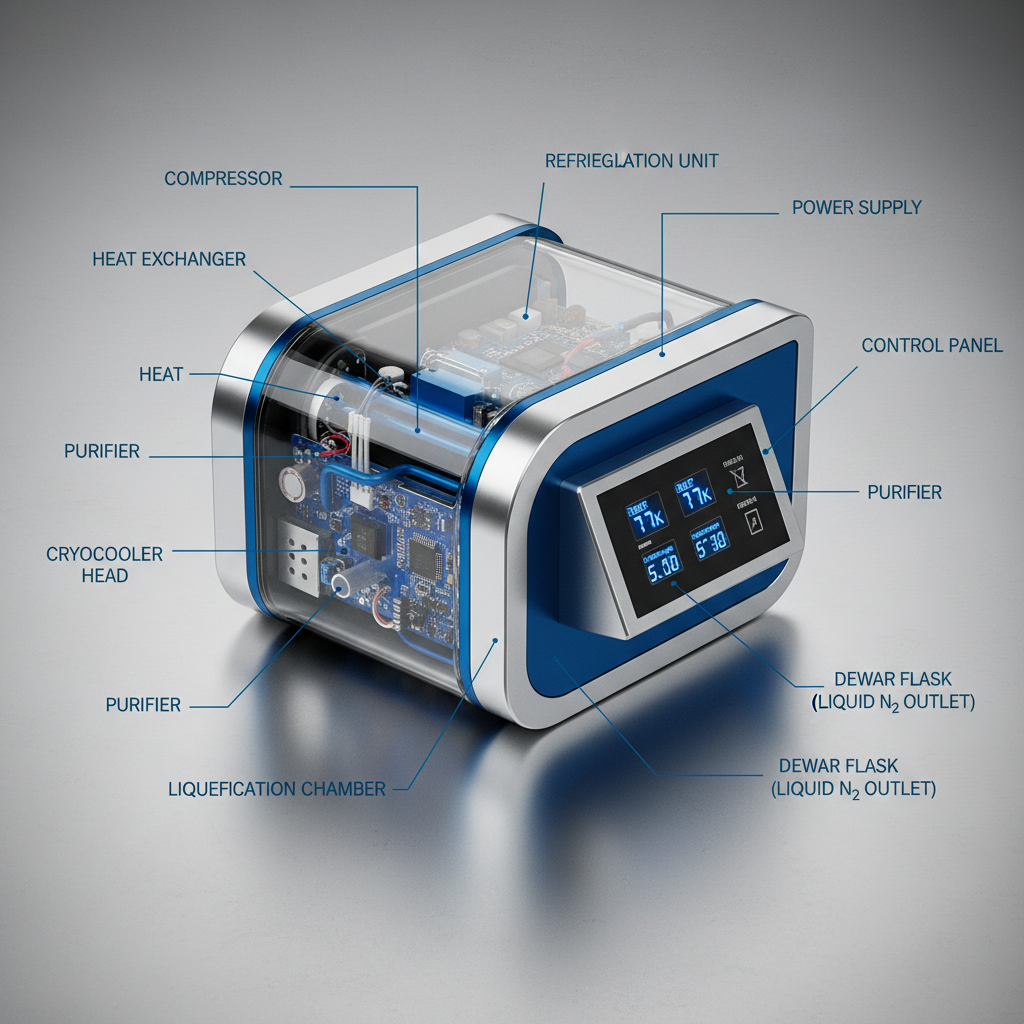
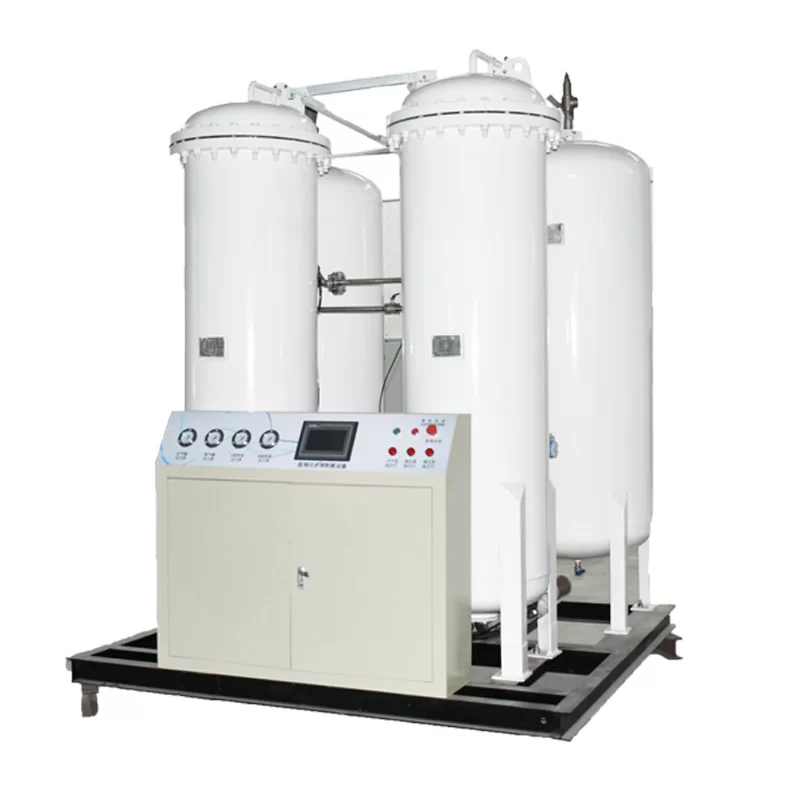
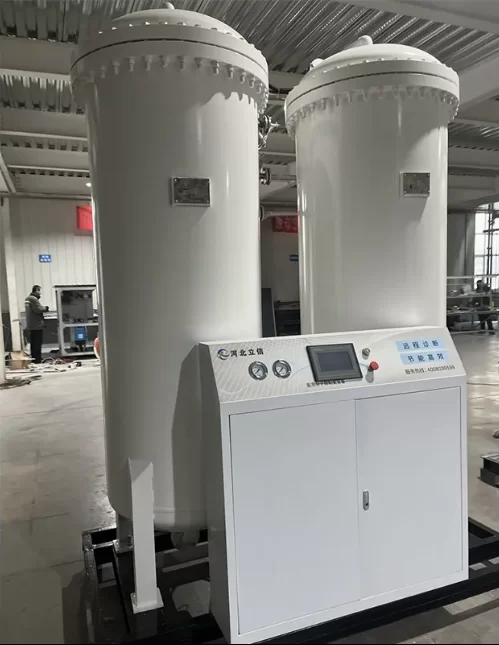
Mini liquid nitrogen generators utilize the principle of fractional distillation of air. Air is compressed, purified, and then cooled to extremely low temperatures. As air cools, its components liquefy at different temperatures. Nitrogen, with the lowest liquefaction point, is separated from other gases like oxygen and argon. The resulting liquid nitrogen is then stored in a Dewar vessel, ready for use. Modern systems are designed for automated operation, requiring minimal operator intervention. These generators generally operate using air separation units (ASUs) scaled down for localized production. This on-site generation eliminates the logistical challenges and costs associated with external supply.
Key Benefits: Reduced LN2 costs, increased supply reliability, minimized transportation risks, and improved environmental sustainability.
The applications for on-site LN2 production are wide-ranging. In the food industry, LN2 is used for flash freezing, preserving quality and extending shelf life. Research laboratories rely on LN2 for sample preservation, cryo-cooling, and various experimental procedures. Medical facilities use it for cryotherapy, tissue storage, and in specialized surgical procedures. Industrial applications include metal hardening, plastics processing, and controlled cooling of machinery. The ability to generate LN2 on demand eliminates the need for large storage tanks and minimizes waste.
Common Applications:
• Food Freezing and Preservation
• Laboratory Sample Storage
• Medical Cryotherapy
• Industrial Cooling and Hardening
Choosing between a mini LN2 generator and relying on traditional suppliers involves evaluating several factors. Traditional supply offers simplicity – you order, and it’s delivered. However, this comes with recurring costs, delivery schedules, potential disruptions, and the environmental impact of transportation. Mini LN2 generators require an initial investment but offer long-term cost savings, supply independence, and reduced environmental footprint. Consider your LN2 consumption volume and operational needs to determine the most suitable solution.
Selecting the appropriate mini liquid nitrogen generator requires careful consideration of your specific requirements. Factors to evaluate include LN2 consumption rate, purity requirements, space constraints, power availability, and budget. Different models offer varying production capacities and features. Consulting with a reputable supplier, such as Store Oxygen, is crucial to ensure you select a system that perfectly aligns with your operational needs. We offer a range of models tailored to diverse applications.
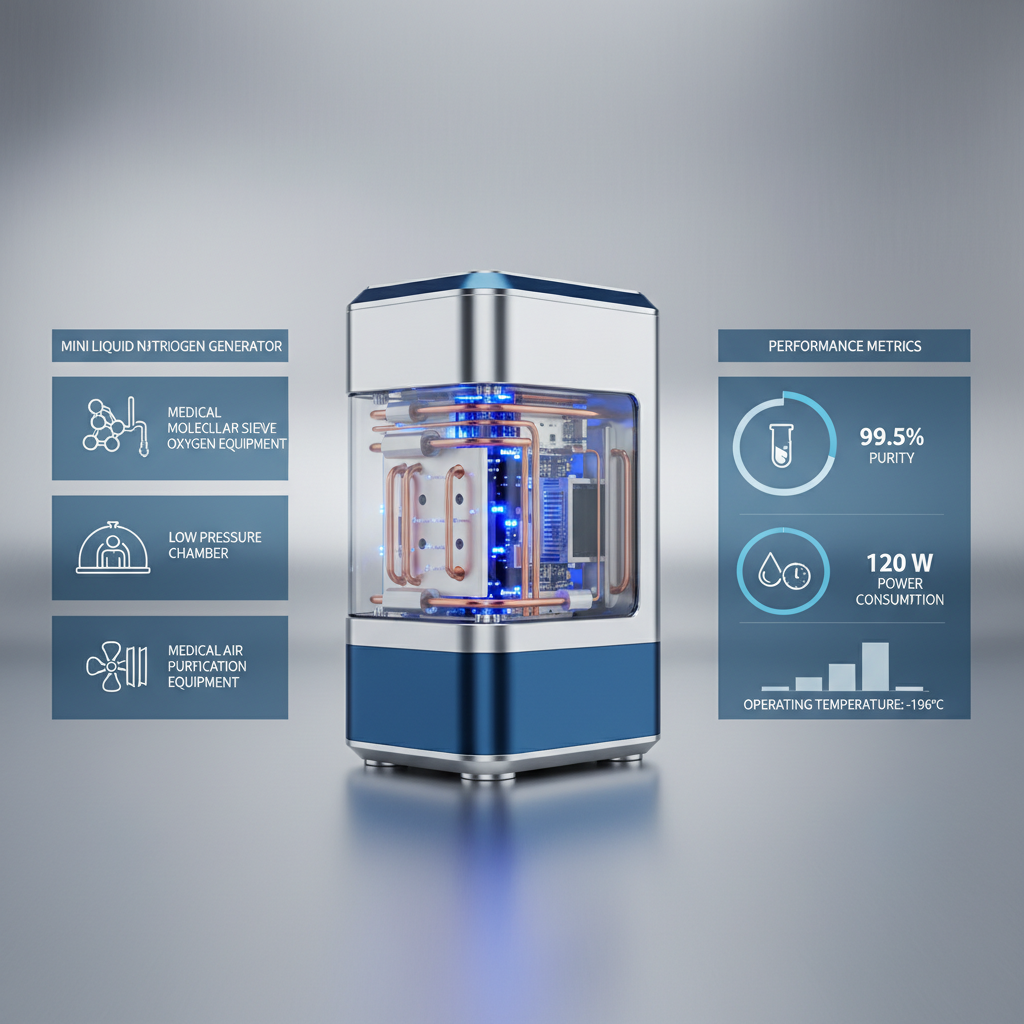
While mini LN2 generators are designed for reliable operation, regular maintenance is essential. This includes air filter replacements, monitoring system performance, and ensuring proper ventilation. Safety precautions are paramount when handling cryogenic fluids. Always wear appropriate personal protective equipment (PPE), including cryogenic gloves and eye protection. Ensure adequate training for personnel operating and maintaining the generator. Adhering to safety guidelines minimizes risks and ensures a safe working environment.
Investing in a mini liquid nitrogen generator can significantly benefit businesses requiring LN2. The benefits of cost savings, supply reliability, and environmental sustainability make it a compelling alternative to traditional supply methods. With careful planning and selection, you can empower your operations with a convenient and efficient LN2 source.
The payback period varies depending on your current LN2 consumption, supply costs, and the specific generator model. However, many businesses experience a payback period of 2-5 years due to reduced LN2 purchase costs and eliminated delivery fees. A detailed cost analysis, considering both initial investment and ongoing operating expenses, is recommended to determine the payback period for your specific situation. Factors like electricity costs and maintenance expenses should also be included in the calculation.
The space requirements depend on the generator's production capacity. Smaller models can fit within a 10ft x 10ft area, while larger systems may require a dedicated room. Adequate ventilation is crucial to dissipate heat generated during operation. Ensure sufficient clearance around the generator for maintenance and access. It's essential to consult the manufacturer's specifications for precise space requirements and ventilation guidelines.
While mini LN2 generators are designed for automated operation, some technical knowledge is required for initial setup, maintenance, and troubleshooting. Basic understanding of compressed air systems and cryogenic fluids is beneficial. Store Oxygen provides comprehensive training and support to ensure your team can operate the generator safely and efficiently. We also offer ongoing maintenance services if needed.
Yes, mini LN2 generators offer several environmental benefits. By producing LN2 on-site, you eliminate the transportation emissions associated with traditional supply chains. Additionally, they can reduce LN2 waste, as you only generate the amount you need. This contributes to a smaller carbon footprint and promotes sustainable practices.