Hit enter to search or ESC to close
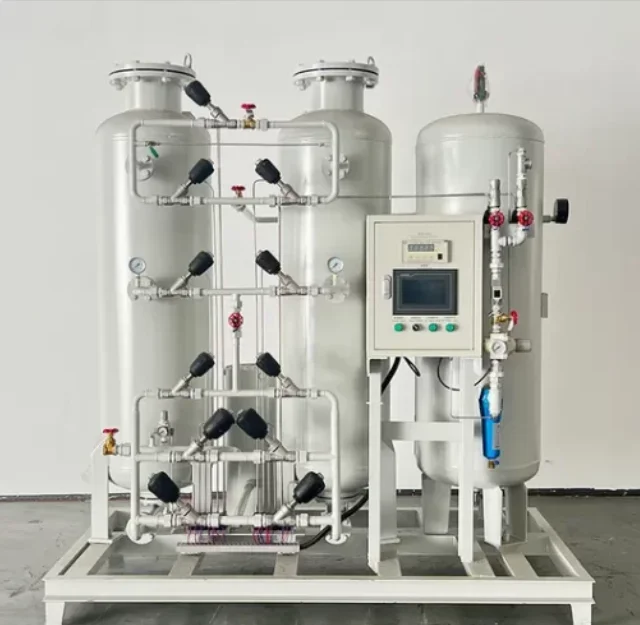
Hebei Lixin's Medical Oxygen Generator System revolutionizes hospital oxygen supply by producing medical-grade oxygen directly on-site. Our advanced Pressure Swing Adsorption (PSA) technology efficiently separates oxygen from compressed air, delivering a continuous and reliable source of high-purity oxygen. The system features intelligent automation with real-time monitoring and self-adjusting operation to maintain consistent oxygen quality. Designed for hospital environments, it eliminates dependency on external oxygen suppliers while reducing operational costs. The comprehensive solution includes built-in safety mechanisms and alarm systems to ensure uninterrupted oxygen supply for critical care applications. With quiet operation and energy-efficient performance, our oxygen generator system provides a sustainable alternative to traditional oxygen cylinders, ideal for hospitals seeking self-sufficient and cost-effective oxygen solutions.
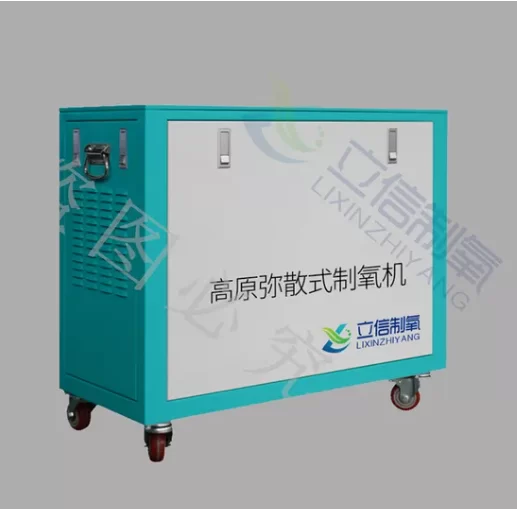
Used in Hospitals New Medical Psa Oxygen Concentrator Equipment
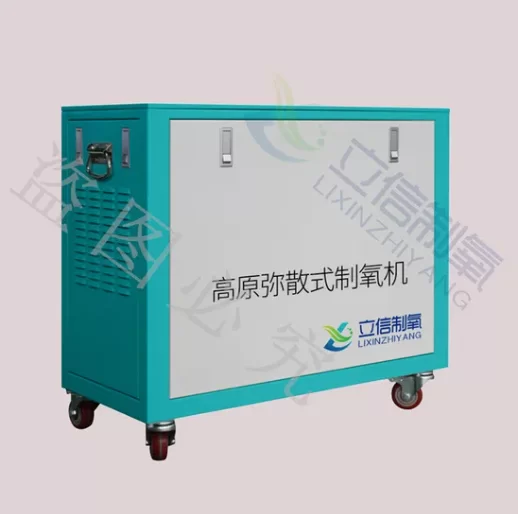
Manufacturer of High-Purity High-Altitude Dispersion Oxygen Generator
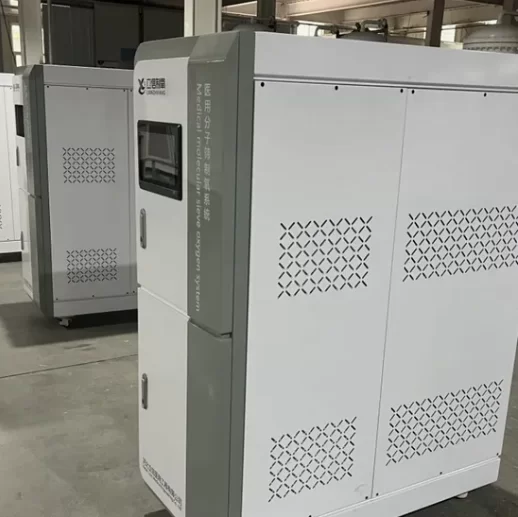
Psa Oxygen Generator Oxygen Plant for General Industry
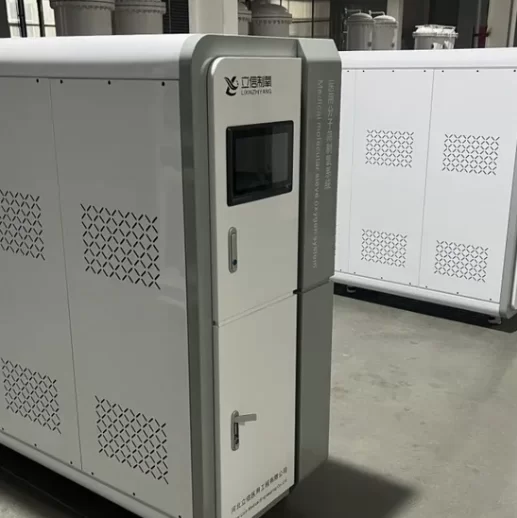
Modular Oxygen Concentrator Integrated Oxygen Generator Made In China
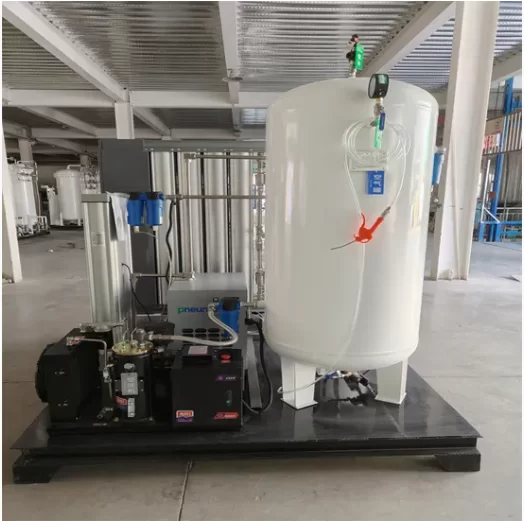
Small Oxygen Generator O2 Concentrator
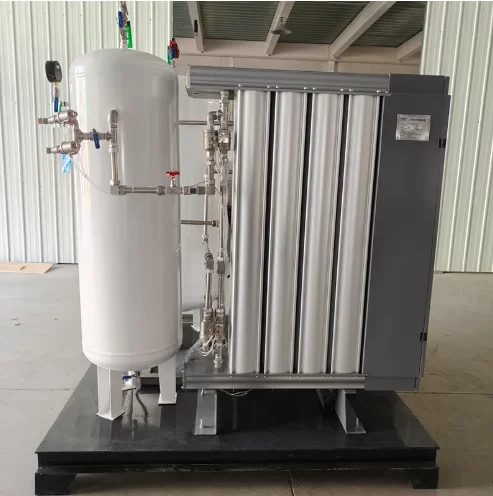
High Purity Used In Hospitals And Clinics Medical Oxygen Generator
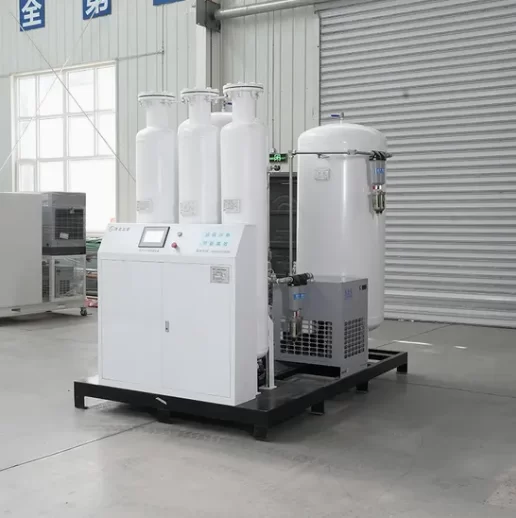
On Site/APP Monitoring Hospital Uses Oxygen Concentrators Psa Oxygen Generator
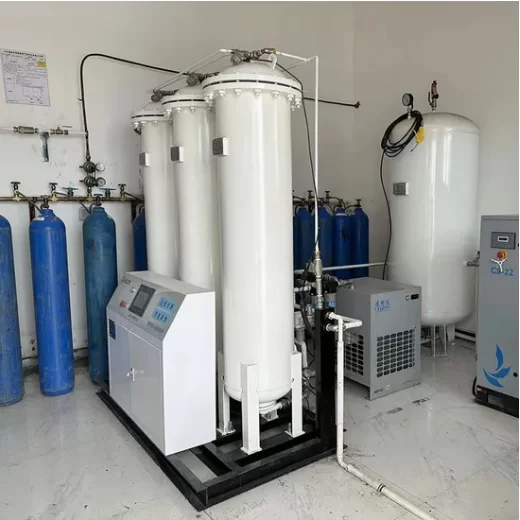
Hot Selling Medical Oxygen Concentrators And Oxygen Manufacturing Machines
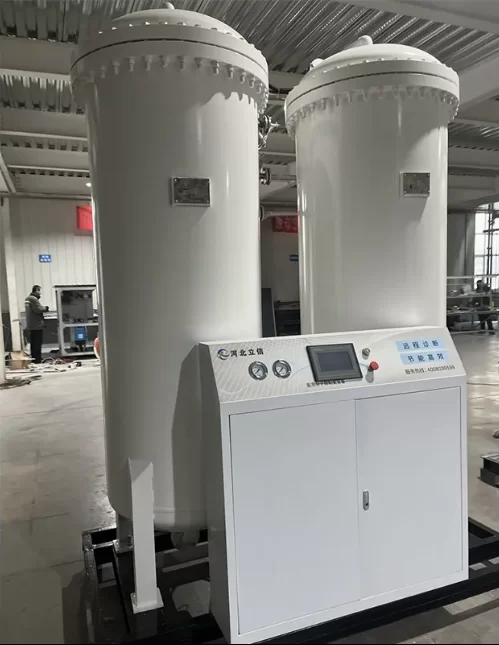
Plant FCC Machine Psa Oxygen Certification Oxygen Generator
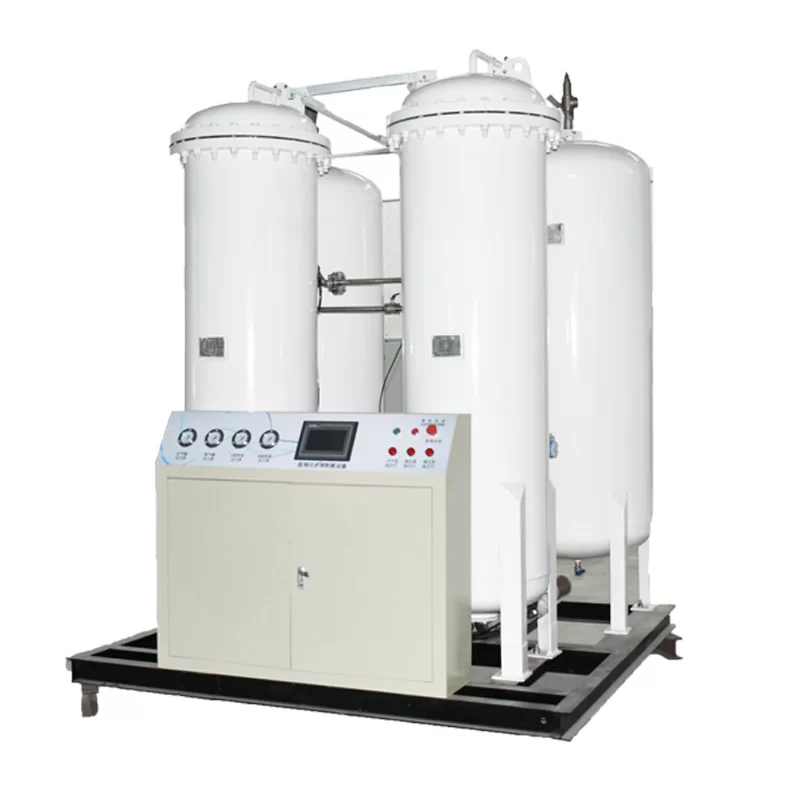
Medical Psa Oxygen Generator 50m3/H Oxygen Medical Generator
Oxygen generators are widely used in medical, industrial, laboratory, aquaculture, and home care applications. With the growing demand for stable and efficient oxygen supply systems, different types of oxygen generator technologies have been developed to meet various operational requirements. Understanding the different types of oxygen generators can help businesses and users choose the most suitable solution based on oxygen purity, flow rate, portability, and application environment.
The most common type is the PSA oxygen generator (Pressure Swing Adsorption). This system uses molecular sieve technology to separate nitrogen from compressed air and produce high-purity oxygen. PSA oxygen generators are widely used in hospitals, clinics, industrial manufacturing, welding, and wastewater treatment.
Stable oxygen purity levels
Continuous oxygen production
Low operating cost
Fully automatic operation
Energy-efficient performance
Many large-scale oxygen supply systems rely on PSA technology because it provides reliable onsite oxygen generation without depending on oxygen cylinder transportation.
A portable oxygen generator is designed for mobility and personal use. These compact systems are commonly used by patients requiring oxygen therapy during travel, outdoor activities, or daily movement. Portable models are lightweight, battery-powered, and easy to carry.
Key features include:
Compact design
Rechargeable battery operation
Quiet performance
Adjustable oxygen flow
Convenient transportation
Portable oxygen generators are increasingly popular in home healthcare and elderly care markets due to their flexibility and convenience.
An industrial oxygen generator is built for heavy-duty applications requiring large oxygen volumes. Industries such as metal cutting, glass manufacturing, mining, aquaculture, and chemical processing often use industrial oxygen generation systems.
Industrial units typically offer:
High oxygen output capacity
Continuous 24/7 operation
Durable industrial-grade components
Automated monitoring systems
Large storage integration
Compared with traditional oxygen cylinder supply, industrial oxygen generators reduce long-term operating costs and improve production efficiency.
A medical oxygen generator is specifically designed to meet healthcare standards and provide medical-grade oxygen purity. Hospitals, emergency centers, and home care providers commonly use these systems for respiratory treatment and oxygen therapy.
Medical oxygen generators emphasize:
High oxygen concentration
Stable airflow control
Low noise levels
Safe and hygienic operation
Reliable long-term performance
Many healthcare facilities now prefer on-site oxygen generation systems because they improve supply stability during emergencies and reduce dependence on external oxygen delivery.
The VPSA oxygen generator (Vacuum Pressure Swing Adsorption) is another advanced oxygen generation technology. VPSA systems are often used in large industrial plants requiring high-capacity oxygen production with lower energy consumption.
Compared with traditional PSA systems, VPSA oxygen generators can provide:
Greater energy efficiency
Higher production capacity
Lower operational pressure
Reduced maintenance costs
As oxygen demand continues increasing worldwide, selecting the right type of oxygen generator becomes increasingly important for ensuring operational reliability, energy savings, and long-term performance.
Many people ask, “how do oxygen generator work?” Oxygen generators are advanced devices designed to separate oxygen from the surrounding air and provide a continuous supply of high-purity oxygen for medical, industrial, and commercial applications.
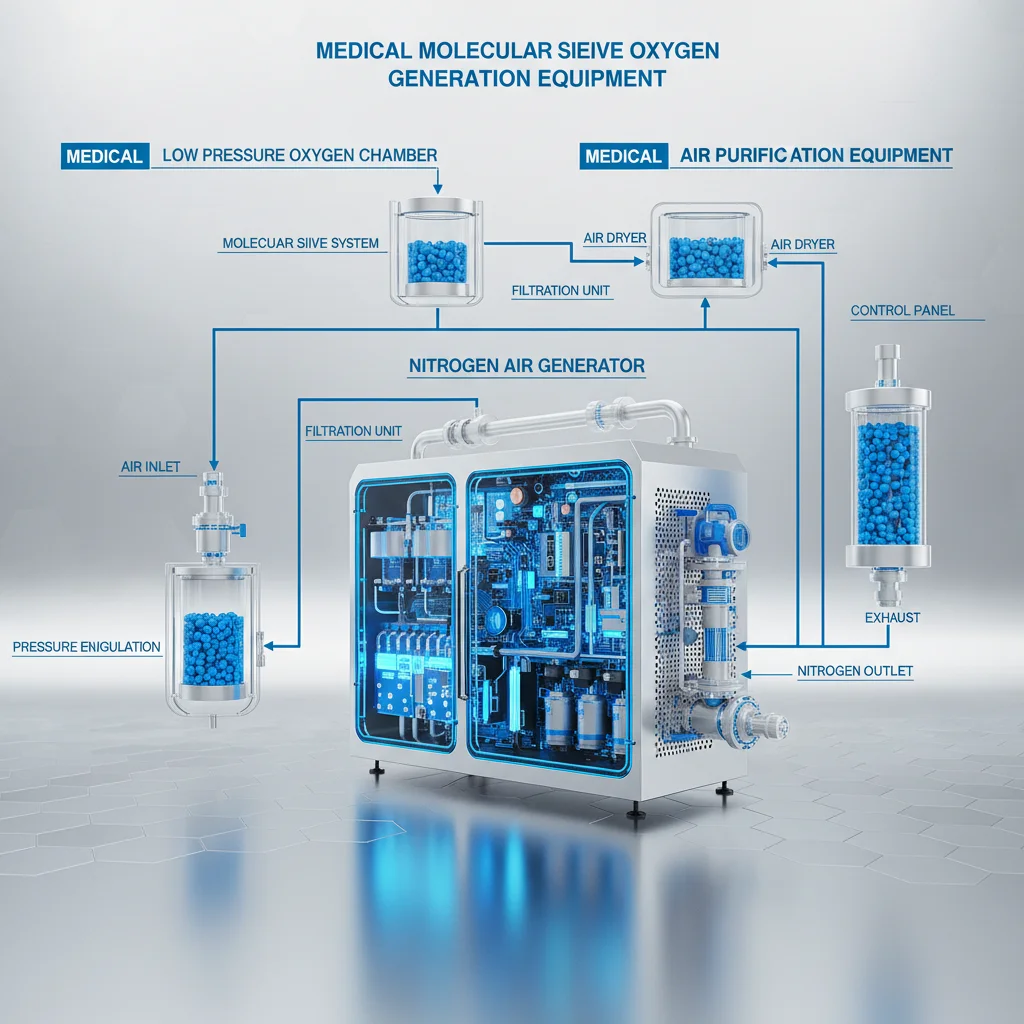
Air normally contains about 78% nitrogen, 21% oxygen, and small amounts of other gases. An oxygen generator uses a technology called Pressure Swing Adsorption (PSA) to extract oxygen from the air. During this process, compressed air passes through special molecular sieve materials, usually made from zeolite. These sieves trap nitrogen molecules while allowing oxygen to pass through. As a result, the machine produces concentrated oxygen that can reach purity levels of 90% to 95%.
Modern oxygen generation systems generally include several key components:
Air compressor
Air filtration system
Molecular sieve tower
Oxygen storage tank
Control system
The process begins when the air compressor pulls in ambient air. The filtration system removes dust, moisture, and impurities to protect the internal components. The purified air then enters the adsorption towers, where nitrogen is separated from oxygen. Finally, the oxygen is stored and delivered for use.
Today, oxygen generator systems are widely used in hospitals, clinics, laboratories, aquaculture, metal processing, and ozone production industries. Compared with traditional oxygen cylinders, oxygen generators provide several advantages, including continuous oxygen supply, lower operating costs, improved safety, and reduced transportation requirements.
Portable oxygen generators are also becoming increasingly popular for home healthcare and outdoor medical support because they are lightweight, energy-efficient, and easy to operate. With advancements in technology, modern oxygen generation equipment now offers more stable performance, intelligent monitoring systems, and higher energy efficiency for long-term use.
As respiratory health becomes a global priority in 2026, the oxygen generator (or oxygen concentrator) has emerged as a cornerstone of modern medical technology. Unlike traditional oxygen tanks that require frequent refills and pose high-pressure storage risks, an oxygen generator extracts nitrogen from the ambient air to provide a continuous, limitless supply of medical-grade oxygen. This shift from "delivery-based" to "on-demand" oxygen offers transformative benefits for both clinical patients and wellness enthusiasts.
1. Uninterrupted Supply and Patient Safety
The primary advantage of a medical oxygen generator system is its ability to produce oxygen on demand. Unlike cylinders that can run empty at critical moments, these systems extract oxygen from the ambient air using Pressure Swing Adsorption (PSA) technology. This ensures that hospitals and clinics have an inexhaustible supply 24/7, which is vital for intensive care units and emergency rooms where oxygen is a life-sustaining necessity.
2. Significant Cost Efficiency
Investing in oxygen generator systems drastically reduces long-term operational costs. While the initial setup requires capital, the elimination of recurring costs—such as cylinder rentals, refilling fees, and delivery charges—leads to a rapid return on investment. Furthermore, it removes the "hidden costs" of administrative labor required to track and manage gas inventory.
3. Enhanced Safety and Environmental Impact
Storing large quantities of liquid or pressurized oxygen poses significant fire and explosion risks. A medical oxygen generator produces gas at a lower, safer pressure and only as needed, significantly enhancing facility safety. Additionally, reducing the frequency of heavy truck deliveries for cylinder swaps lowers the carbon footprint of the medical facility, aligning with 2026 sustainability goals.
4. Autonomy in Remote Locations
For field hospitals or remote clinics, a self-contained medical oxygen generator system provides total autonomy. It removes the dependence on complex supply chains, ensuring that life-saving oxygen is available even in geographically isolated areas or during global supply chain disruptions.
By integrating an on-site generator, healthcare providers ensure higher standards of care while optimizing their technical infrastructure for the future.
A medical oxygen generator is a device that produces high-purity oxygen from ambient air through advanced filtration and separation technology. It is widely used in hospitals, clinics, oxygen therapy centers, emergency rooms, and other healthcare facilities to provide a continuous oxygen supply for patients.
Most medical oxygen generators use molecular sieve PSA (Pressure Swing Adsorption) technology. The system separates nitrogen from compressed air, leaving concentrated medical-grade oxygen for clinical use. This process allows healthcare facilities to generate oxygen on-site instead of relying entirely on oxygen cylinders.
Medical oxygen generators offer several important benefits, including:
These systems are especially useful for hospitals and healthcare institutions with high oxygen demand.
Most medical oxygen generators can produce oxygen purity levels between 90% and 95%, depending on system design and application requirements. High-quality systems are designed to maintain stable oxygen concentration during continuous operation.
Medical oxygen generators are widely used in:
High-altitude oxygen supply projects
Yes. Modern medical oxygen generators are designed with multiple safety systems, including pressure monitoring, alarm systems, filtration protection, and automatic control functions. Proper installation and regular maintenance help ensure safe operation.
Routine maintenance is essential for maintaining oxygen purity and system efficiency. Common maintenance tasks include:
Maintenance schedules may vary depending on equipment size and usage frequency.
Yes. Most medical oxygen generation systems are designed for 24-hour continuous operation in healthcare environments. Industrial-grade components and intelligent control systems help ensure stable performance during long-term use.
Important factors include:
Healthcare facilities should choose a system based on patient demand and clinical application needs.
On-site oxygen generation improves supply reliability and reduces transportation and storage challenges associated with oxygen cylinders. It also helps hospitals better manage oxygen demand during emergencies and peak usage periods.
In addition to medical applications, oxygen generators are also used in:
However, medical oxygen generators are specifically designed to meet healthcare standards and patient safety requirements.
Hebei Lixin Medical Engineering Co., Ltd. specializes in medical central gas supply systems, molecular sieve oxygen generation equipment, medical air purification equipment, and healthcare engineering solutions. With strong R&D capabilities, professional technical teams, and comprehensive after-sales support, the company provides reliable oxygen generation systems for healthcare facilities worldwide.