Hit enter to search or ESC to close
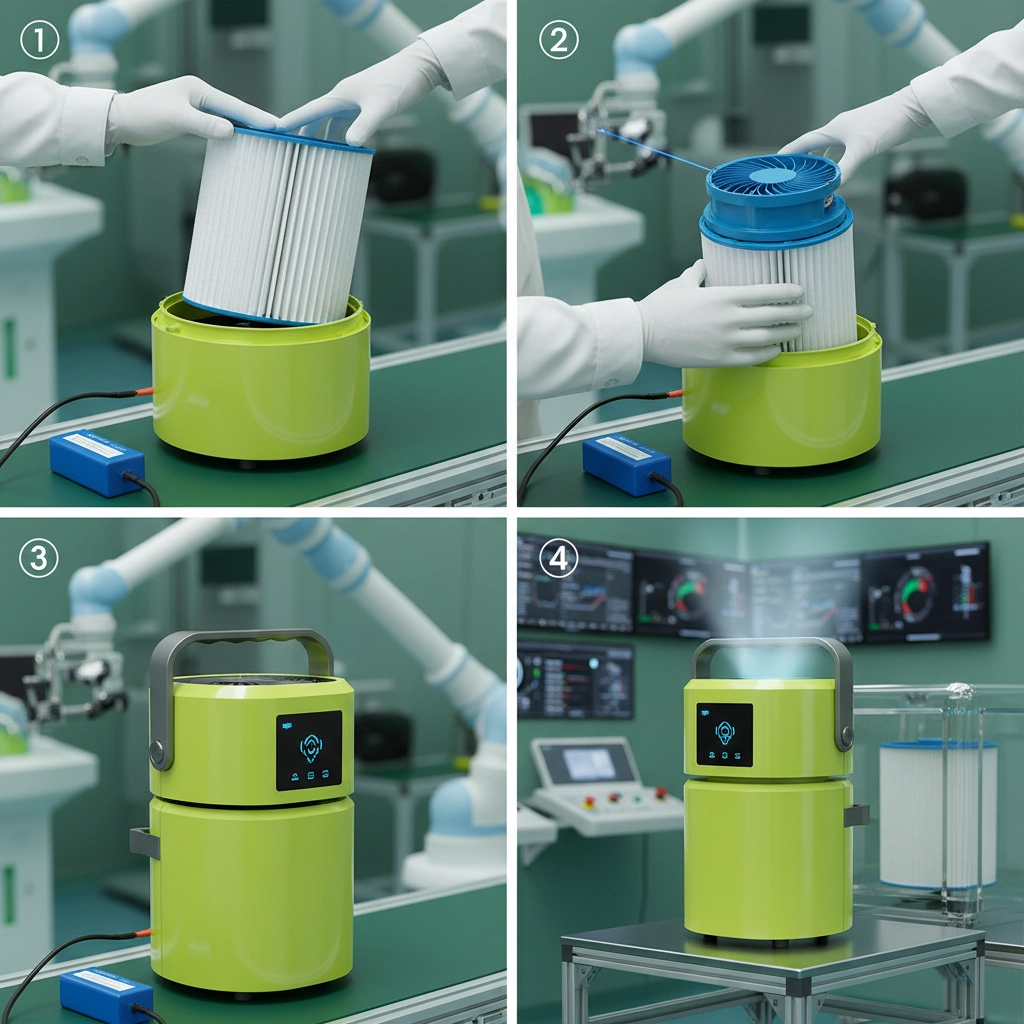
The 250 Air Disinfection Machine represents our commitment to innovative infection control solutions for modern healthcare facilities. This advanced disinfection system combines multiple purification technologies to eliminate pathogens and improve indoor air quality in clinical environments. Designed for medium-sized spaces, the unit operates with quiet efficiency while maintaining powerful disinfection capabilities. Its smart control system allows for customized operation modes to suit different clinical requirements and space configurations. The machine's durable construction and streamlined design ensure seamless integration into various hospital areas, from patient rooms to outpatient departments. With easy maintenance features and long service life, this disinfection machine offers healthcare providers an effective tool for enhancing environmental hygiene and patient safety.
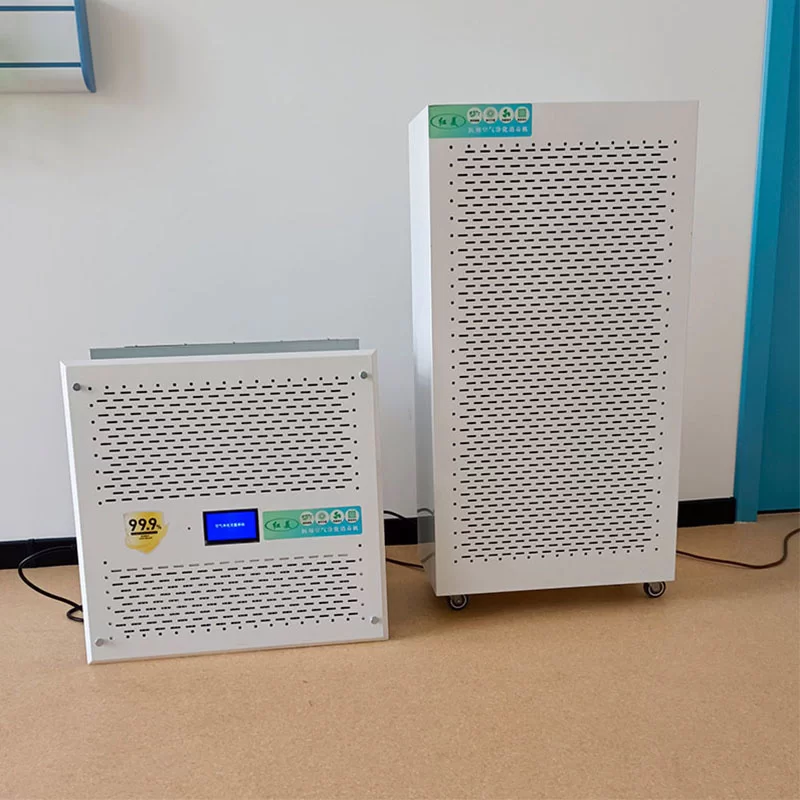
Wall Mounted or Suspended Ceilingion Sterilizer Photocatalytic Oxidation Air Purifier
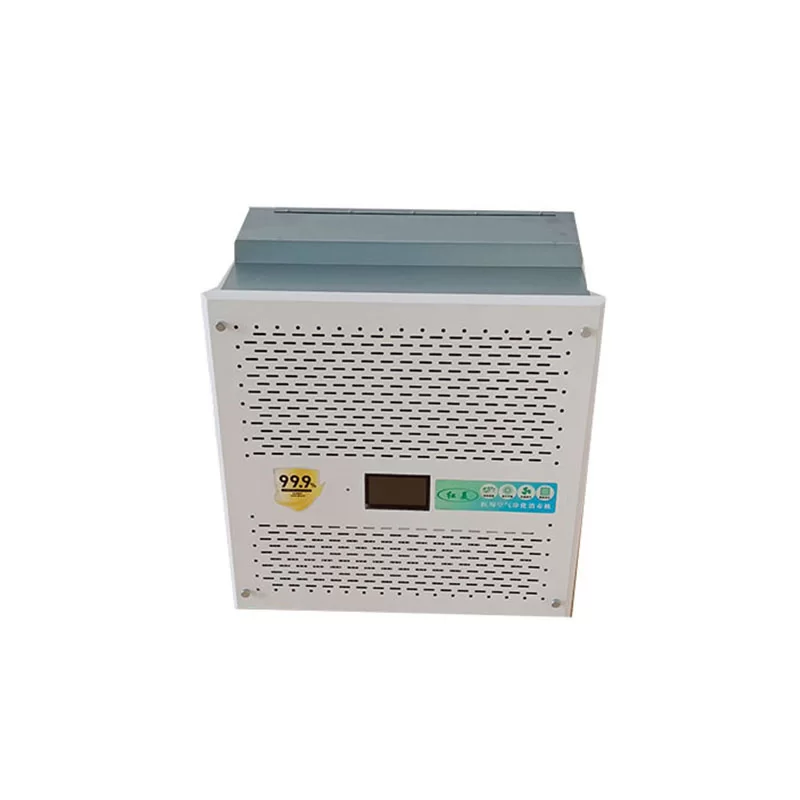
New Design Medical Wall-Mounted for Office Hotel Air Purifier
Modern air quality management has become increasingly important in hospitals, schools, offices, factories, hotels, and residential environments. An air disinfection machine is designed to improve indoor air safety by removing or neutralizing harmful airborne contaminants that may affect human health and workplace hygiene. Unlike ordinary ventilation systems, advanced air disinfection equipment combines filtration, sterilization, purification, and circulation technologies to create cleaner indoor
air.
One of the primary targets of air disinfection machines is airborne bacteria and viruses. In enclosed indoor spaces, microorganisms can spread rapidly through coughing, sneezing, or air circulation systems. Many air disinfection systems use technologies such as HEPA filtration, ultraviolet (UV-C) sterilization, plasma purification, or photocatalytic oxidation to help reduce microbial contamination in the air. This is especially important in medical clinics, hospitals, laboratories, and crowded public areas where infection control is critical.
Air disinfection machines also remove dust particles, pollen, smoke, and fine particulate matter such as PM2.5. These airborne particles can trigger allergies, respiratory irritation, and breathing difficulties, particularly for children, elderly individuals, and people with asthma. High-efficiency filtration systems capture microscopic particles and help maintain healthier indoor air quality.
In addition to biological and particulate contaminants, many air disinfection machines can reduce unpleasant odors and volatile organic compounds (VOCs). VOCs are commonly released from paint, furniture, cleaning chemicals, carpets, and industrial materials. Activated carbon filters are often used to absorb odors, chemical gases, and harmful airborne compounds, helping indoor spaces feel fresher and safer.
Some advanced air disinfection equipment can also help control mold spores and airborne fungi in humid environments. This is particularly valuable in healthcare facilities, food processing plants, warehouses, and commercial buildings where moisture-related contamination may occur.
By continuously circulating and purifying indoor air, air disinfection machines create a cleaner, safer, and more comfortable environment for both commercial and residential applications. As global awareness of indoor hygiene continues to grow, these systems are becoming an essential part of modern environmental health management.
Air quality plays an important role in maintaining healthy indoor environments, especially in places where bacteria, viruses, odors, and airborne pollutants can easily spread. An air disinfection machine is designed to continuously clean and disinfect indoor air through technologies such as UV sterilization, HEPA filtration, plasma purification, ozone treatment, or photocatalyst systems. Understanding when to use air disinfection machines can help improve hygiene standards and reduce contamination risks in both commercial and residential spaces.
One of the most common situations for using an air disinfection machine is in hospitals and healthcare facilities. Clinics, operating rooms, patient wards, dental offices, and laboratories require strict air sanitation to minimize airborne infection risks. Medical air sterilization equipment helps remove harmful microorganisms and improves overall indoor air safety for healthcare workers and patients.
Air disinfection systems are also widely used in schools, offices, conference rooms, and public buildings where many people gather in enclosed spaces. In crowded indoor environments, viruses and bacteria can spread quickly through the air-conditioning system or direct human contact. Installing a commercial air disinfection machine helps maintain cleaner air circulation and supports healthier working and learning conditions.
Industrial and manufacturing environments can also benefit from air purification and sterilization equipment. Food processing plants, pharmaceutical workshops, clean rooms, and electronic manufacturing facilities often require controlled air quality to meet hygiene and production standards. Air disinfection machines help reduce dust particles, airborne contaminants, and microbial pollution during manufacturing processes.
At home, portable air disinfection machines are increasingly popular for bedrooms, living rooms, nurseries, and pet areas. Families often use them during flu seasons, allergy periods, or in areas with poor ventilation. These machines can help reduce odors, smoke, pet dander, mold spores, and airborne allergens while improving indoor comfort.
Hotels, gyms, airports, shopping malls, and restaurants also use air sterilization systems to create cleaner public environments and improve customer confidence. As awareness of indoor hygiene continues growing worldwide, demand for smart air disinfection technology is increasing across many industries.
Choosing the right air disinfection machine depends on room size, purification technology, airflow capacity, and application requirements. Proper use and regular maintenance ensure long-term performance and effective indoor air protection.
Clean indoor air has become one of the most important priorities in modern healthcare environments. Hospitals, clinics, laboratories, and outpatient centers all require advanced infection control systems to reduce airborne contamination and improve patient safety. This is where the 250 Air Disinfection Machine from Hebei Lixin Medical Engineering Co., Ltd. delivers reliable and efficient performance for healthcare facilities worldwide.
Established in 2011, Hebei Lixin Medical Engineering Co., Ltd. specializes in medical central gas supply systems, molecular sieve oxygen generation equipment, low-pressure oxygen chambers, medical air purification equipment, and hospital cleanroom engineering solutions. With years of experience in healthcare engineering, the company continues to develop innovative products that support safer and cleaner medical environments.
The 250 Air Disinfection Machine reflects Lixin’s commitment to advanced infection prevention technology. Designed for medium-sized clinical spaces, the system combines multiple purification and disinfection technologies to remove airborne bacteria, viruses, dust particles, and harmful pollutants. Its powerful yet quiet operation makes it suitable for patient rooms, outpatient departments, operating preparation areas, laboratories, and other healthcare environments where air quality is critical.
One of the key advantages of this air disinfection machine is its intelligent control system. Users can customize operation modes based on room size, patient flow, and environmental requirements, helping hospitals maintain flexible and energy-efficient air management. The streamlined structure and durable construction also allow the unit to integrate easily into modern medical facilities without disrupting daily operations.
In addition to strong product performance, Hebei Lixin Medical Engineering Co., Ltd. emphasizes technology innovation and customer-focused service. Guided by the philosophy of “Pursuing Higher Quality, Insisting on Innovative Design, and Meeting Customer Needs,” the company continuously improves its medical purification solutions through scientific management and advanced manufacturing processes. Its experienced R&D teams, sales professionals, and after-sales service staff work together to provide dependable support for healthcare clients around the world.
As healthcare facilities place increasing importance on environmental hygiene and infection control, advanced air purification systems are becoming essential infrastructure. The 250 Air Disinfection Machine offers an effective solution for improving indoor air quality, supporting cleaner clinical environments, and enhancing overall patient and staff safety.
An air disinfection machine is a device designed to remove or eliminate airborne bacteria, viruses, dust particles, odors, and other harmful contaminants from indoor air. These machines are widely used in hospitals, clinics, laboratories, offices, schools, and public spaces to improve air quality and reduce the risk of cross-infection.
Most air disinfection machines combine multiple purification technologies, such as:
HEPA filtration
UV sterilization
Plasma purification
Activated carbon filtration
Photocatalyst disinfection
These technologies work together to capture particles, neutralize microorganisms, and improve overall indoor air cleanliness.
Air disinfection machines are commonly installed in:
Hospitals
Operating rooms
Patient wards
Clinics
Laboratories
Waiting areas
Nursing homes
Schools
Commercial buildings
Healthcare facilities especially rely on air purification systems to support infection control and environmental hygiene.
Yes. Advanced air disinfection systems are designed to reduce airborne microorganisms by continuously circulating and purifying indoor air. Different technologies target pathogens in different ways, helping improve indoor environmental safety.
Air purification mainly focuses on removing dust, allergens, smoke, and pollutants from the air, while air disinfection specifically targets bacteria, viruses, and harmful microorganisms. Many modern systems combine both purification and disinfection functions for better air quality management.
Yes. Most medical-grade air disinfection machines are designed for safe long-term operation in occupied indoor environments. They are equipped with intelligent control systems, protective structures, and low-noise operation to support continuous use.
Filter replacement schedules depend on machine usage, environmental conditions, and filter type. In medical environments, regular inspection and maintenance are important to ensure effective disinfection performance and airflow efficiency.
Important considerations include:
Room size coverage
Airflow capacity
Filtration efficiency
Noise level
Energy consumption
Maintenance requirements
Control system functions
Installation flexibility
Choosing the correct machine helps maintain effective air circulation and purification performance.
Yes. These systems help reduce airborne pollutants, odors, microorganisms, and fine particles, creating cleaner and more comfortable indoor environments for patients, healthcare staff, employees, and visitors.
Air disinfection systems play an important role in hospital infection control strategies. Cleaner indoor air helps support safer healthcare environments, especially in high-risk clinical areas with heavy patient traffic.
The 250 Air Disinfection Machine combines advanced purification technologies, intelligent control systems, quiet operation, and durable construction. It is designed for medium-sized healthcare spaces and helps improve environmental hygiene while supporting efficient clinical operations.
Established in 2011, Hebei Lixin Medical Engineering Co., Ltd. specializes in medical air purification equipment, oxygen generation systems, cleanroom engineering, and healthcare environmental solutions. The company focuses on technological innovation, reliable product quality, responsive service, and long-term customer support for global healthcare clients.