In an era where air quality has become a critical determinant of public health, the advent of the battery powered air purifier represents a paradigm shift in respiratory protection. These devices liberate users from the constraints of wall outlets, allowing for clean, breathable air in transit, remote clinical settings, or emergency evacuation zones. By integrating high-efficiency filtration with advanced energy storage, these systems ensure that sterile environments are no longer static but mobile.
The global demand for portable air purification has surged as urban pollution levels rise and the prevalence of airborne pathogens increases. From the corridors of a busy medical center to the interior of a specialized transport vehicle, the ability to scrub the air of particulate matter and volatile organic compounds (VOCs) without a constant power grid connection is invaluable. This mobility is particularly crucial for patients with compromised immune systems who require a "bubble" of purified air during relocation.
Understanding the mechanics and strategic application of a battery powered air purifier is essential for healthcare providers and industrial safety officers alike. By shifting from centralized HVAC systems to targeted, portable purification, organizations can create localized "clean zones" that are far more cost-effective and responsive to real-time threats. This guide explores the technical depths, practical applications, and future trajectory of this essential medical-grade technology.
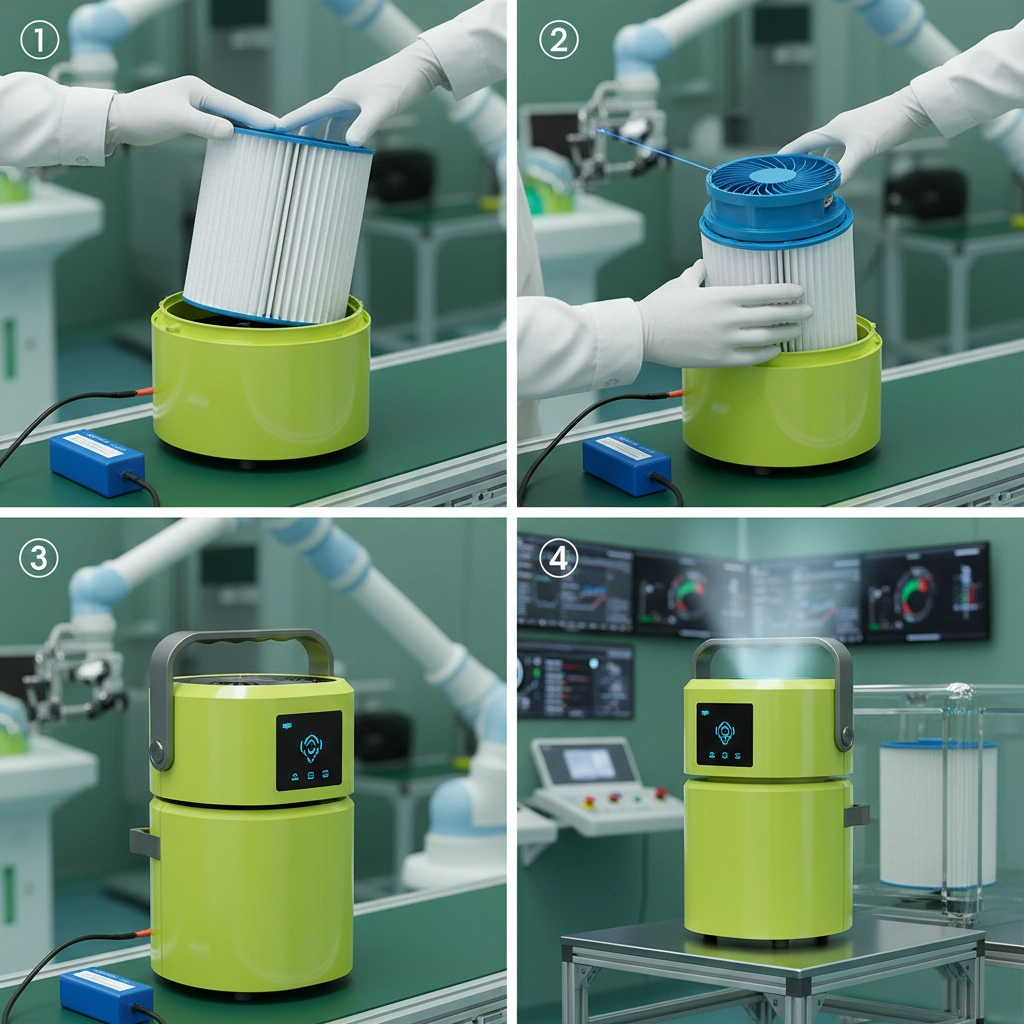
Global Context of Portable Air Purification
The global landscape of respiratory health is currently facing an unprecedented challenge. According to data aligned with WHO and ISO standards, indoor air pollution remains a silent killer, contributing to millions of premature deaths annually. In many developing regions and disaster-stricken areas, the lack of stable electrical infrastructure makes traditional air filtration impossible, creating a desperate need for a battery powered air purifier that can operate independently of the grid.
This challenge is not limited to underdeveloped regions; even in high-tech medical facilities, the "dead zones" between filtered ventilation points can harbor contaminants. The integration of portable, battery-operated units allows for the creation of dynamic sterile fields, ensuring that the movement of a patient from a surgery suite to a recovery ward does not compromise their sterile environment.
Defining the Battery Powered Air Purifier
At its core, a battery powered air purifier is an autonomous environmental control device designed to remove airborne pollutants, allergens, and pathogens from the air using a combination of mechanical filtration and electrical energy stored in high-density batteries. Unlike standard home purifiers, medical-grade portable units often employ HEPA (High-Efficiency Particulate Air) or ULPA (Ultra-Low Penetration Air) filters, capable of capturing particles as small as 0.1 microns.
The connection between these devices and modern humanitarian needs is profound. In the wake of natural disasters—where power grids are often the first to fail—these purifiers become life-saving tools in temporary shelters and field hospitals. They prevent the spread of opportunistic infections in crowded, poorly ventilated spaces, effectively acting as a mobile shield for the most vulnerable populations.
From an industrial perspective, the "battery-powered" aspect is not merely a convenience but a critical requirement for agility. Whether it is a technician entering a cleanroom environment or a paramedic in an ambulance, the ability to deploy a high-CADR (Clean Air Delivery Rate) device instantly, without searching for a power source, minimizes risk and maximizes operational efficiency.
Core Components for Maximum Efficiency
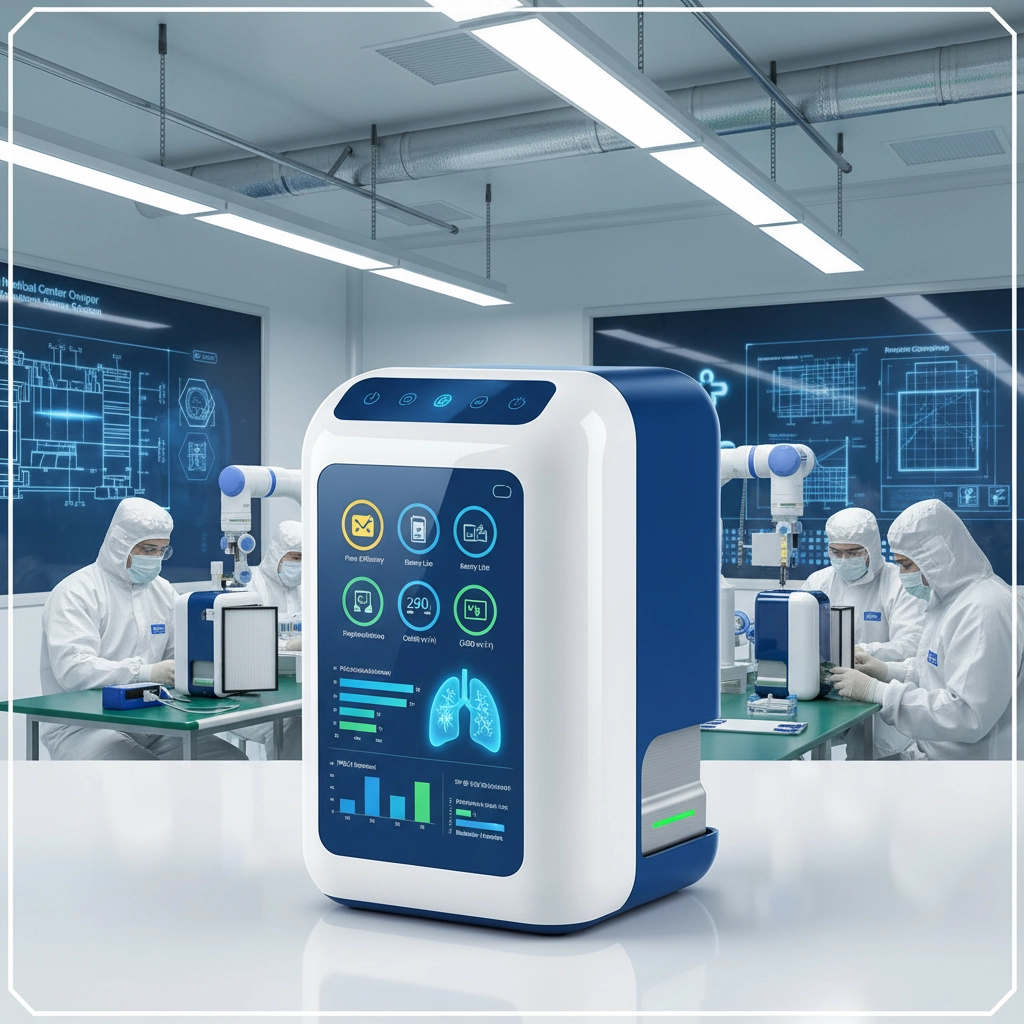
The effectiveness of a battery powered air purifier depends heavily on the synergy between its filtration medium and its power management system. High-grade HEPA filters are the industry standard, ensuring that 99.97% of airborne particles are trapped. However, the "battery" component must be carefully engineered to handle the high pressure-drop created by these dense filters without sacrificing runtime.
Energy density is the primary technical hurdle. Modern units utilize Lithium-Iron Phosphate (LiFePO4) batteries, which offer a superior balance of safety, cycle life, and discharge stability compared to traditional Li-ion. This allows a battery powered air purifier to maintain a consistent airflow rate even as the battery level drops, preventing the "fade" in purification quality that plagued earlier portable models.
Furthermore, intelligent sensor arrays—including laser particle counters—allow the device to adjust its fan speed in real-time. By shifting to a low-power mode when air quality is optimal and ramping up during a spike in pollutants, the system significantly extends battery life while ensuring that the environment remains safe, embodying the principle of "smart purification."
Performance Metrics and Scalability
When evaluating the scalability of a battery powered air purifier, the industry looks at the ratio between the Clean Air Delivery Rate (CADR) and power consumption. A device that can clean a large volume of air but drains its battery in two hours is impractical for medical transport. Therefore, the focus has shifted toward optimizing the aerodynamics of the fan housing to reduce turbulence and energy waste.
Scalability also refers to the ability to deploy these units in "swarms" or clusters. In a large emergency triage center, multiple portable units can be synchronized to create a unidirectional airflow, effectively pushing contaminated air away from the medical staff and toward an exhaust point, simulating a professional laminar flow hood in a non-permanent structure.
Efficiency Comparison of Portable Purification Technologies
Real-World Applications and Use Cases
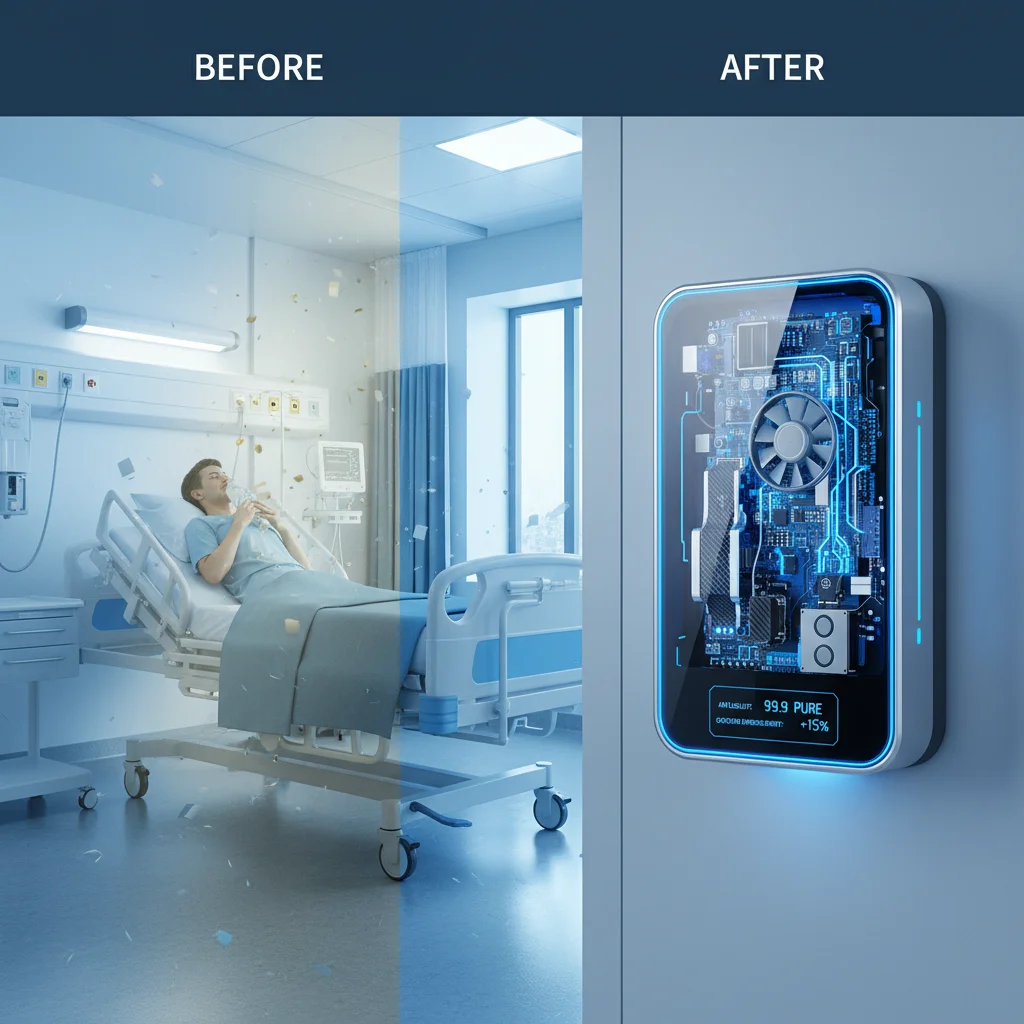
In the healthcare sector, the battery powered air purifier is indispensable for the transfer of patients in "hyper-sterile" conditions. For instance, during the movement of a patient from an operating room to an Intensive Care Unit (ICU), a portable purifier can be positioned to create a localized curtain of clean air, reducing the risk of Hospital-Acquired Infections (HAIs) which often occur during transit.
Beyond the clinic, these devices are critical in post-disaster relief operations. In regions like Southeast Asia or the Caribbean, where hurricanes frequently disable power grids, NGOs deploy portable purification units in temporary medical tents. This ensures that respiratory treatments can be administered without the risk of secondary infections caused by dust, mold, or smoke prevalent in disaster zones.
Long-Term Value and Sustainability
The long-term value of investing in a battery powered air purifier extends beyond immediate health benefits to significant operational cost savings. By targeting purification to the specific area where the patient or worker is located, rather than attempting to filter an entire warehouse or ward, energy consumption is reduced by up to 60%. This "precision purification" approach is far more sustainable than running massive industrial HVAC systems at full capacity.
From an emotional and psychological standpoint, these devices provide "environmental dignity." For a patient confined to a bed or a worker in a hazardous zone, the visible presence of a purification system provides a sense of safety and trust. Knowing that the air they are breathing is being actively scrubbed of toxins reduces anxiety and can contribute to faster recovery times in clinical settings.
Furthermore, the shift toward modular battery systems ensures that these devices have a longer lifespan. Instead of replacing the entire unit when the battery degrades, users can simply swap the power cell. This reduces electronic waste and aligns with global sustainability goals, ensuring that the pursuit of clean air does not come at the expense of a clean planet.
Future Trends in Purification Technology
The future of the battery powered air purifier lies in the integration of AI-driven autonomous navigation. Imagine a fleet of "purification robots" that move through a hospital corridor, sensing pockets of high particulate matter and automatically navigating to those areas to scrub the air. This transformation from a static portable device to an active autonomous agent will redefine how we manage air quality in public spaces.
Material science is also playing a pivotal role. The development of graphene-based filters promises to deliver the same (or better) filtration efficiency as HEPA but with a significantly lower air resistance. This means the fans can run slower, drastically increasing the battery life and reducing the noise levels—a critical factor for patient comfort in a medical environment.
Finally, we are seeing a move toward "energy harvesting" integration. Future units may incorporate high-efficiency solar films on their casings, allowing them to trickle-charge while in use in bright environments. This synergy of green energy and medical technology will ensure that clean air is accessible even in the most remote corners of the globe.
Comparative Analysis of Battery Powered Air Purifier Technologies
|
Technology Type
|
Filtration Grade
|
Avg. Battery Life
|
Medical Suitability
|
| Standard HEPA Portable |
H13 Grade |
8-12 Hours |
Moderate |
| Medical ULPA Unit |
U15 Grade |
6-10 Hours |
High |
| Carbon Hybrid Model |
H12 + Activated C |
10-15 Hours |
Moderate |
| Ionic Portable Kit |
Electrostatic |
20+ Hours |
Low |
| Graphene-Next Gen |
Ultra-Fine |
15-20 Hours |
Very High |
| Industrial Battery-Pack |
H14 Grade |
24-48 Hours |
High |
FAQS
Depending on the filtration grade and fan speed, most medical-grade portable units last between 6 to 15 hours. High-efficiency HEPA models require more power to push air through dense filters, whereas hybrid models with optimized aerodynamics can extend this runtime. For critical care, we recommend units with hot-swappable batteries to ensure continuous operation without downtime.
It is not a replacement for building-wide ventilation, but rather a supplement. While HVAC systems manage overall air exchange, a battery powered air purifier creates a "micro-environment" of clean air. This is essential in zones where central filtration is insufficient or unavailable, such as during power outages or in temporary medical tents.
Yes, provided they use HEPA H13 or higher filters. These filters are designed to trap particles down to 0.3 microns with 99.97% efficiency, which includes the aerosol droplets that carry most viruses and bacteria. For clinical settings, we suggest models that combine HEPA filtration with UV-C sterilization for an added layer of pathogen inactivation.
Filter life varies by air quality. In a controlled medical environment, filters may last 6-12 months. In high-pollution or disaster zones, they may need replacing every 2-3 months. Many modern battery-powered units now include "filter life" indicators based on actual airflow resistance and runtime to alert the user exactly when a change is required.
Safety is paramount. Professional-grade units use LiFePO4 (Lithium Iron Phosphate) batteries, which are chemically more stable and less prone to thermal runaway than standard Li-ion batteries. When used alongside oxygen concentrators or in hyperbaric contexts, it is critical to ensure the device is certified for medical environments and has proper ventilation to prevent heat buildup.
Importing battery-powered medical equipment requires adherence to IATA regulations for lithium battery transport. We recommend partnering with suppliers who provide comprehensive MSDS (Material Safety Data Sheets) and UN38.3 certification. Most NGOs use modular shipping containers that include both the purifiers and solar charging stations to ensure immediate deployment upon arrival.
Conclusion
The evolution of the battery powered air purifier has transformed the way we approach respiratory safety, moving from static, infrastructure-dependent systems to agile, patient-centric solutions. By combining high-density energy storage with medical-grade filtration, these devices ensure that sterile air is no longer a luxury of the operating room but a portable necessity that can be deployed anywhere from emergency shelters to transport vehicles.
Looking forward, the integration of smarter sensors and sustainable energy harvesting will only further enhance the reliability and reach of these systems. For healthcare providers and industrial safety managers, investing in portable purification is not just a technical upgrade—it is a commitment to the safety, dignity, and health of every individual in their care. To explore our full range of air purification and oxygen solutions, visit our website: www.storeoxygen.com.