In an era where indoor air quality has become a critical determinant of public health, the emergence of the rechargeable air purifier represents a pivotal shift toward mobile and autonomous wellness solutions. Unlike traditional stationary units, these devices liberate users from the constraints of electrical outlets, ensuring that breathable, purified air is available in transit, during emergencies, or in medical environments where power access is limited.
The global demand for portable air filtration is driven by rising urbanization and the increased prevalence of respiratory sensitivities. By integrating high-efficiency particulate air (HEPA) filtration with advanced lithium-ion battery technology, a rechargeable air purifier provides a consistent shield against allergens, volatile organic compounds (VOCs), and airborne pathogens, making it an essential tool for modern health management.
Understanding the technical nuances and operational advantages of these devices is key to maximizing their utility. From the perspective of medical instrument manufacturing, the transition to rechargeable systems reflects a broader industry trend toward "patient-centric" design, where mobility and ease of use are prioritized without compromising the clinical efficacy of air purification standards.
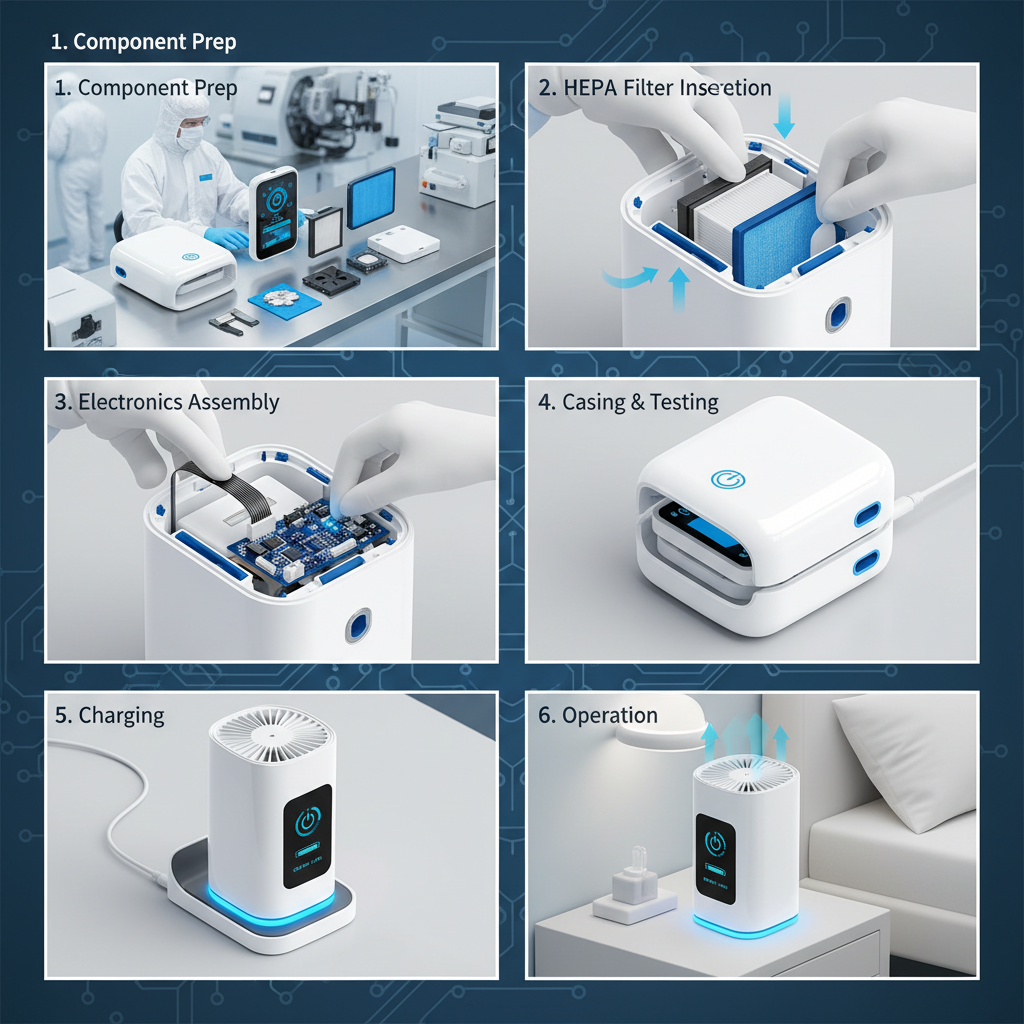
Global Relevance of Rechargeable Air Purifiers
The global health landscape has shifted dramatically, with the World Health Organization (WHO) highlighting that nearly 99% of the global population breathes air that exceeds WHO guideline limits. In this context, the rechargeable air purifier has evolved from a luxury gadget to a critical piece of personal protective equipment. The ability to maintain a "clean air bubble" regardless of the external environment is now a priority for millions residing in smog-heavy urban centers.
Beyond city life, these devices address a critical gap in medical logistics. In regions where electrical infrastructure is unstable, the portability of a rechargeable air purifier ensures that sensitive patients—such as those recovering from respiratory surgeries or infants in neonatal care—are not exposed to contaminated air during internal hospital transfers or in temporary clinics.
Defining the Rechargeable Air Purifier Ecosystem
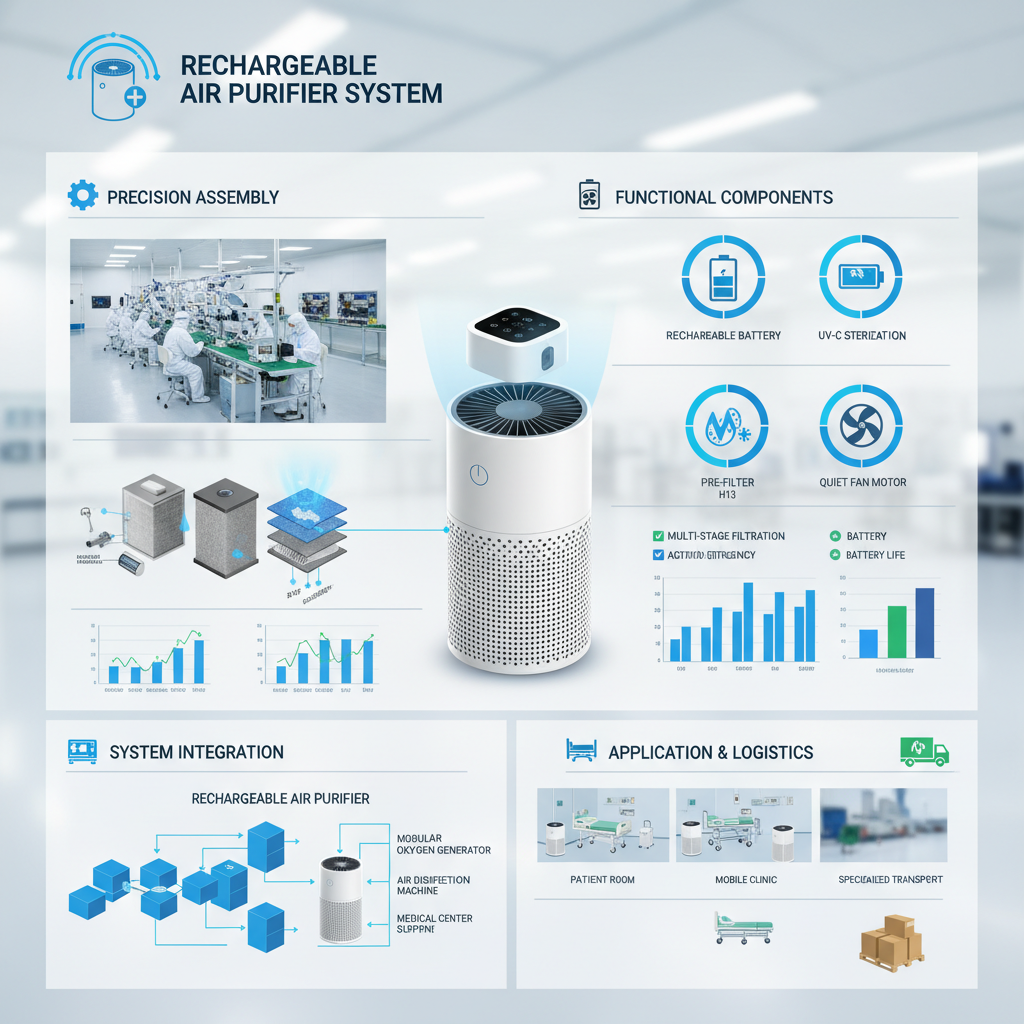
At its core, a rechargeable air purifier is a portable atmospheric filtration system powered by an integrated energy storage unit, typically a high-density lithium-polymer battery. Unlike standard plug-in purifiers, these devices are engineered for energy efficiency, utilizing low-wattage brushless DC motors to drive air through a series of specialized filters without draining the battery instantaneously.
This technology bridges the gap between industrial-grade air scrubbing and consumer convenience. By leveraging materials like activated carbon and HEPA H13 filters, these units can capture particles as small as 0.3 microns, including smoke, pollen, and viral aerosols. This makes them indispensable for humanitarian needs, where rapid deployment of clean air is required in refugee camps or disaster zones.
Furthermore, the "rechargeable" aspect is not merely about the battery; it is about the ecosystem of maintenance. Modern units often feature modular filter designs and USB-C fast-charging capabilities, aligning them with the digital transformation of healthcare devices. This ensures that the rechargeable air purifier remains operational with minimal downtime, providing continuous protection for the user.
Core Components of Advanced Purification
The efficiency of a rechargeable air purifier depends heavily on its filtration architecture. The primary stage usually involves a pre-filter that catches larger debris, protecting the more sensitive internal layers from premature clogging and extending the overall lifecycle of the device.
Central to the device is the HEPA layer, which is the engine of the rechargeable air purifier. This layer uses a complex web of fibers to trap microscopic pollutants via interception and diffusion, ensuring that the air expelled back into the user's immediate environment is clinically clean and safe.
Finally, the integration of an activated carbon filter allows the rechargeable air purifier to tackle gaseous pollutants. By adsorbing odors and volatile organic compounds (VOCs) through a massive internal surface area, the device provides a comprehensive purification experience that exceeds simple particle filtration.
Performance Metrics and Efficiency Analysis
When evaluating a rechargeable air purifier, technical experts focus on the CADR (Clean Air Delivery Rate) relative to battery consumption. The goal is to achieve a high volume of air turnover while maintaining a battery life that supports a full workday of operation, typically ranging from 8 to 24 hours depending on the fan speed settings.
Another critical metric is the noise-to-performance ratio. Since these devices are often used in bedside care or office environments, the engineering of the rechargeable air purifier must balance high-pressure airflow with acoustic dampening to ensure that the user's comfort is not compromised by mechanical noise.
Comparative Efficiency of Rechargeable Air Purifier Technologies
Global Applications and Diverse Use Cases
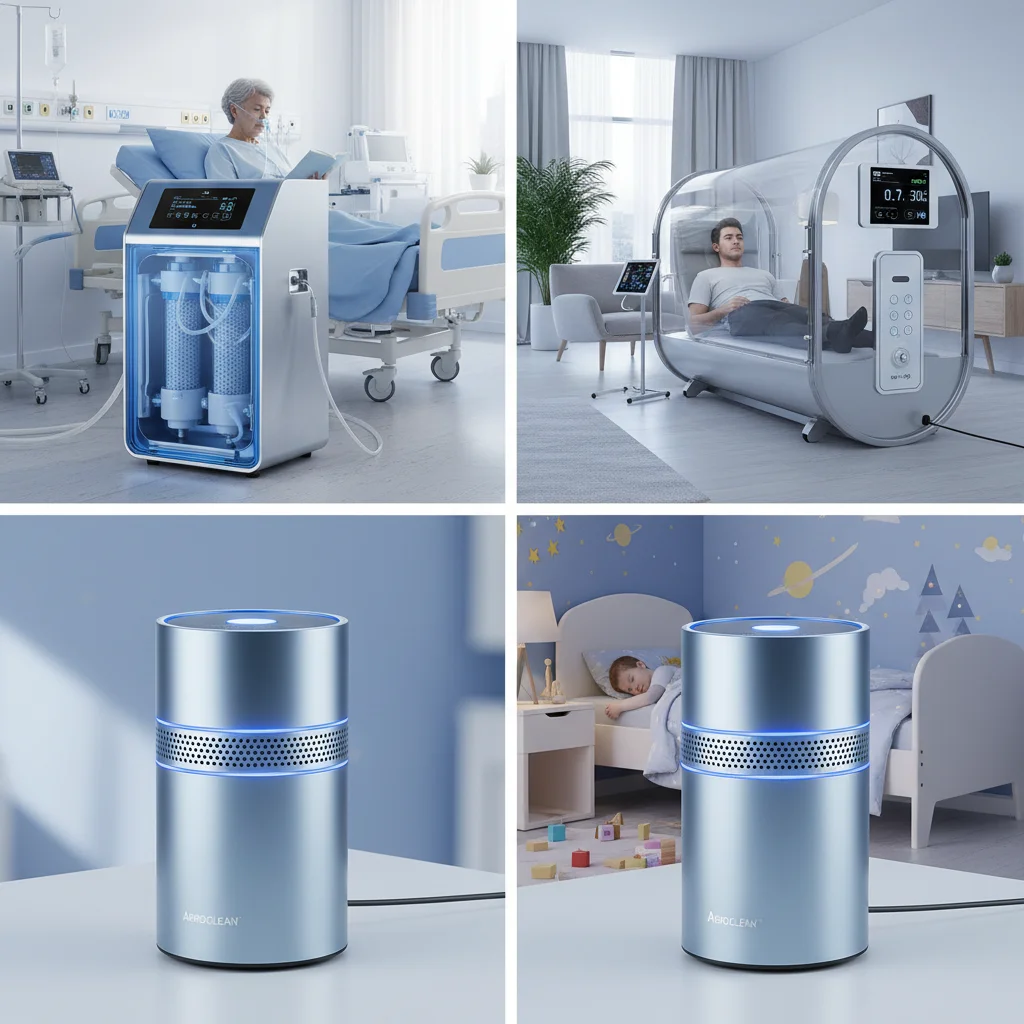
The versatility of the rechargeable air purifier allows it to be deployed in a vast array of real-world scenarios. In the healthcare sector, these devices are frequently used in "clean-zone" transport, where patients with compromised immune systems are moved between sterile wards. By providing a localized stream of purified air, the device minimizes the risk of opportunistic infections.
Beyond clinical settings, the rechargeable air purifier is a lifeline in remote industrial zones and post-disaster relief operations. When traditional power grids fail, these battery-operated units ensure that emergency responders and displaced populations can avoid the respiratory hazards common in rubble and smoke-filled environments, upholding human dignity and health during crises.
Long-term Value and Sustainability Benefits
Investing in a rechargeable air purifier offers substantial long-term economic and social value. From a cost-efficiency perspective, the shift away from disposable batteries toward high-capacity rechargeable cells reduces electronic waste and lowers the recurring cost of ownership for the consumer.
Moreover, the psychological impact of having a reliable, mobile source of clean air cannot be overstated. It provides users with a sense of agency and security, particularly for those suffering from chronic asthma or allergies, allowing them to navigate public spaces with confidence and reduced anxiety.
From a sustainability angle, the latest generation of rechargeable air purifier models utilizes biodegradable filter frames and recycled plastics, aligning the pursuit of personal health with the broader goal of environmental preservation. This holistic approach ensures that cleaning the air for one person does not pollute the planet for everyone.
Future Innovations in Portable Filtration
The future of the rechargeable air purifier is being shaped by the integration of AI-driven sensing. Upcoming models are expected to feature "Smart-Detection" algorithms that automatically adjust the fan speed based on real-time air quality data, thereby optimizing battery life and ensuring maximum filtration only when necessary.
We are also seeing a trend toward the use of graphene-based filters, which offer significantly higher permeability and lower air resistance than traditional HEPA materials. This innovation will allow the rechargeable air purifier to deliver higher CADR values while consuming less energy, effectively extending the operational time between charges.
Lastly, the convergence of air purification and wearable technology is imminent. We anticipate the development of discreet, fabric-integrated rechargeable air purifier systems that blend seamlessly into clothing, providing a continuous, invisible shield of purified air for the user throughout their daily activities.
Comparative Analysis of Rechargeable Air Purifier Technical Specifications
|
Device Model Type
|
Battery Endurance
|
Filtration Grade
|
Portability Score
|
| Compact Personal |
12-18 Hours |
HEPA H11 |
10/10 |
| Medical-Grade Mobile |
6-10 Hours |
HEPA H13 |
7/10 |
| Industrial Portable |
4-8 Hours |
ULPA / Carbon |
5/10 |
| Smart-Home Hybrid |
24+ Hours |
HEPA H12 |
8/10 |
| Travel Edition |
15-20 Hours |
HEPA H11 |
9/10 |
| Emergency Response |
10-14 Hours |
HEPA H13 |
6/10 |
FAQS
Charging frequency depends on the usage intensity and the battery capacity of your specific model. For most mid-range devices, a full charge lasts between 12 to 24 hours of continuous use on a medium setting. To maintain battery health, we recommend charging the unit when it reaches 20% power rather than letting it deplete completely, which helps prolong the overall lifespan of the lithium-ion cells.
Yes, provided the device utilizes a HEPA H13 or higher grade filter. These filters are designed to trap 99.97% of particles as small as 0.3 microns, which includes many of the droplets and aerosols that carry viruses. While it cannot replace a medical-grade mask in high-risk environments, it significantly reduces the concentration of airborne pathogens in your immediate personal space.
Typically, filters in a rechargeable air purifier should be replaced every 3 to 6 months, depending on the pollution levels of your environment. If you use the device in heavily smoggy cities or industrial areas, you may need to replace them more frequently. Many modern units include a filter replacement indicator light to alert you when the airflow is restricted by accumulated debris.
Most high-quality rechargeable air purifiers are equipped with overcharge protection circuits that automatically stop the current flow once the battery is full. However, for maximum safety and battery longevity, it is always advisable to use the original charging cable provided by the manufacturer and avoid using high-wattage rapid chargers that are not compatible with the device's voltage specifications.
While "portable" refers to the size and weight of the device, "rechargeable" specifically refers to the power source. Some portable purifiers still require a USB connection to a power bank or wall outlet to function. A truly rechargeable air purifier has an internal battery, granting it complete autonomy and allowing you to use it in locations where no power source is available.
Absolutely. Due to their compact size and battery-powered nature, these devices are ideal for travel. In cars, they can help eliminate exhaust fumes and allergens. In airplanes, they provide an extra layer of protection against recirculated cabin air. Just ensure the device is placed in a position where it has an unobstructed intake of air for maximum efficiency.
Conclusion
The adoption of the rechargeable air purifier marks a significant advancement in personal health technology, merging the clinical power of HEPA filtration with the freedom of cordless mobility. By addressing the critical need for clean air in diverse environments—from sterile hospital corridors to smog-filled urban streets—these devices provide a scalable and effective solution to the global challenge of air pollution.
Looking forward, the integration of AI and sustainable materials will only enhance the value of these systems, making them more efficient and environmentally friendly. For those prioritizing respiratory health and environmental control, investing in a high-quality rechargeable air purifier is a proactive step toward a healthier, more secure lifestyle. Visit our website for more professional air solutions: www.storeoxygen.com