Hit enter to search or ESC to close
Medical air filtration is becoming increasingly critical in a world facing growing concerns about indoor air quality and the spread of airborne diseases. From healthcare facilities to industrial settings and even everyday homes, the ability to effectively remove pollutants, pathogens, and particulate matter from the air is paramount for protecting public health and ensuring optimal operational efficiency. The advancements in this field are not merely technological; they represent a fundamental shift in how we approach preventative care and environmental safety.
The global relevance of medical air filtration stems from several converging factors, including increasing urbanization, industrialization, and climate change. These factors contribute to higher levels of air pollution both indoors and outdoors, exacerbating respiratory illnesses and increasing the risk of infections. The recent COVID-19 pandemic dramatically highlighted the crucial role of air filtration in mitigating the spread of airborne viruses, accelerating the demand for more sophisticated and effective air purification systems. Furthermore, stringent regulatory standards across various industries are driving the adoption of advanced filtration technologies.
Essentially, medical air filtration encompasses the processes and technologies used to remove contaminants from air intended for medical applications or within healthcare environments. This isn’t simply about removing dust; it's about eliminating bacteria, viruses, spores, and volatile organic compounds (VOCs) to create air that supports patient recovery, protects healthcare workers, and maintains the integrity of sensitive medical procedures. It directly connects to modern healthcare practices, research, and humanitarian efforts to provide safe and healthy environments.
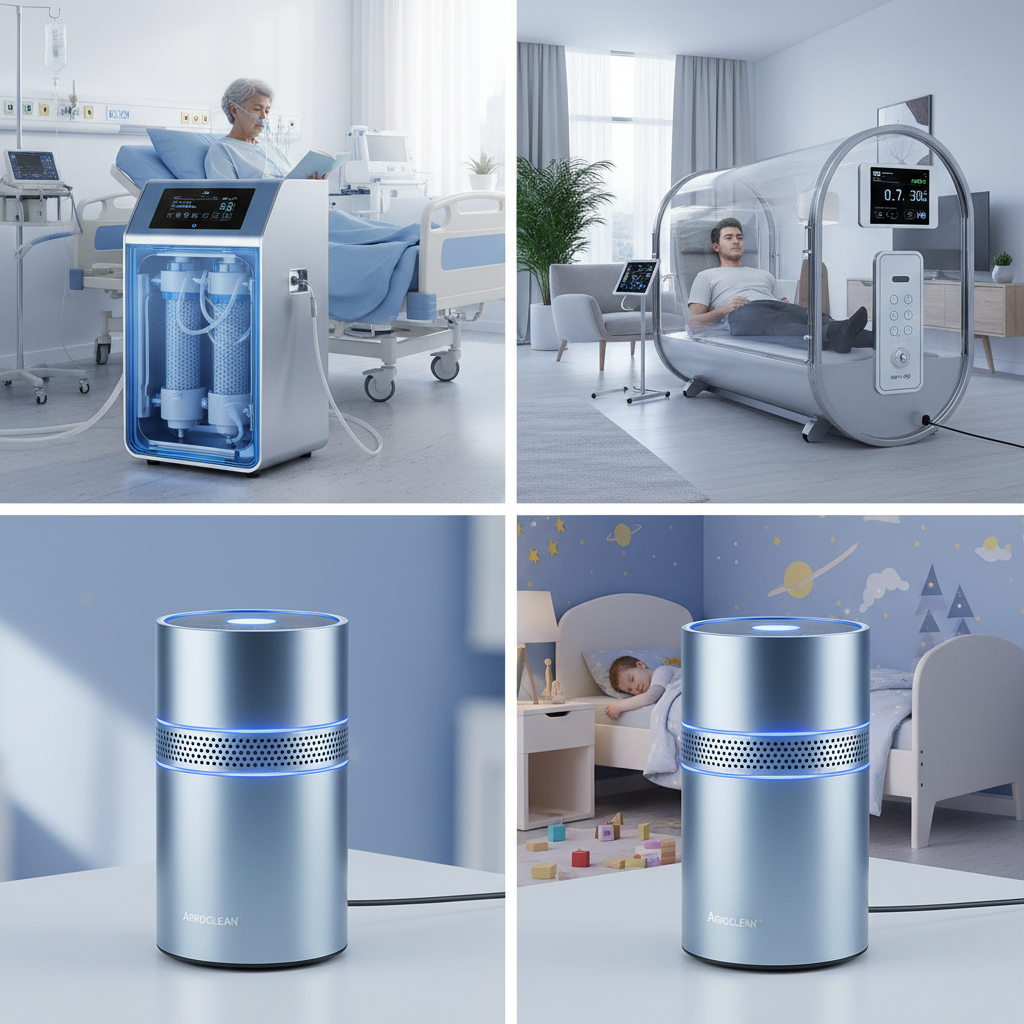
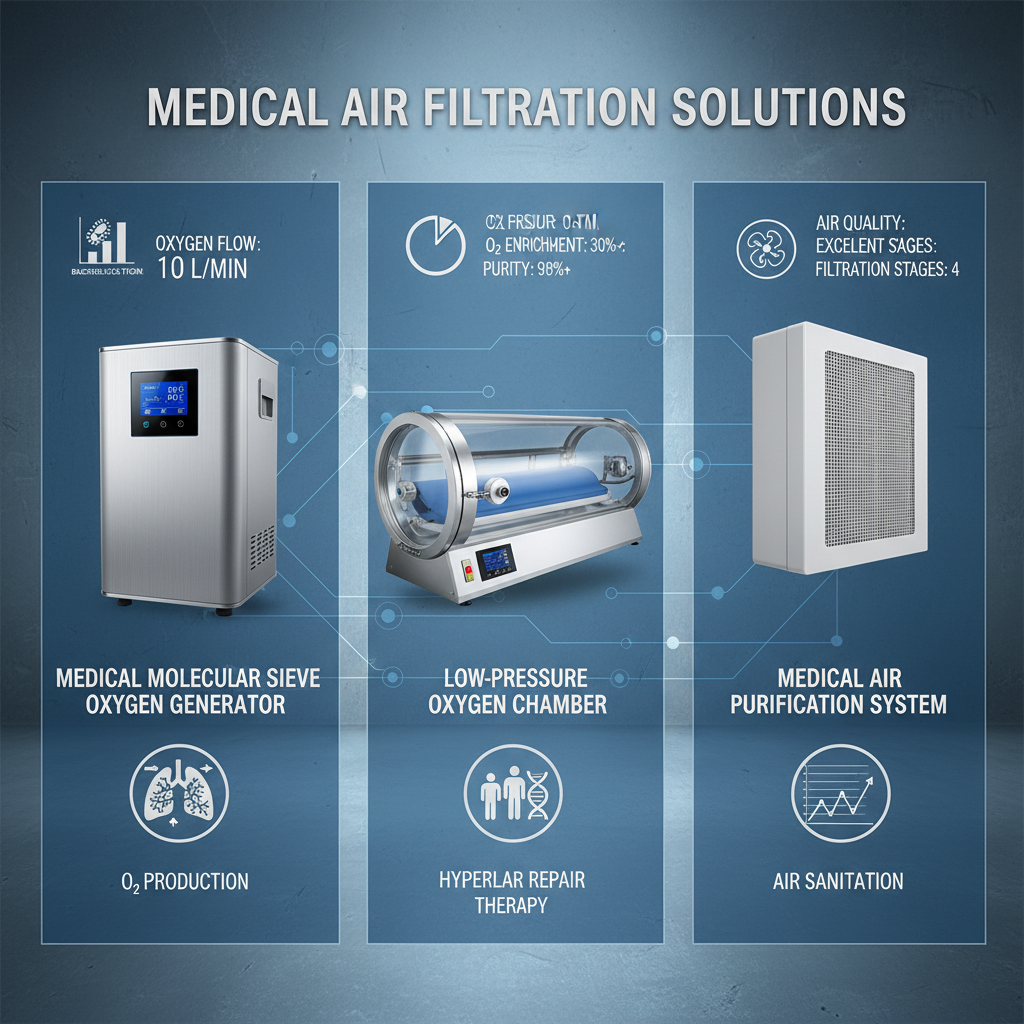
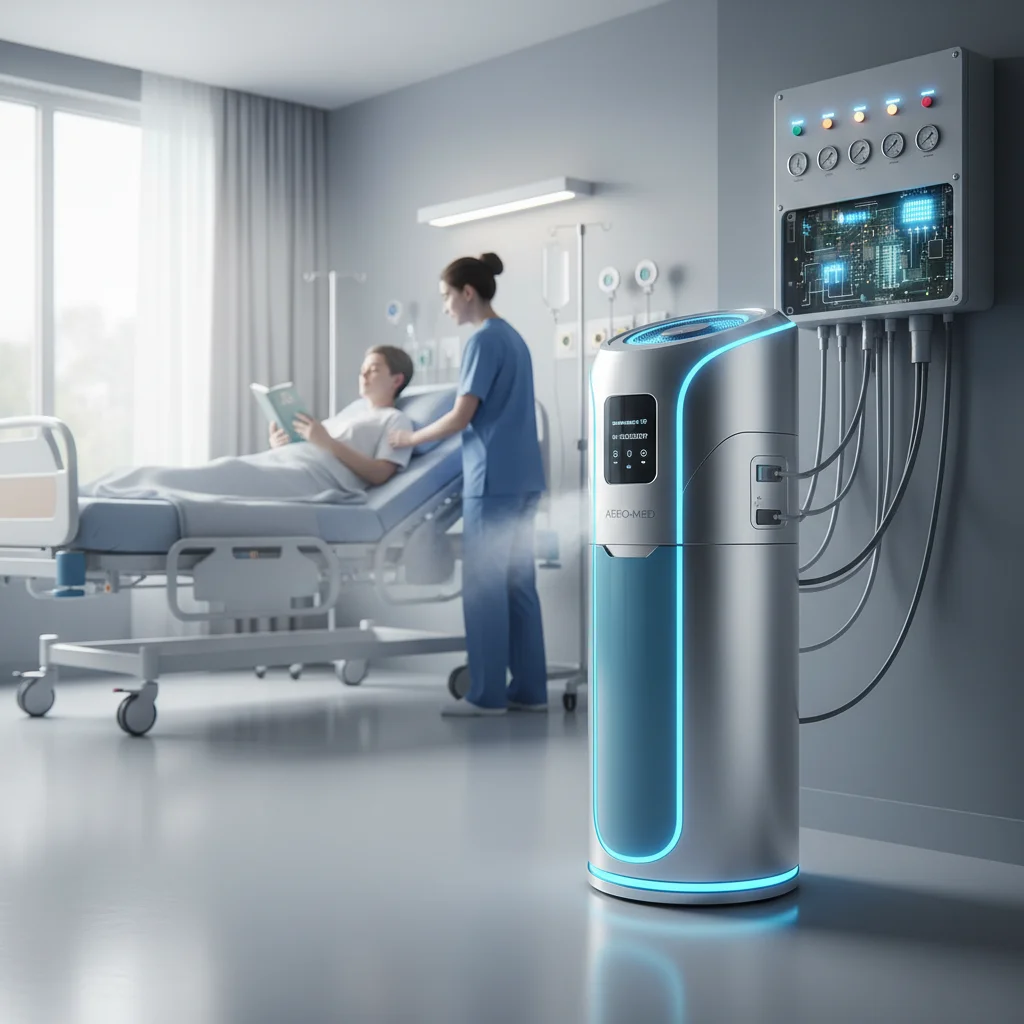
Maintaining optimal air quality within medical environments is no longer a luxury but a necessity. The presence of airborne contaminants can significantly compromise patient outcomes, increase the risk of healthcare-associated infections (HAIs), and negatively impact the efficiency of medical procedures. Effective medical air filtration plays a vital role in mitigating these risks, ensuring a safe and healing environment for patients and protecting healthcare professionals from exposure to harmful pathogens.
Beyond healthcare, specialized industries such as pharmaceutical manufacturing, semiconductor fabrication, and research laboratories rely heavily on advanced medical air filtration to maintain stringent contamination control standards. Any compromise in air quality can lead to product defects, research inaccuracies, and significant financial losses. Thus, understanding the nuances of medical air filtration is crucial for ensuring the integrity of these critical processes.
While both HEPA and ULPA filters are highly efficient, ULPA filters offer a higher level of filtration, capturing even smaller particles than HEPA filters. HEPA filters remove at least 99.97% of particles 0.3 microns in diameter, whereas ULPA filters capture 99.999% of particles of the same size. ULPA filters are typically used in highly critical environments requiring ultra-clean air, like semiconductor manufacturing.
The frequency of filter replacement depends on several factors, including the type of filter, the level of contamination, and the usage of the system. Pre-filters should be checked monthly and replaced when dirty. HEPA and ULPA filters typically have a lifespan of 6-12 months, but regular monitoring of pressure drop is crucial to determine when replacement is necessary. Consistent filter maintenance is essential for optimal performance.
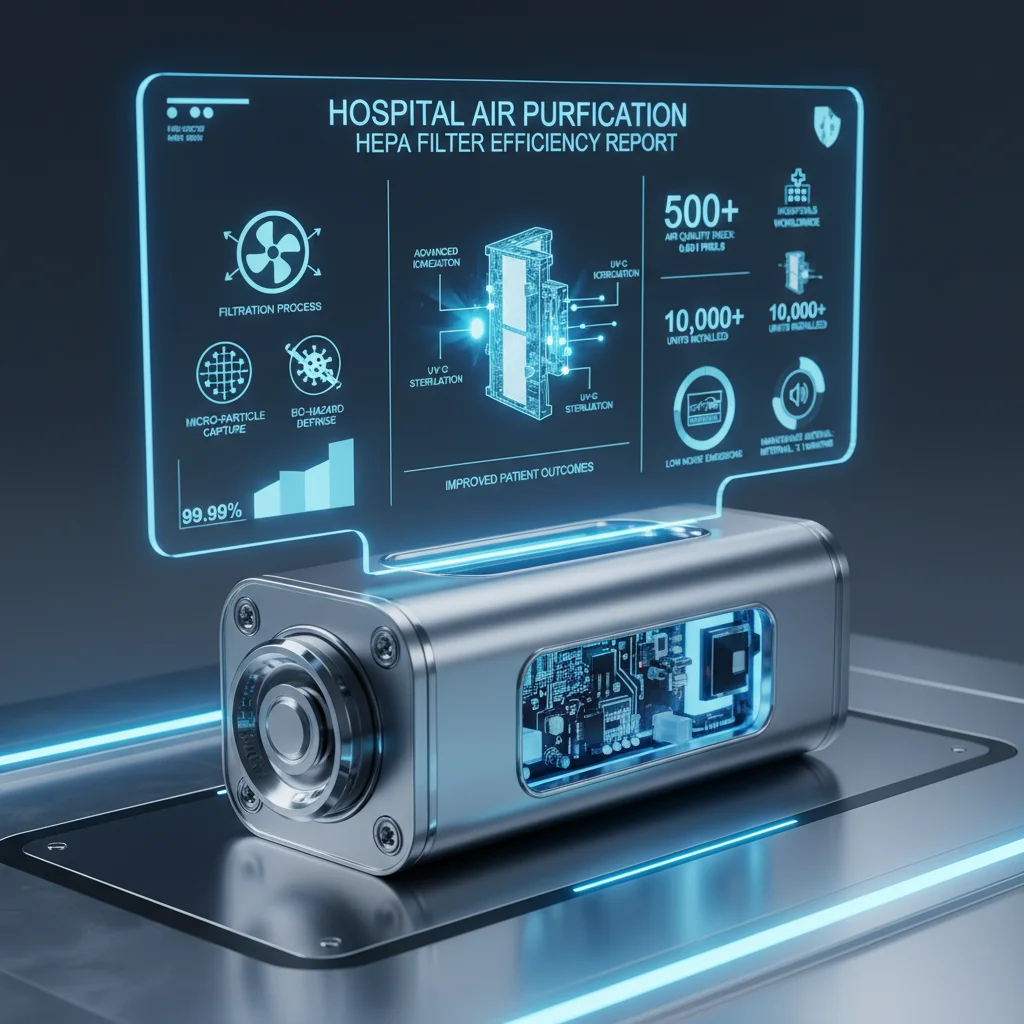
UV-C light is used for germicidal irradiation, which inactivates bacteria, viruses, and other microorganisms. It doesn't remove particles from the air but sterilizes the air as it passes through the UV-C chamber. It’s often used in conjunction with particulate filters to provide a more comprehensive air purification solution. UV-C lamps require periodic replacement to maintain their effectiveness.
Particle counters are used to measure the number of airborne particles of various sizes, providing a direct indication of filtration effectiveness. Airflow measurements can verify that the system is operating at the designed ACH (Air Changes per Hour). Regular filter inspections and pressure drop monitoring also help assess system performance. Professional air quality assessments can provide a comprehensive evaluation.
Consider the specific application, the level of contamination, the required airflow rates, and the space available. Important factors include filter efficiency, system reliability, energy consumption, and ease of maintenance. Compliance with relevant regulations and standards is also crucial. Consulting with a qualified air filtration specialist can ensure the selection of the optimal system for your needs.
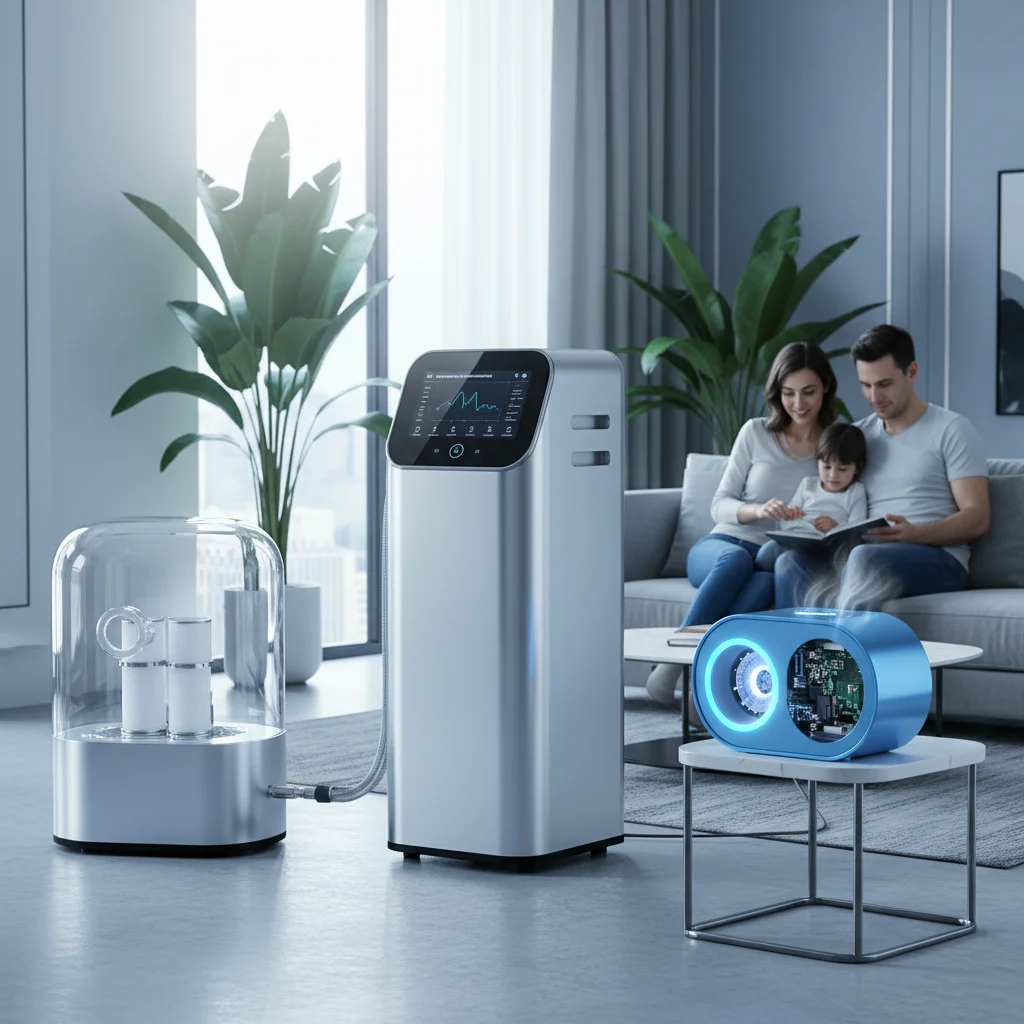
Absolutely. While the upfront cost may seem significant, the long-term benefits of improved patient safety, reduced infection rates, and enhanced reputation make medical air filtration a worthwhile investment for clinics of any size. Portable or localized air purification systems can be particularly cost-effective for smaller spaces, providing targeted air cleaning where it’s needed most. Preventing just one serious infection can justify the investment.
Medical air filtration represents a critical component of modern healthcare and a growing necessity in numerous industrial and public spaces. From safeguarding patient health to ensuring product quality and protecting vulnerable populations, the benefits of effective air purification are undeniable. Understanding the core components, performance metrics, and emerging trends in this field is paramount for making informed decisions and investing in solutions that promote a healthier and safer environment.
Looking ahead, continued innovation in materials, technology, and data analytics will further enhance the capabilities of medical air filtration systems. Prioritizing sustainability, energy efficiency, and proactive maintenance will be crucial for maximizing long-term value. By embracing these advancements, we can create a future where clean air is accessible to all, fostering a healthier and more productive world. Visit our website at www.storeoxygen.com to learn more about our medical air filtration solutions.