Reliable Hospital Air Machines Ensuring Patient Safety and Healthcare Efficiency
0%

Table of Contents

Hospital air machines are critical components in modern healthcare facilities, providing a consistent and reliable supply of medical-grade air. These systems are far more complex than simple air compressors, requiring sophisticated filtration, monitoring, and control mechanisms to ensure patient safety and operational efficiency. The demand for robust and dependable hospital air machines is consistently increasing globally due to expanding healthcare infrastructure and stricter regulatory standards.

Globally, access to reliable medical air is unevenly distributed, creating significant challenges in resource-limited settings. The World Health Organization (WHO) estimates that a substantial percentage of healthcare facilities in developing nations lack adequate medical gas infrastructure, hindering their ability to deliver essential care. Investment in hospital air machine technology is therefore pivotal for improving healthcare outcomes worldwide. Furthermore, innovative designs focused on energy efficiency and reduced maintenance are crucial for long-term sustainability.

The importance of these machines extends beyond routine patient care, proving crucial in emergency situations, surgical procedures, and respiratory therapies. A consistent supply of medical air is not just a convenience but a vital life support element, making the reliability of the hospital air machine paramount. Choosing the right system requires careful consideration of facility size, patient load, and specific clinical needs.
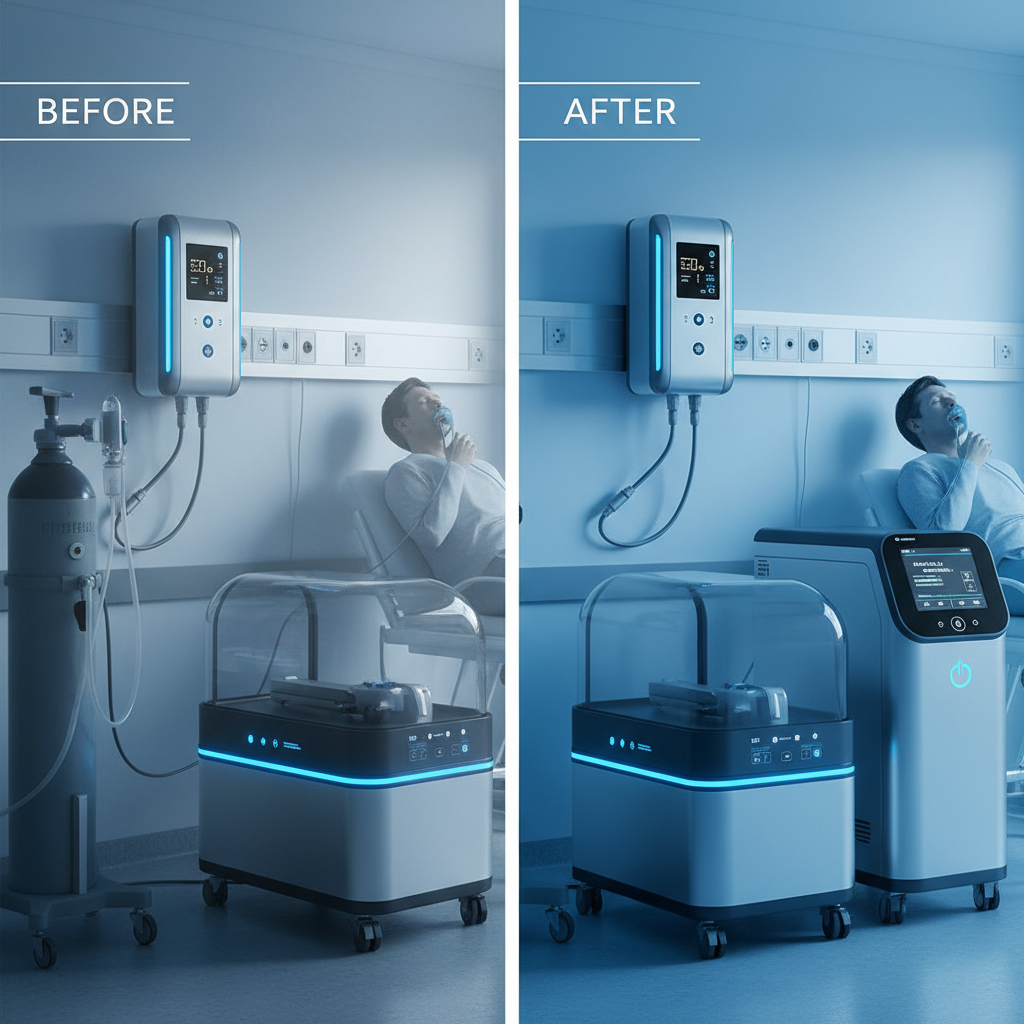
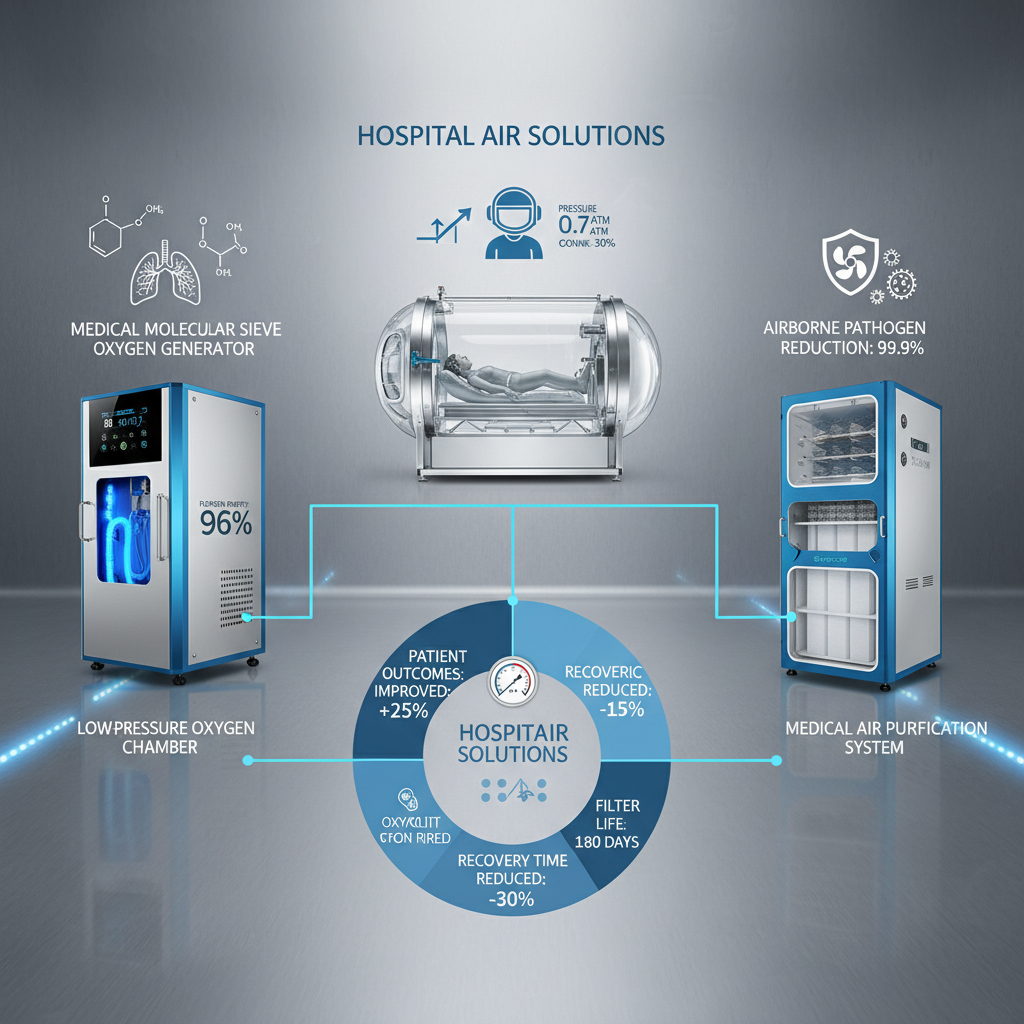
hospital air machine

Introduction to Hospital Air Machines

hospital air machine

Hospital air machines are essential to the proper functioning of any healthcare facility. They deliver compressed air specifically treated for medical use, powering a wide range of vital equipment. Without a dependable hospital air machine, many procedures and treatments would simply not be possible.

These systems aren’t just about providing air pressure; they incorporate a comprehensive series of filters, dryers, and monitoring systems to guarantee air purity and safety. The increasing demands of modern medicine, with sophisticated respiratory support and surgical tools, are driving innovation in hospital air machine design and performance.

Defining Hospital Air Machines

A hospital air machine, often referred to as a medical air compressor system, is a dedicated device designed to generate and deliver compressed, filtered, and dried air meeting stringent medical standards. It differs significantly from industrial air compressors due to the critical need for eliminating contaminants like oil, water vapor, and particulate matter.

The connection to modern industry lies in the precision engineering and reliability standards required, borrowed from aerospace and advanced manufacturing. The humanitarian need is clear: access to clean medical air is a fundamental requirement for quality healthcare, impacting countless lives, particularly during emergencies or in resource-scarce locations.

These systems are integral to maintaining a safe and effective clinical environment, and are subject to rigorous regulatory oversight to guarantee consistent performance and air quality.

Core Components and Functionality

At the heart of any hospital air machine lies the compressor itself, typically a rotary screw or reciprocating type. This generates the initial air pressure. However, this is merely the first step. Following compression, the air undergoes a multi-stage filtration process to remove particulates, followed by drying to eliminate moisture.

Critical components also include air receivers (storage tanks) to provide a stable air supply, pressure regulators to maintain consistent downstream pressure, and sophisticated monitoring systems that continuously assess air quality and system performance. Proper maintenance and regular filter replacement are crucial for ensuring continued reliable operation of the hospital air machine.

Control systems, often computerized, manage the entire process, automatically switching between compressors and alerting personnel to any malfunctions. This integrated approach guarantees a consistent and safe supply of medical air, minimizing downtime and maximizing patient safety.

Key Performance Indicators of Hospital Air Machines

Several KPIs are crucial when evaluating the performance of a hospital air machine. These include air purity (measured in terms of oil carryover, particulate count, and water content), reliability (mean time between failures or MTBF), and energy efficiency (measured in kilowatt-hours per cubic meter of air delivered).

Maintenance costs, including filter replacement and preventative servicing, are also a significant factor. A well-maintained machine will have lower long-term operational costs and a longer lifespan.

Hospital Air Machine Performance Comparison

Global Applications in Healthcare

Hospital air machines are deployed in virtually every type of healthcare facility worldwide, from small clinics to large, multi-specialty hospitals. They support a wide range of applications, including ventilators, nebulizers, surgical tools, and dental equipment.

In post-disaster relief operations, portable hospital air machine units are crucial for establishing field hospitals and providing immediate respiratory support to injured individuals. Similarly, in remote industrial zones with limited access to healthcare infrastructure, these systems provide vital medical air for on-site clinics.

Advantages and Long-Term Benefits

The advantages of investing in a high-quality hospital air machine are multifaceted. Tangible benefits include reduced operational costs due to improved energy efficiency and lower maintenance requirements. Furthermore, the reliability of these systems minimizes downtime and prevents disruptions to patient care.

Beyond the practical advantages, there’s a significant social impact. Ensuring access to clean medical air contributes to improved patient outcomes, increased patient safety, and enhanced trust in the healthcare system. The peace of mind that comes with a dependable medical air supply is invaluable.

Future Trends in Hospital Air Machine Technology

The future of hospital air machine technology is focused on several key areas. One trend is the integration of smart sensors and data analytics to optimize performance and predict maintenance needs. This proactive approach can minimize downtime and reduce costs.

Another is the development of more energy-efficient compressors and drying systems, aligning with sustainability goals. Furthermore, the use of advanced filtration materials and sterilization techniques will continue to improve air purity and safety. Remote monitoring and control via cloud-based platforms will also become increasingly prevalent.

The shift towards more modular and scalable systems will allow healthcare facilities to adapt their air supply capacity to changing needs, improving resource utilization and long-term cost-effectiveness.

FAQS

What is the typical lifespan of a hospital air machine?

With proper maintenance, a well-built hospital air machine can reliably operate for 10-15 years or even longer. Regular filter changes, oil separations, and preventative servicing are crucial for maximizing its lifespan and minimizing costly repairs. The lifespan also depends on usage frequency and the initial quality of the machine.

How often should filters be replaced in a hospital air machine?

Filter replacement frequency varies depending on the type of filter and the air quality in the environment. However, a general guideline is to replace pre-filters every 3-6 months, primary filters every 6-12 months, and activated carbon filters annually. Always follow the manufacturer's recommendations for optimal performance.

What are the key regulations governing hospital air machine operation?

Hospital air machines are subject to stringent regulations set by organizations such as the NFPA (National Fire Protection Association) and local healthcare authorities. These regulations cover air quality standards, safety requirements, and maintenance protocols. Compliance is essential for ensuring patient safety and avoiding legal issues.

What is the difference between oil-lubricated and oil-free compressors?

Oil-lubricated compressors are generally more durable and energy-efficient but require careful maintenance to prevent oil contamination of the medical air. Oil-free compressors eliminate this risk but often have higher operating costs and shorter lifespans. The choice depends on the specific needs and budget of the healthcare facility.

What safety features should I look for in a hospital air machine?

Essential safety features include automatic shutdown mechanisms in case of pressure drops or air quality issues, pressure relief valves, and redundant systems to ensure continuous air supply. Alarms and remote monitoring capabilities are also important for timely intervention in case of malfunctions.

What are the common maintenance mistakes to avoid with a hospital air machine?

Common mistakes include neglecting regular filter changes, failing to drain water from the air receiver, ignoring warning alarms, and using non-approved replacement parts. Proactive maintenance and adherence to the manufacturer’s guidelines are crucial for preventing costly breakdowns and ensuring reliable operation.

Conclusion

In conclusion, hospital air machines are indispensable assets in modern healthcare, providing a continuous supply of clean, reliable medical air critical for a multitude of life-sustaining procedures. From their core components – compressors, filters, and dryers – to their essential role in supporting patient care, these systems are paramount to a safe and effective clinical environment. Investing in a high-quality hospital air machine isn't merely a purchase; it’s an investment in patient safety, operational efficiency, and the overall quality of healthcare delivery.

Looking ahead, innovations in sensor technology, energy efficiency, and remote monitoring will further enhance the performance and reliability of these vital systems. Prioritizing preventative maintenance, adherence to regulatory standards, and careful selection of equipment are key to maximizing long-term value and ensuring that healthcare facilities are well-prepared to meet the evolving demands of modern medicine. Visit our website at www.storeoxygen.com to learn more.

James Wilson

James Wilson

James Wilson is the Quality Assurance Manager at Hebei Lixin Medical Engineering, responsible for maintaining our ISO9001, ISO13485, and other certifications. James ensures all products meet rigorous quality control standards throughout the manufacturing process. He leads a team of inspectors and technicians, implementing robust testing protocols to guarantee the reliability and safety of our medical equipment. James's dedication to continuous improvement and adherence to international regulations is vital in upholding the company’s reputation for high-quality products. He actively participates in internal and external audits.
Previous The Critical Role of Hepa Filters Used in Hospitals for Air Quality and Patient Safety
Next Advancements in Medical Air Filtration for Enhanced Health and Safety

If you are interested in our products, you can choose to leave your information here, and we will be in touch with you shortly.