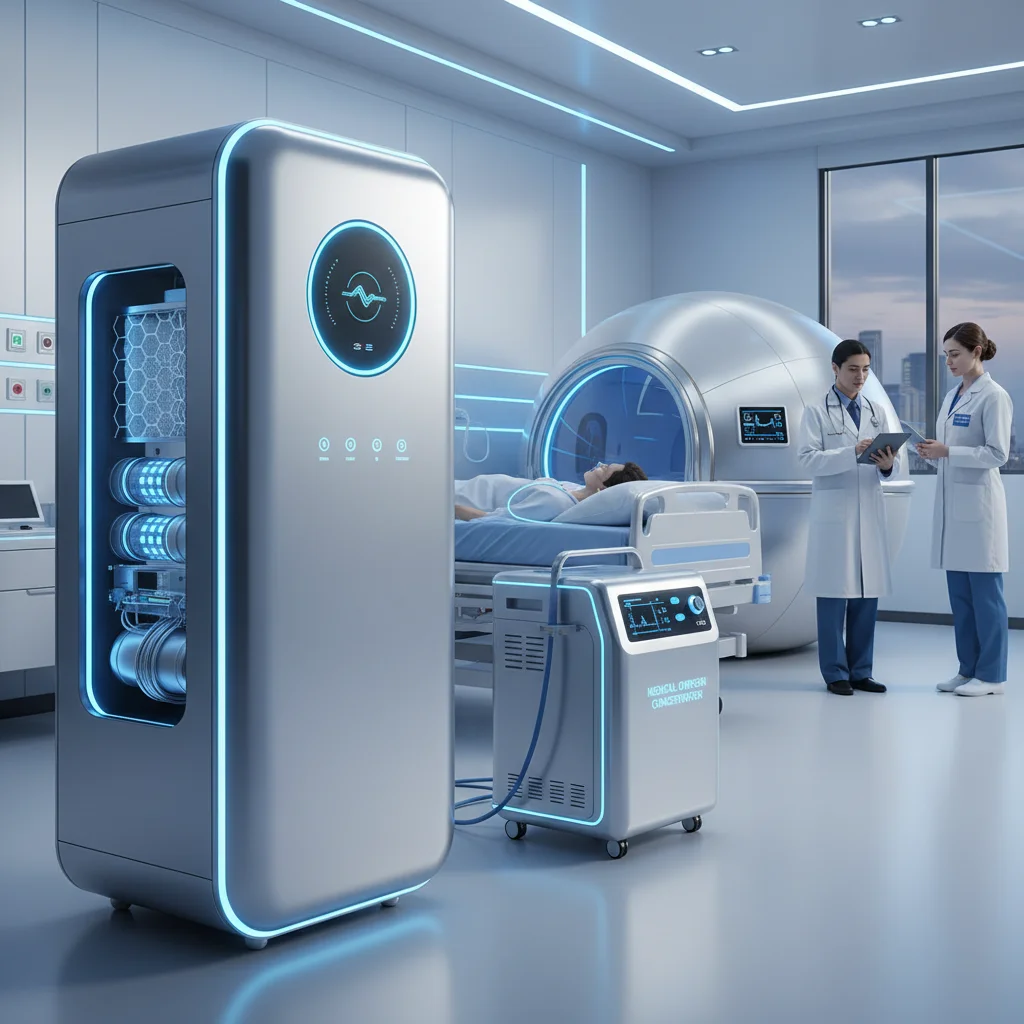
Hospital HEPA filters are crucial components in maintaining sterile environments within healthcare facilities, playing a vital role in infection control and patient safety. Globally, the demand for effective air purification systems like those utilizing hospital HEPA filters is steadily increasing due to rising concerns about airborne diseases, increasing hospital-acquired infections (HAIs), and the need for specialized environments for immunocompromised patients. The World Health Organization (WHO) estimates that HAIs affect 15% of patients worldwide, highlighting the urgent need for robust air filtration technologies.
The importance of hospital HEPA filters extends beyond traditional healthcare settings. They are now essential in laboratories handling infectious agents, pharmaceutical manufacturing facilities requiring stringent air quality control, and even operating rooms undergoing renovations. According to a report by Grand View Research, the global HEPA filter market size was valued at USD 3.7 billion in 2022 and is projected to reach USD 6.3 billion by 2030, demonstrating significant growth fueled by these diverse applications and increasing regulatory standards.
Understanding the nuances of hospital HEPA filters – their efficiency, maintenance, and appropriate application – is paramount for healthcare administrators, infection control specialists, and facility engineers. Properly implemented HEPA filtration systems contribute directly to improved patient outcomes, reduced healthcare costs associated with HAIs, and a safer working environment for healthcare personnel. Investing in and maintaining these filters is no longer a luxury but a fundamental necessity for modern healthcare.
Introduction to Hospital HEPA Filters
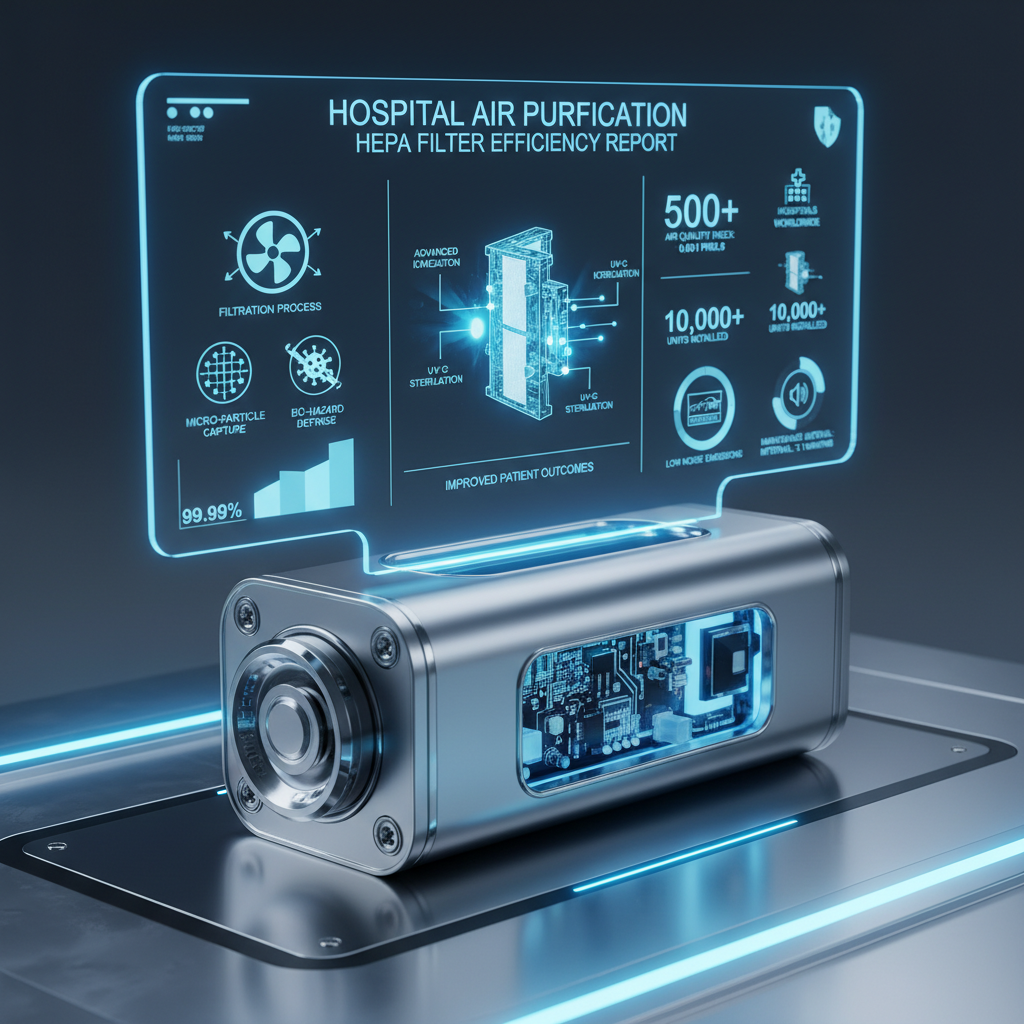
Hospital HEPA filters are designed to capture a minimum of 99.97% of particles 0.3 microns in diameter, making them incredibly effective in removing bacteria, viruses, and other airborne contaminants. This high level of filtration is essential for creating and maintaining cleanrooms, operating theaters, and isolation wards where vulnerable patients are at risk. The constant evolution of air purification technology has led to increasingly sophisticated hospital HEPA filter designs, enhancing both efficiency and longevity.
The core function of a hospital HEPA filter isn’t simply trapping particles; it’s about safeguarding health. Effective air filtration minimizes the spread of infectious diseases within healthcare facilities, protecting both patients and staff. The selection and maintenance of these filters are, therefore, integral to a comprehensive infection control strategy. Proper implementation of hospital hepa filter systems contributes significantly to improved patient outcomes and overall public health.
Defining Hospital HEPA Filters
A hospital HEPA filter, or High-Efficiency Particulate Air filter, is a type of mechanical air filter that works by forcing air through a fine mesh that traps airborne particles. Unlike conventional air filters that capture larger dust particles, HEPA filters are specifically engineered to capture microscopic contaminants, including bacteria, viruses, fungal spores, and allergens. This makes them indispensable in environments requiring extremely high air purity, such as hospitals and pharmaceutical manufacturing facilities.
The defining characteristic of a true HEPA filter is its ability to remove at least 99.97% of particles 0.3 microns in diameter. This standard is rigorously tested and certified by organizations like the IEST (Institute of Environmental Sciences and Technology). The connection to modern industry and humanitarian needs lies in the increasing demand for clean air solutions in a world facing growing concerns about air quality and infectious disease outbreaks.
HEPA filters are not simply disposable components. They are sophisticated pieces of engineering designed to protect sensitive environments and human health. Their integration into HVAC systems is crucial for creating safe and sterile spaces, contributing significantly to the wellbeing of patients, staff, and the wider community.
Key Factors of Hospital HEPA Filter Performance
Efficiency: The primary factor is the filter's ability to capture airborne particles, measured by its Minimum Efficiency Reporting Value (MERV) rating. True HEPA filters have a MERV rating of 17-20, ensuring the removal of at least 99.97% of particles 0.3 microns in size. This efficiency is critical in preventing the spread of airborne pathogens.
Airflow Resistance: HEPA filters create resistance to airflow, which can impact the overall efficiency of the HVAC system. Selecting a filter with optimal airflow resistance is crucial to maintain adequate ventilation without significantly increasing energy consumption. Regularly monitoring pressure drop across the filter helps determine when replacement is necessary.
Filter Media Quality: The material used in the HEPA filter media directly influences its performance and lifespan. Filters made from high-quality fiberglass or synthetic materials offer superior particle retention and durability. The quality of the sealant and frame is also important to prevent air leakage.
Global Applications of Hospital HEPA Filters
Hospital HEPA filters are vital in a variety of healthcare settings globally. In North America and Europe, they are standard equipment in operating rooms, intensive care units, and isolation wards. Stringent regulations, such as those enforced by ASHRAE (American Society of Heating, Refrigerating and Air-Conditioning Engineers), mandate the use of HEPA filtration in these critical areas.
In emerging economies, particularly in regions with high levels of air pollution or limited access to healthcare resources, the deployment of hospital HEPA filters is increasingly important. Organizations like the World Bank are supporting initiatives to improve air quality in hospitals and healthcare facilities in developing countries. In post-disaster relief operations, portable HEPA filtration units are often deployed to create safe havens for medical personnel and patients.
Pharmaceutical manufacturing facilities worldwide rely on hospital HEPA filters to maintain sterile environments during the production of vaccines, medications, and other sensitive products. Similarly, research laboratories handling infectious agents utilize HEPA filtration to prevent the release of hazardous airborne contaminants. This global reliance demonstrates the universal need for effective air purification technologies.
Hospital HEPA Filter Performance Metrics
Advantages and Long-Term Value
Investing in high-quality hospital HEPA filters delivers significant long-term value. The primary benefit is improved patient safety, reducing the risk of HAIs and promoting faster recovery times. This translates to lower healthcare costs associated with treating infections and a reduced burden on healthcare systems. Furthermore, a clean air environment fosters a safer and more productive work environment for healthcare professionals.
From a sustainability perspective, properly maintained HEPA filters can contribute to energy efficiency by reducing the strain on HVAC systems. Emotionally, knowing that a facility is actively protecting patients and staff from airborne contaminants fosters trust and confidence. The reliability and consistent performance of hospital HEPA filters provide peace of mind for healthcare administrators and ensure compliance with regulatory standards.
Future Trends in Hospital HEPA Filter Technology
The future of hospital HEPA filter technology is focused on innovation in materials and design. Researchers are exploring the use of nanomaterials and advanced polymers to create filters with even higher efficiency and lower airflow resistance. Smart HEPA filters equipped with sensors and data analytics capabilities are emerging, allowing for real-time monitoring of filter performance and predictive maintenance.
The integration of digital technologies, such as IoT (Internet of Things), will enable remote monitoring and control of HEPA filtration systems, optimizing energy consumption and ensuring consistent air quality. Sustainability is also a driving force, with increasing demand for filters made from eco-friendly materials and designed for easier recycling. hospital hepa filter manufacturers are focusing on reducing their carbon footprint and developing more sustainable products.
Challenges and Solutions in Hospital HEPA Filter Implementation
One of the main challenges in hospital HEPA filter implementation is ensuring proper installation and maintenance. Incorrect installation can lead to air leakage, compromising the filter's effectiveness. Regular filter changes are crucial, but often overlooked due to budgetary constraints or lack of awareness. Another challenge is the disposal of used filters, which may contain hazardous contaminants.
Solutions include developing standardized installation procedures and providing comprehensive training for facility personnel. Implementing a robust filter replacement schedule based on pressure drop monitoring and usage patterns can optimize performance and minimize downtime. Exploring innovative filter recycling programs and partnering with specialized waste management companies can address the disposal challenge.
Furthermore, adopting a proactive approach to air quality management, including regular air quality testing and risk assessments, can help identify potential issues and ensure the long-term effectiveness of hospital HEPA filter systems.
Summary of Key Implementation Considerations for Hospital HEPA Filters
| Installation Quality |
Maintenance Frequency |
Filter Disposal Protocol |
Monitoring & Assessment |
| Ensuring airtight seals and correct filter seating. |
Regular changes based on pressure drop readings. |
Compliance with hazardous waste regulations. |
Periodic air quality testing and filter performance checks. |
| Professional installation verification. |
Scheduled preventative maintenance programs. |
Partnering with certified waste disposal services. |
Data logging of filter performance metrics. |
| Adherence to manufacturer's guidelines. |
Automated filter change reminders. |
Documentation of disposal procedures. |
Regular review of air quality reports. |
| Detailed installation records. |
Filter replacement tracking. |
Sustainable disposal options. |
Identifying potential air contamination sources. |
| Qualified installer certifications. |
Stocking spare filters. |
Recycling initiatives. |
Analyzing trends in air quality data. |
| Visual inspection post-installation. |
Filter performance history. |
Compliance auditing. |
Proactive adjustments to filtration systems. |
FAQS
The lifespan of a hospital HEPA filter varies depending on factors like air quality, usage intensity, and filter grade. However, a general guideline is to replace filters every 6-12 months, or when the pressure drop across the filter reaches a predetermined level (typically indicated by a pressure gauge). Regularly monitoring pressure drop is crucial, as this is the most reliable indicator of filter loading and efficiency. Ignoring this can lead to reduced airflow and compromised air quality.
Hospital HEPA filters should be visually inspected at least monthly for any signs of damage, such as tears, holes, or leaks. The filter housing should also be checked for proper sealing. Beyond visual inspection, regular pressure drop measurements should be taken weekly or bi-weekly to monitor filter loading. Any significant increase in pressure drop indicates the filter needs to be replaced or investigated. Maintaining a log of inspections and measurements is recommended.
Both HEPA (High-Efficiency Particulate Air) and ULPA (Ultra-Low Penetration Air) filters are designed to remove airborne particles, but ULPA filters offer a higher level of efficiency. HEPA filters capture at least 99.97% of particles 0.3 microns in diameter, while ULPA filters capture at least 99.999% of particles of the same size. ULPA filters are typically used in applications requiring extremely clean air, such as semiconductor manufacturing and certain pharmaceutical processes.
Yes, the use of hospital HEPA filters is governed by several regulations and standards, including those set by ASHRAE (American Society of Heating, Refrigerating and Air-Conditioning Engineers) and organizations like the CDC (Centers for Disease Control and Prevention). These regulations specify requirements for air filtration in healthcare facilities, particularly in critical areas like operating rooms and isolation wards. Compliance with these standards is essential for ensuring patient safety and maintaining accreditation.
Hospital HEPA filters should be stored in a clean, dry, and well-ventilated area, protected from dust, moisture, and physical damage. The filters should remain in their original packaging until ready for use. Avoid stacking filters directly on top of each other, as this can damage the filter media. Proper storage helps maintain the filter's integrity and ensures optimal performance when installed.
Generally, hospital HEPA filters are not designed to be cleaned and reused. Attempting to clean a HEPA filter can damage the delicate filter media and compromise its efficiency. The cost of cleaning and validating the filter's performance often exceeds the cost of replacing it. It’s best practice to replace HEPA filters according to the manufacturer’s recommendations and based on regular pressure drop monitoring.
Conclusion
In conclusion, hospital HEPA filters are indispensable components of modern healthcare infrastructure, playing a critical role in protecting patients, staff, and the public from airborne contaminants. Their high efficiency, coupled with proper implementation and maintenance, significantly reduces the risk of HAIs, promotes faster recovery times, and contributes to a safer healthcare environment. Understanding the key factors influencing filter performance, global applications, and future trends is crucial for healthcare professionals and facility managers.
Looking ahead, continued innovation in HEPA filter technology, driven by advancements in materials science and digital integration, will further enhance air quality control and sustainability. Investing in high-quality hospital HEPA filters is not merely an expense but a proactive measure that safeguards public health, fosters trust in healthcare systems, and ultimately improves patient outcomes. For reliable and effective air filtration solutions, visit our website: www.storeoxygen.com.