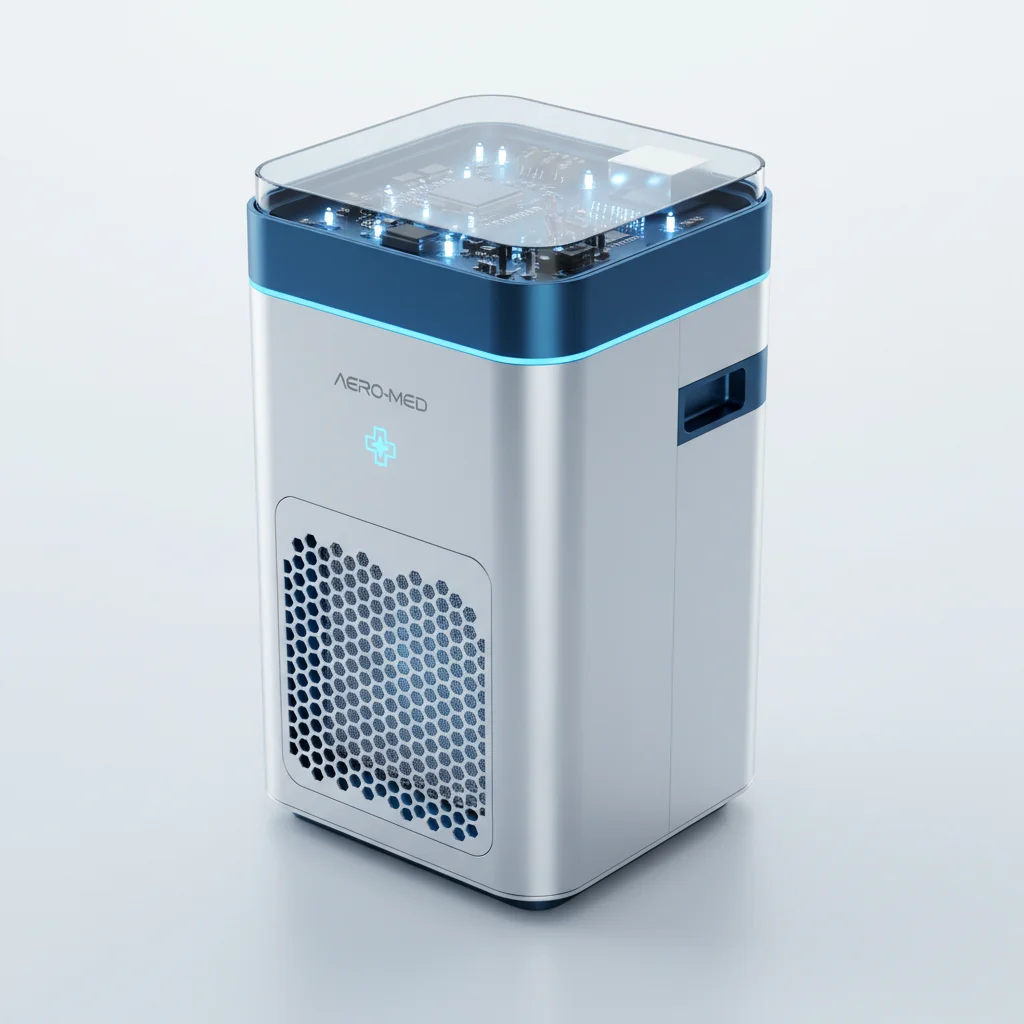
Hospital air filters are critical components in maintaining sterile environments within healthcare facilities. Their primary function is to remove airborne contaminants, including bacteria, viruses, dust particles, and volatile organic compounds (VOCs), thereby protecting patients, medical staff, and visitors. The effectiveness of a hospital air filter directly impacts infection control, patient recovery rates, and overall hospital safety. As healthcare-associated infections remain a significant global concern, the demand for advanced and reliable air filtration systems continues to grow.
The global healthcare industry is increasingly focused on preventative measures to reduce the spread of infectious diseases. This shift is driven by factors such as an aging population, the rise of antibiotic-resistant bacteria, and heightened awareness of airborne pathogens. Investing in high-efficiency hospital air filtration is no longer considered a luxury but a necessity. Furthermore, stringent regulatory standards and accreditation requirements are pushing hospitals to adopt best practices in air quality management.
Understanding the nuances of hospital air filtration – from filter types and efficiency ratings to maintenance schedules and system design – is crucial for healthcare administrators, facility managers, and infection control professionals. Choosing the right hospital air filter contributes directly to improved patient outcomes and a safer healthcare environment.
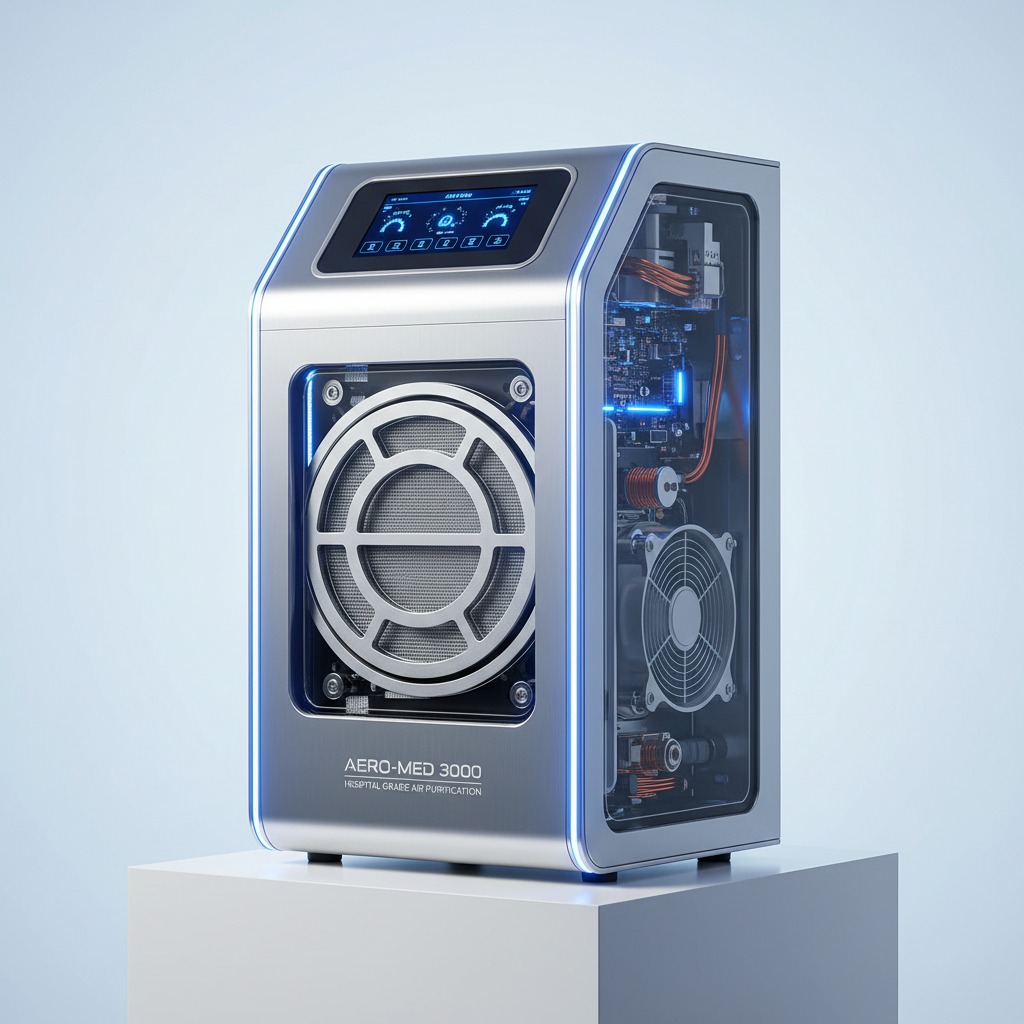
Introduction to Hospital Air Filters
Hospital air filters aren't merely about removing dust; they are a fundamental layer of defense against airborne pathogens, playing a vital role in preventing healthcare-associated infections (HAIs). These infections pose a significant threat to patient safety and contribute substantially to healthcare costs globally. A robust hospital air filter system directly addresses this challenge, protecting vulnerable patients and reducing the burden on healthcare resources.
The selection and implementation of an effective air filtration strategy require careful consideration of factors such as filter efficiency, airflow rates, and the specific needs of different hospital areas, including operating rooms, intensive care units, and isolation wards. Advanced filtration technologies, such as HEPA filters, are designed to capture even the smallest particles, ensuring a consistently clean and safe environment.
Defining Hospital Air Filtration
Hospital air filtration refers to the process of removing airborne contaminants from the air within healthcare facilities. This is achieved through the use of specialized filters designed to capture particles of varying sizes, including dust, pollen, mold spores, bacteria, viruses, and volatile organic compounds (VOCs). The goal is to maintain a consistently clean and sterile air supply, minimizing the risk of infection and improving patient outcomes.
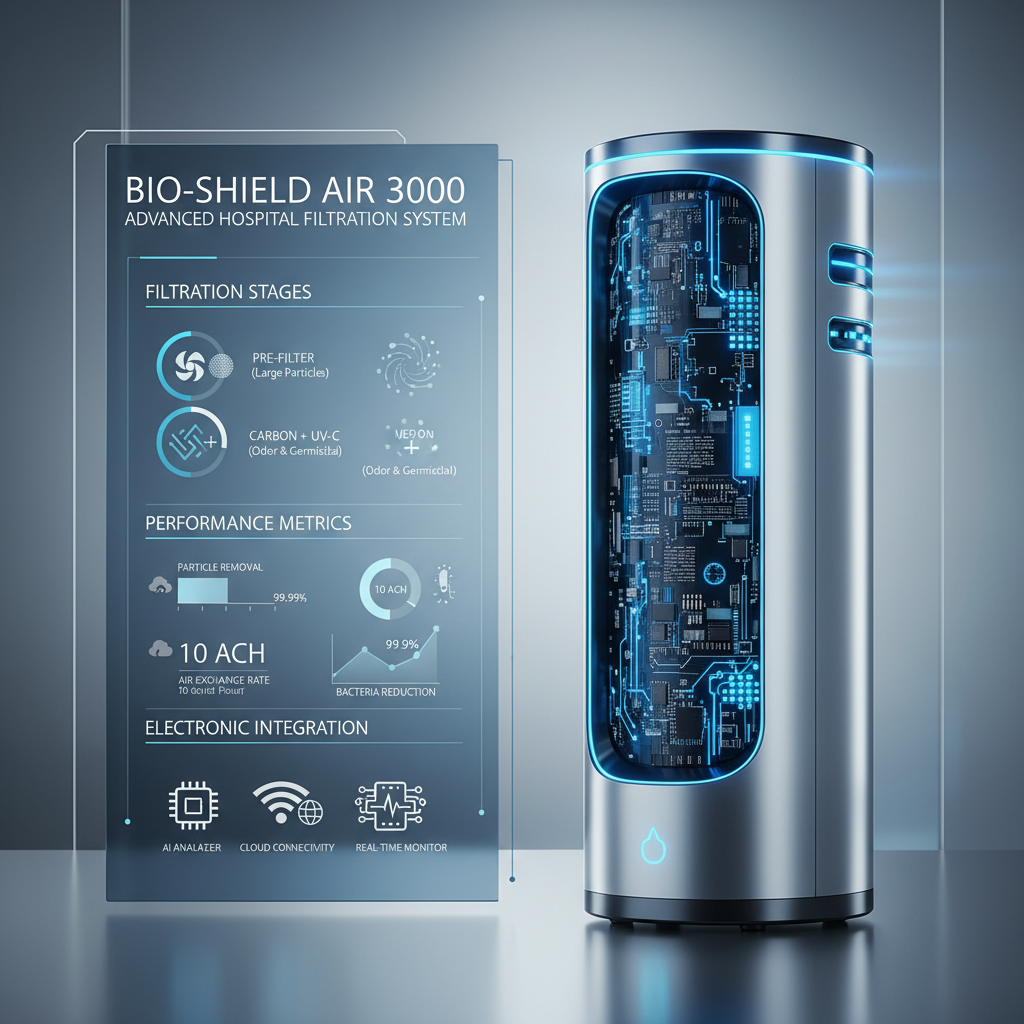
Modern hospital air filtration systems are increasingly integrated with ventilation systems, creating a comprehensive approach to air quality management. These systems often include pre-filters to remove larger particles, followed by higher-efficiency filters like HEPA (High-Efficiency Particulate Air) filters, which are capable of capturing 99.97% of particles 0.3 microns in size.
This is intrinsically connected to modern infection control protocols and is often mandated by regulatory bodies such as the CDC and WHO. Effective air filtration is no longer an optional add-on but an integral part of a comprehensive healthcare safety plan, vital for maintaining patient trust and ensuring the delivery of quality care.
Key Components of Effective Hospital Air Filters
Several core components determine the effectiveness of a hospital air filter. Firstly, the Minimum Efficiency Reporting Value (MERV) rating is crucial. This rating indicates a filter’s ability to capture particles of different sizes, with higher MERV ratings signifying greater efficiency. For hospitals, MERV 13 or higher filters are generally recommended.
Secondly, the filter’s construction material plays a significant role. HEPA filters, constructed from tightly woven glass fibers, are exceptionally effective at capturing microscopic particles. Another component is airflow resistance; higher efficiency filters often have greater resistance, potentially reducing airflow rates. Balancing filtration efficiency with acceptable airflow is critical for optimal system performance.
Lastly, proper sealing and installation are paramount. Even the most efficient filter will be ineffective if it's not properly sealed within the air handling unit, allowing air to bypass the filter media. Regular maintenance, including filter replacement, is also essential to maintain peak performance and prevent system contamination.
Global Applications of Hospital Air Filters
Hospital air filters are universally applied across all healthcare settings globally. From large metropolitan hospitals in developed nations to smaller clinics in resource-limited countries, the need for effective air filtration remains consistent. In developed countries, air filters are integral to sophisticated HVAC systems, often incorporating advanced monitoring and control technologies.
In developing regions, the focus is often on providing basic, yet effective, air filtration to combat the spread of airborne diseases like tuberculosis and influenza. Organizations like the World Health Organization (WHO) actively promote the use of air filtration in healthcare facilities in these regions, providing guidelines and support for implementation.
Specific applications include operating rooms requiring ultra-clean air to minimize surgical site infections, intensive care units protecting immunocompromised patients, and isolation wards containing patients with highly contagious diseases. Emergency departments also benefit from improved air filtration to mitigate the spread of pathogens during peak patient volume.
Hospital Air Filter Performance by Method
Advantages and Long-Term Value
Investing in high-quality hospital air filters delivers tangible benefits, starting with a demonstrable reduction in healthcare-associated infections (HAIs). Lower HAI rates translate to decreased patient morbidity and mortality, shorter hospital stays, and reduced treatment costs. This cost-efficiency is a significant long-term advantage for healthcare facilities.
Beyond the economic benefits, effective air filtration contributes to a safer and more comfortable environment for patients and staff. This fosters trust and improves patient satisfaction, enhancing the reputation of the healthcare provider. Moreover, adopting sustainable filtration solutions can minimize environmental impact, aligning with corporate social responsibility goals.
Future Trends in Hospital Air Filtration
The future of hospital air filtration is poised for innovation, with several emerging trends shaping the landscape. One key development is the integration of smart sensors and data analytics into air filtration systems, enabling real-time monitoring of air quality and predictive maintenance. This proactive approach minimizes downtime and optimizes filter performance.
Another trend is the development of advanced filter materials, such as those incorporating antimicrobial coatings or enhanced electrostatic properties, to improve capture efficiency and inhibit microbial growth. Furthermore, increasing emphasis on energy efficiency is driving the development of low-pressure-drop filters that minimize energy consumption without compromising air quality.
Challenges and Solutions in Implementing Hospital Air Filters
Despite the clear benefits, implementing and maintaining effective hospital air filtration systems can present challenges. One common hurdle is the high upfront cost of advanced filtration technologies and the ongoing expense of filter replacements. This can be particularly challenging for smaller healthcare facilities with limited budgets.
Another challenge is ensuring proper installation and maintenance. Incorrect installation can compromise filter efficiency, while neglecting regular filter replacement can lead to reduced performance and increased risk of infection. Solutions include exploring cost-effective financing options, implementing robust maintenance schedules, and providing comprehensive training for facility staff.
Furthermore, optimizing air filtration systems for specific hospital areas and patient populations requires careful consideration of airflow dynamics, infection control protocols, and individual patient needs. Consulting with air filtration experts and adhering to industry best practices are essential for overcoming these challenges.
Summary of Hospital Air Filter Implementation Challenges and Solutions
| Challenge |
Impact on Hospital |
Solution |
Implementation Cost (Scale 1-10) |
| High Initial Investment |
Strain on budget, potential delay in implementation. |
Explore leasing options, phased implementation. |
7 |
| Filter Replacement Costs |
Ongoing operational expense. |
Negotiate bulk purchasing discounts, optimize replacement schedules. |
5 |
| Incorrect Installation |
Reduced filtration efficiency, compromised air quality. |
Professional installation, thorough quality checks. |
6 |
| Lack of Maintenance |
Decreased filter performance, increased risk of infection. |
Scheduled maintenance program, staff training. |
4 |
| System Compatibility |
Filters not fitting existing HVAC systems. |
Careful system assessment, choose compatible filters. |
5 |
| Airflow Imbalance |
Inefficient air distribution, pockets of contamination. |
Airflow modeling, balanced ventilation system design. |
8 |
FAQS
For hospitals, a MERV rating of 13 or higher is generally recommended to effectively capture airborne particles, including bacteria and viruses. Lower MERV ratings may not provide sufficient filtration for healthcare environments where infection control is paramount. HEPA filters, with a MERV rating of 17-20, are often used in critical areas like operating rooms and isolation wards, offering the highest level of filtration.
The frequency of air filter replacement depends on several factors, including the filter type, the level of contamination in the environment, and the manufacturer's recommendations. However, a general guideline is to replace filters every 3-6 months. Regular inspection and monitoring of filter pressure drop can help determine the optimal replacement schedule, ensuring peak performance and preventing system strain.
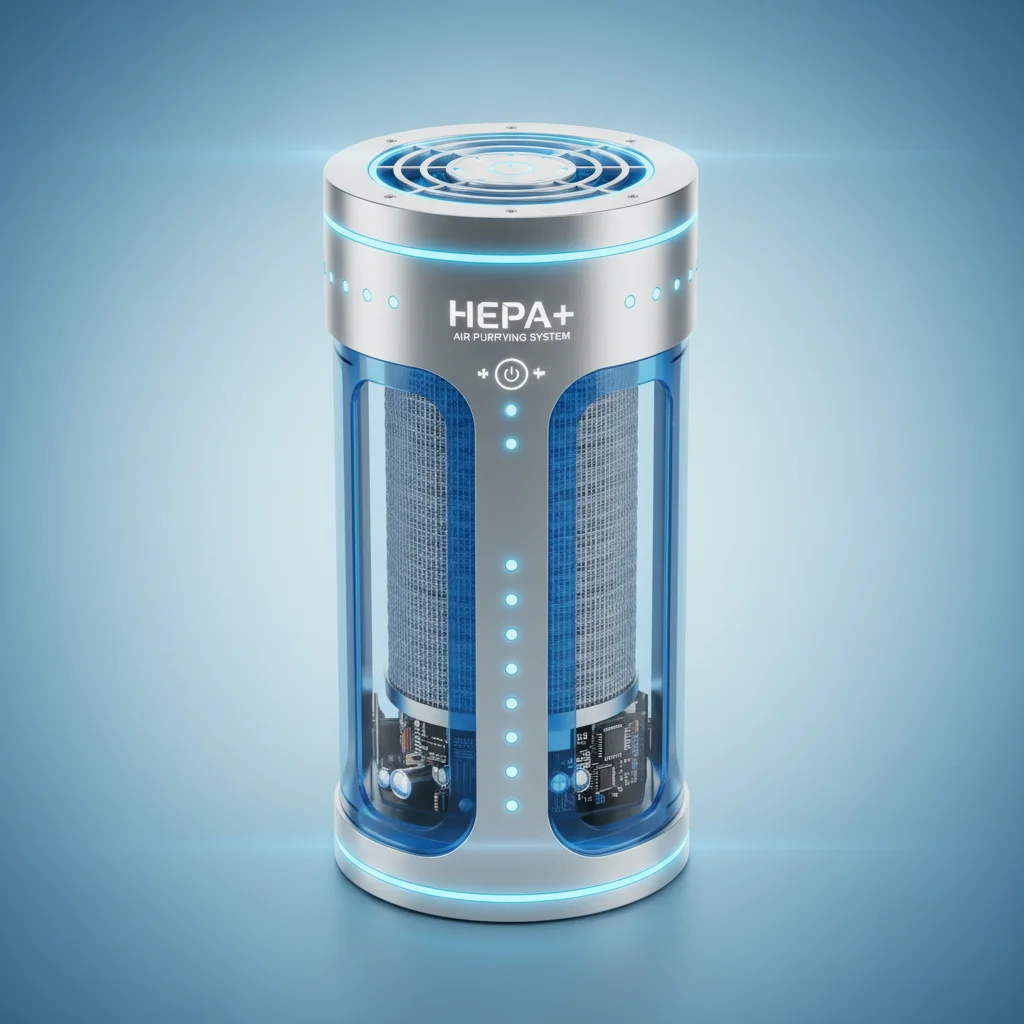
HEPA (High-Efficiency Particulate Air) filters are mechanical filters that remove at least 99.97% of airborne particles 0.3 microns in diameter. They are crucial in hospitals because they capture microscopic pathogens like bacteria and viruses, minimizing the risk of healthcare-associated infections. HEPA filters are commonly used in operating rooms, intensive care units, and other sensitive areas where maintaining a sterile environment is essential.
Airflow is a critical factor influencing the effectiveness of a hospital air filter. Insufficient airflow can reduce the filter's ability to capture particles, while excessive airflow can lead to increased pressure drop and reduced filter lifespan. Proper system design and balancing are essential to ensure optimal airflow rates through the filter, maximizing its performance and minimizing energy consumption.
Pre-filters are designed to capture larger particles, such as dust, pollen, and lint, before they reach the more expensive and efficient filters like HEPA filters. By removing these larger particles, pre-filters extend the lifespan of the primary filters and reduce the overall maintenance costs of the air filtration system. They also protect the more sensitive filters from damage and clogging.
Yes, increasingly, sustainable options are available. These include filters made from recycled materials, biodegradable filter media, and filters designed for lower energy consumption. Choosing sustainable hospital air filter options not only reduces environmental impact but can also contribute to a healthcare facility's overall sustainability goals and enhance its public image.
Conclusion
Hospital air filters are indispensable components of a safe and effective healthcare environment. From protecting patients and staff from airborne pathogens to minimizing healthcare-associated infections and improving overall air quality, the benefits are clear and far-reaching. Investing in high-quality filtration systems, coupled with regular maintenance and adherence to best practices, is a critical step towards creating a healthier and more resilient healthcare system.
Looking ahead, advancements in filtration technology, driven by data analytics and sustainable materials, promise even greater efficiency and cost-effectiveness. Proactive implementation of these innovations, combined with a commitment to continuous improvement, will ensure that hospitals remain at the forefront of infection control and patient safety. For more information and to explore our range of hospital air filter solutions, visit our website today.