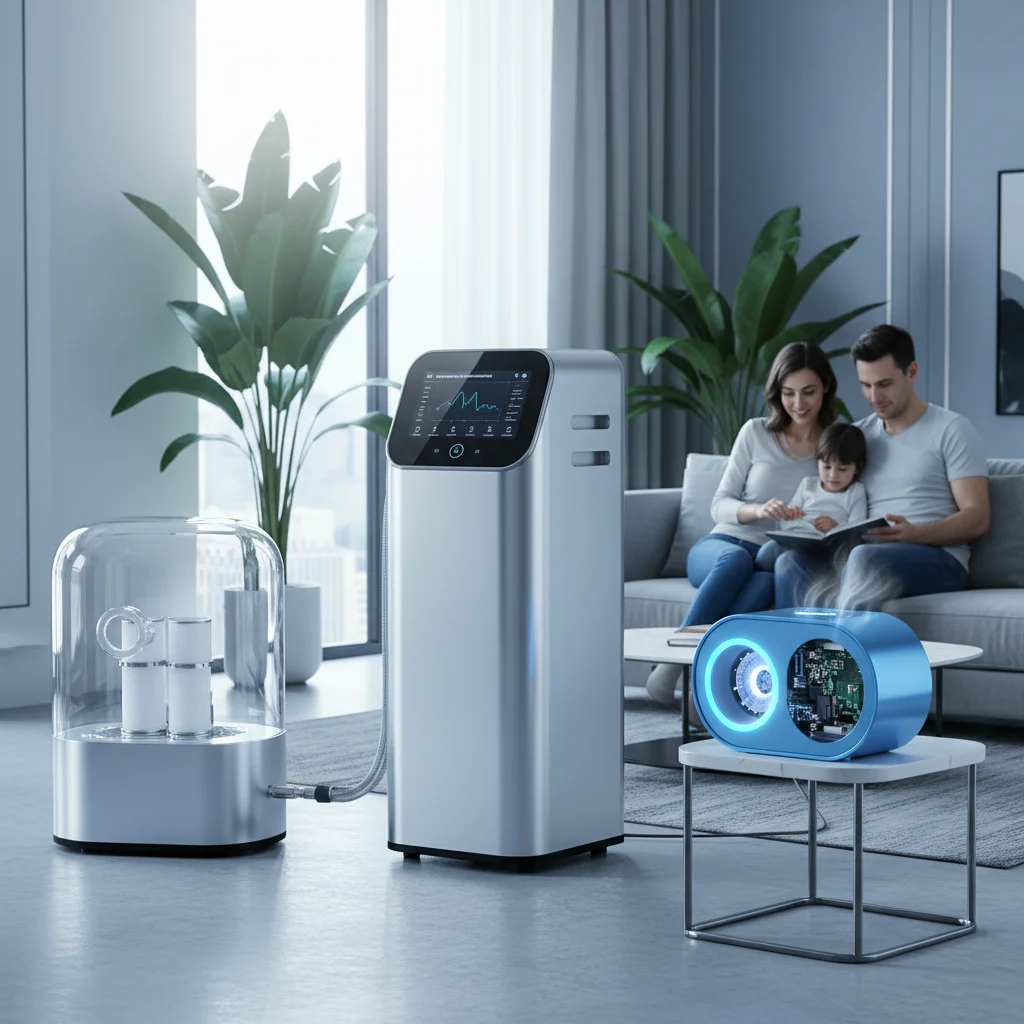
Medical air cleaners are increasingly vital in maintaining safe and healthy environments, especially in healthcare facilities, laboratories, and industrial settings. The rising concern over airborne pathogens, pollutants, and particulate matter has driven demand for effective air purification solutions. A medical air cleaner offers a sophisticated approach to removing contaminants, protecting individuals and ensuring operational efficiency. Understanding the nuances of these systems is crucial for professionals and organizations seeking to mitigate air quality risks and uphold stringent safety standards.
Globally, air quality is a growing public health concern, with the World Health Organization (WHO) estimating that 99% of the global population breathes air exceeding WHO guideline limits for pollutants. This impacts healthcare systems, productivity, and overall quality of life. Medical air cleaners play a direct role in addressing these challenges by providing localized air purification, reducing infection rates in hospitals, and safeguarding sensitive processes in manufacturing and research.
The need for advanced air purification technology extends beyond immediate health concerns. Industries requiring sterile environments, such as pharmaceuticals and microelectronics, rely on medical air cleaners to prevent contamination and maintain product integrity. As awareness of indoor air quality and its impact on well-being increases, the demand for reliable and effective medical air cleaner solutions is expected to continue its upward trajectory.
Introduction to Medical Air Cleaners
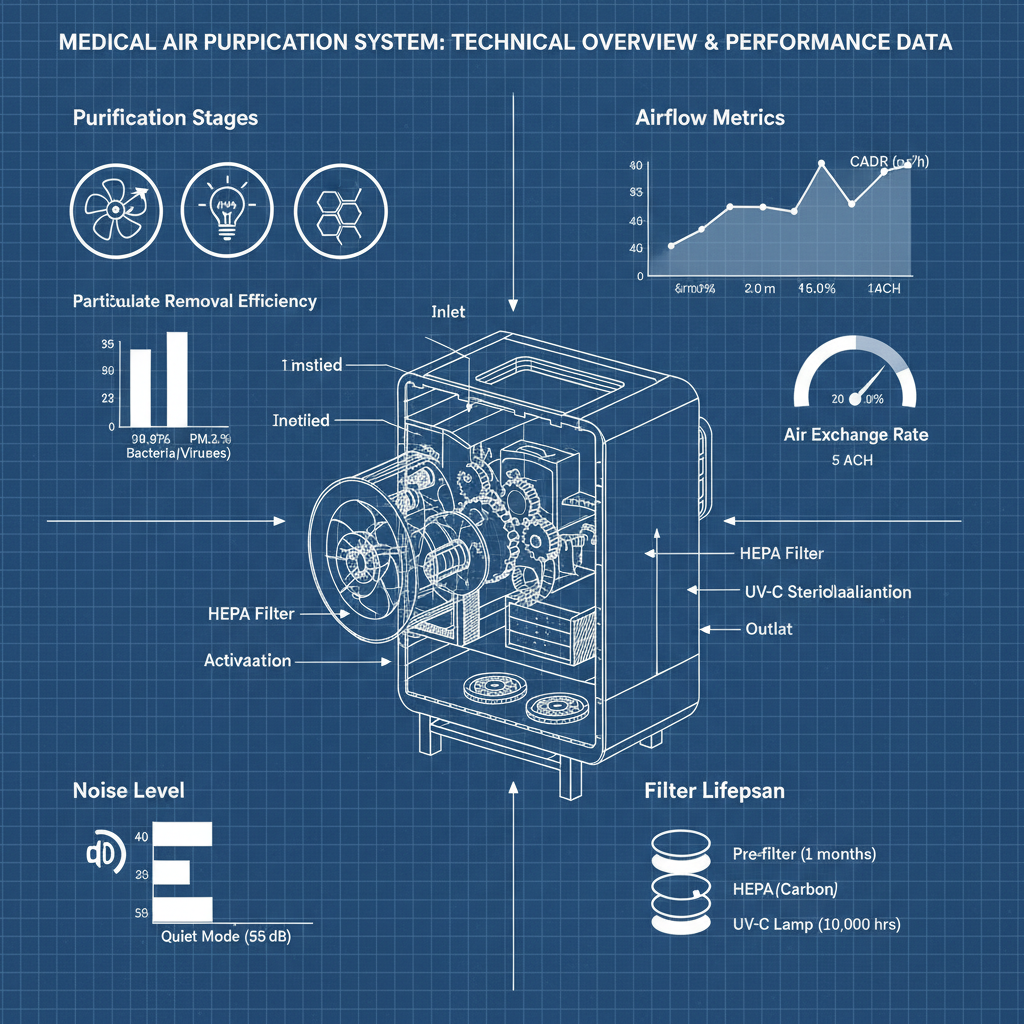
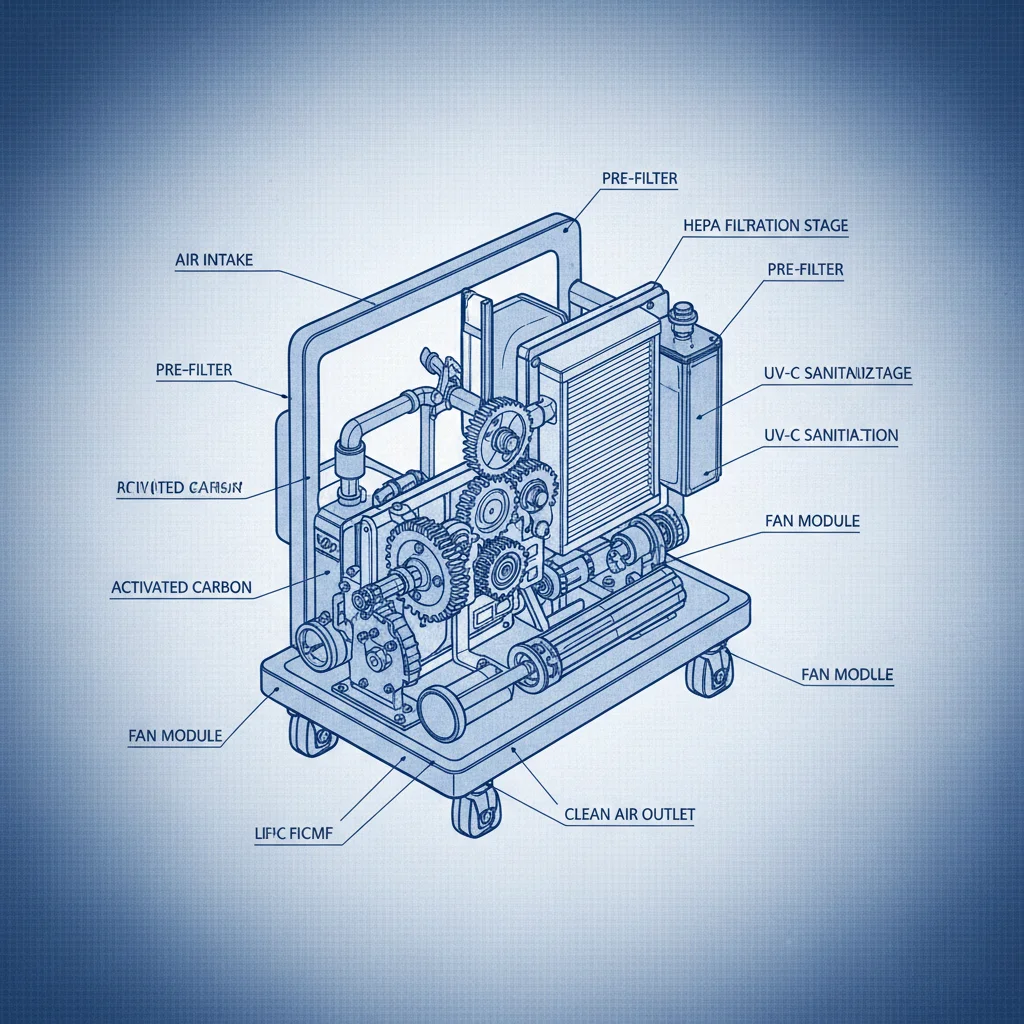
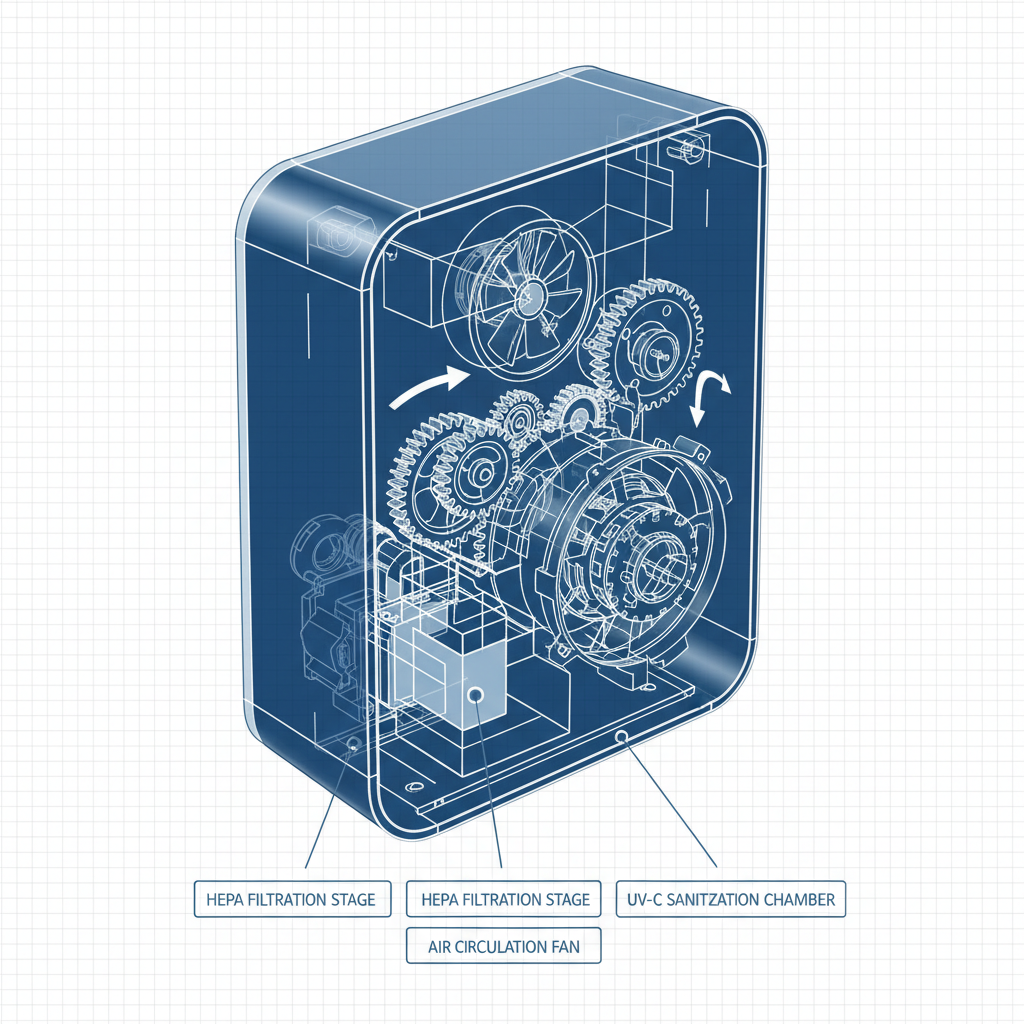
Medical air cleaners are engineered to deliver air quality superior to standard filtration systems. They employ technologies such as HEPA filtration, activated carbon, and UV-C sterilization to capture and neutralize a wide range of airborne contaminants. This makes them essential for environments where maintaining sterile conditions is paramount.
Their role extends beyond simple particle removal; advanced medical air cleaners actively combat bacteria, viruses, and volatile organic compounds (VOCs), ensuring a healthier and safer atmosphere. Utilizing a medical air cleaner minimizes the risk of healthcare-associated infections, protects sensitive research, and enhances overall environmental control.
Defining Medical Air Cleaners
A medical air cleaner is a device specifically designed to purify air in healthcare settings and other environments demanding high levels of air quality. Unlike standard air purifiers, medical-grade units are rigorously tested and certified to meet stringent performance standards, ensuring they effectively remove a broad spectrum of airborne contaminants, including pathogens, allergens, and particulate matter.
The core function of a medical air cleaner is to reduce the concentration of harmful airborne particles to acceptable levels, mitigating health risks and maintaining the integrity of sensitive processes. This is achieved through a combination of filtration technologies and, in some cases, sterilization methods like UV-C irradiation.
This technology directly impacts modern healthcare and research. In an era marked by increasing antibiotic resistance and the emergence of novel viruses, maintaining air purity is no longer just a matter of comfort; it’s a critical component of infection control and patient safety, and a medical air cleaner can be a vital tool in this effort.
Key Factors in Medical Air Cleaner Performance
Several key factors contribute to the effectiveness of a medical air cleaner. First, the filtration system is crucial, with HEPA filters being the gold standard for capturing particles as small as 0.3 microns with 99.97% efficiency. Secondly, the air changes per hour (ACH) rating indicates how many times the air in a room is filtered, with higher ACH values being preferable for critical environments.
Beyond filtration and ACH, the activated carbon component plays a vital role in removing odors, gases, and VOCs. UV-C sterilization, when integrated, provides an additional layer of protection by neutralizing microorganisms. Finally, the unit's construction quality, noise level, and ease of maintenance are all important considerations for long-term usability.
These elements work synergistically to provide comprehensive air purification. The correct balance of these features, tailored to the specific requirements of the environment, is essential for maximizing the benefits of a medical air cleaner and safeguarding air quality.
Applications Across Diverse Sectors
Medical air cleaners find application in a wide range of sectors. In healthcare, they are deployed in operating rooms, patient rooms, intensive care units, and laboratories to minimize the risk of airborne infections and protect immunocompromised patients. Pharmaceutical manufacturing facilities utilize them to maintain sterile environments during drug production.
Beyond healthcare, applications extend to research facilities, where sensitive experiments require pristine air quality. The electronics industry relies on medical air cleaners to prevent contamination of microchips and other sensitive components. Even dental offices and veterinary clinics benefit from their air purification capabilities.
Medical Air Cleaner Performance Comparison
Advantages and Long-Term Value
Investing in a medical air cleaner delivers significant long-term benefits. Cost savings are realized through reduced healthcare-associated infections, minimized downtime due to illness, and increased productivity. Furthermore, improved air quality contributes to a healthier and more comfortable environment for patients, employees, and visitors.
Beyond tangible financial benefits, a medical air cleaner demonstrates a commitment to safety, well-being, and innovation. This fosters trust among stakeholders and enhances an organization’s reputation. The ability to provide a demonstrably cleaner and safer environment is a powerful differentiator in today’s health-conscious world.
Future Trends and Innovations
The field of medical air purification is continuously evolving. Emerging trends include the integration of smart sensors and IoT technology for real-time air quality monitoring and automated control. Advanced filtration materials, such as graphene-based filters, promise even higher efficiency and durability.
Increased focus on sustainability is driving the development of energy-efficient medical air cleaners and the use of eco-friendly materials. The convergence of digital transformation and air purification will lead to more intelligent and responsive systems, optimizing performance and minimizing environmental impact.
Furthermore, advancements in UV-C technology are enhancing its effectiveness in neutralizing airborne pathogens without generating harmful byproducts. These innovations will pave the way for more sophisticated and sustainable medical air cleaner solutions.
Challenges and Solutions in Implementation
Despite their benefits, implementing medical air cleaners can present challenges. Initial costs can be substantial, and ongoing maintenance, including filter replacement, requires careful planning. Selecting the appropriate unit for a specific environment requires a thorough assessment of air quality needs and room characteristics.
To address these challenges, organizations should conduct a comprehensive cost-benefit analysis, factoring in long-term savings from reduced healthcare costs and increased productivity. Establishing a preventative maintenance schedule and sourcing reliable suppliers are crucial for ensuring optimal performance.
Expert consultation can help organizations navigate the complexities of medical air cleaner selection and implementation, maximizing their investment and achieving desired air quality outcomes. A well-chosen and maintained medical air cleaner is a strategic investment in long-term health and safety.
Summary of Medical Air Cleaner Challenges and Solutions
| Challenge |
Impact on Air Quality |
Potential Solution |
Implementation Cost (1-10) |
| High Initial Cost |
May delay or prevent implementation |
Leasing options, phased rollout |
7 |
| Filter Replacement Costs |
Decreased efficiency, increased contamination |
Scheduled maintenance contracts |
4 |
| Incorrect Unit Selection |
Insufficient air changes, ineffective filtration |
Professional air quality assessment |
6 |
| Lack of User Training |
Improper operation, reduced effectiveness |
Comprehensive training programs |
3 |
| Noise Levels |
Disturbance in sensitive environments |
Selection of low-noise models, strategic placement |
5 |
| Limited Space |
Difficulty accommodating larger units |
Compact and portable models |
4 |
FAQS
HEPA filters are designed to capture 99.97% of particles 0.3 microns in size, exceeding the efficiency of standard air filters. Standard filters typically only capture larger particles and are not suitable for removing microscopic pathogens or allergens. In a medical setting, the superior filtration of a HEPA filter is critical for maintaining air quality and preventing the spread of infections, making it a core component of a reliable medical air cleaner.
Filter replacement frequency depends on usage and air quality conditions. Generally, HEPA filters should be replaced every 6-12 months, while activated carbon filters may need replacing every 3-6 months. Monitor filter condition visually and consider using air quality sensors to determine optimal replacement times. Ignoring filter maintenance significantly reduces the efficiency of your medical air cleaner and compromises air quality.
UV-C light is germicidal, but direct exposure can be harmful to skin and eyes. Modern medical air cleaners are designed with enclosed UV-C systems that prevent exposure. The UV-C light is contained within the unit and used to sterilize air as it passes through. Ensure the unit is functioning correctly and never attempt to bypass the safety features.
Room size and air changes per hour (ACH) are crucial factors. Calculate the room's cubic footage (length x width x height) and then select a unit with an appropriate ACH rating. For healthcare settings, a minimum of 6-8 ACH is recommended. Consider the room’s occupancy and potential contaminant sources when determining the ideal medical air cleaner size.
Energy efficiency varies depending on the model. Look for units with Energy Star certification or those that utilize DC motors and smart controls to minimize energy consumption. While some units may consume more power, the long-term benefits of improved air quality and reduced healthcare costs often outweigh the energy cost.
While HVAC systems with filtration improve overall air quality, they aren’t typically designed for the stringent purification levels required in medical environments. Medical air cleaners offer more focused and effective filtration, often employing HEPA filters and UV-C sterilization. They are ideal for supplementing HVAC systems in critical areas needing exceptionally clean air.
Conclusion
Medical air cleaners are integral to maintaining healthy and safe environments across a spectrum of industries, particularly healthcare. Their ability to remove airborne contaminants, protect sensitive processes, and improve overall air quality offers substantial benefits, ranging from reduced infection rates and increased productivity to enhanced patient and employee well-being. Investing in a robust and properly maintained medical air cleaner system is not merely a cost, but a strategic investment in long-term health, safety, and operational efficiency.
Looking ahead, continued innovation in filtration technology, smart sensors, and sustainable design will further enhance the effectiveness and accessibility of medical air cleaners. Organizations should proactively assess their air quality needs, explore advanced solutions, and prioritize preventative maintenance to ensure optimal performance. For a comprehensive range of medical air cleaner solutions, visit our website: www.storeoxygen.com.