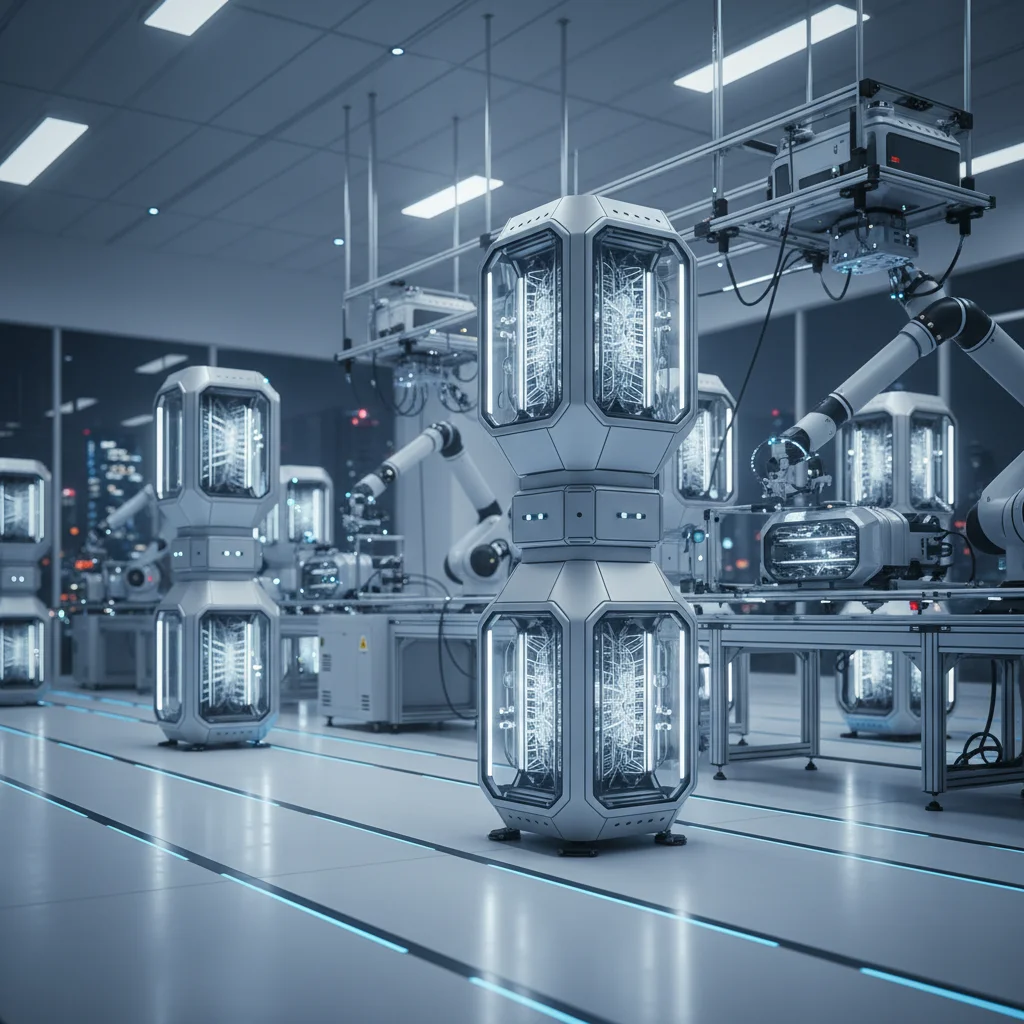
Medical HEPA filters are critical components in maintaining air quality, particularly within healthcare settings and other sensitive environments. Their importance extends globally, directly impacting public health and safety. Understanding the nuances of these filters – their efficacy, maintenance, and application – is paramount in the face of increasing airborne threats like viruses, bacteria, and particulate matter. Investing in and properly utilizing a medical hepa filter is a proactive step towards safeguarding well-being and preventing the spread of illness.
The demand for high-quality air filtration solutions, specifically medical HEPA filters, is escalating worldwide. Factors driving this growth include rising healthcare expenditures, increased awareness of indoor air quality, and stringent regulations concerning hospital and pharmaceutical manufacturing environments. Data from the World Health Organization highlights the significant impact of air pollution on respiratory illnesses, further emphasizing the necessity of effective filtration systems. These filters aren't simply about removing dust; they represent a vital line of defense against a spectrum of health hazards.
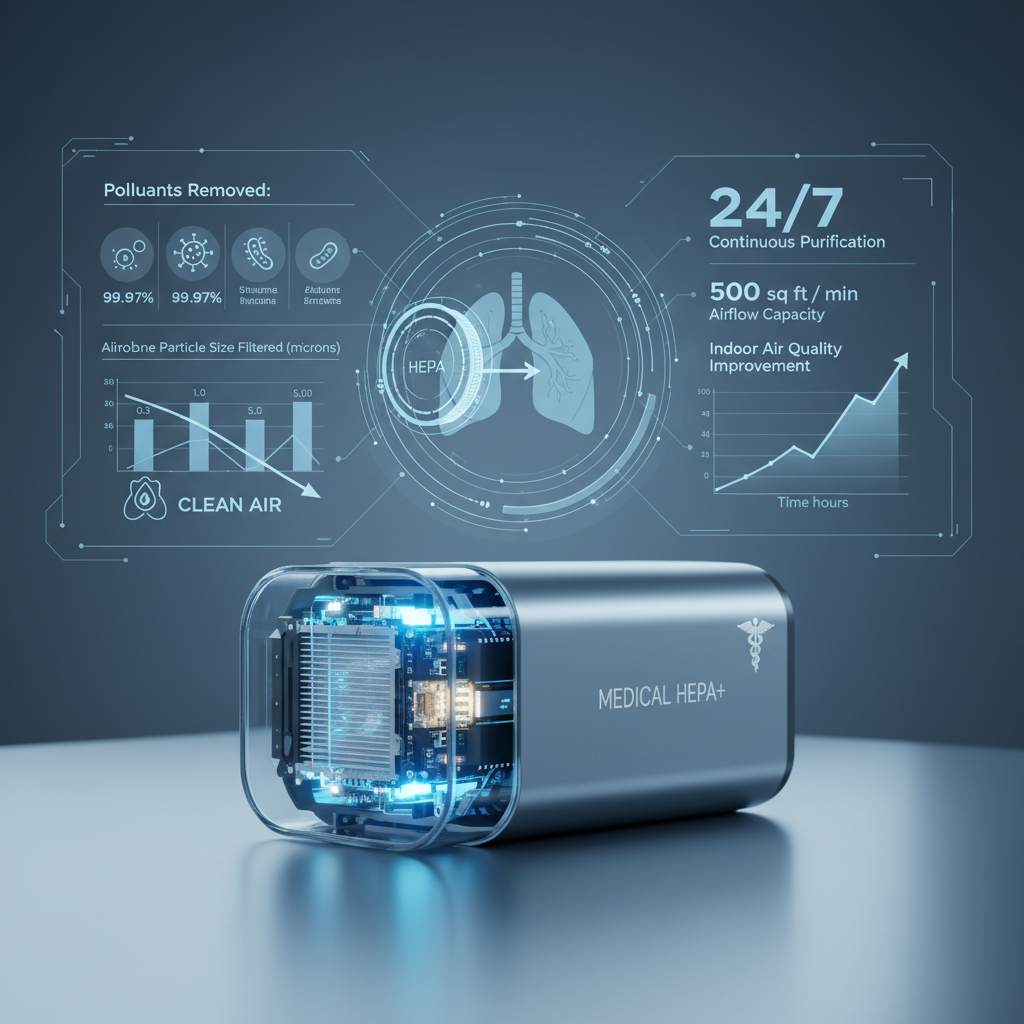
A medical HEPA filter is designed to capture at least 99.97% of particles 0.3 microns in diameter. This level of filtration is essential in environments where maintaining sterile conditions is crucial, such as operating rooms, isolation wards, and pharmaceutical laboratories. The core function of a medical HEPA filter directly supports modern medical practices and humanitarian efforts, enabling safe procedures and protecting vulnerable populations.
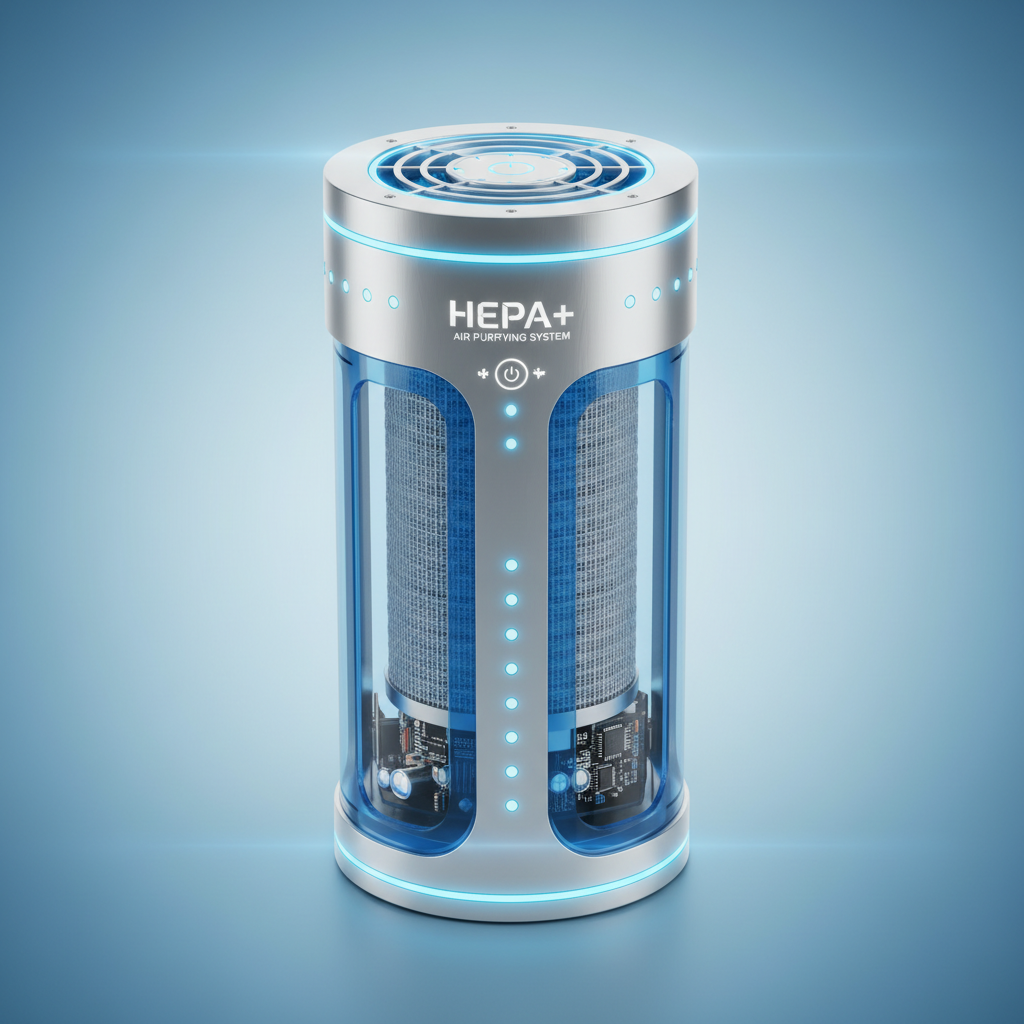
Introduction to Medical HEPA Filters
The effectiveness of a medical HEPA filter isn't solely about particle removal; it's about creating a safe and controlled environment. Properly maintained filters are instrumental in preventing hospital-acquired infections (HAIs), a significant concern in healthcare facilities worldwide. The implementation of robust air filtration systems featuring medical hepa filters directly contributes to reduced morbidity and mortality rates.
The deployment of these filters isn't limited to traditional medical settings. They're increasingly vital in pharmaceutical manufacturing, biotechnology labs, and even dental offices where maintaining sterility is paramount. The versatility and adaptability of medical HEPA filter technology make it a cornerstone of modern hygiene protocols across a broad spectrum of industries.
Defining Medical HEPA Filters
A medical HEPA filter, or High-Efficiency Particulate Air filter, is a type of mechanical air filter that meets a stringent standard of removing at least 99.97% of airborne particles that are 0.3 micrometers in diameter. This standard, established by the U.S. Department of Energy, is crucial in distinguishing medical-grade filters from standard HEPA filters often used in consumer products.
The connection to modern industry stems from the growing demands for cleanroom environments in sectors like pharmaceuticals, microelectronics, and aerospace. Humanitarian needs are addressed through their application in field hospitals, disaster relief efforts, and mobile medical units, providing critical air purification in challenging circumstances. Utilizing a medical hepa filter ensures a baseline level of air quality, regardless of external conditions.
Medical HEPA filters achieve this high level of filtration through a dense network of fibers, typically made of fiberglass, that capture particles via impaction, interception, and diffusion. This process effectively removes bacteria, viruses, mold spores, dust, and other allergens, contributing significantly to a healthier and safer indoor environment.
Key Characteristics of Medical HEPA Filters
Durability is a critical characteristic. Medical HEPA filters must withstand continuous operation and maintain their integrity over extended periods. Factors like filter media quality, construction, and resistance to moisture all contribute to their longevity. Regular maintenance, including filter replacement according to manufacturer specifications, is vital for sustained performance.
Efficiency is paramount, and this is directly linked to the filter's ability to consistently capture 99.97% of particles 0.3 microns in diameter. Efficiency ratings are tested and certified by independent organizations, ensuring compliance with industry standards. Choosing a filter with a verified efficiency rating is crucial for reliable air purification.
Airflow resistance is another key consideration. A filter with high airflow resistance can strain HVAC systems, reducing their efficiency and increasing energy consumption. Selecting a filter that balances high efficiency with reasonable airflow resistance optimizes system performance and minimizes operational costs. A quality medical hepa filter will strike this balance effectively.
Applications in Global Healthcare
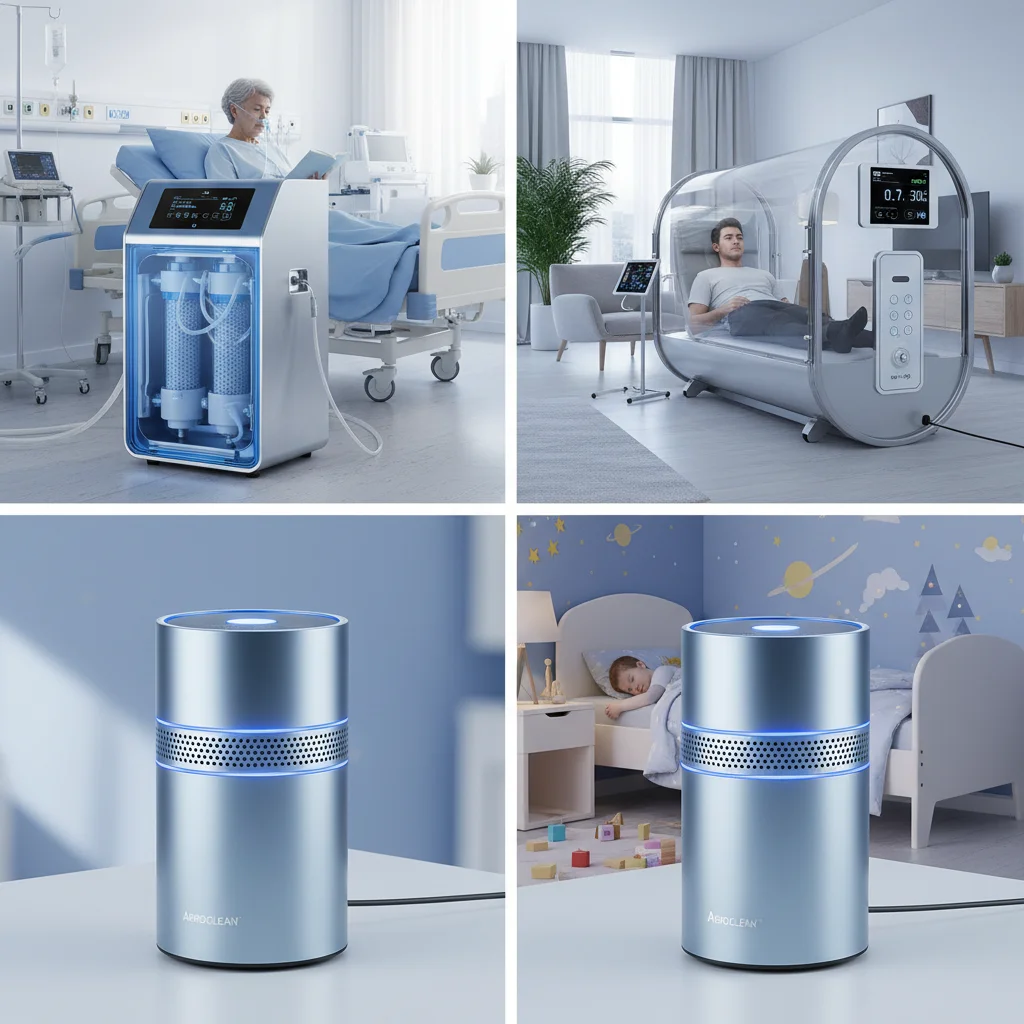
Medical HEPA filters are indispensable in operating rooms, where maintaining a sterile environment is critical for preventing post-surgical infections. They're also essential in isolation wards, protecting both patients and healthcare workers from airborne pathogens. Their application extends to pulmonary function testing labs, ensuring accurate diagnostic results and patient safety.
In pharmaceutical manufacturing, HEPA filters safeguard the production of sterile medications, preventing contamination and ensuring product quality. Biotechnology labs rely on them to maintain the purity of cell cultures and research materials. Across these environments, the consistent performance of a medical HEPA filter is not merely a recommendation – it's a regulatory requirement.
Medical HEPA Filter Efficiency by Application
Advantages and Long-Term Value
The tangible benefits of using medical HEPA filters extend beyond immediate health improvements. Reduced healthcare costs associated with fewer infections and improved patient outcomes represent significant long-term savings. Increased productivity due to a healthier workforce and minimized downtime further contribute to economic benefits. Investing in a medical hepa filter is an investment in sustainability and responsible healthcare.
From a social impact perspective, these filters enhance the safety and dignity of patients, visitors, and healthcare professionals. The sense of security and trust fostered by a clean and healthy environment is invaluable. Technological innovation in filter design and materials continually improves performance and efficiency, further enhancing the long-term value of these crucial components.
Future Trends in Medical HEPA Filter Technology
Nanomaterial integration is a rapidly developing trend, offering the potential to enhance filter efficiency and reduce airflow resistance. Self-sterilizing filters incorporating antimicrobial coatings are also gaining traction, reducing the risk of microbial growth within the filter media itself. These advancements promise to extend filter lifespan and further improve air quality.
Digitalization and smart filter monitoring systems are emerging, allowing for real-time assessment of filter performance and predictive maintenance scheduling. This proactive approach minimizes downtime and ensures optimal air filtration efficiency. The integration of AI and machine learning can optimize filter replacement schedules based on actual usage and environmental conditions.
Challenges and Solutions
A common challenge is filter clogging, which reduces airflow and efficiency. Pre-filters can mitigate this issue by capturing larger particles, extending the lifespan of the HEPA filter. Proper HVAC system design and maintenance are also crucial for preventing premature clogging. Another challenge is the cost of high-quality filters, particularly for smaller healthcare facilities.
Solutions include exploring cost-effective filter options without compromising performance and implementing group purchasing programs to leverage economies of scale. Furthermore, promoting awareness of the long-term cost savings associated with high-efficiency filtration can justify the initial investment.
Proper disposal of used filters is also a concern, as they may contain captured hazardous materials. Establishing clear disposal protocols and utilizing specialized waste management services are essential for environmental protection.
Summary of Medical HEPA Filter Challenges and Solutions
| Challenge |
Impact on Performance |
Potential Solution |
Implementation Difficulty (1-10) |
| Filter Clogging |
Reduced Airflow, Decreased Efficiency |
Implement Pre-Filters |
2 |
| High Filter Costs |
Budget Constraints, Limited Access |
Group Purchasing Programs |
5 |
| Improper Installation |
Air Leaks, Reduced Filtration |
Certified Installation Services |
4 |
| Lack of Maintenance |
Decreased Efficiency, System Failure |
Scheduled Filter Replacement |
3 |
| Improper Disposal |
Environmental Contamination |
Specialized Waste Management |
6 |
| Filter Compatibility |
Reduced Performance, System Damage |
Manufacturer-Recommended Filters |
2 |
FAQS
While both types remove particulate matter, medical HEPA filters adhere to more stringent manufacturing and testing standards, ensuring a higher level of filtration efficiency—at least 99.97% of particles 0.3 microns in diameter. They're designed for critical environments like hospitals and pharmaceutical labs where absolute air purity is essential. Standard HEPA filters may have slightly lower efficiency ratings and are generally used in less critical applications.
The replacement frequency depends on several factors, including usage, air quality, and the specific filter type. However, a general guideline is to replace filters every 6-12 months. Regular monitoring of filter pressure drop can indicate when replacement is needed. Following the manufacturer's recommendations is crucial for maintaining optimal performance and avoiding system strain.
Yes, medical HEPA filters are highly effective at removing airborne viruses and bacteria. While they don't "kill" these pathogens, they capture them with exceptional efficiency, preventing their spread through the air. Their ability to remove particles as small as 0.3 microns makes them a vital component in infection control strategies.
Several factors impact lifespan, including the level of particulate matter in the air, humidity, and airflow rate. High levels of dust, pollen, or other airborne contaminants will shorten the filter’s lifespan. Excessive humidity can cause filter media to degrade. Proper HVAC system maintenance and the use of pre-filters can help extend filter life.
Regularly check the filter pressure drop. A significant increase indicates the filter is becoming clogged and needs replacement. Visually inspect the filter for signs of damage or excessive dirt buildup. Perform routine air quality testing to verify the effectiveness of the filtration system. If you suspect issues, contact a qualified HVAC technician.
Yes, used medical HEPA filters may contain captured hazardous materials, such as bacteria, viruses, and pharmaceutical particles. They should be disposed of properly according to local regulations and guidelines. Contact a specialized waste management company to ensure safe and compliant disposal. Some filters can be incinerated, while others may require landfill disposal.
Conclusion
Medical HEPA filters represent a cornerstone of modern healthcare and industrial hygiene. Their capacity to remove airborne contaminants with exceptional efficiency is paramount in safeguarding human health, protecting sensitive processes, and ensuring regulatory compliance. Investing in these filters is not merely a cost, but a proactive measure that yields significant long-term benefits, including reduced healthcare costs, improved productivity, and a safer environment for all.
Looking ahead, continuous innovation in filter materials, design, and monitoring technologies will further enhance their performance and sustainability. Embracing these advancements and prioritizing regular maintenance will be crucial for maximizing the value of medical HEPA filter systems. For reliable and high-quality air filtration solutions, visit our website: www.storeoxygen.com.