Air filters used in hospitals are a critical component of maintaining a safe and healthy environment for patients, staff, and visitors. These aren’t your standard home air filters; they’re sophisticated systems designed to capture microscopic particles, bacteria, viruses, and other airborne contaminants. The increasing prevalence of airborne diseases and growing awareness of indoor air quality have made high-efficiency air filtration a necessity, not a luxury, in modern healthcare facilities.
The global healthcare industry faces constant challenges, including the prevention of hospital-acquired infections (HAIs) and the need to create sterile environments for surgical procedures. The effectiveness of air filtration systems directly impacts patient outcomes, reducing the risk of post-operative complications and improving overall recovery rates. International standards, such as those set by ASHRAE and ISO, guide the design and implementation of these systems.
Understanding the different types of air filters used in hospitals, their efficiency ratings (like MERV and HEPA), and proper maintenance protocols is vital for healthcare administrators, facility managers, and infection control professionals. Investing in and properly managing these systems contributes significantly to a healthier and more secure healthcare ecosystem.
The Importance of Air Filtration in Healthcare
Maintaining optimal air quality within healthcare facilities is paramount, and air filters used in hospitals play a pivotal role in achieving this. Infections spread easily through airborne particles, and inadequate filtration can contribute significantly to hospital-acquired infections (HAIs), impacting patient recovery and increasing healthcare costs. Effective air filtration is a cornerstone of infection control protocols.
The need for advanced air filtration extends beyond infection control. Surgical suites, laboratories, and specialized treatment areas require exceptionally clean air to ensure accurate test results, successful procedures, and patient safety. The selection of appropriate air filters, based on the specific needs of each area, is a critical decision for healthcare administrators and engineers.
Defining Air Filters Used in Hospitals
Air filters used in hospitals are designed to remove airborne contaminants from the air circulating within healthcare facilities. Unlike residential filters which primarily target dust and pollen, hospital-grade filters address a much wider range of particles, including bacteria, viruses, fungal spores, and even volatile organic compounds (VOCs). They work by trapping these contaminants on a filter medium, preventing them from recirculating and potentially causing harm.
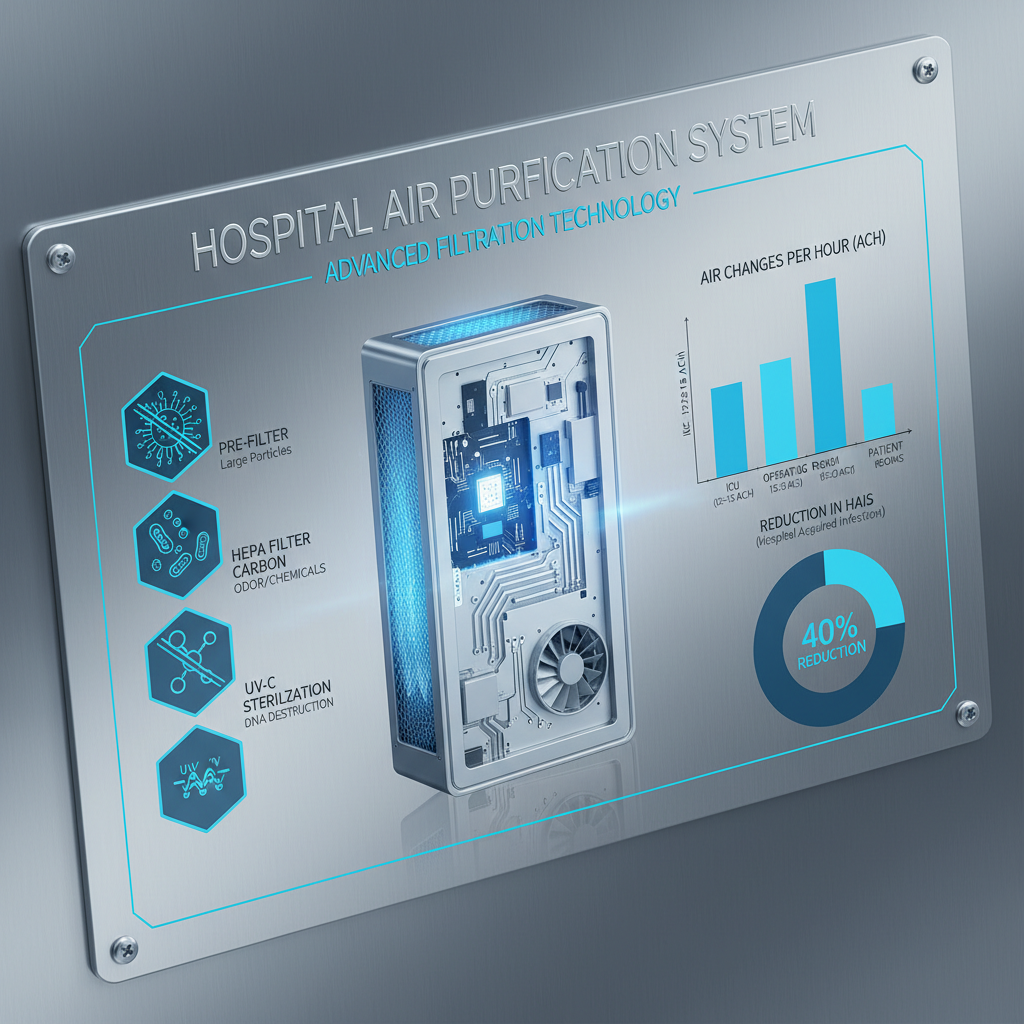
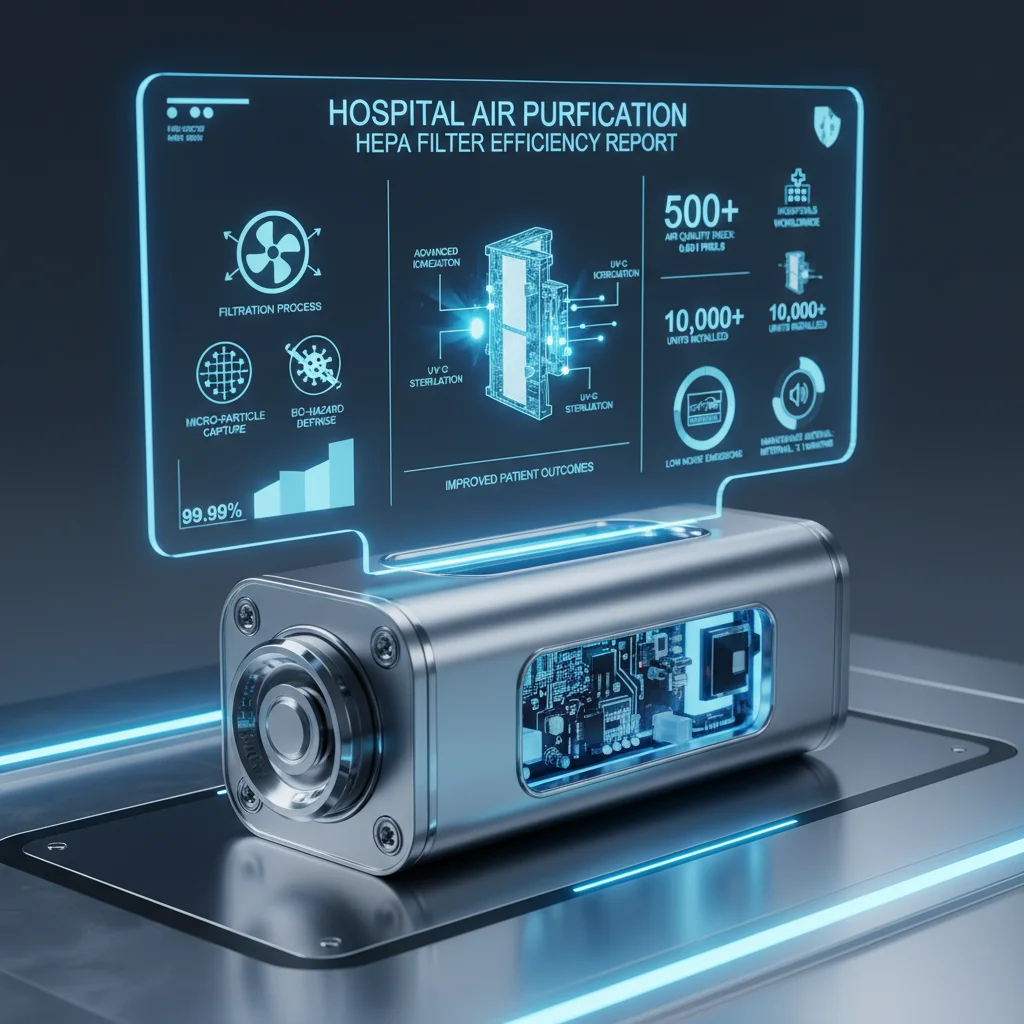
These filters are classified based on their efficiency, typically measured using the Minimum Efficiency Reporting Value (MERV) rating. Higher MERV ratings indicate greater efficiency in capturing smaller particles. Hospital environments often utilize filters with MERV ratings of 13 or higher, and in critical areas like operating rooms, High-Efficiency Particulate Air (HEPA) filters – which capture 99.97% of particles 0.3 microns in size – are standard.
The connection to modern humanitarian needs arises in emergency response scenarios, such as pandemic outbreaks or natural disasters, where establishing temporary hospitals or field clinics necessitates rapid deployment of effective air filtration systems to protect both patients and healthcare workers. air filters used in hospitals are key in these situations.
Key Factors Influencing Air Filter Performance
Several key factors determine the effectiveness and suitability of air filters used in hospitals. Firstly, efficiency is paramount – the ability of the filter to capture a high percentage of airborne particles. This is directly linked to the MERV rating, with higher ratings signifying better performance. However, efficiency isn't the only consideration.
Secondly, airflow resistance is crucial. Higher efficiency filters often create more resistance to airflow, potentially reducing the overall ventilation rate. Finding a balance between efficiency and airflow is essential to maintain adequate air exchange. Thirdly, filter lifespan and maintenance requirements must be considered. Filters need to be replaced regularly to maintain optimal performance, and the cost and effort associated with replacement should be factored into the decision-making process.
Further considerations include filter media type (e.g., pleated, fiberglass, electrostatic) and compatibility with existing HVAC systems. Different filter types have different characteristics, and selecting the right type for a specific application is vital. Finally, cost-effectiveness plays a role, but it should not compromise performance or safety.
Global Applications of Hospital Air Filtration
The application of air filters used in hospitals is a global phenomenon, driven by the universal need for infection control and patient safety. Developed nations like the United States, Canada, and countries within the European Union have stringent regulations and guidelines governing air quality in healthcare facilities. These regions often lead the way in adopting advanced air filtration technologies.
However, the need for improved air filtration is equally critical in developing countries, where healthcare infrastructure may be less robust and the risk of airborne infections is often higher. Organizations like the World Health Organization (WHO) and UNICEF are actively promoting the implementation of effective air filtration systems in healthcare facilities in resource-limited settings.
In post-disaster relief operations, rapid deployment of portable air filtration units is essential to establish safe and hygienic conditions in temporary hospitals and clinics. Similarly, in remote industrial zones or research facilities, specialized air filtration systems are required to protect workers from hazardous airborne contaminants.
Comparative Analysis of Air Filters Used in Hospitals
Advantages and Long-Term Value of Effective Filtration
The advantages of implementing robust air filtration systems in hospitals extend far beyond simply meeting regulatory requirements. Tangible benefits include reduced healthcare costs due to fewer HAIs, decreased patient recovery times, and improved staff morale. From a sustainability perspective, optimized filtration can reduce energy consumption by minimizing the load on HVAC systems.
The long-term value lies in building trust with patients and the community. A hospital renowned for its commitment to air quality and infection control attracts more patients and enhances its reputation. This fosters a sense of safety and dignity for those seeking care, creating a more positive and healing environment.
Future Trends and Innovations in Hospital Air Filtration
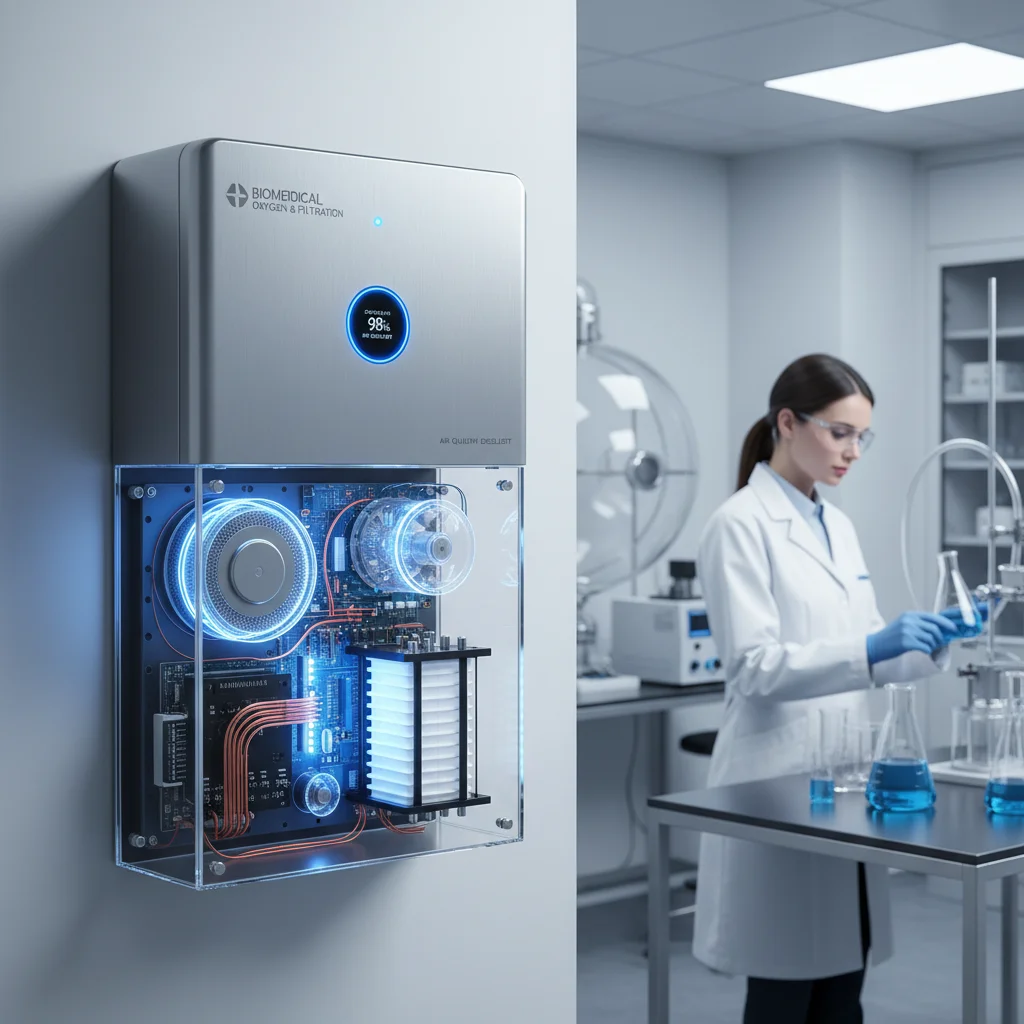
The field of air filtration is constantly evolving, driven by advances in materials science and a growing emphasis on sustainability. Nanomaterials are being incorporated into filter media to enhance efficiency and capture even smaller particles. Smart air filtration systems, equipped with sensors and data analytics, are emerging, allowing for real-time monitoring of air quality and automated adjustments to filtration levels.
Furthermore, a focus on reducing the carbon footprint of air filtration is gaining momentum. Developing filters from renewable materials and improving energy efficiency are key priorities. Digital transformation and automation will play an increasingly important role in optimizing air filtration performance and reducing maintenance costs.
Challenges and Solutions in Maintaining Air Quality
Despite advancements in air filtration technology, several challenges remain in maintaining optimal air quality in hospitals. These include the cost of upgrading existing HVAC systems, the need for specialized training for maintenance personnel, and the difficulty of ensuring consistent filter replacement schedules.
Innovative solutions involve implementing preventative maintenance programs, utilizing remote monitoring systems to track filter performance, and exploring financing options to offset the cost of upgrades. Collaboration between healthcare facilities, manufacturers, and regulatory agencies is essential to address these challenges and promote best practices.
A key focus is also on addressing the issue of filter disposal. Developing environmentally friendly disposal methods and exploring opportunities for filter recycling are crucial steps towards a more sustainable future for hospital air filtration.
Core Analysis of Challenges and Solutions in Hospital Air Quality Maintenance
| Challenge Area |
Severity (1-10) |
Potential Solutions |
Implementation Cost (USD) |
| High Initial Investment |
8 |
Lease financing, phased upgrades |
50,000 - 200,000 |
| Maintenance Skill Gap |
7 |
Dedicated training programs, outsourced maintenance |
10,000 - 50,000 (annual) |
| Filter Replacement Consistency |
6 |
Automated tracking systems, scheduled maintenance contracts |
5,000 - 20,000 (annual) |
| Air Leakage in HVAC Systems |
5 |
Duct sealing, system pressurization testing |
15,000 - 75,000 |
| Monitoring Air Quality Effectively |
7 |
Real-time air quality sensors, data analytics platforms |
20,000 – 100,000 |
| Sustainable Filter Disposal |
4 |
Recycling programs, partnerships with waste management companies |
2,000 – 10,000 (annual) |
FAQS
MERV (Minimum Efficiency Reporting Value) ratings indicate a filter’s ability to capture particles of varying sizes, ranging from 1 to 20 microns. HEPA (High-Efficiency Particulate Air) filters are a specific type of filter that must capture at least 99.97% of particles 0.3 microns in size. HEPA filters offer significantly higher efficiency than most MERV filters, making them ideal for critical areas like operating rooms and isolation wards. MERV filters are suitable for general hospital ventilation.
The frequency of air filter replacement depends on several factors, including the filter type, the level of contamination in the environment, and the manufacturer's recommendations. Generally, MERV filters should be replaced every 1-3 months, while HEPA filters may last 6-12 months. Regular monitoring of pressure drop across the filter can indicate when replacement is necessary. Consistent schedules should be in place.
Using ineffective air filters can lead to a range of negative consequences, including increased risk of hospital-acquired infections (HAIs), respiratory problems for patients and staff, compromised immune systems, and higher healthcare costs. Poor air quality can also affect the accuracy of diagnostic tests and the success of surgical procedures.
Yes, numerous regulations and guidelines govern air filtration in hospitals. Organizations like ASHRAE (American Society of Heating, Refrigerating and Air-Conditioning Engineers) and the CDC (Centers for Disease Control and Prevention) provide recommendations for ventilation and air filtration in healthcare facilities. Local and national building codes also often specify minimum air quality standards.
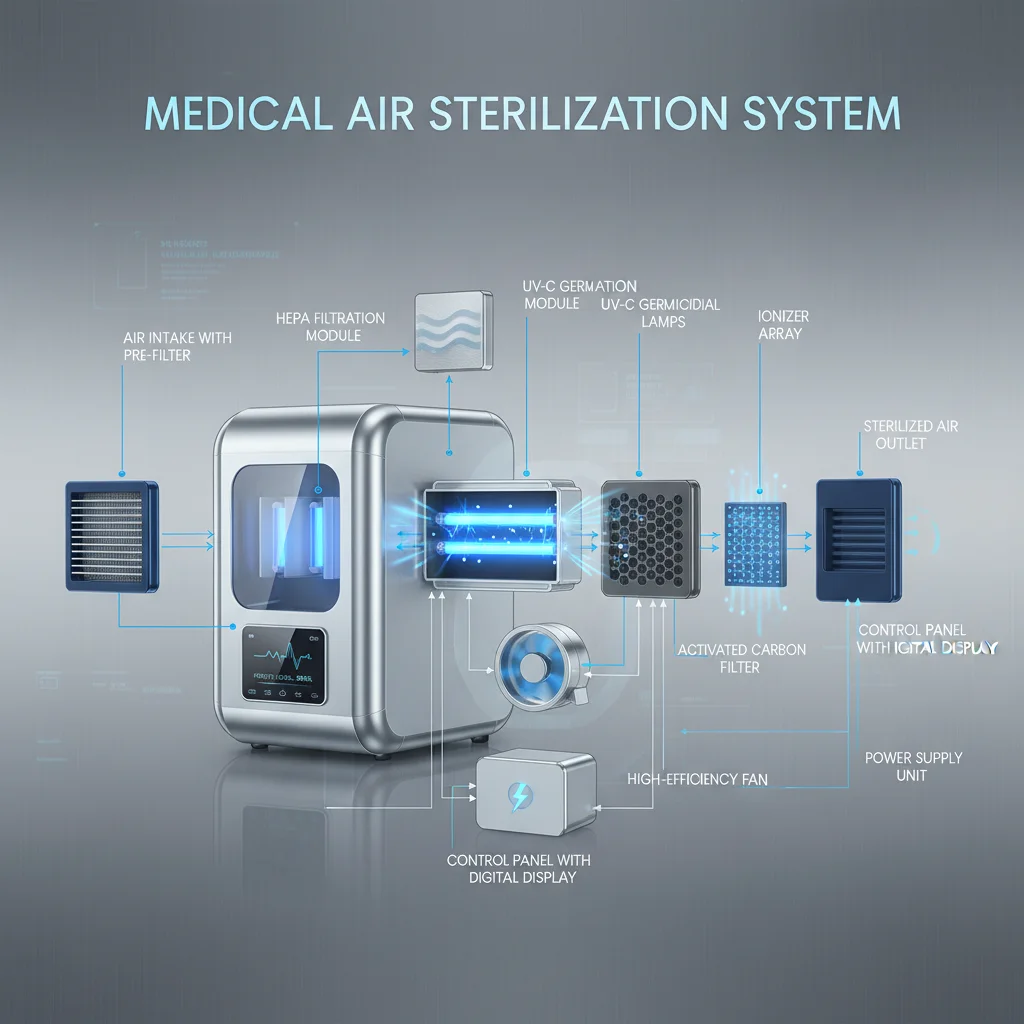
UV-C light can be used in conjunction with air filtration to further enhance air purification. UV-C light kills bacteria, viruses, and other microorganisms by disrupting their DNA. While UV-C light doesn't remove particulate matter, it can help to sterilize the air and reduce the spread of airborne infections when integrated into a comprehensive air handling system.
Hospitals can ensure proper filter maintenance through regular inspections, scheduled filter replacements, pressure drop monitoring, and staff training. Implementing a computerized maintenance management system (CMMS) can help to track filter replacement schedules and maintenance activities. Routine air quality testing is also crucial to verify the effectiveness of the filtration system.
Conclusion
In conclusion, air filters used in hospitals are indispensable for safeguarding patient and staff health, preventing the spread of infections, and maintaining a safe and hygienic healthcare environment. From understanding the nuances of MERV and HEPA filtration to embracing innovative technologies and prioritizing preventative maintenance, a proactive approach to air quality management is crucial for modern healthcare facilities.
Looking ahead, continued investment in research and development, coupled with a commitment to sustainable practices, will drive further advancements in hospital air filtration. Prioritizing air quality is not simply a matter of compliance; it’s a fundamental component of delivering high-quality, patient-centered care. To learn more about our range of advanced air filtration solutions for hospitals, visit our website: www.storeoxygen.com.