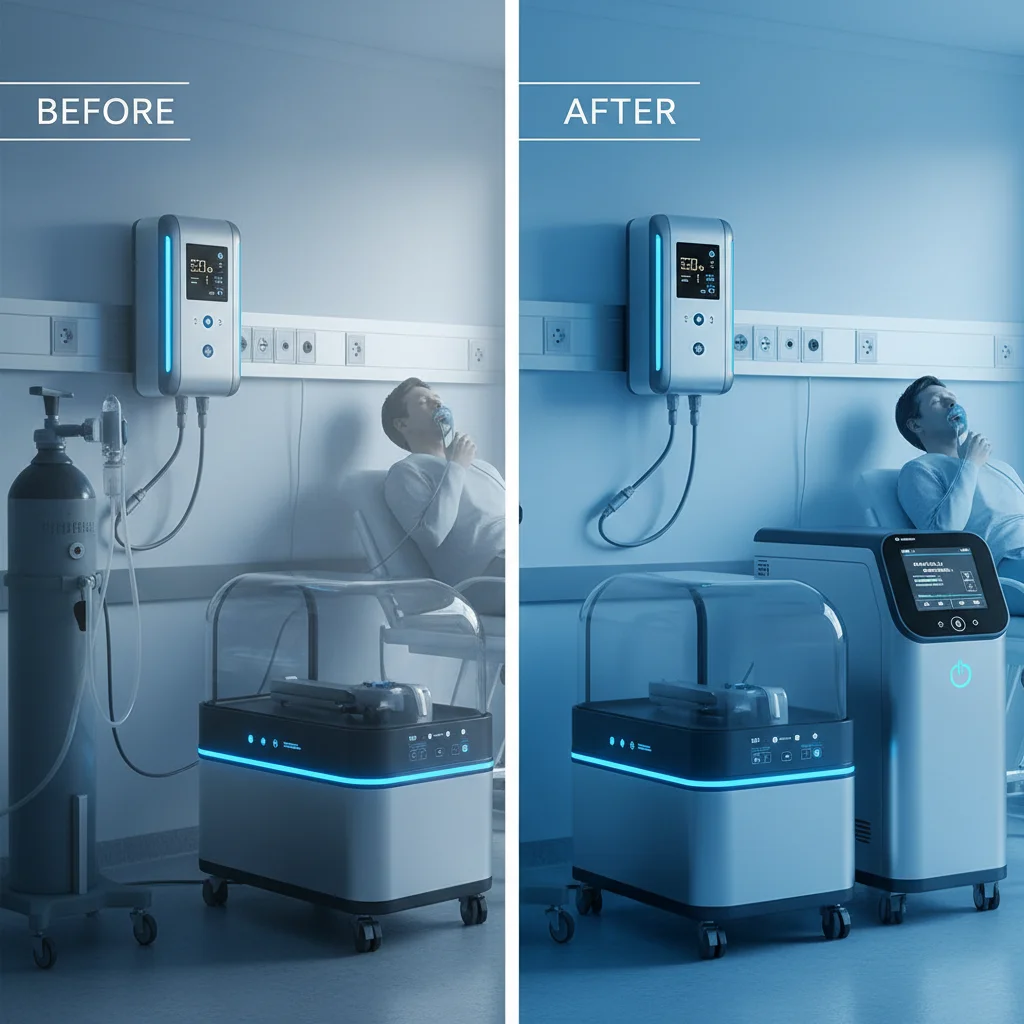
Air sterilization machines are rapidly becoming essential tools in maintaining healthy indoor environments, and increasingly, in mobile and emergency settings. The need for effective air purification has never been greater, driven by growing concerns about airborne pathogens, pollutants, and allergens. These machines utilize a variety of technologies – from HEPA filtration to UV-C sterilization and advanced oxidation – to remove contaminants and provide cleaner, safer air. Understanding their capabilities, applications, and future trends is crucial for public health professionals, facility managers, and anyone concerned with indoor air quality. air sterilization machine technology is at the forefront of this critical field.
The global market for air sterilization machines is experiencing substantial growth, fueled by increased awareness of the health risks associated with poor air quality. According to the World Health Organization (WHO), approximately 99% of the global population breathes air that exceeds guideline limits for pollutants. This drives demand for effective solutions, and the air sterilization machine sector is poised to capitalize on this. Regulatory standards, such as those set by ISO, are also playing a key role in driving innovation and adoption.
The need for reliable and effective air purification isn’t limited to hospitals and industrial settings; it extends to schools, offices, public transportation, and even homes. The COVID-19 pandemic served as a stark reminder of the importance of airborne disease control, accelerating the development and deployment of air sterilization machine technologies worldwide.
The Fundamentals of Air Sterilization Machine
An air sterilization machine isn’t simply an air purifier; it goes further than removing particulate matter. While purifiers typically capture dust, pollen, and smoke using filters, sterilization focuses on eliminating living microorganisms like bacteria, viruses, and mold spores. This is achieved through technologies that actively destroy or inactivate these pathogens, ensuring the air isn’t just cleaner, but also safer from biological threats.
The effectiveness of an air sterilization machine hinges on the specific technology employed and the environment in which it operates. Factors like room size, airflow patterns, and the initial concentration of contaminants all influence performance. Choosing the right machine requires careful consideration of these variables and a clear understanding of the desired level of air quality.
Defining Air Sterilization Machine Technology
An air sterilization machine is a device designed to remove airborne microorganisms – bacteria, viruses, fungi, and their spores – from a defined space. Unlike standard air purifiers that primarily capture particles, sterilization actively kills or inactivates these organisms, preventing their spread and potential infection. This is critical in settings like healthcare facilities, laboratories, and food processing plants where maintaining a sterile environment is paramount.
The connection to modern industry and humanitarian needs is undeniable. In healthcare, air sterilization machines help control hospital-acquired infections (HAIs). In the food industry, they ensure product safety. In disaster relief, they provide critical air purification in temporary shelters. The technology is a cornerstone of preventative measures in a world increasingly aware of airborne health risks.
Furthermore, the advent of portable and energy-efficient air sterilization machine units makes them adaptable to diverse environments, from densely populated urban centers to remote, off-grid locations. This versatility is driving wider adoption and integration into various aspects of daily life.
Core Components of an Air Sterilization Machine
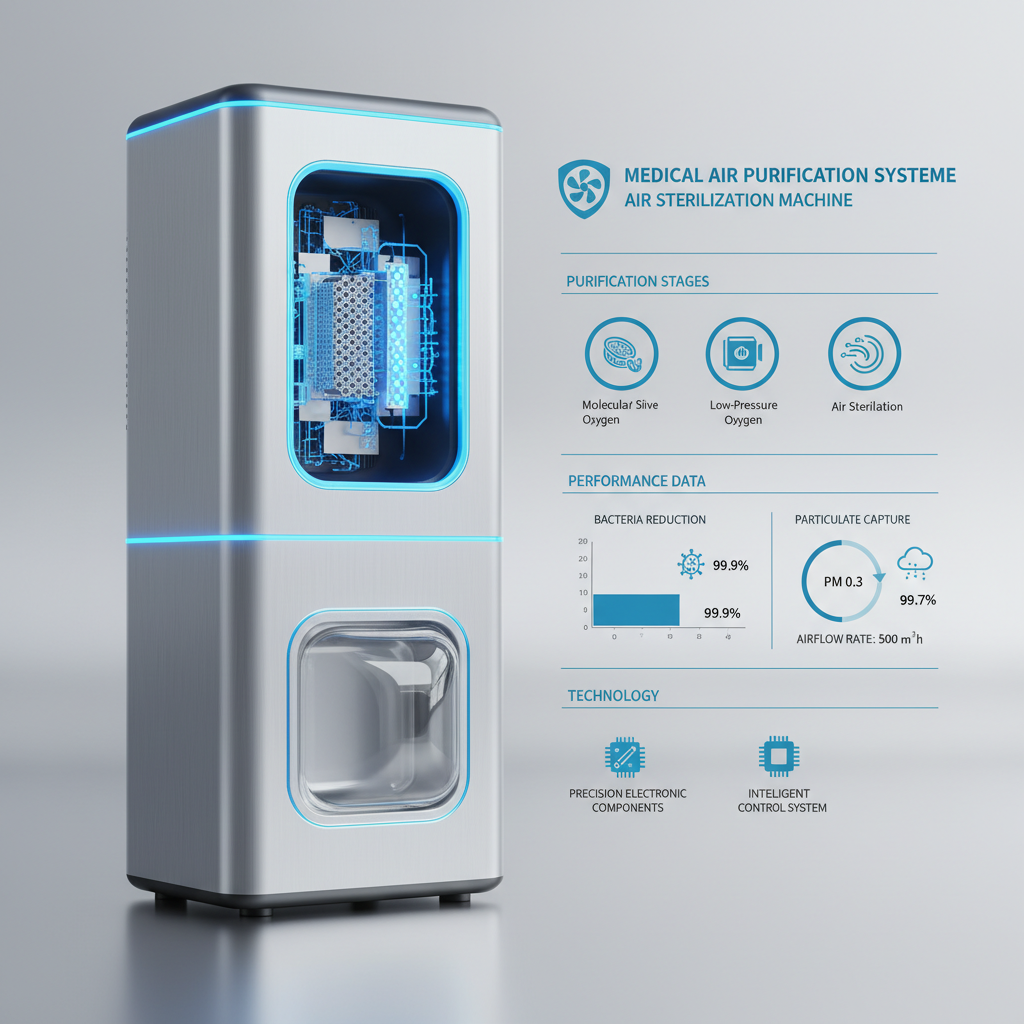
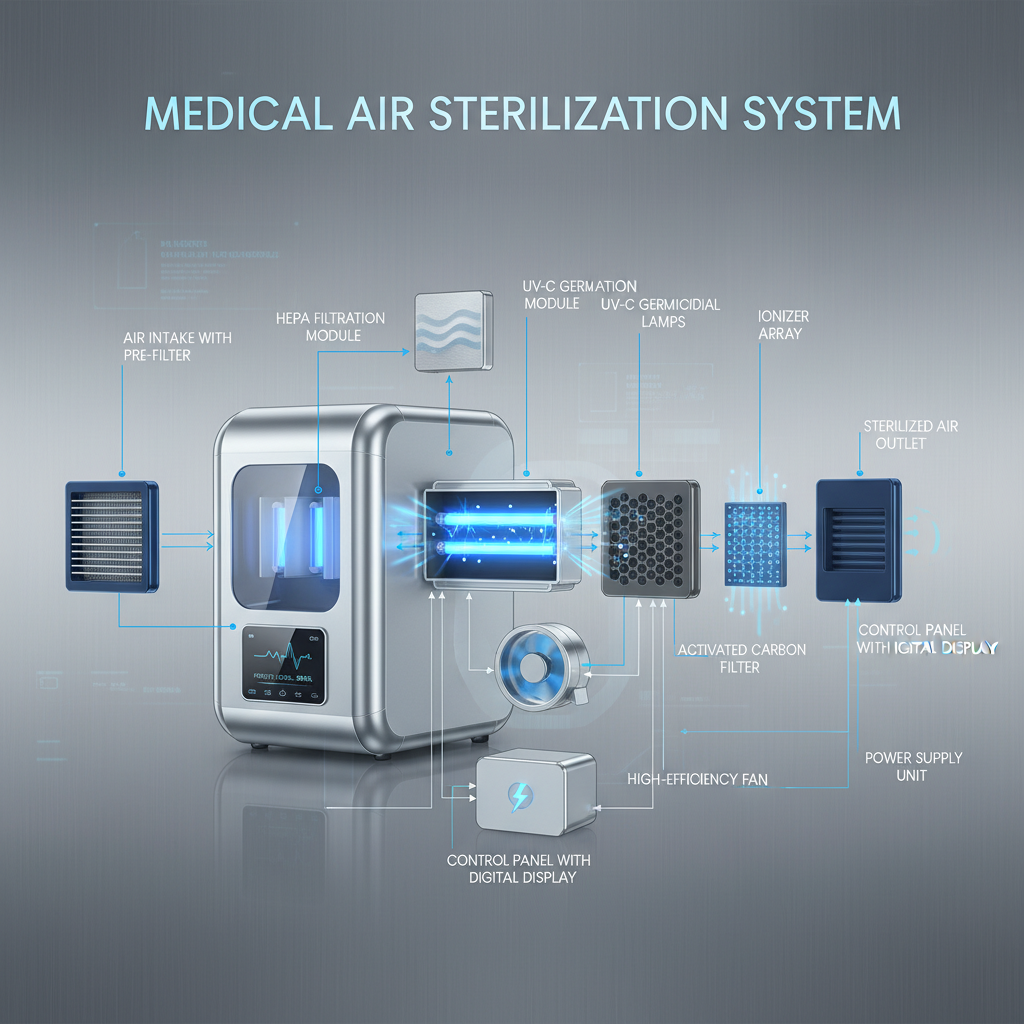
Several key factors determine the effectiveness and suitability of an air sterilization machine. First, the filtration system is vital – often incorporating pre-filters to capture larger particles, followed by HEPA filters for finer particulates. Second, the sterilization technology itself—UV-C irradiation, ozone generation, or advanced oxidation processes—is critical. The efficiency of these technologies varies, impacting the machine's overall performance.
Another important aspect is airflow rate, measured in cubic feet per minute (CFM). A higher CFM indicates a greater volume of air processed per unit of time, leading to faster and more thorough sterilization. However, CFM must be balanced with noise levels and energy consumption. The design of the airflow pathway is also key, ensuring effective circulation and minimizing dead zones where contaminants can linger.
Finally, smart controls and monitoring features are becoming increasingly prevalent. These can include sensors to detect air quality, automated adjustments to sterilization intensity, and remote monitoring capabilities. Such features enhance user convenience and optimize performance, making the machine more adaptable to specific environments and needs.
Key Performance Indicators for Air Sterilization Machine
Assessing the performance of an air sterilization machine requires focusing on several key indicators. Clean Air Delivery Rate (CADR) is a crucial metric, indicating the volume of clean air produced per unit time. Equally important is the sterilization effectiveness, often measured as the percentage reduction of specific microorganisms within a given timeframe.
Furthermore, energy efficiency, noise levels, and filter lifespan are all critical considerations. A machine with high energy consumption or excessive noise may be impractical for certain applications. The frequency of filter replacements and associated costs also impact long-term operating expenses.
Comparison of Air Sterilization Machine Methods
Global Applications of Air Sterilization Machine
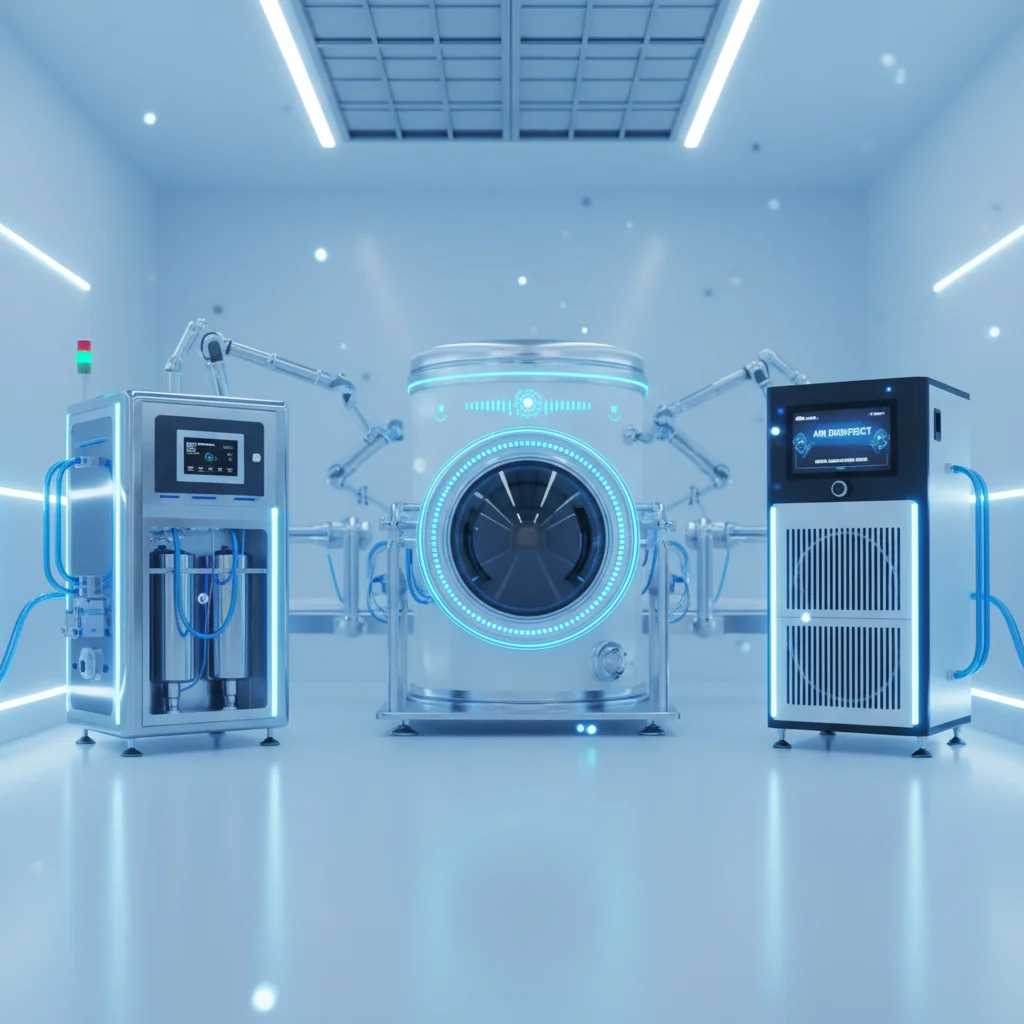
The applications of air sterilization machine are diverse and span numerous sectors. In healthcare, they are vital in operating rooms, isolation wards, and dental clinics to minimize the risk of infection. The pharmaceutical industry utilizes these machines to maintain sterile manufacturing environments.
Beyond these, food processing facilities employ them to prevent contamination and extend shelf life. In post-disaster relief operations, portable air sterilization machines provide critical air purification in temporary shelters, reducing the spread of disease in crowded conditions.
The Advantages and Long-Term Value of Air Sterilization Machine
The benefits of investing in an air sterilization machine extend far beyond immediate air quality improvements. Cost savings through reduced healthcare costs, increased productivity, and decreased spoilage in food processing are significant. Sustainability is also a key advantage, as improved air quality reduces reliance on traditional ventilation systems, lowering energy consumption.
The long-term value is further enhanced by the peace of mind provided by a healthier indoor environment. This builds trust with employees, customers, and patients, creating a more positive and productive atmosphere. Investing in an air sterilization machine is an investment in well-being, safety, and long-term operational efficiency.
Ultimately, the implementation of these technologies underscores a commitment to innovation and a proactive approach to public health and safety.
Future Trends in Air Sterilization Machine
The future of air sterilization machine is likely to be shaped by several key trends. Integration with smart building technologies and the Internet of Things (IoT) will enable remote monitoring, automated control, and predictive maintenance. Advancements in materials science will lead to more efficient and durable filtration systems.
The development of hybrid technologies – combining UV-C with advanced oxidation or plasma sterilization – promises even greater effectiveness. Furthermore, a growing emphasis on sustainability will drive demand for energy-efficient designs and eco-friendly materials.
Increased regulatory scrutiny and standardization will also play a role, ensuring consistent performance and reliability. The trend towards personalized air purification, with machines tailored to specific needs and environments, is also gaining momentum.
Summary of Future Air Sterilization Machine Trends
| Technology Advancement |
Integration & Automation |
Sustainability & Materials |
Regulatory Landscape |
| Hybrid Sterilization Technologies |
IoT Connectivity & Remote Control |
Bio-Based Filter Materials |
Stricter Performance Standards |
| Advanced Oxidation Processes |
AI-Powered Air Quality Optimization |
Energy-Efficient Designs |
Increased Certification Requirements |
| Plasma Sterilization Improvements |
Predictive Maintenance Algorithms |
Recyclable Component Materials |
Real-Time Monitoring Mandates |
| Nanomaterial Enhanced Filters |
Smart Home Integration |
Reduced Carbon Footprint Manufacturing |
Emphasis on Verification Testing |
| UV-C LED Technology Advancements |
Automated Filter Replacement Alerts |
Biodegradable Filter Options |
Global Harmonization of Standards |
| Photocatalytic Oxidation Refinements |
Cloud-Based Data Analytics |
Circular Economy Principles |
Increased Transparency & Traceability |
FAQS
While both aim to improve air quality, air purifiers primarily capture airborne particles like dust and pollen using filters. Air sterilization machines go a step further by actively killing or inactivating microorganisms like bacteria, viruses, and mold spores. Sterilization employs technologies such as UV-C light, ozone, or advanced oxidation to eliminate biological threats, providing a more comprehensive approach to air purification, particularly in environments where infection control is critical.
The frequency of filter replacement depends on the type of filter and the level of air contamination. Pre-filters typically need replacing every 1-3 months, while HEPA filters can last 6-12 months. Some machines have sensors that alert you when filters need changing. Regularly replacing filters is crucial for maintaining optimal performance and preventing the spread of contaminants. Refer to your machine's manual for specific recommendations.
Generally, yes, but it depends on the sterilization technology used. UV-C sterilization is safe when contained within the machine, but direct exposure to UV-C light can be harmful. Ozone generators can produce ozone, a lung irritant, so they should only be used in unoccupied spaces. Choose a machine with safety certifications and follow the manufacturer’s guidelines carefully to ensure safe operation.
The effective room size depends on the machine’s Clean Air Delivery Rate (CADR) and airflow rate (CFM). Manufacturers typically specify the maximum recommended room size for each model. For larger spaces, multiple machines or a more powerful unit may be necessary. Consider the room's layout and airflow patterns when selecting a machine.
While you can't visibly see microorganisms being eliminated, you can look for indicators like a reduction in dust, odors, and allergy symptoms. Some machines have air quality sensors that provide real-time feedback on air purity. Regular filter inspection can also reveal the level of contaminants being captured. Trusting a reputable brand with certified performance is also important.
The initial cost varies widely depending on the technology and features. Operating costs include electricity consumption and filter replacements. Energy-efficient models and machines with long-lasting filters can help minimize ongoing expenses. Consider the total cost of ownership when making a purchase decision.
Conclusion
In conclusion, air sterilization machines represent a critical advancement in indoor air quality management. By actively eliminating airborne pathogens, these devices offer substantial benefits for public health, workplace safety, and overall well-being. From healthcare facilities and industrial settings to homes and disaster relief operations, the applications are vast and the potential impact significant.
Investing in an air sterilization machine is not merely a purchase, but a proactive step towards creating a healthier and safer environment. As technology continues to evolve and awareness of air quality increases, these machines will undoubtedly play an increasingly important role in safeguarding our health and protecting our future. Visit our website at www.storeoxygen.com to learn more about our range of air sterilization solutions.