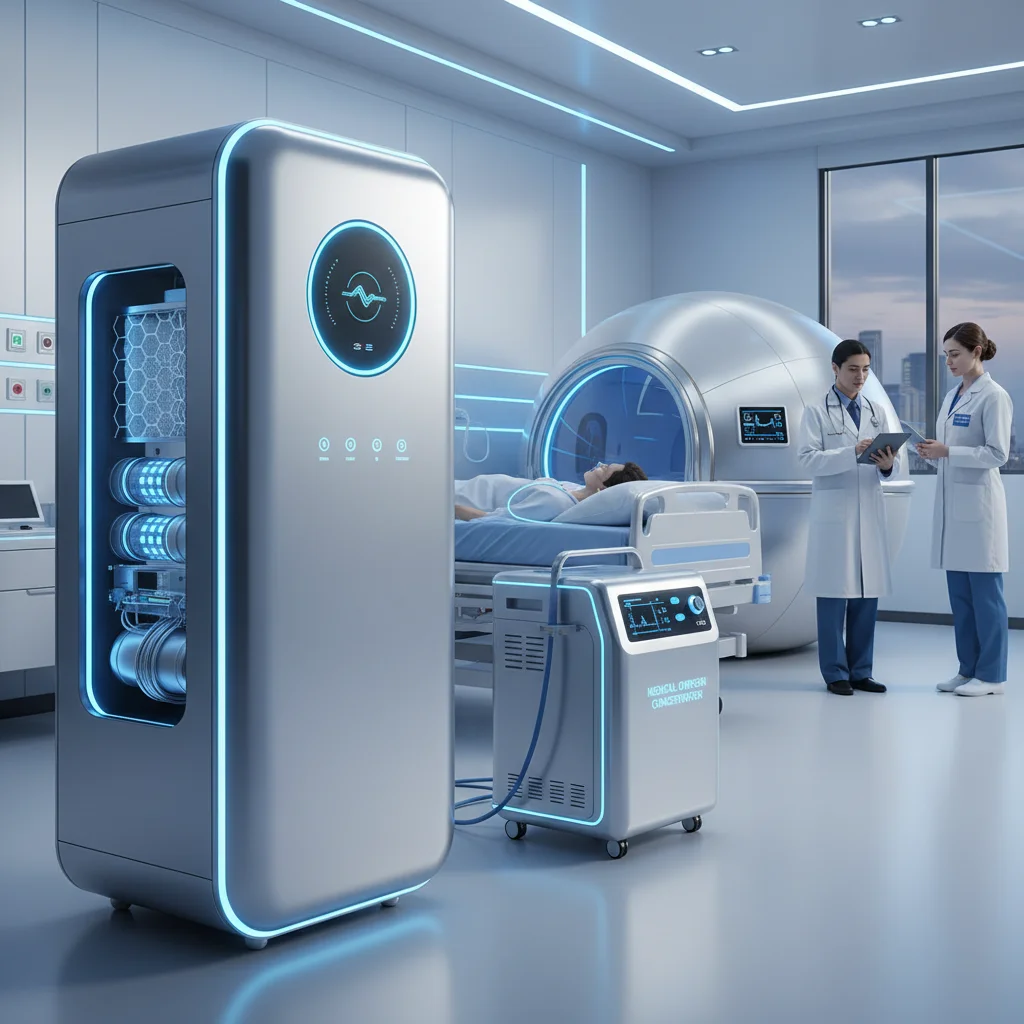
Air filtration in hospitals is a critical component of infection control and patient safety, extending beyond simple dust removal. Modern healthcare facilities require sophisticated systems to capture airborne pathogens, allergens, and volatile organic compounds (VOCs), creating a safe and healing environment. This is particularly crucial in operating rooms, intensive care units, and isolation wards, where vulnerable patients are at heightened risk of healthcare-associated infections (HAIs). Effective air filtration systems contribute directly to improved patient outcomes and reduced healthcare costs.
The global relevance of air filtration in hospitals is underscored by increasing rates of antimicrobial resistance and the emergence of new infectious diseases. The United Nations Sustainable Development Goals (SDGs), particularly SDG 3 (Good Health and Well-being), highlight the importance of preventative healthcare measures like robust air quality control. The World Health Organization (WHO) emphasizes the necessity of infection prevention and control (IPC) strategies, with air filtration playing a key role. Furthermore, standards set by organizations like ISO 14644-1 specify cleanliness levels for controlled environments, influencing hospital design and operation.
Challenges such as aging infrastructure, budgetary constraints, and evolving pathogen threats necessitate continuous innovation in air filtration technologies. Understanding the nuances of different filtration methods – HEPA filters, ULPA filters, activated carbon filters, and UVGI – is essential for healthcare professionals and facility managers. Investing in optimal air filtration systems isn’t merely a matter of compliance; it’s a commitment to patient wellbeing and public health.
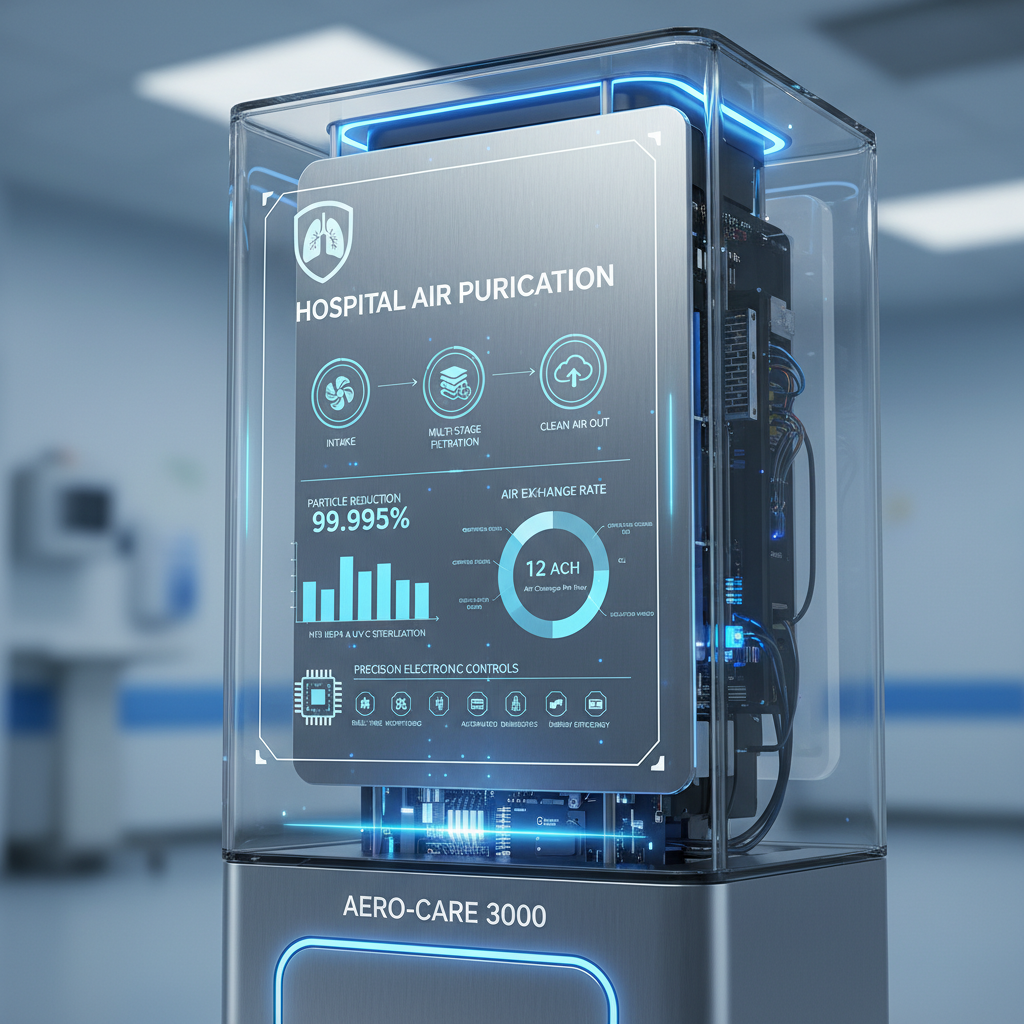
Introduction to air filtration in hospitals
The importance of air filtration in hospitals extends beyond simply removing dust. A comprehensive system is designed to capture microscopic airborne contaminants – bacteria, viruses, fungal spores, allergens, and even volatile organic compounds (VOCs) released from building materials and cleaning products. These contaminants pose a significant threat to patients, particularly those with compromised immune systems, respiratory illnesses, or who are undergoing surgery. A well-designed system reduces the risk of healthcare-associated infections (HAIs).
Effective air filtration relies on a multi-faceted approach. It isn’t solely about the filters themselves; it encompasses proper system design, installation, maintenance, and ongoing monitoring. Hospital air handling units (AHUs) are the central components, often utilizing high-efficiency particulate air (HEPA) filters as a crucial defense against airborne pathogens. Regular filter replacement, leak detection, and airflow balancing are essential to maintaining system performance.
Defining Air Filtration in Hospitals
Air filtration in hospitals refers to the process of removing airborne particles, gases, and biological contaminants from the air within healthcare facilities. It's a specialized application of air purification tailored to the unique demands of a medical environment. Unlike general air purification, hospital air filtration systems are designed to meet stringent standards for particle removal efficiency, airflow rates, and system reliability. The primary goal is to minimize the spread of infectious agents and create an environment conducive to healing.
This practice is fundamentally connected to modern infection control protocols and the principles of asepsis. Historically, hospital ventilation systems focused primarily on providing fresh air; however, the recognition of airborne transmission of diseases led to the development of sophisticated filtration technologies. Today, air filtration is an integral part of a comprehensive infection prevention and control (IPC) program, alongside hand hygiene, sterilization, and isolation precautions.
The effectiveness of air filtration systems directly impacts patient safety and outcomes, contributing to a reduction in HAIs, decreased morbidity, and improved overall quality of care. It’s a crucial investment in protecting both patients and healthcare workers from exposure to harmful airborne contaminants, and is increasingly mandated by regulatory bodies and healthcare accreditation organizations.
Key Components of Hospital Air Filtration Systems
Several key components contribute to the effectiveness of hospital air filtration. Firstly, the filtration media is paramount. High-Efficiency Particulate Air (HEPA) filters are the gold standard, capable of removing at least 99.97% of particles 0.3 microns in diameter. ULPA filters offer even greater efficiency, removing 99.999% of particles. Activated carbon filters are crucial for adsorbing gases and odors, while pre-filters capture larger particles and extend the lifespan of the more expensive HEPA/ULPA filters.
Secondly, the air handling unit (AHU) is the central mechanism for air distribution and filtration. AHUs draw in air, filter it, and then distribute it throughout the hospital via a network of ductwork. Proper AHU design and maintenance are vital. Regular inspections, cleaning, and component replacement ensure optimal performance. Variable Air Volume (VAV) systems allow for tailored airflow rates based on occupancy and specific room requirements.
Thirdly, airflow patterns are critical. Negative pressure rooms, commonly used for isolating patients with airborne infections, are designed to prevent contaminants from escaping the room. Positive pressure rooms, used in operating rooms and burn units, maintain a higher pressure than surrounding areas, preventing unfiltered air from entering. Fourthly, UV Germicidal Irradiation (UVGI) can be integrated into air filtration systems to inactivate bacteria, viruses, and fungi.
Global Applications of Hospital Air Filtration
The application of advanced air filtration in hospitals is widespread globally, though implementation levels vary based on economic development, healthcare infrastructure, and regulatory standards. Developed nations, such as those in North America, Europe, and parts of Asia (Japan, South Korea), generally adhere to stringent guidelines and utilize state-of-the-art filtration technologies. These countries often feature advanced HVAC systems with multi-stage filtration, including HEPA filters, UVGI, and sophisticated air quality monitoring.
In developing countries, the need for improved air filtration is even greater due to factors like higher rates of infectious diseases, limited resources, and inadequate infrastructure. Organizations like the WHO are actively working to promote the adoption of effective IPC measures, including air filtration, in healthcare facilities across Africa, Asia, and Latin America. Mobile air filtration units are frequently deployed in temporary hospitals or areas with compromised ventilation systems.
Specific use cases are common across all regions. Operating rooms universally employ HEPA filtration to minimize the risk of surgical site infections. Intensive care units (ICUs) utilize enhanced filtration to protect critically ill patients. Isolation wards for patients with tuberculosis, measles, or other airborne diseases rely on negative pressure ventilation and HEPA filtration to contain the spread of infection. Furthermore, increasing awareness surrounding airborne transmission of viruses like influenza and COVID-19 has led to widespread upgrades in hospital air filtration systems.
Air Filtration Method Effectiveness in Hospitals
Advantages of Advanced Air Filtration
Investing in advanced air filtration systems for hospitals offers a multitude of tangible and intangible benefits. From a cost perspective, reducing HAIs translates directly into lower treatment costs, shorter hospital stays, and decreased readmission rates. The financial savings associated with preventing infections can significantly offset the initial investment in filtration technology. Furthermore, improved air quality can enhance staff productivity and reduce absenteeism due to illness.
From a sustainability standpoint, efficient air filtration systems can reduce energy consumption by optimizing airflow and minimizing the need for frequent air changes. Selecting filters with low resistance to airflow helps maintain energy efficiency. Moreover, the social impact of improved air quality is substantial. Protecting patients and healthcare workers from airborne pathogens contributes to a healthier and safer environment for everyone. Enhanced patient safety builds trust and strengthens the reputation of the healthcare facility.
Future Trends in Hospital Air Filtration
The future of air filtration in hospitals is poised for significant innovation. One key trend is the integration of smart technologies and real-time air quality monitoring. Sensors can continuously measure particulate matter, VOCs, and other contaminants, providing data that informs system adjustments and alerts staff to potential issues. This data-driven approach allows for proactive management of air quality and optimized filtration performance.
Another emerging trend is the development of advanced filtration materials, such as nanomaterials and bio-based filters. These materials offer improved filtration efficiency, reduced energy consumption, and enhanced sustainability. Furthermore, the growing emphasis on green building practices is driving demand for energy-efficient HVAC systems and sustainable filtration solutions. Digital twins – virtual replicas of hospital HVAC systems – are being used for predictive maintenance and optimization.
Challenges and Solutions in Implementation
Despite the clear benefits, implementing and maintaining effective air filtration in hospitals presents several challenges. Budgetary constraints often limit the ability of healthcare facilities to invest in state-of-the-art filtration systems. Aging infrastructure and inadequate ventilation systems can also pose significant obstacles. Furthermore, ensuring proper system maintenance and filter replacement requires dedicated resources and expertise.
However, several solutions can mitigate these challenges. Lifecycle cost analysis can demonstrate the long-term financial benefits of investing in high-quality filtration systems. Retrofitting existing HVAC systems with advanced filtration modules can be a cost-effective alternative to complete system replacement. Implementing a comprehensive maintenance program, including regular inspections, filter changes, and leak detection, is crucial for ensuring optimal performance.
Collaboration between healthcare professionals, facility managers, and air filtration experts is essential. Developing standardized protocols for air quality monitoring, filter selection, and system maintenance can help ensure consistent performance and compliance with regulatory requirements. Utilizing performance-based contracting, where vendors are held accountable for achieving specific air quality targets, can also incentivize optimal system operation.
Summary of Challenges and Solutions in Air Filtration Implementation
| Challenge |
Impact on air filtration in hospitals |
Proposed Solution |
Implementation Cost (1-10) |
| Budgetary Constraints |
Limited investment in advanced systems |
Lifecycle cost analysis & phased upgrades |
5 |
| Aging Infrastructure |
Reduced system efficiency & increased maintenance |
Retrofitting with filtration modules |
6 |
| Maintenance Neglect |
Reduced filter effectiveness & system failure |
Comprehensive maintenance program |
4 |
| Lack of Expertise |
Improper filter selection & system operation |
Training programs for facility staff |
3 |
| Regulatory Compliance |
Difficulty meeting stringent air quality standards |
Standardized protocols & regular audits |
7 |
| Real-time Monitoring Gaps |
Delayed detection of air quality issues |
Integration of smart sensors & data analytics |
8 |
FAQS
Both HEPA (High-Efficiency Particulate Air) and ULPA (Ultra-Low Penetration Air) filters are highly effective at removing airborne particles, but ULPA filters offer a significantly higher level of filtration efficiency. HEPA filters remove at least 99.97% of particles 0.3 microns in diameter, while ULPA filters remove 99.999% of particles of the same size. ULPA filters are typically used in environments requiring the highest levels of cleanliness, such as operating rooms or research laboratories where even minute contamination is unacceptable.
The frequency of air filter replacement depends on several factors, including the type of filter, the level of contamination in the air, and the manufacturer’s recommendations. Pre-filters generally need to be replaced more frequently than HEPA or ULPA filters, often every 1-3 months. HEPA and ULPA filters typically have a lifespan of 6-12 months, but regular pressure drop monitoring can indicate when they need replacement, even if within that timeframe. Following a strict filter replacement schedule is vital for maintaining optimal air quality.
Negative pressure ventilation creates an environment where the air pressure inside a room is lower than the pressure outside the room. This causes air to flow into the room when the door is opened, preventing contaminants from escaping. It's crucial for isolating patients with airborne infectious diseases like tuberculosis or measles. The system ensures that any potentially contaminated air remains contained within the room, protecting other patients and healthcare workers.
Hospitals employ several methods to assess the effectiveness of air filtration systems. Particle counters measure the concentration of airborne particles in the air. Airflow measurements verify that the system is delivering the correct airflow rates to different areas of the hospital. Pressure differential measurements confirm that negative pressure rooms are maintaining the desired pressure levels. Regular air quality testing can also identify the presence of specific contaminants. These measurements should be documented and reviewed to identify any areas for improvement.
UV Germicidal Irradiation (UVGI) uses ultraviolet light to inactivate bacteria, viruses, and fungi. In hospital air filtration, UVGI can be integrated into AHUs or used as standalone units. UVGI doesn’t filter particles but rather kills microorganisms that pass through the UV light. It’s often used as a supplementary disinfection method in conjunction with HEPA filtration, enhancing the overall effectiveness of the air purification system. Proper shielding is vital to prevent UV exposure to personnel.
Air filtration does represent a considerable operational cost for hospitals, encompassing filter replacement, energy consumption, and maintenance. However, the cost of not having effective air filtration – in terms of HAIs, increased treatment costs, and potential legal liabilities – is far greater. Costs can be managed through lifecycle cost analysis when selecting systems, implementing a rigorous preventative maintenance schedule, and exploring energy-efficient filtration technologies. Consideration of filter efficiency and resistance to airflow can also minimize energy usage.
Conclusion
Air filtration in hospitals is a cornerstone of patient safety, infection control, and overall healthcare quality. From HEPA filters to advanced UVGI systems, these technologies play a critical role in removing airborne contaminants, protecting vulnerable patients, and creating a healing environment. The benefits extend beyond improved health outcomes, encompassing cost savings, sustainability, and enhanced trust in healthcare facilities.
Looking ahead, the integration of smart technologies, the development of innovative filtration materials, and a continued commitment to rigorous maintenance will be essential for maintaining optimal air quality in hospitals. Investing in advanced air filtration isn't merely a matter of compliance—it's a proactive step towards safeguarding patient wellbeing and building a more resilient healthcare system. For cutting-edge solutions and expert guidance, visit our website: air filtration in hospitals.