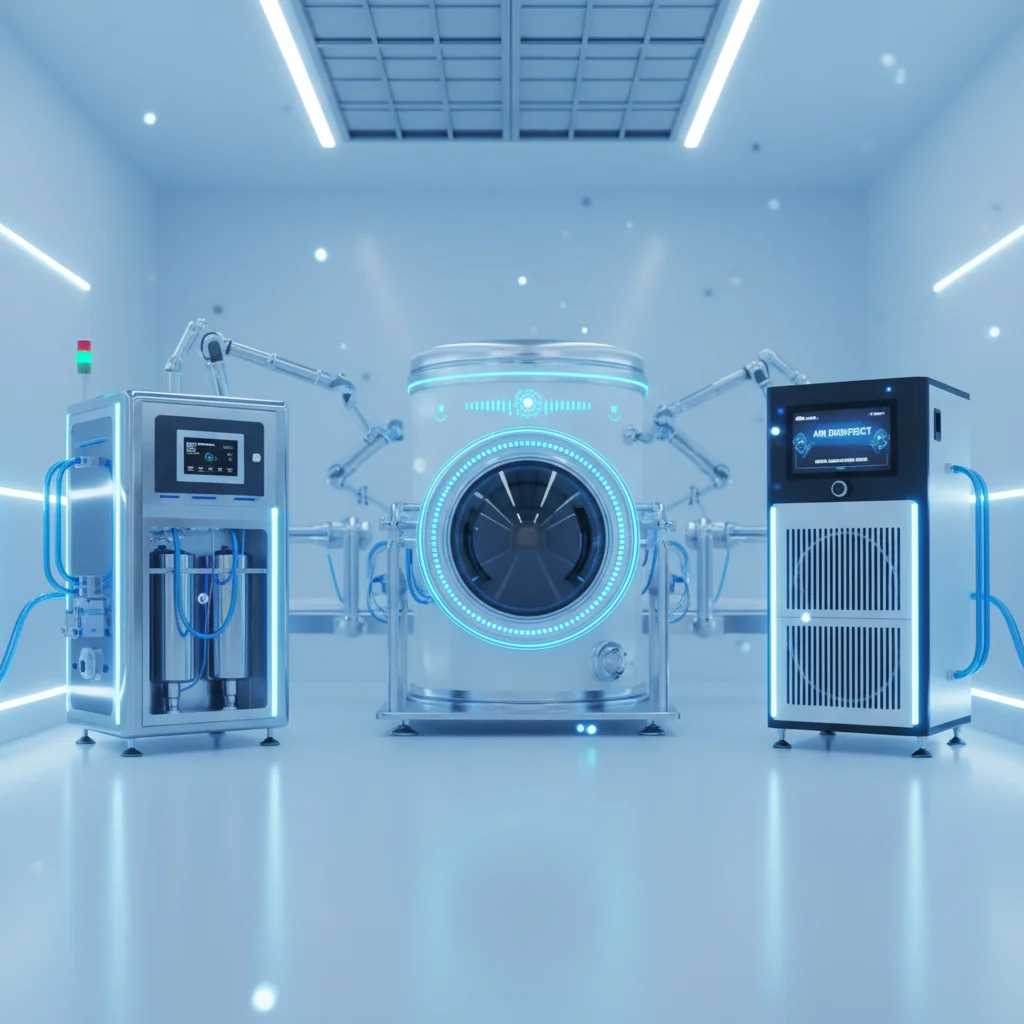
Air purifier medical devices represent a critical intersection of technology and healthcare, increasingly vital in a world grappling with rising air pollution and heightened awareness of airborne disease transmission. These specialized purifiers go beyond standard consumer models, offering hospital-grade filtration and precise control over air quality, making them indispensable in medical facilities, research laboratories, and even patient homes. Understanding their functionality, applications, and ongoing innovations is crucial for improving public health outcomes and ensuring optimal patient care.
The global demand for air purifier medical device is surging, driven by factors like increasing respiratory illnesses, stricter healthcare regulations, and the aftermath of events like the COVID-19 pandemic. According to the World Health Organization (WHO), 99% of the global population breathes air that exceeds WHO guideline limits, highlighting the pervasive need for effective air purification solutions. The market is projected to grow significantly in the coming years, fuelled by technological advancements and a greater emphasis on preventative healthcare measures.
Air purifier medical devices are not simply about removing dust; they’re about creating sterile or highly controlled environments crucial for sensitive medical procedures, protecting vulnerable patients, and preventing the spread of infectious agents. Their increasing sophistication and accessibility are transforming healthcare practices, offering a proactive approach to air quality management and a safer environment for both patients and medical professionals.
Defining Air Purifier Medical Devices
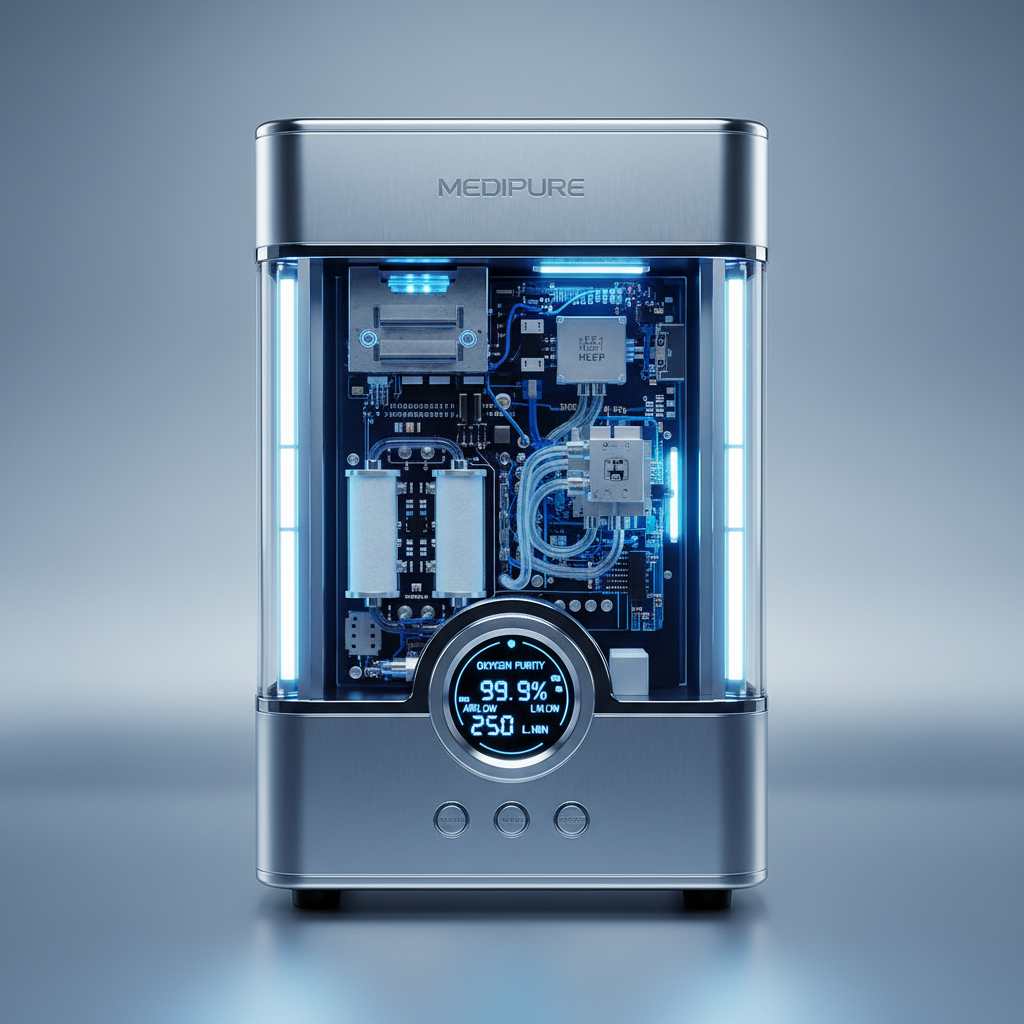
An air purifier medical device is a specialized air cleaning system designed and manufactured to meet stringent medical-grade standards. Unlike standard air purifiers aimed at household use, these devices focus on removing a broader spectrum of airborne contaminants – bacteria, viruses, fungal spores, volatile organic compounds (VOCs), and particulate matter – to levels critical for protecting vulnerable patient populations and maintaining sterile environments.
These devices aren't merely about improved air quality; they're about safeguarding health and facilitating successful medical outcomes. Their connection to modern healthcare is undeniable, playing a vital role in infection control, minimizing the risk of hospital-acquired infections, and supporting cutting-edge medical research requiring ultra-clean air environments.
Global Relevance and Industry Context
The need for air purifier medical device transcends geographical boundaries. Global air quality is deteriorating, especially in rapidly industrializing nations. The WHO estimates that air pollution causes 7 million premature deaths annually, with respiratory illnesses being a major contributor. This creates a substantial and growing demand for air purification solutions, particularly in healthcare settings. The ISO 14644-1 standard, for example, defines cleanroom classifications crucial for many medical applications, and air purifier medical devices are central to achieving these standards.
The healthcare industry is facing increasing pressure to minimize healthcare-associated infections (HAIs). Air purifier medical device play a critical role in reducing the spread of airborne pathogens in hospitals, operating rooms, and isolation wards. This is particularly important given the emergence of antibiotic-resistant strains of bacteria and the constant threat of new infectious diseases, like the recent global pandemics.
Beyond hospitals, these devices are finding applications in pharmaceutical manufacturing, biotechnology research, and other industries where maintaining a controlled air environment is paramount. The demand extends to specialized clinics, dental offices, and even home healthcare settings for patients with compromised immune systems or respiratory conditions.
Core Components & Technology
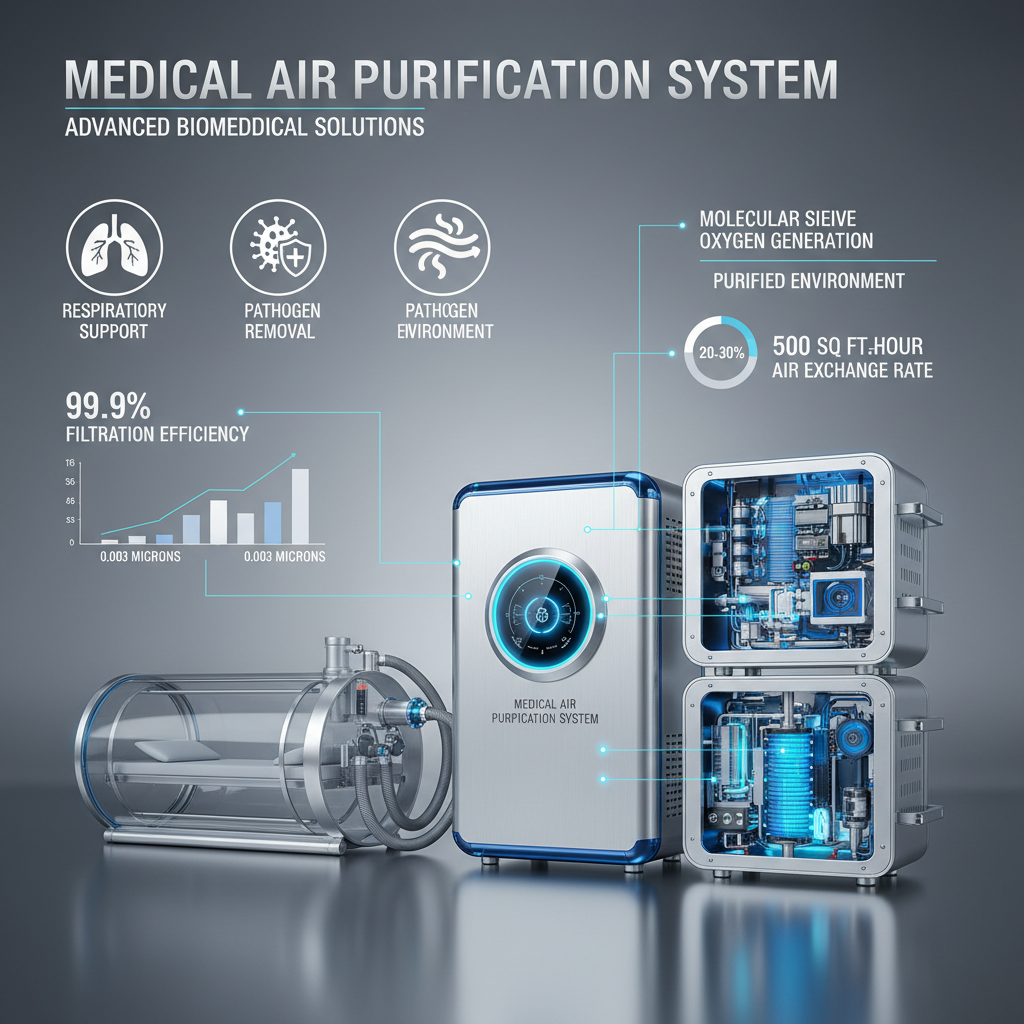
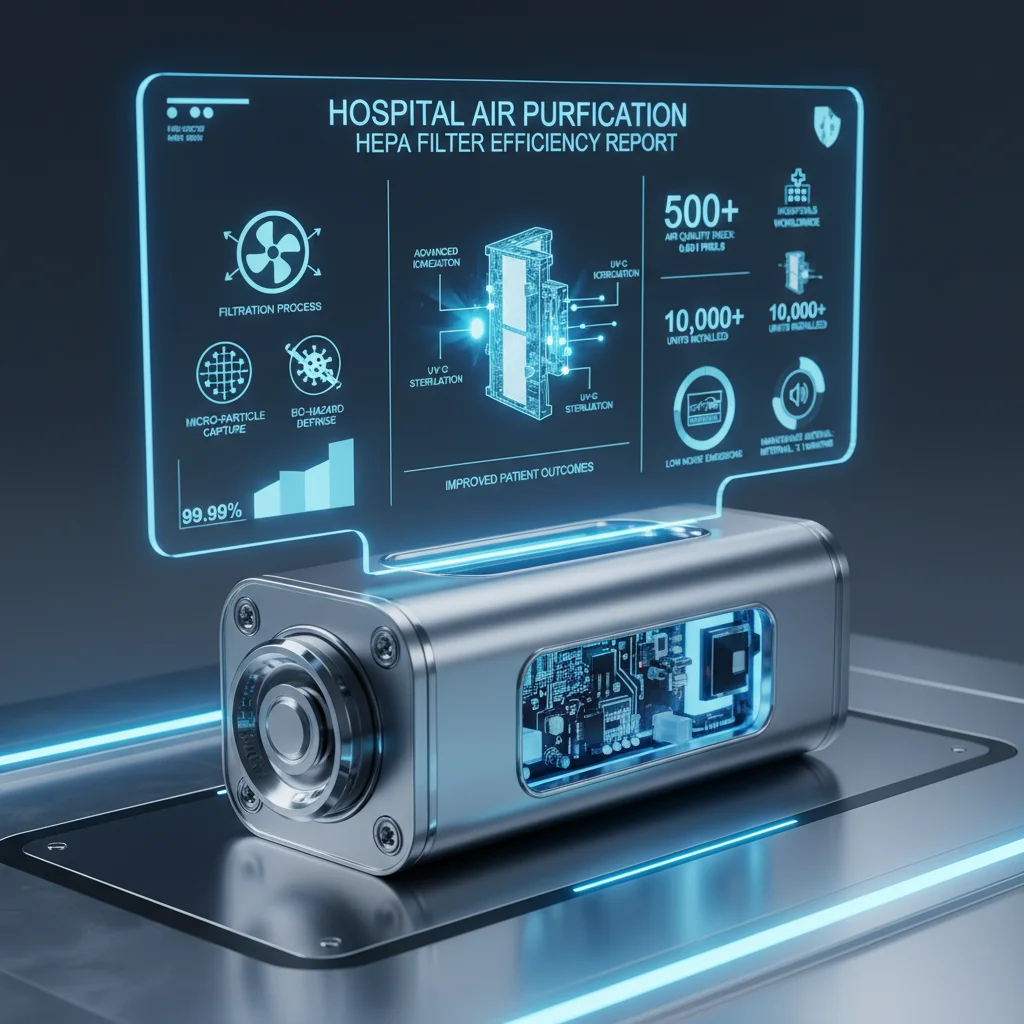
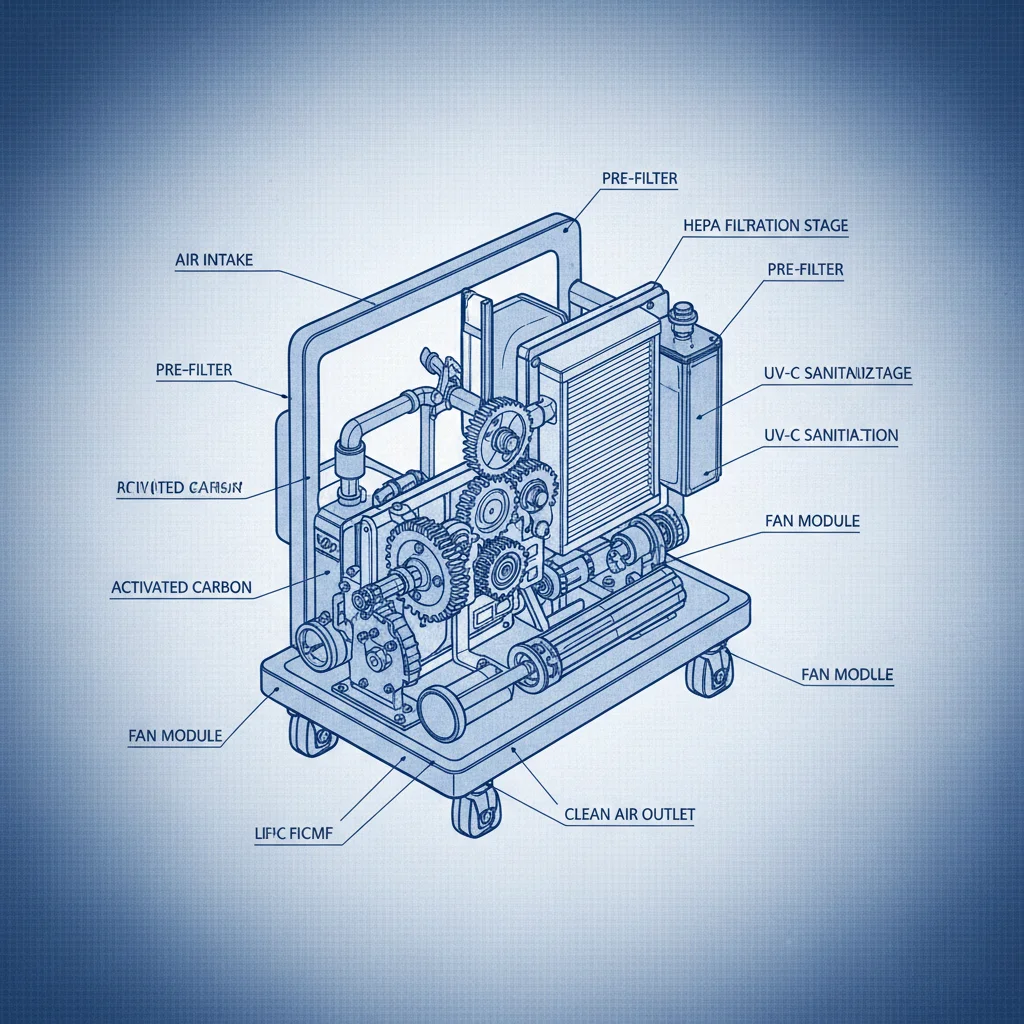
At the heart of an air purifier medical device is a multi-stage filtration system. Typically, this begins with a pre-filter to capture larger particles like dust and pollen. This extends the life of subsequent filters. Next, a HEPA (High-Efficiency Particulate Air) filter removes at least 99.97% of particles 0.3 microns in diameter – a crucial standard for medical-grade purification.
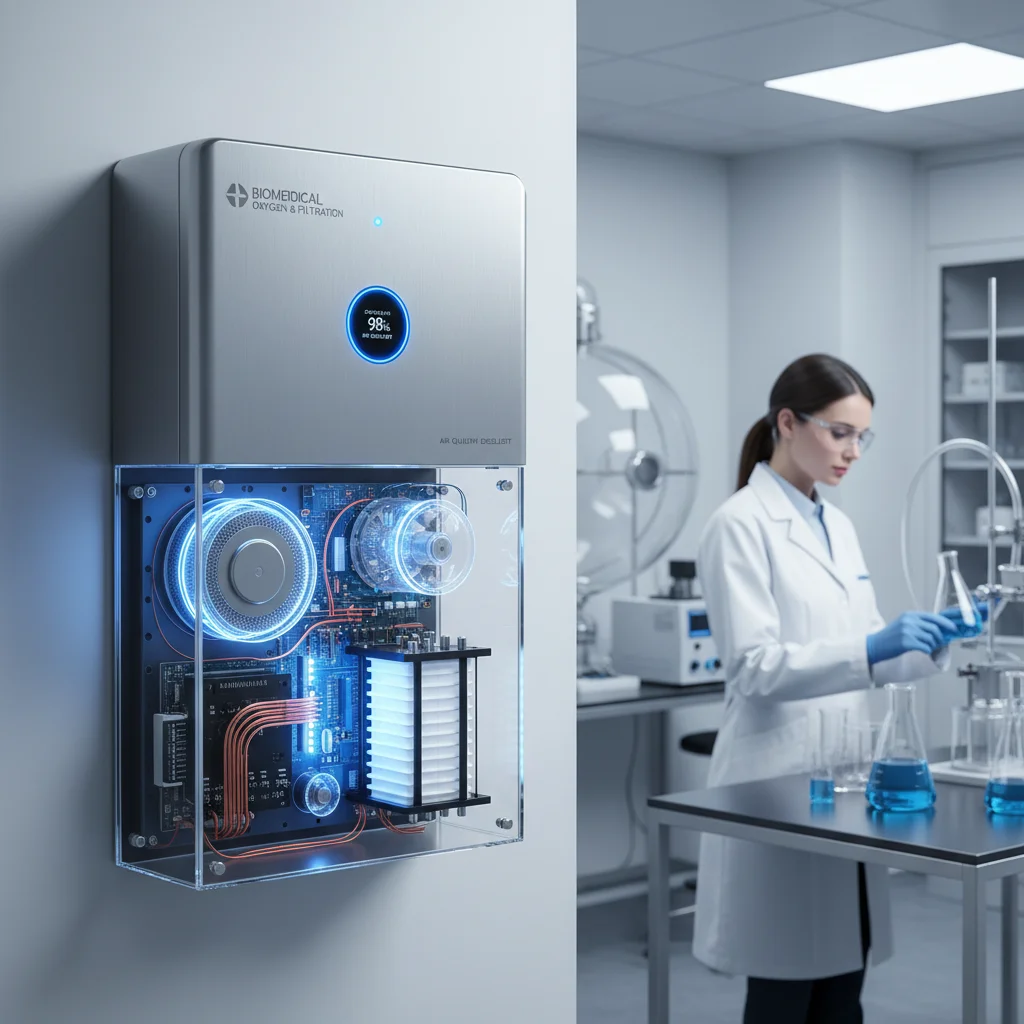
Many advanced air purifier medical device incorporate additional filtration technologies, such as activated carbon filters to remove VOCs and odors, and UV-C sterilization to neutralize bacteria and viruses. Furthermore, sophisticated sensors and control systems are integrated to monitor air quality in real-time and automatically adjust fan speed and filtration levels.
The efficiency and effectiveness of these components determine the device’s overall performance. Factors like filter material, airflow rate, and the presence of antimicrobial coatings contribute to the purifier’s ability to maintain a sterile or highly controlled environment. Newer technologies are also exploring the use of electrostatic precipitators and photoelectrochemical oxidation (PECO) for enhanced purification capabilities.
Key Performance Indicators of air purifier medical device
Evaluating an air purifier medical device requires consideration of several key performance indicators. Clean Air Delivery Rate (CADR) is a common metric, indicating the volume of purified air delivered per unit time. However, for medical applications, CADR alone isn't sufficient. Particle Count – the actual number of airborne particles of specific sizes – provides a more accurate assessment of purification effectiveness.
air purifier medical device Performance Comparison
Real-World Applications & Use Cases
Air purifier medical device are indispensable in hospital operating rooms, ensuring a sterile environment for surgical procedures and minimizing the risk of post-operative infections. They are also vital in intensive care units (ICUs) to protect critically ill patients with compromised immune systems. Beyond these core applications, they are used in isolation wards to contain airborne pathogens and prevent cross-contamination.
Pharmaceutical and biotechnology companies utilize these devices in cleanrooms to maintain strict quality control standards during drug manufacturing and research activities. Laboratories conducting research on infectious diseases rely on them to protect personnel from exposure to hazardous airborne pathogens. In post-disaster relief operations, portable air purifier medical device can provide safe breathing air in contaminated environments.
Advantages & Long-Term Value
The benefits of investing in air purifier medical device extend beyond immediate health improvements. Reduced rates of hospital-acquired infections translate to lower healthcare costs and improved patient outcomes. The long-term reliability of high-quality devices minimizes the need for frequent replacements, offering a strong return on investment. Furthermore, creating a safer and healthier environment for both patients and staff boosts morale and productivity.
Beyond the tangible benefits, these devices offer peace of mind, knowing that proactive measures are being taken to protect vulnerable populations. This fosters trust in healthcare providers and reinforces a commitment to patient safety. The ongoing development of more efficient and sustainable technologies continues to enhance the long-term value proposition of air purifier medical device.
Future Trends & Innovations
The future of air purifier medical device is poised for significant advancements. Researchers are actively developing new filtration materials with enhanced capture efficiency and antimicrobial properties. Smart air purification systems, incorporating AI and machine learning, will automatically optimize performance based on real-time air quality data and occupancy levels.
Integration with Building Management Systems (BMS) will allow for centralized control and monitoring of air quality across entire facilities. The trend towards sustainable manufacturing and energy-efficient designs will drive the development of devices with reduced carbon footprints. Moreover, the adoption of portable and wearable air purification technologies will expand access to clean air in a wider range of settings.
Challenges & Solutions
Despite the advancements, challenges remain. The cost of high-performance air purifier medical device can be a barrier for some healthcare facilities, particularly in resource-limited settings. Maintaining and replacing filters requires ongoing investment and proper training. Ensuring consistent performance and reliability in diverse environmental conditions is also a key concern.
Solutions include the development of more affordable and energy-efficient technologies, subscription-based filter replacement programs, and robust quality control measures. Standardization of performance testing and certification processes will enhance transparency and build confidence in the industry. Collaborative research efforts between manufacturers, healthcare providers, and regulatory agencies are crucial for addressing these challenges and driving continued innovation.
Addressing these issues will unlock the full potential of air purifier medical device, ensuring that they are accessible and effective in safeguarding public health globally.
Summarizing Key Challenges and Solutions for Air Purifier Medical Device Implementation
| Challenge |
Impact on Healthcare |
Proposed Solution |
Implementation Cost (Scale 1-10) |
| High Initial Investment |
Limited Access for Smaller Clinics |
Leasing Programs & Subsidies |
6 |
| Filter Replacement Costs |
Ongoing Operational Expense |
Subscription-Based Filter Services |
4 |
| Maintenance Complexity |
Potential for Reduced Efficiency |
Simplified Design & Remote Monitoring |
5 |
| Lack of Standardization |
Difficulties in Comparing Performance |
Industry-Wide Performance Standards |
7 |
| Energy Consumption |
Increased Operating Costs |
Energy-Efficient Motor & Design |
3 |
| Integration Challenges |
Difficulties with Existing BMS Systems |
Open-Source Communication Protocols |
8 |
FAQS
HEPA (High-Efficiency Particulate Air) filters capture at least 99.97% of particles 0.3 microns in diameter, a standard for medical-grade purification. ULPA (Ultra-Low Penetration Air) filters are even more efficient, capturing 99.999% of particles 0.12 microns in size. ULPA filters are typically used in environments demanding extremely high levels of cleanliness, like semiconductor manufacturing and certain pharmaceutical applications, while HEPA filters are sufficient for most medical settings.
Filter replacement frequency depends on the device’s usage, the air quality in the environment, and the type of filter. Pre-filters typically need replacement every 1-3 months. HEPA filters generally last 6-12 months, while activated carbon filters may need replacing every 3-6 months. Regular monitoring of filter condition and adherence to the manufacturer's recommendations are crucial for maintaining optimal performance.
Noise levels vary depending on the device and its fan speed. High-quality air purifier medical device are designed with noise reduction technologies, aiming for operation levels below 50-60 decibels. Many models offer multiple fan speeds, allowing users to balance air purification needs with noise preferences. Look for devices with dB ratings specified in the product information.
Look for certifications from recognized organizations like ISO 14644-1 for cleanroom compliance or adherence to standards set by regulatory bodies like the FDA. The product documentation should clearly state the certifications and testing results. Verify the authenticity of certifications through the certifying organization's website.
UV-C light can be harmful to skin and eyes, but air purifier medical device are designed with enclosed UV-C chambers to prevent exposure. The UV-C light is contained within the device and does not directly contact occupants. Ensure that the device is used according to the manufacturer's instructions and that any access panels are securely closed during operation.
While both improve air quality, they work differently. Air purifiers remove particles from the air using filters, while air sterilizers kill airborne microorganisms using technologies like UV-C light. Some air purifier medical device combine both purification and sterilization for a more comprehensive approach to air quality control. Sterilization is crucial in highly sensitive environments where eliminating live pathogens is paramount.
Conclusion
Air purifier medical device are no longer a luxury, but a necessity in ensuring healthy environments for patients, healthcare workers, and vulnerable populations. Their ability to remove airborne contaminants, reduce the risk of infection, and improve overall air quality makes them invaluable tools in modern healthcare and beyond. Investing in these devices is an investment in public health and safety.
Looking ahead, continued innovation in filtration technology, smart monitoring systems, and sustainable design will drive further improvements in performance and accessibility. By addressing the challenges of cost and standardization, we can ensure that the benefits of air purifier medical device are available to all who need them. For more information on selecting the right air purifier medical device for your needs, visit our website: air purifier medical device.