Hit enter to search or ESC to close
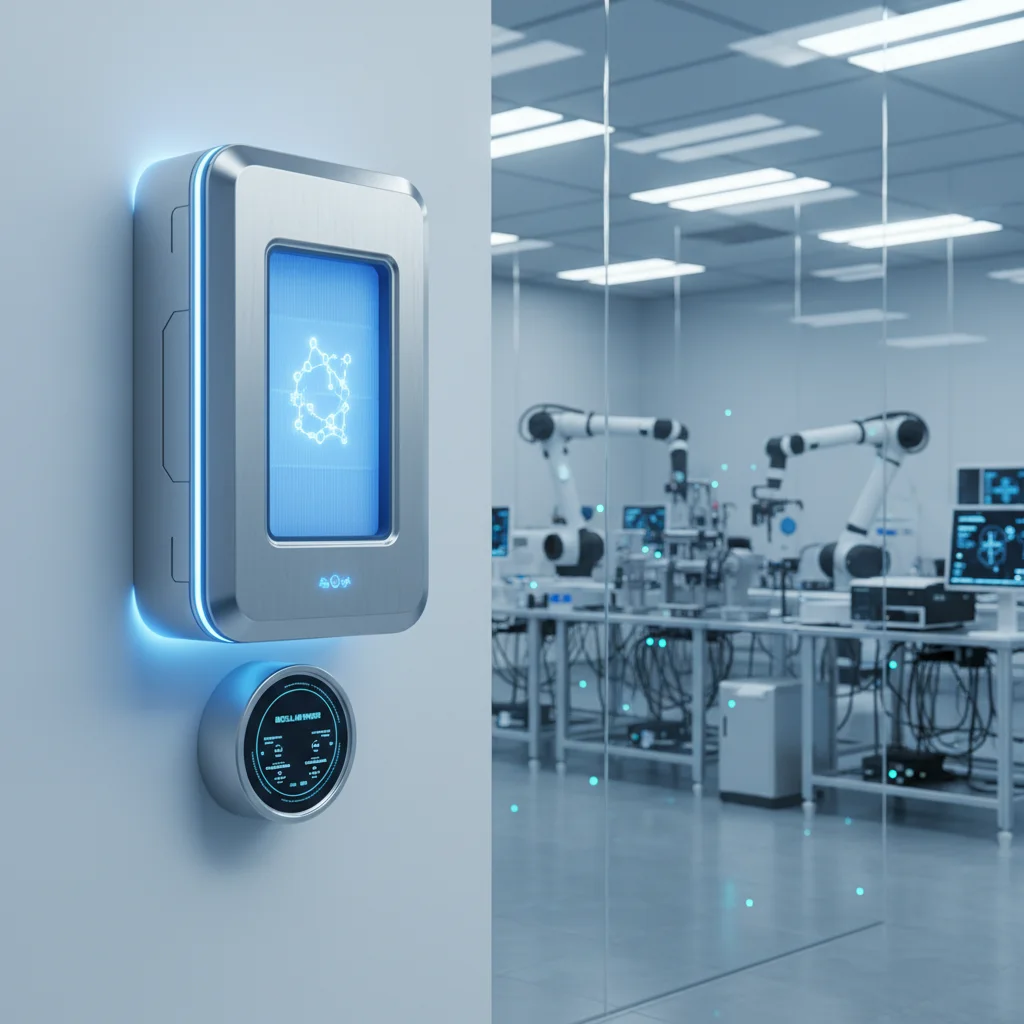
Hospital air filtration systems are critical components in maintaining sterile and safe environments within healthcare facilities. These systems are designed to remove airborne contaminants like dust, pollen, bacteria, viruses, and fungal spores, protecting patients, medical staff, and visitors from healthcare-associated infections (HAIs). The increasing focus on infection control, coupled with the rise of antibiotic-resistant bacteria, has driven a global demand for advanced air purification technologies in hospitals.
The importance of effective hospital air filtration systems extends beyond infection prevention. They also play a vital role in managing allergens and irritants that can exacerbate respiratory conditions, improving the overall indoor air quality and patient comfort. Investments in these systems contribute directly to enhanced patient outcomes, reduced recovery times, and lowered healthcare costs.
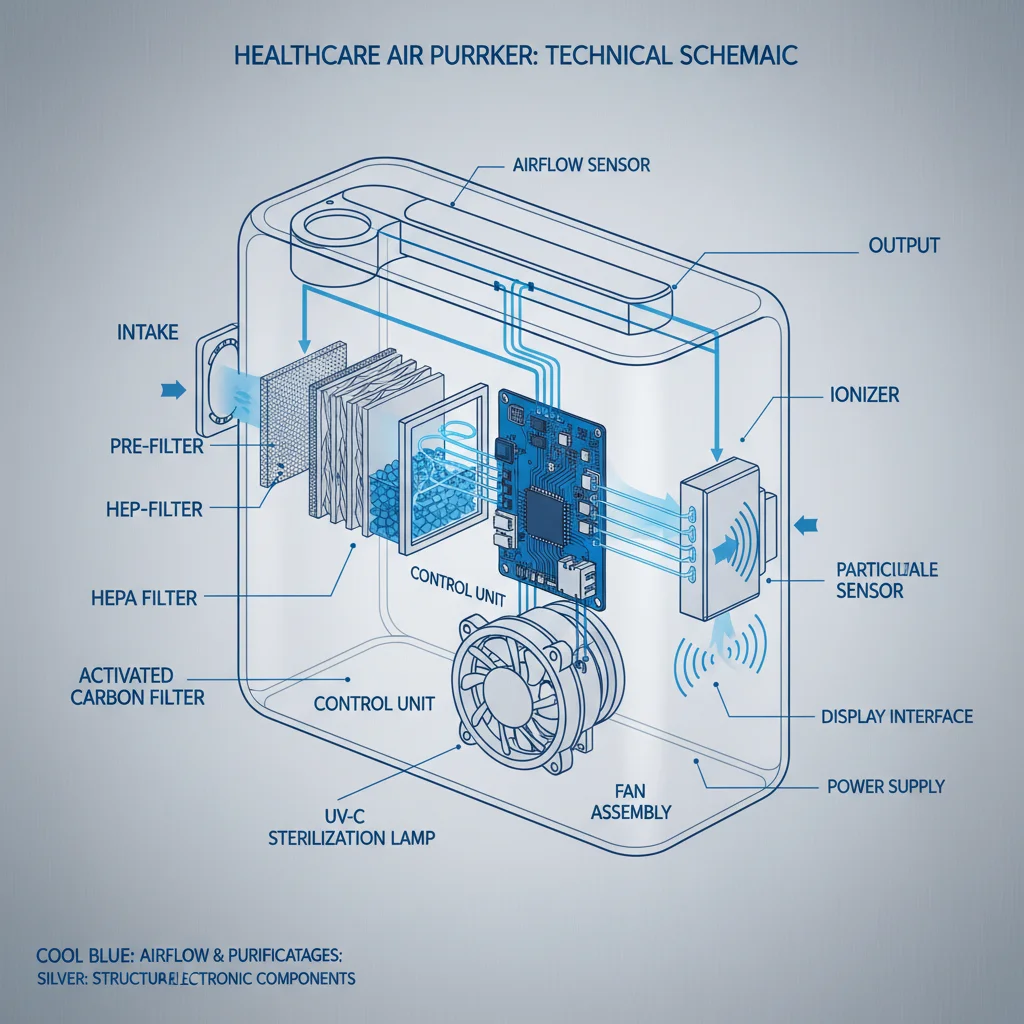
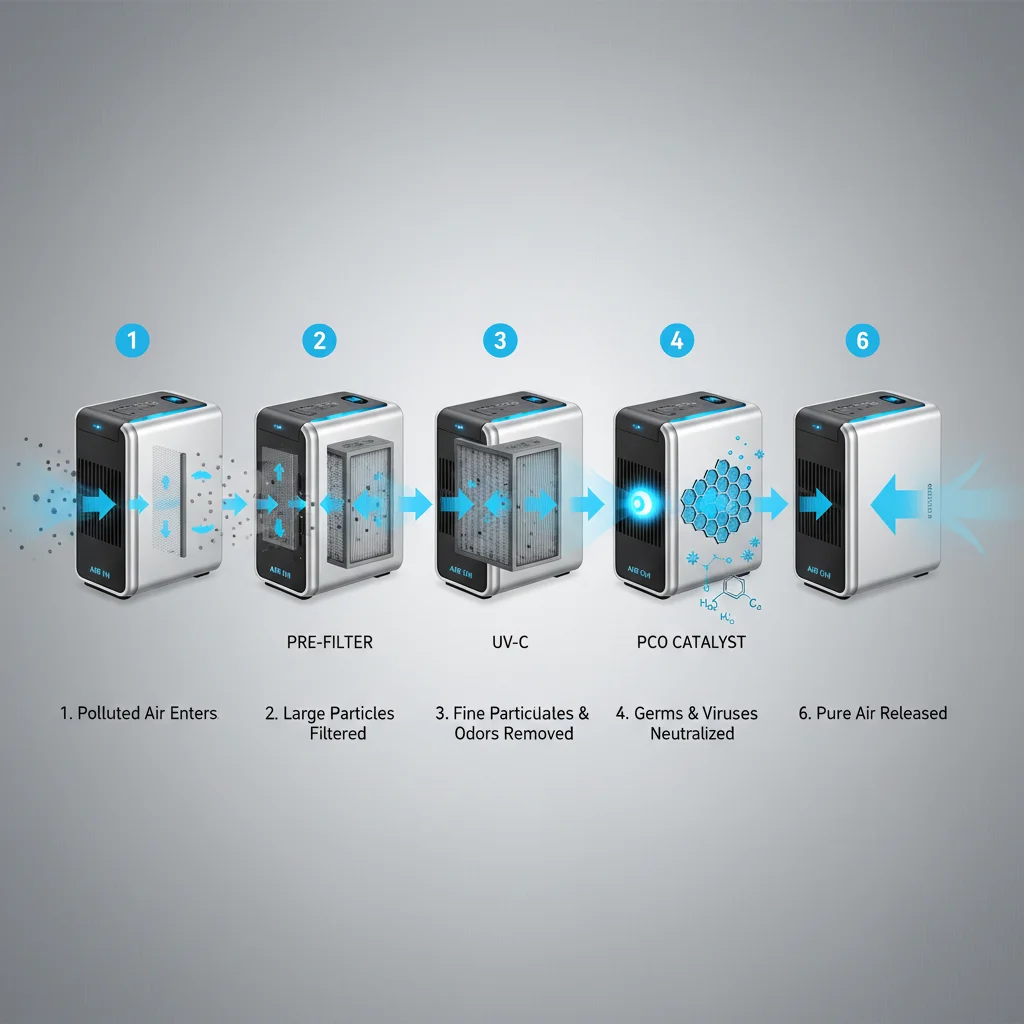
Modern hospital air filtration relies on a combination of pre-filtration, HEPA filters, and often, UV-C disinfection. Understanding the nuances of these systems – their efficacy, maintenance requirements, and optimal application – is crucial for hospital administrators, infection control professionals, and facilities managers alike. The future of these systems lies in smart technologies and integrated building management solutions.
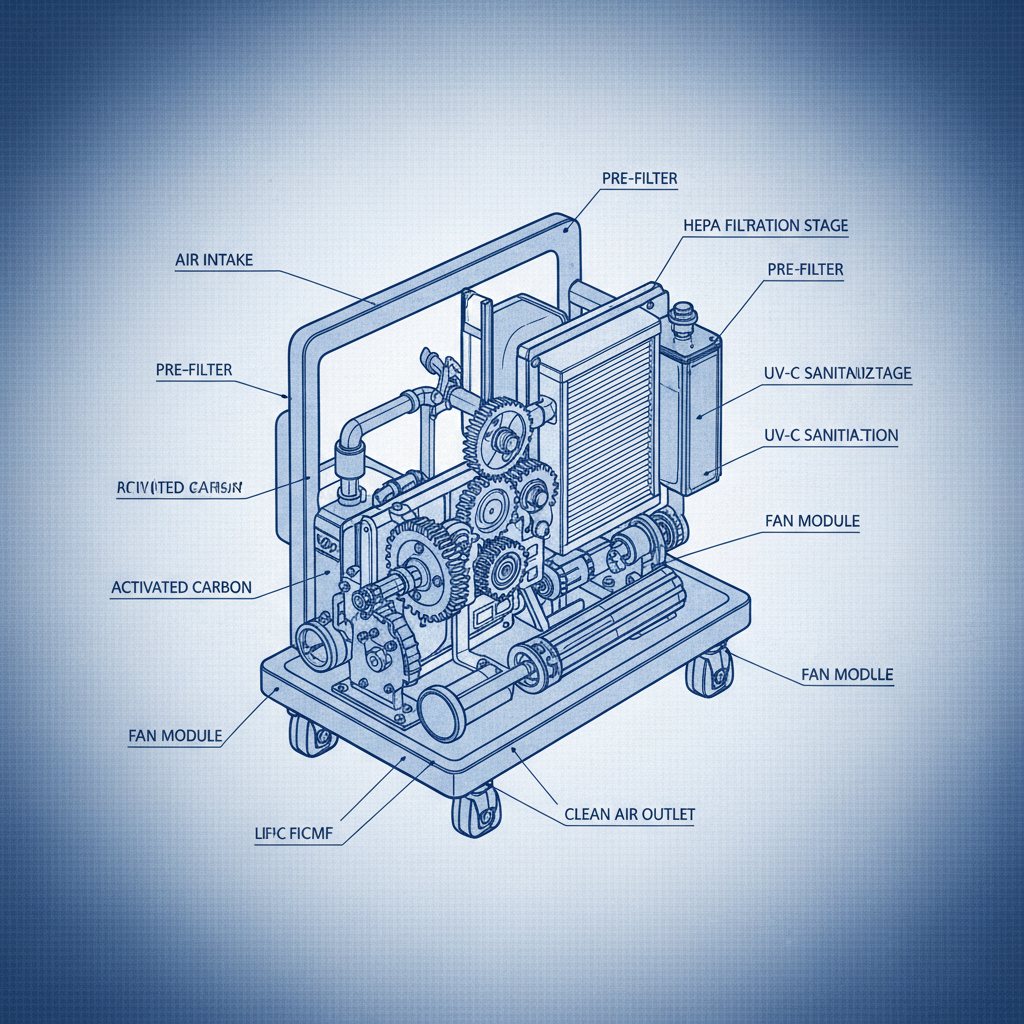
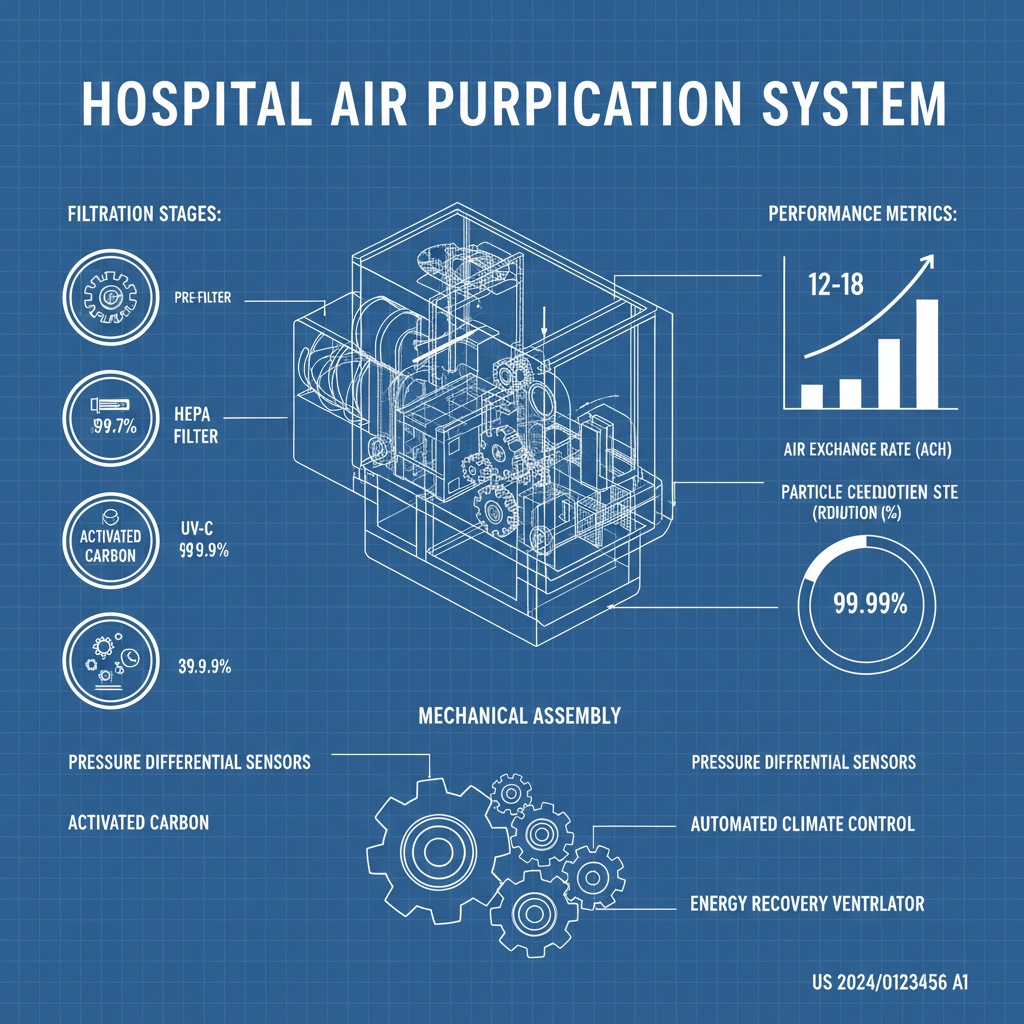
Hospital air filtration systems aren’t simply about removing dust; they are integral to preventing the spread of airborne diseases and maintaining a safe environment for vulnerable patients. The efficacy of these systems directly impacts patient recovery rates, reduces the incidence of secondary infections, and lowers the overall cost of healthcare. Modern hospitals are increasingly adopting advanced filtration technologies to meet stringent air quality standards.
The ongoing threat of pandemics and the emergence of new viral strains have underscored the crucial role of robust air purification systems. Hospitals are now prioritizing investments in systems capable of capturing even the smallest airborne particles, ensuring a higher level of protection against infectious agents. These systems are becoming a cornerstone of infection control protocols worldwide.
HEPA (High-Efficiency Particulate Air) filters are far more effective than standard air filters. Standard filters typically capture larger particles, while HEPA filters remove at least 99.97% of particles 0.3 microns in size – including bacteria, viruses, and fungal spores. Hospitals use HEPA filters to maintain sterile environments and prevent the spread of airborne infections, something standard filters cannot achieve.
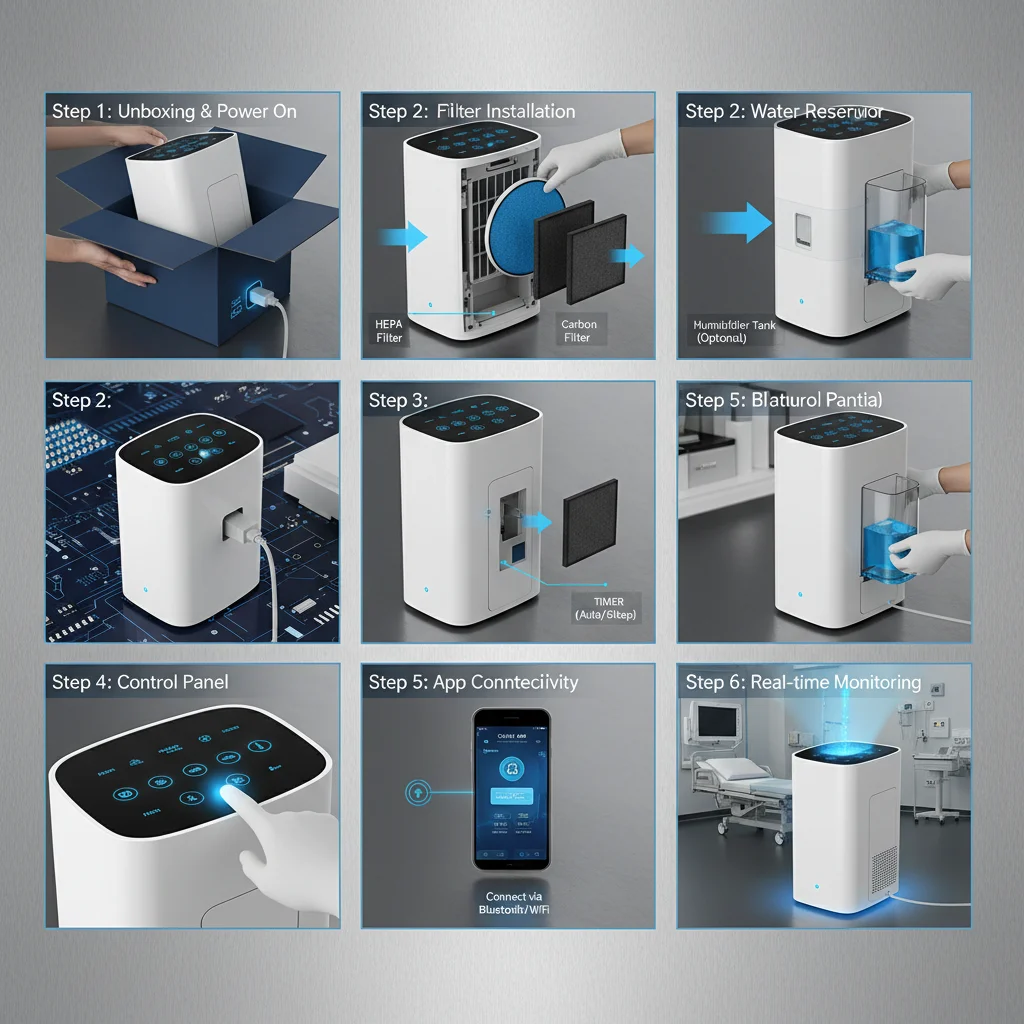
The frequency of filter replacement depends on several factors, including the type of filter, the air quality in the area, and the usage rate. Pre-filters should be checked monthly and replaced as needed. HEPA filters generally have a lifespan of 6-12 months, but should be monitored for pressure drop and replaced when performance declines. Regular maintenance and adherence to manufacturer’s recommendations are vital.
No, UVGI (Ultraviolet Germicidal Irradiation) is typically used as a supplemental disinfection method, not a substitute for HEPA filtration. UVGI inactivates microorganisms by damaging their DNA, but it doesn’t remove particulate matter. HEPA filters physically remove particles from the air, while UVGI addresses biological contaminants. A combination of both technologies offers the most comprehensive air purification.
Negative pressure ventilation creates lower air pressure within a room compared to surrounding areas. This prevents air from flowing out of the room, containing airborne contaminants within it. It's crucial for isolation rooms where patients with airborne infectious diseases are treated. Air is drawn into the room through filtered supply vents and exhausted through HEPA filters.
Costs vary widely depending on the size of the facility, the type of system, and the level of filtration required. Initial installation can be significant, but the long-term benefits (reduced infections, lower healthcare costs) often outweigh the investment. Ongoing maintenance, including filter replacements and system checks, adds to the operational expense. However, prioritizing air quality is a cost-effective approach to patient safety.
Ensuring compliance requires regular inspections, testing, and documentation. Adhere to guidelines set by organizations like ASHRAE, the CDC, and local regulatory bodies. Engage qualified HVAC professionals for system maintenance and performance verification. Maintain detailed records of filter replacements, system inspections, and air quality monitoring data for audit purposes.
Hospital air filtration systems are far more than just a component of building infrastructure; they are essential for patient safety, infection control, and the overall quality of healthcare. From HEPA filters to UVGI, these technologies work together to create sterile environments, reducing the risk of airborne diseases and improving patient outcomes. Investing in advanced air filtration is not simply a matter of compliance but a demonstration of commitment to patient well-being.
Looking ahead, we can expect to see increased adoption of smart filtration systems, nanomaterials, and integrated building management solutions. Continuous monitoring, proactive maintenance, and a dedication to innovation will be key to maintaining the highest standards of air quality in healthcare facilities, protecting patients and staff alike. For comprehensive solutions and expert guidance, visit our website at storeoxygen.com.