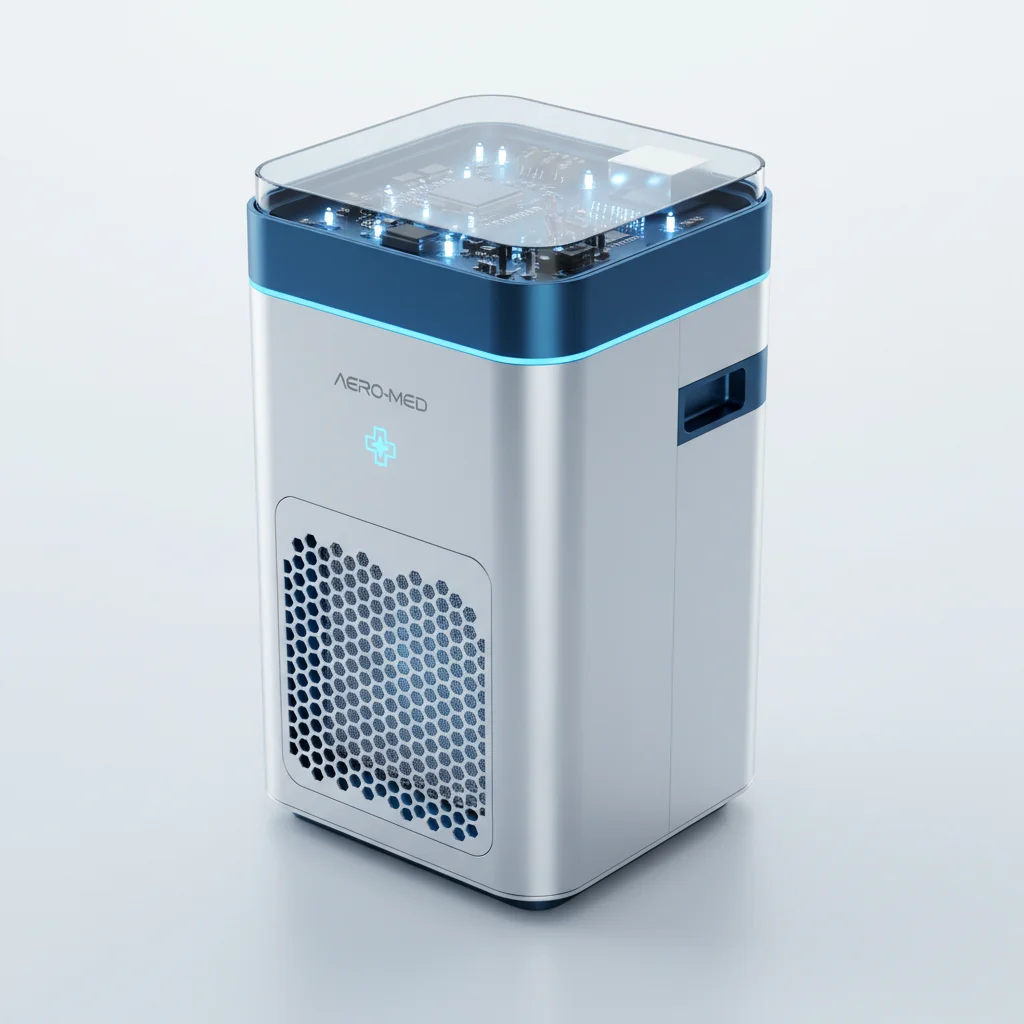
Wall mount air cleaners are increasingly vital components in maintaining air quality, especially within medical facilities and specialized industrial settings. The demand for pristine air is driven by a growing awareness of airborne contaminants and their impact on health and productivity, fueling innovation in filtration technologies. These systems, unlike traditional floor-standing units, offer space-saving solutions and targeted air purification, proving essential for sensitive environments where cleanroom standards are paramount.
Globally, the need for effective air purification is escalating due to factors like increased urbanization, industrial pollution, and emerging infectious diseases. The medical device manufacturing sector, particularly in areas like oxygen generation and hyperbaric chambers, requires stringent air quality controls to ensure product integrity and patient safety. Investing in a reliable wall mount air cleaner isn’t merely about compliance; it’s about safeguarding public health and fostering a conducive work environment.
The rise of advanced materials and miniaturization has enabled the creation of highly efficient and compact wall mount air cleaners. These devices are becoming integral to modern healthcare and industrial practices, offering a proactive approach to air quality management.
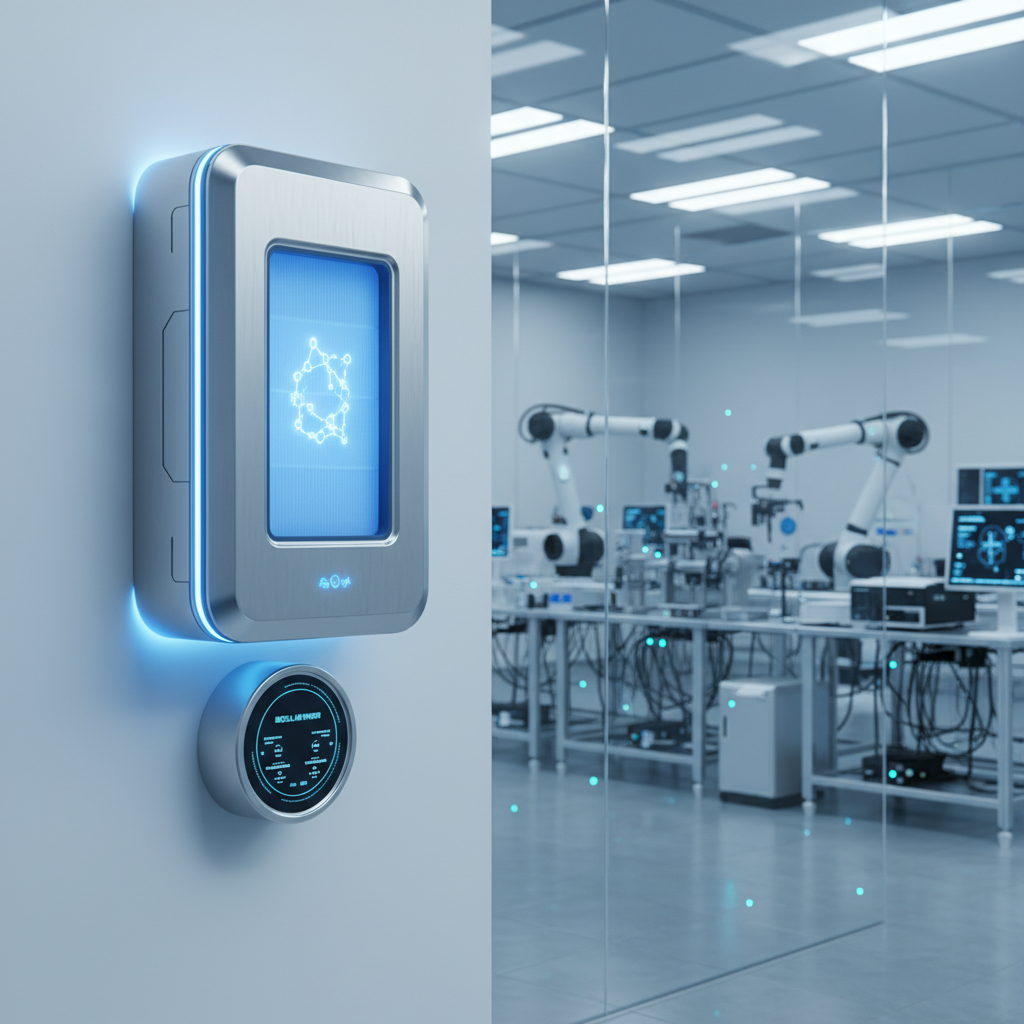
The Importance of Wall Mount Air Cleaners
In environments like medical oxygen generation facilities and hyperbaric chamber rooms, maintaining air purity is not merely a matter of comfort, but of critical safety. Wall mount air cleaners effectively remove particulate matter, volatile organic compounds (VOCs), and other airborne contaminants that can compromise both equipment performance and patient well-being. They provide a consistent and reliable source of clean air, minimizing the risk of infection and ensuring optimal operational efficiency.
Furthermore, the strategic placement afforded by wall mounting optimizes airflow patterns, enhancing the overall effectiveness of air purification. This is particularly crucial in areas with limited floor space or complex ventilation systems, allowing for targeted contamination control and a healthier indoor environment.
Defining Wall Mount Air Cleaner Technology
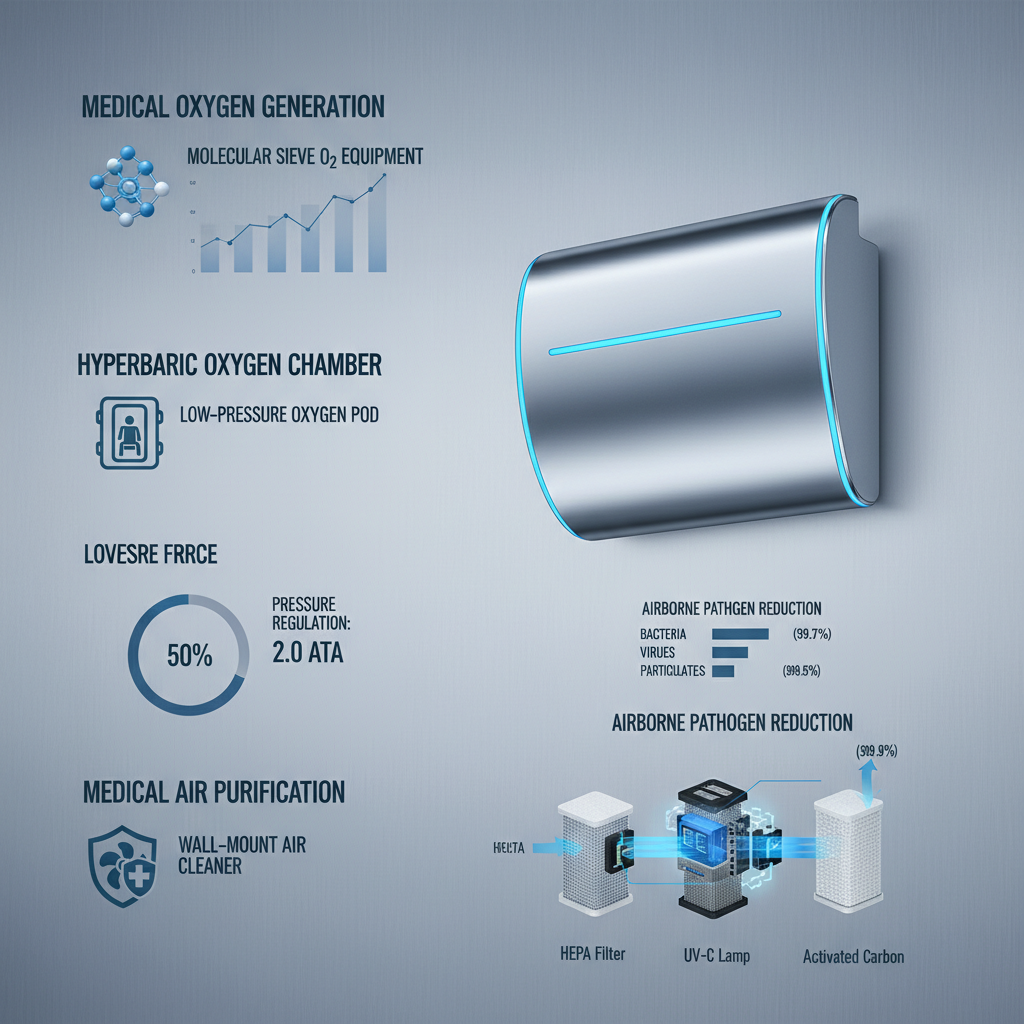
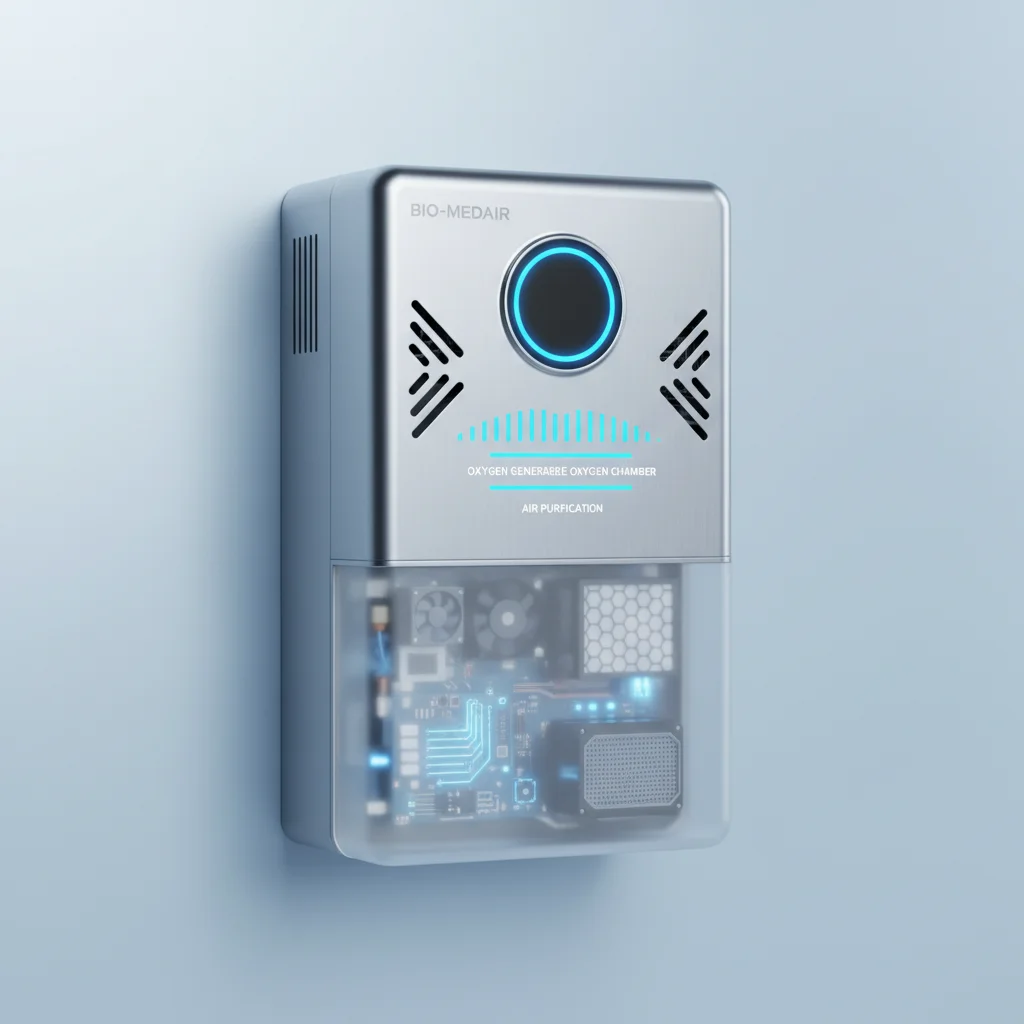
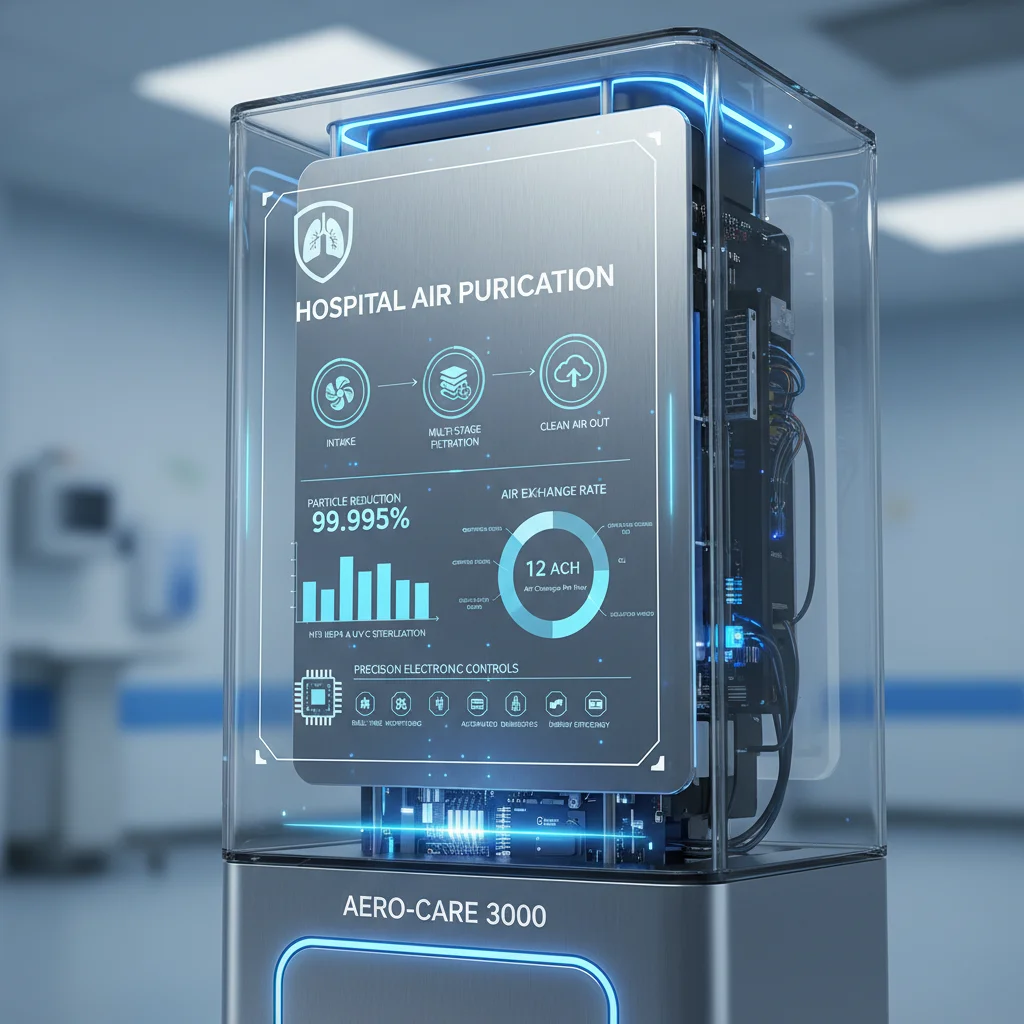
A wall mount air cleaner is an air purification system designed to be affixed directly to a wall, offering a space-saving alternative to freestanding units. These systems typically employ a multi-stage filtration process, incorporating pre-filters for larger particles, HEPA filters for microscopic contaminants, and activated carbon filters for odor and VOC removal. Modern units often integrate UV-C sterilization technology for enhanced disinfection.
The connection to modern industry is particularly strong in sectors requiring strict adherence to cleanroom standards. Medical device manufacturers, pharmaceutical companies, and research laboratories rely heavily on these systems to prevent contamination during critical processes. They bridge the gap between maintaining environmental control and maximizing usable space.
Beyond industrial applications, wall mount air cleaners are playing an increasingly vital role in humanitarian efforts, providing clean air in temporary medical facilities and disaster relief zones. Their portability and ease of installation make them a practical solution for rapidly deploying air purification in challenging circumstances.
Core Components and Operational Factors
The effectiveness of a wall mount air cleaner hinges on several key components. The filter system – typically incorporating pre-filters, HEPA, and activated carbon – is paramount. The fan motor’s capacity dictates airflow rate, and the unit’s housing materials influence durability and noise levels. Sensor technology, in advanced models, enables automated adjustments based on real-time air quality data.
Operational factors also significantly impact performance. Regular filter replacement is critical to maintain efficiency, and proper unit sizing is essential to ensure adequate air exchange rates for the space. Effective integration with existing HVAC systems can further optimize air purification, while strategic placement prevents dead zones and maximizes contaminant removal.
Understanding these components and operational nuances empowers users to select a wall mount air cleaner tailored to their specific needs and to ensure long-term optimal performance, minimizing maintenance costs and maximizing the benefits of a cleaner, healthier environment.
Applications Across Medical and Industrial Sectors
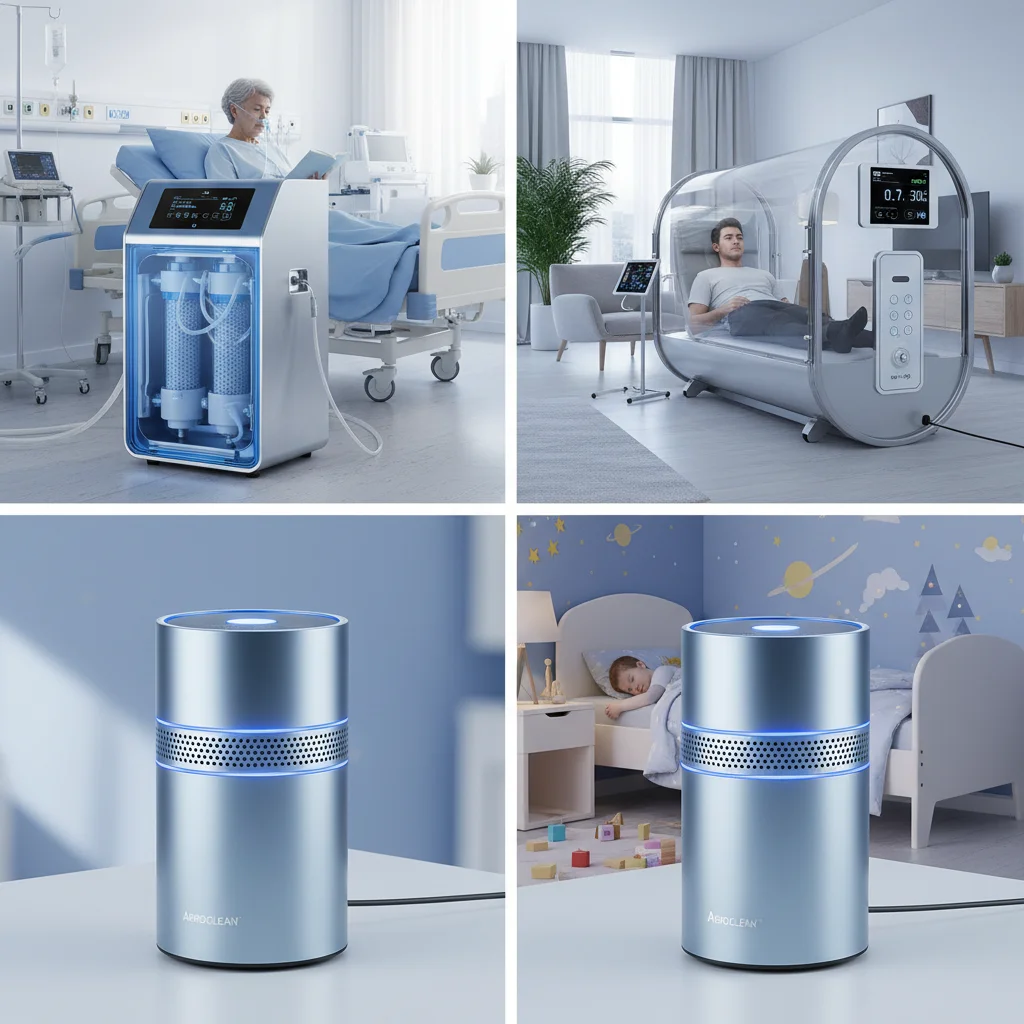
The application of wall mount air cleaners extends across a broad spectrum of industries. Within the medical sector, they are crucial in operating rooms, intensive care units, dental clinics, and pharmaceutical production facilities, safeguarding patients and personnel from airborne pathogens. They're also essential in areas utilizing medical oxygen generators and hyperbaric chambers, ensuring the purity of the oxygen supply.
In industrial settings, these systems are vital in electronics manufacturing, where even microscopic dust particles can compromise product quality. They're also used extensively in food processing plants to maintain hygienic conditions and prevent contamination. In remote industrial zones, where air quality may be compromised by external pollutants, they provide a crucial layer of protection.
Wall Mount Air Cleaner Performance Metrics
Advantages and Long-Term Value Proposition
The benefits of investing in a wall mount air cleaner extend far beyond immediate air quality improvements. Cost efficiency stems from reduced healthcare expenses associated with airborne illnesses and increased productivity due to a healthier workforce. Sustainability is enhanced through energy-efficient models and long filter lifespans, minimizing environmental impact.
From a social impact perspective, providing clean air promotes well-being and creates a more comfortable and productive environment for all occupants. The inherent reliability of well-maintained systems fosters trust and confidence, whether in a medical facility or an industrial setting. Ultimately, a wall mount air cleaner represents a proactive investment in a healthier future.
Future Trends and Technological Advancements
The future of wall mount air cleaner technology is poised for significant innovation. Integration with smart building systems and IoT sensors will enable real-time monitoring and automated adjustments, optimizing performance and reducing energy consumption. Development of advanced filtration materials, such as graphene-based filters, promises even greater efficiency in removing ultrafine particles and emerging contaminants.
Further advancements will likely focus on miniaturization, allowing for more discreet and versatile deployment options. The convergence of air purification with other environmental control technologies, such as humidity control and CO2 reduction, will lead to more holistic indoor air quality solutions.
Challenges and Potential Solutions
Despite their advantages, wall mount air cleaners face certain challenges. Maintaining consistent filter replacement schedules can be a logistical hurdle, particularly in large facilities. Noise levels, while generally low, can be a concern in sensitive environments. Initial installation costs, especially for advanced models, may represent a barrier to entry for some organizations.
Solutions include implementing automated filter subscription services, utilizing noise dampening materials in unit construction, and exploring leasing or financing options to mitigate upfront costs. Furthermore, the development of predictive maintenance algorithms, leveraging sensor data, can optimize filter replacement intervals and minimize downtime.
Addressing these challenges proactively will pave the way for broader adoption and ensure that the full potential of wall mount air cleaner technology is realized.
Summary of Wall Mount Air Cleaner Operational Challenges and Solutions
| Challenge |
Impact on Performance |
Potential Solution |
Implementation Cost (Scale 1-10) |
| Irregular Filter Replacement |
Reduced Filtration Efficiency |
Automated Subscription Service |
3 |
| High Noise Levels |
Disturbance in Quiet Environments |
Noise Dampening Materials |
5 |
| High Initial Cost |
Barrier to Adoption |
Leasing or Financing Options |
4 |
| Improper Unit Sizing |
Inefficient Air Exchange |
Professional Airflow Analysis |
6 |
| Lack of Monitoring |
Unidentified System Issues |
IoT Sensor Integration |
7 |
| Poor Placement |
Uneven Air Distribution |
Strategic Airflow Modeling |
5 |
FAQS
Wall mount air cleaners offer significant space-saving benefits, making them ideal for facilities with limited floor space. They can be strategically positioned for optimal airflow and are often less disruptive than freestanding units. Floor-standing models, while potentially offering higher airflow rates, require dedicated floor space and may be more prone to accidental damage or obstruction. Ultimately, the best choice depends on the specific needs of the environment.
Filter replacement frequency depends on several factors, including the air quality in your environment and the type of filters used. As a general guideline, pre-filters should be replaced every 1-3 months, HEPA filters every 6-12 months, and activated carbon filters every 3-6 months. Regularly checking the filters for visible dirt and debris is a good practice, and automated filter subscription services can help ensure timely replacements.
Noise levels vary depending on the model and fan speed. However, most modern wall mount air cleaners are designed for quiet operation, typically producing between 30-50 decibels. Units utilizing noise dampening materials and variable fan speeds offer greater control over noise levels. It's advisable to check the manufacturer's specifications for decibel ratings before purchasing.
Many wall mount air cleaners are designed with energy efficiency in mind. Look for models with Energy Star certification and variable fan speeds, allowing you to adjust the airflow and energy consumption based on your needs. Utilizing smart controls and scheduling features can further optimize energy savings. Modern units often consume significantly less energy than older models.
While HEPA filters are highly effective at capturing airborne particles, including those carrying viruses and bacteria, they don't necessarily kill them. Some wall mount air cleaners incorporate UV-C sterilization technology, which can deactivate viruses and bacteria. However, the effectiveness of UV-C sterilization depends on factors like exposure time and UV-C intensity.
Regular maintenance primarily involves filter replacement. Periodic cleaning of the unit's exterior and intake vents is also recommended. Inspecting the fan motor and electrical connections for any signs of wear or damage is crucial for ensuring long-term performance and safety. Following the manufacturer's maintenance guidelines will help maximize the lifespan of your air cleaner.
Conclusion
Wall mount air cleaners represent a vital component in safeguarding indoor air quality, particularly within sensitive medical and industrial environments. Their space-saving design, coupled with advancements in filtration technology, provides a powerful and versatile solution for removing airborne contaminants and creating healthier, more productive spaces. Investing in a quality system is an investment in the well-being of individuals and the integrity of critical processes.
Looking ahead, continued innovation in smart technologies and filtration materials will further enhance the effectiveness and efficiency of these systems. By proactively addressing the challenges of filter maintenance, noise levels, and upfront costs, we can unlock the full potential of wall mount air cleaners and build a future where clean air is accessible to all. For the best in oxygen generation and air purification solutions, visit our website today: www.storeoxygen.com.