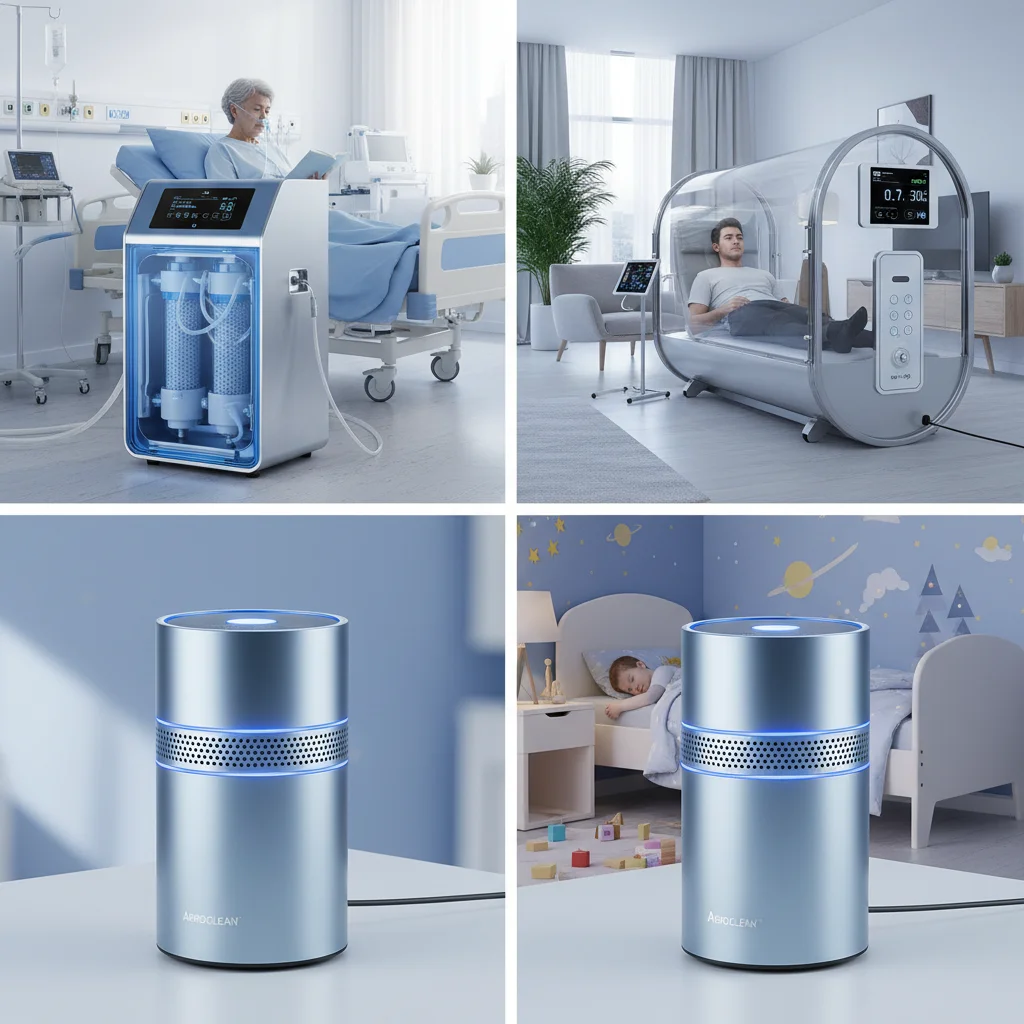
Clinical air purifiers are becoming increasingly vital in a world grappling with rising air pollution and heightened health concerns. From hospitals and healthcare facilities to homes and offices, the demand for effective air purification solutions is growing exponentially. A clinical air purifier isn't merely about removing dust; it’s about safeguarding health, improving indoor air quality, and creating environments conducive to well-being. Understanding their function and benefits is crucial for protecting vulnerable populations and promoting public health.
Globally, the World Health Organization estimates that 99% of the population breathes air exceeding WHO guideline limits for pollutants. This has direct implications for respiratory illnesses, cardiovascular diseases, and overall mortality rates. The increasing prevalence of these conditions underscores the urgent need for proactive air quality management. Investing in effective clinical air purifier technology is no longer a luxury but a necessity, particularly in densely populated urban areas and environments with specific contamination risks.
The growing focus on indoor air quality, spurred by events like the COVID-19 pandemic, has further amplified the demand for clinical air purification systems. These systems aren’t just reactive measures; they're preventative tools that enhance overall environmental health and contribute to a more sustainable and resilient future. The future of air quality management relies heavily on continued innovation and wider adoption of these crucial technologies.
The Importance of Clinical Air Purifiers
The significance of clinical air purifiers extends far beyond simply removing allergens or odors. These devices play a critical role in mitigating the spread of airborne pathogens, reducing the risk of respiratory infections, and improving the overall health and well-being of individuals in various environments. Hospitals, clinics, and research facilities rely heavily on clinical air purifier systems to maintain sterile conditions and protect vulnerable patients.
Furthermore, clinical air purification addresses the growing concern of volatile organic compounds (VOCs) released from building materials, furniture, and cleaning products. Prolonged exposure to VOCs can lead to a range of health problems, including headaches, dizziness, and even more serious conditions. Utilizing advanced filtration technologies within a clinical air purifier actively minimizes these risks, creating a healthier indoor atmosphere.
Defining Clinical Air Purification
Clinical air purification refers to the process of removing contaminants from the air, specifically targeting microorganisms like bacteria, viruses, and fungi, as well as particulate matter and harmful gases. Unlike standard air purifiers focused on general air quality improvement, clinical air purifiers are designed to meet stringent standards for infection control and air sterility, often employed in healthcare settings.
This technology connects directly to modern healthcare practices and public health initiatives by helping to prevent hospital-acquired infections (HAIs) and reduce the transmission of airborne diseases. The demand for robust air purification systems has increased significantly due to the growing awareness of the link between air quality and human health, establishing it as a vital component of preventive healthcare.
Essentially, a clinical air purifier isn’t simply about cleaning the air; it’s about creating a safe and healthy environment, particularly for individuals with compromised immune systems or those undergoing medical treatment. It's an indispensable part of a holistic approach to patient care and public safety.
Core Components of Effective Air Purification
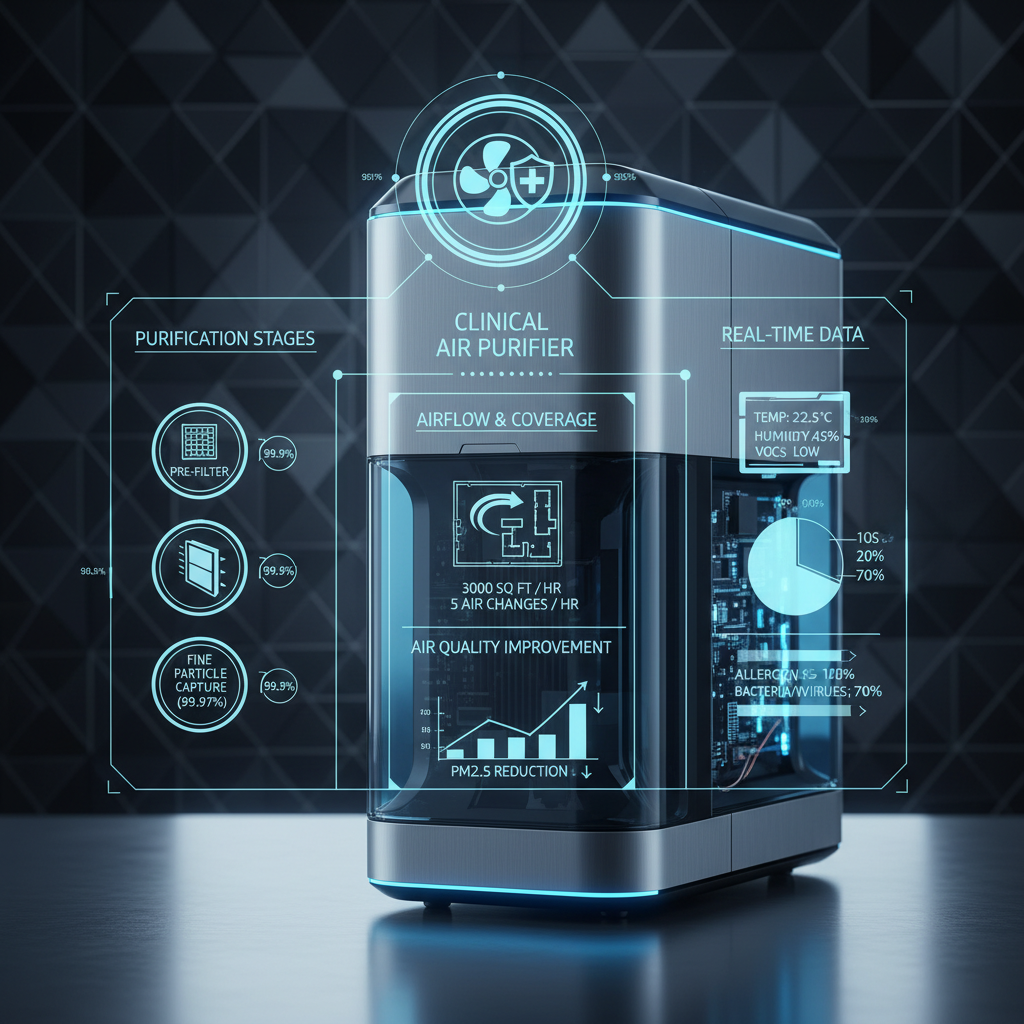
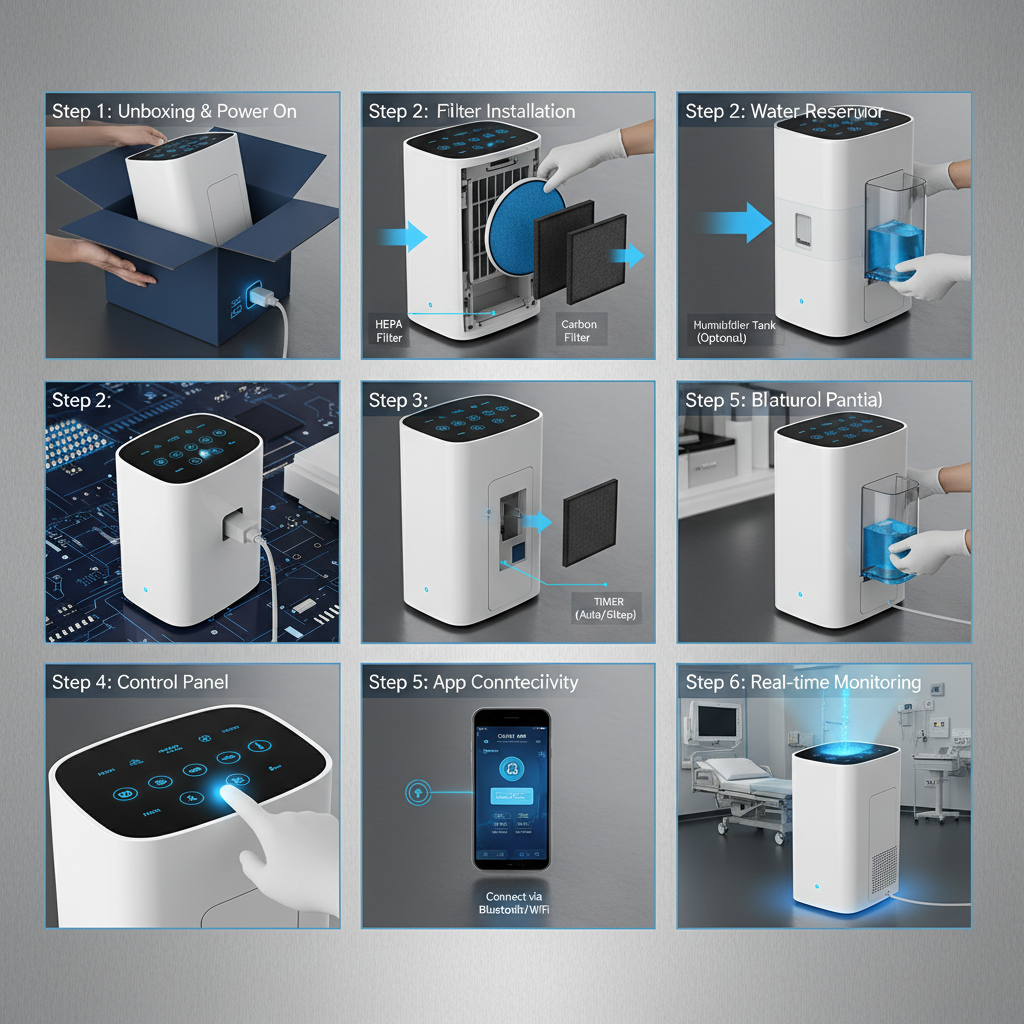
A clinical air purifier's effectiveness relies on several key components working in synergy. First, the pre-filter captures larger particles like dust, pollen, and pet dander, extending the life of subsequent filters. Following this is the core filtration system, typically employing a HEPA (High-Efficiency Particulate Air) filter, designed to trap at least 99.97% of particles 0.3 microns in size.
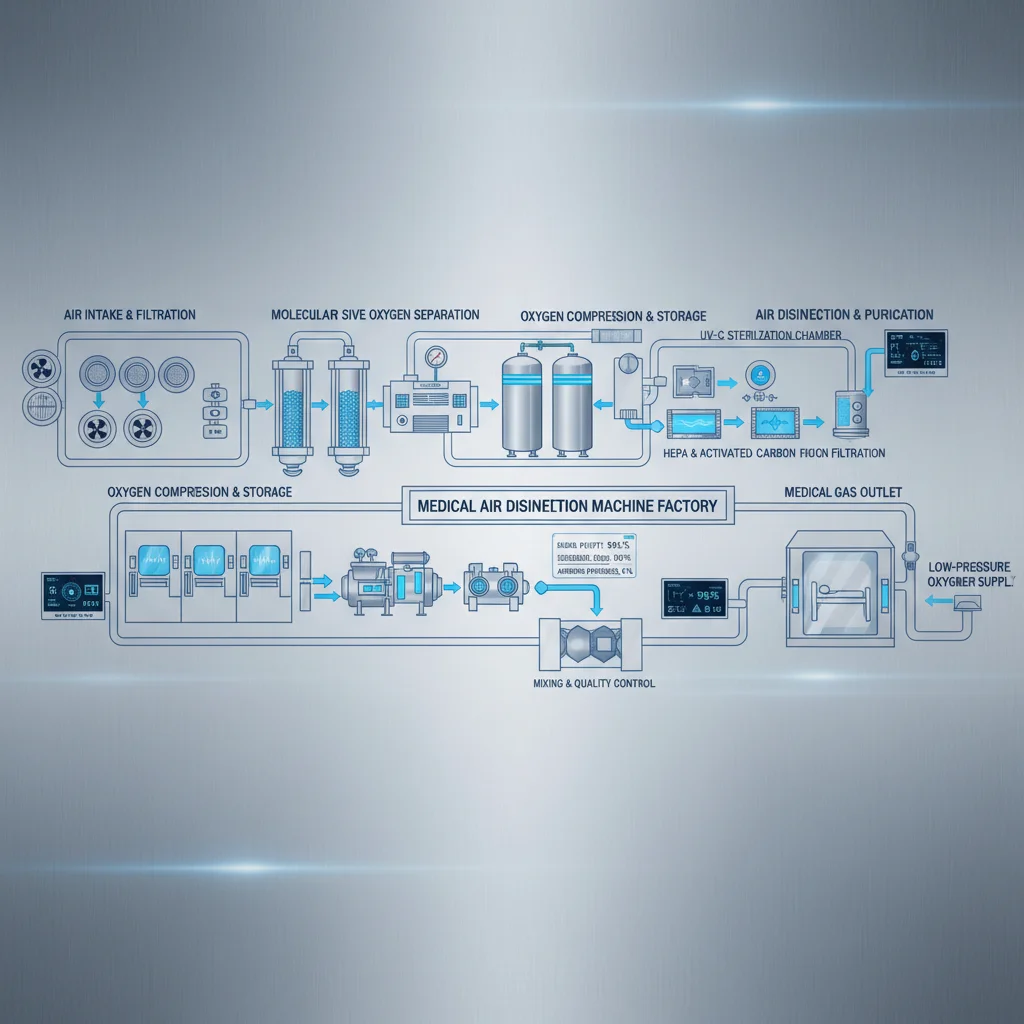
Beyond HEPA filtration, activated carbon filters play a crucial role in removing odors, gases, and VOCs. Some advanced clinical air purifiers also incorporate UV-C light technology, which utilizes ultraviolet radiation to neutralize microorganisms, further enhancing air sterilization. Finally, the fan and air circulation system are critical for drawing air through the filters and distributing clean air throughout the space.
The interplay between these components dictates the overall performance of the clinical air purifier, and the quality of each element is paramount. A poorly constructed or maintained filter system can significantly compromise the device's effectiveness, rendering it less capable of achieving the desired level of air purification.
Key Factors Influencing Performance
Several factors significantly impact the performance of a clinical air purifier. Air Change Rate (ACR), which measures how many times per hour the air in a room is filtered, is a critical metric. A higher ACR indicates more frequent air purification and better overall air quality. Another key factor is the Clean Air Delivery Rate (CADR), which specifies the volume of clean air produced by the purifier per unit of time.
Filter quality and lifespan also play a crucial role. Regular filter replacement is essential to maintain optimal performance; neglecting this can lead to reduced efficiency and potential contaminant build-up. The size of the room the purifier is intended for is also a significant consideration, as an undersized unit won’t effectively clean the air in a larger space.
Comparative Analysis of Clinical Air Purifier Technologies
Global Applications and Real-World Use Cases
Clinical air purifiers find widespread application in healthcare facilities, including hospitals, clinics, operating rooms, and patient isolation wards, where maintaining sterile air is paramount. Their use extends beyond healthcare to include pharmaceutical manufacturing plants, research laboratories, and food processing facilities, all of which require stringent air quality control.
In post-disaster relief operations, clinical air purifier units are deployed to provide clean air in temporary shelters and aid stations, protecting vulnerable populations from airborne contaminants released during the event. They’re also becoming increasingly prevalent in schools and offices to improve indoor air quality and reduce absenteeism due to respiratory illnesses.
Advantages and Long-Term Value Proposition
The advantages of investing in a clinical air purifier are multifaceted. From a cost perspective, preventing illness through improved air quality can significantly reduce healthcare expenses and lost productivity. Sustainability is also a key benefit, as these devices contribute to a healthier indoor environment and reduce the need for excessive ventilation.
The social impact is substantial, particularly for vulnerable populations like children, the elderly, and individuals with pre-existing respiratory conditions. Reliable performance and consistent air purification foster a sense of safety and well-being, enhancing trust and confidence in the environment.
Future Trends and Innovations in Air Purification
The future of clinical air purification is poised for significant advancements. We're seeing the integration of smart sensors and IoT (Internet of Things) technology, allowing for real-time air quality monitoring and automated adjustments to purification levels. The development of more energy-efficient filtration systems and the use of sustainable materials are also gaining traction.
Furthermore, research into advanced filtration techniques, such as nanomaterials and photocatalytic oxidation (PCO), promises to deliver even more effective and efficient air purification solutions. The convergence of digital transformation and sustainability will drive innovation in this field, leading to more sophisticated and environmentally friendly clinical air purifiers.
The focus will likely shift towards personalized air purification, where systems are tailored to meet the specific needs of individual spaces and occupants. This includes considering factors like occupancy levels, activity patterns, and the presence of specific contaminants.
Challenges and Solutions
Despite the numerous benefits, challenges remain in the widespread adoption of clinical air purifiers. High initial costs can be a barrier, particularly for smaller healthcare facilities or individuals. Maintaining consistent filter replacement schedules and ensuring proper system maintenance also pose logistical challenges.
Expert insights suggest exploring financing options, such as leasing programs or government subsidies, to make these systems more accessible. Implementing automated filter replacement reminders and providing comprehensive maintenance training can address logistical concerns. Furthermore, ongoing research into more cost-effective and durable filtration technologies will contribute to overcoming these obstacles.
Summary Table of Clinical Air Purifier System Performance Parameters
| System Type |
Filtration Efficiency (%) |
Maintenance Frequency |
Operational Cost (Annual) |
| HEPA Filter System |
99.97% |
Every 6-12 months |
$100-$300 |
| Activated Carbon System |
85% (VOCs) |
Every 3-6 months |
$50-$150 |
| UV-C Sterilization System |
99.9% (Microorganisms) |
Annual Bulb Replacement |
$200-$400 |
| Electrostatic Precipitator |
90% (Particles) |
Monthly Cleaning |
$75-$200 |
| PCO Technology System |
95% (VOCs & Microorganisms) |
Every 12-18 months |
$300-$600 |
| Combined HEPA & Carbon System |
99.97% (Particles) & 85% (VOCs) |
6-12 Months (HEPA), 3-6 Months (Carbon) |
$200-$500 |
FAQS
While HEPA filters are highly effective at removing particulate matter, a clinical air purifier combines HEPA filtration with other technologies like activated carbon and UV-C sterilization to address a broader range of contaminants, including viruses, bacteria, and volatile organic compounds. Clinical air purifiers are designed to meet the stringent standards required in healthcare settings, providing a higher level of air quality and sterilization.
Filter replacement frequency depends on the type of filter and the air quality in your environment. Pre-filters should be replaced or cleaned monthly. HEPA filters typically last 6-12 months, while activated carbon filters need replacing every 3-6 months. Regularly monitoring filter condition and following manufacturer recommendations is crucial for optimal performance.
Some noise is expected from air purifiers due to the fan motor. However, many modern clinical air purifiers are designed with noise reduction technology and operate at relatively quiet levels, typically between 30-50 decibels. Check the product specifications for noise levels before purchasing, especially if you plan to use it in a bedroom or quiet office space.
While air purifiers cannot eliminate viruses entirely, clinical air purifiers equipped with HEPA filters and UV-C sterilization can effectively capture and neutralize airborne viral particles, reducing the risk of transmission. These systems contribute to overall infection control measures and improve indoor air quality, but should be used in conjunction with other preventative strategies like vaccination and social distancing.
For a large office space, consider a clinical air purifier with a high CADR (Clean Air Delivery Rate) and a large coverage area. Multiple units may be necessary to achieve adequate air purification throughout the entire space. Look for models with features like smart sensors and automated operation for efficient and effective air quality management. Consulting with an HVAC professional can help determine the optimal system for your specific needs.
The cost of a clinical air purifier varies significantly depending on its features, filtration technology, and coverage area. Basic models can start around $200, while advanced systems with comprehensive features may cost $500 or more. Factor in the ongoing cost of filter replacements when budgeting for a clinical air purifier, and consider long-term benefits like improved health and reduced healthcare expenses.
Conclusion
Clinical air purifiers represent a vital investment in public health and well-being. By effectively removing a wide range of contaminants, from particulate matter to airborne pathogens, these devices create safer and healthier indoor environments, protecting vulnerable populations and promoting overall quality of life. Their applications extend across numerous sectors, including healthcare, education, and industry, demonstrating their broad relevance in today’s world.
Looking ahead, continued innovation in air purification technology promises even more efficient, sustainable, and cost-effective solutions. Embracing these advancements and promoting wider adoption of clinical air purifiers is crucial for mitigating the health risks associated with air pollution and creating a future where everyone can breathe clean, healthy air. For more information on advanced air purification solutions, visit our website: www.storeoxygen.com