Hospital air purification systems are critically important in modern healthcare facilities, moving beyond simple ventilation to actively remove airborne contaminants. The increasing prevalence of airborne diseases, coupled with the need to protect immunocompromised patients, has driven significant advancements in this field. Effective hospital air purification isn't just about meeting regulatory standards; it’s a cornerstone of patient safety, infection control, and overall hospital quality.
Globally, hospitals face escalating challenges related to air quality, including the spread of antimicrobial-resistant organisms and the impact of pollution on patient health. According to the World Health Organization (WHO), air pollution contributes to millions of deaths annually, and hospital environments are not immune. The demand for sophisticated hospital air purification system solutions is therefore rising, particularly in densely populated urban areas and regions with high levels of industrial activity.
These systems employ a variety of technologies—from HEPA filtration and UV-C sterilization to advanced oxidation processes—to create a safer and healthier indoor environment. Understanding the nuances of these technologies, their application, and their long-term benefits is paramount for healthcare administrators, facilities managers, and infection control professionals alike.
The Importance of Hospital Air Quality
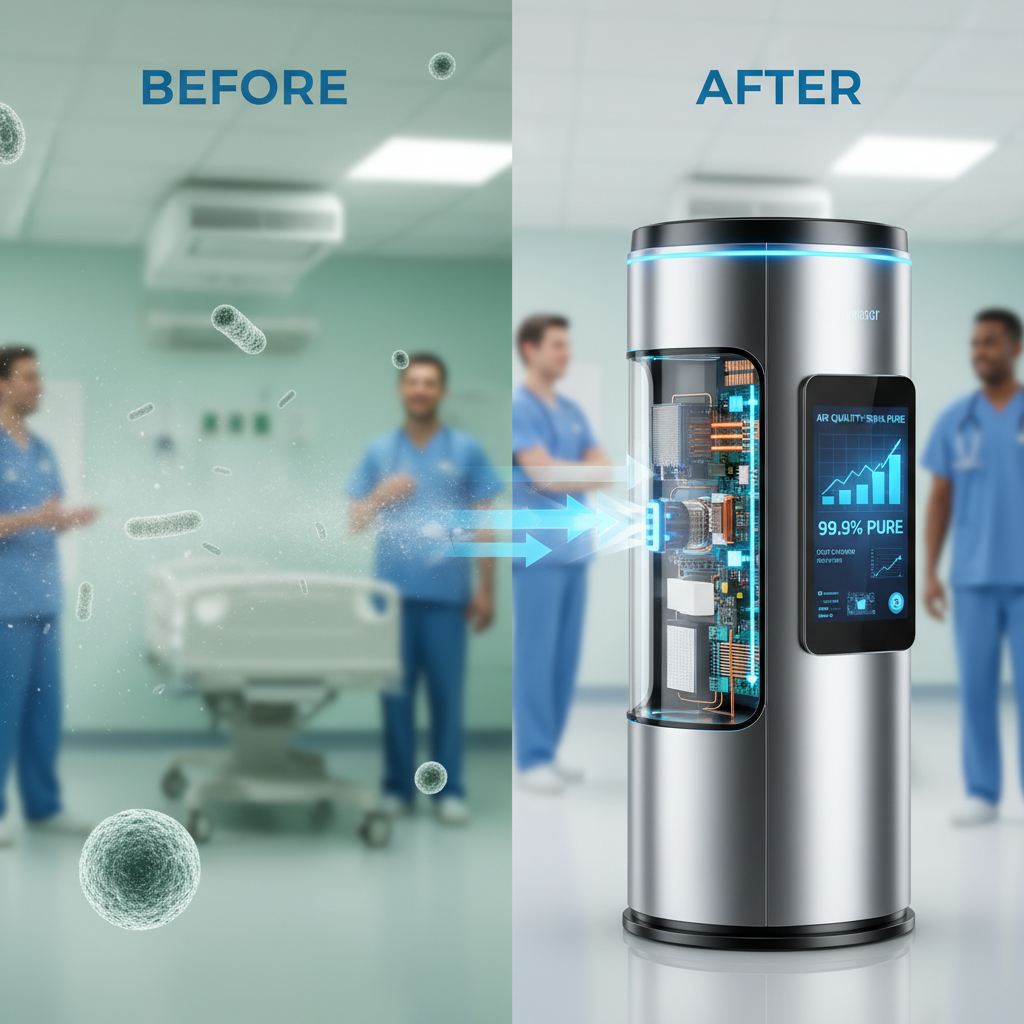
Maintaining optimal air quality within a hospital environment is paramount for protecting both patients and staff. Airborne pathogens, dust particles, volatile organic compounds (VOCs), and other contaminants can compromise immune systems, exacerbate respiratory conditions, and contribute to healthcare-associated infections (HAIs). A robust hospital air purification system directly addresses these risks, creating a safer and more healing atmosphere.
The consequences of poor air quality extend beyond immediate health concerns. Increased infection rates lead to longer hospital stays, higher treatment costs, and potentially, a diminished reputation for the healthcare facility. Investing in advanced air purification technology is therefore not merely an expense, but a crucial investment in patient well-being and operational efficiency.
Defining Hospital Air Purification Systems
A hospital air purification system encompasses a range of technologies and strategies designed to remove airborne contaminants from healthcare facilities. Unlike simple air filters, these systems actively target and neutralize pollutants, including bacteria, viruses, fungi, allergens, and harmful gases. They aim to deliver air that meets stringent quality standards, minimizing the risk of infection and promoting a healthier environment.
These systems are integral to modern infection control protocols, working in conjunction with other measures like hand hygiene and isolation procedures. They represent a proactive approach to air quality management, rather than a reactive response to outbreaks or emergencies. The complexity of these systems can vary depending on the specific needs of the hospital and the contaminants being targeted.
The core function of a hospital air purification system is to enhance Indoor Air Quality (IAQ) within critical zones such as operating rooms, intensive care units, and patient wards. A properly designed and maintained system contributes significantly to reducing HAIs and improving patient outcomes.
Key Components of Effective Systems
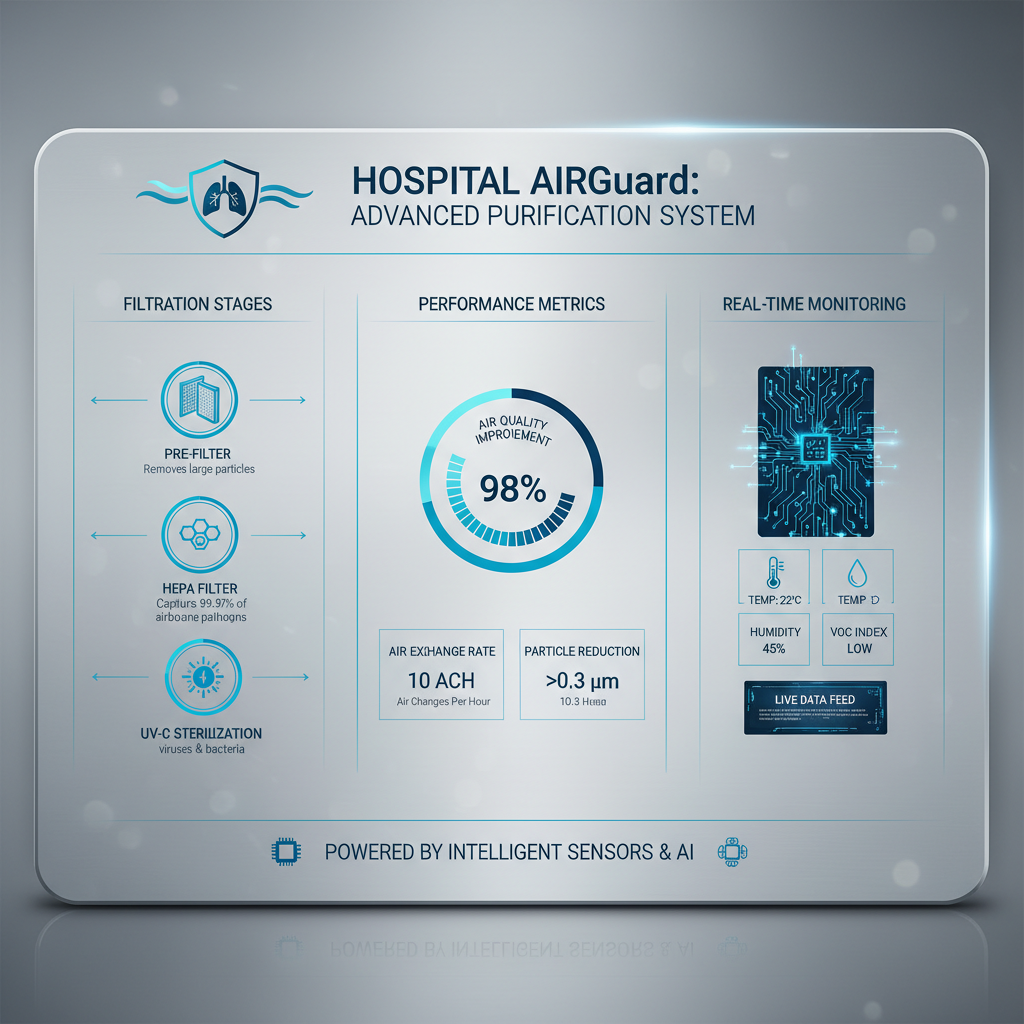
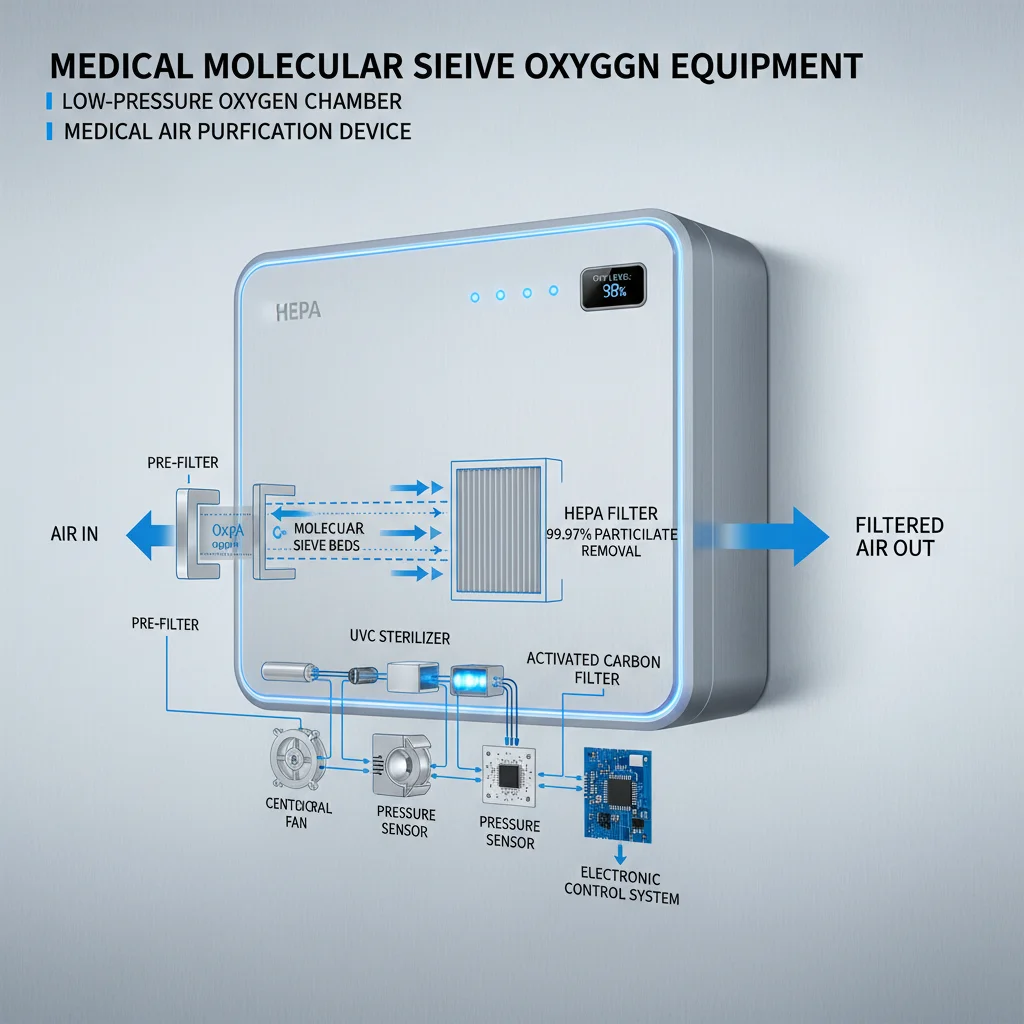
Effective hospital air purification systems typically incorporate multiple layers of filtration and sterilization. High-Efficiency Particulate Air (HEPA) filters are a cornerstone, capable of removing at least 99.97% of particles 0.3 microns in size. These are often combined with pre-filters to capture larger dust particles and extend the lifespan of the HEPA filter.
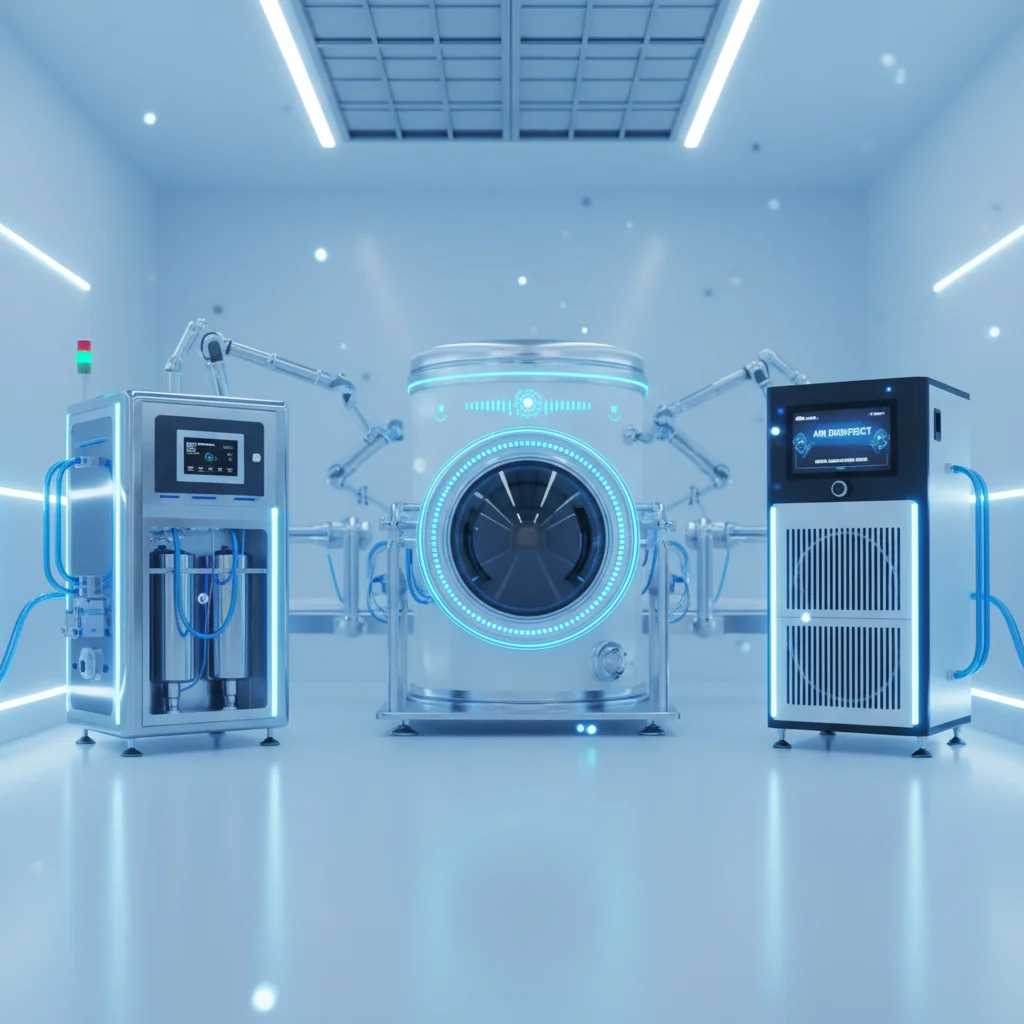
UV-C (Ultraviolet C) sterilization is another critical component, using shortwave UV light to inactivate bacteria, viruses, and fungi. Advanced systems may also employ activated carbon filters to absorb odors and VOCs, and photo catalytic oxidation (PCO) to break down organic pollutants. The interplay between these components is crucial for achieving comprehensive air purification.
The air distribution system also plays a vital role. Proper airflow patterns are essential for ensuring that purified air reaches all areas of the hospital and that contaminated air is effectively removed. This often involves strategically placed air intakes and exhaust vents, along with considerations for room pressurization to prevent the spread of airborne pathogens. Regular maintenance and filter replacement are equally important to maintain system effectiveness.
Monitoring systems are increasingly integrated to provide real-time data on air quality, filter performance, and system operation. This allows facilities managers to proactively address any issues and ensure that the system is functioning optimally. Data analytics can also reveal trends and patterns, informing future improvements to air purification strategies.
Factors Influencing System Performance
Several factors can influence the performance of a hospital air purification system. Airflow rate and room size are critical; a system must be appropriately sized to effectively circulate and purify the air within a given space. The number of air changes per hour (ACH) is a key metric, indicating how frequently the air in a room is completely replaced with purified air. Higher ACH values generally indicate better air quality.
The type of contaminants present also influences system selection. For example, a hospital dealing with a high prevalence of airborne viruses may prioritize systems with strong UV-C sterilization capabilities. Filter efficiency, system maintenance schedules, and the presence of any obstructions to airflow all play a role in overall effectiveness.
Hospital Air Purification System Method Comparison
Global Applications and Implementation
Hospital air purification systems are implemented globally, with variations in adoption rates and specific technologies based on local regulations, healthcare infrastructure, and environmental conditions. Developed nations typically have more stringent air quality standards and readily adopt advanced purification technologies. In contrast, developing countries may face challenges related to cost, maintenance, and access to specialized expertise.
The demand is particularly high in regions with high levels of air pollution, such as parts of Asia and Africa. Hospitals in these areas often experience a higher incidence of respiratory infections and rely heavily on air purification to protect patients and staff. International organizations like the WHO are actively promoting the adoption of effective air purification strategies in healthcare facilities worldwide.
Advantages and Long-Term Value Proposition
Investing in a high-quality hospital air purification system delivers significant long-term advantages. Reduced HAIs translate to lower treatment costs, shorter hospital stays, and improved patient outcomes. A healthier indoor environment also contributes to reduced staff absenteeism and increased productivity. The implementation of such systems demonstrates a commitment to patient safety and quality care, enhancing the hospital’s reputation and attracting patients.
Beyond the immediate health benefits, advanced air purification technologies can contribute to sustainability goals by reducing energy consumption and minimizing waste. Properly maintained systems also have a long lifespan, providing a solid return on investment over time. The peace of mind that comes with knowing that the hospital air is clean and safe is an invaluable benefit for both patients and healthcare professionals.
Future Trends and Innovations in Purification
The field of hospital air purification is constantly evolving, driven by advancements in materials science, engineering, and data analytics. Emerging technologies like bipolar ionization and needlepoint bipolar ionization (NBPI) offer promising new approaches to air purification, neutralizing airborne pathogens more effectively. Integration with Building Management Systems (BMS) and the Internet of Things (IoT) is enabling real-time monitoring and control of air quality, optimizing system performance.
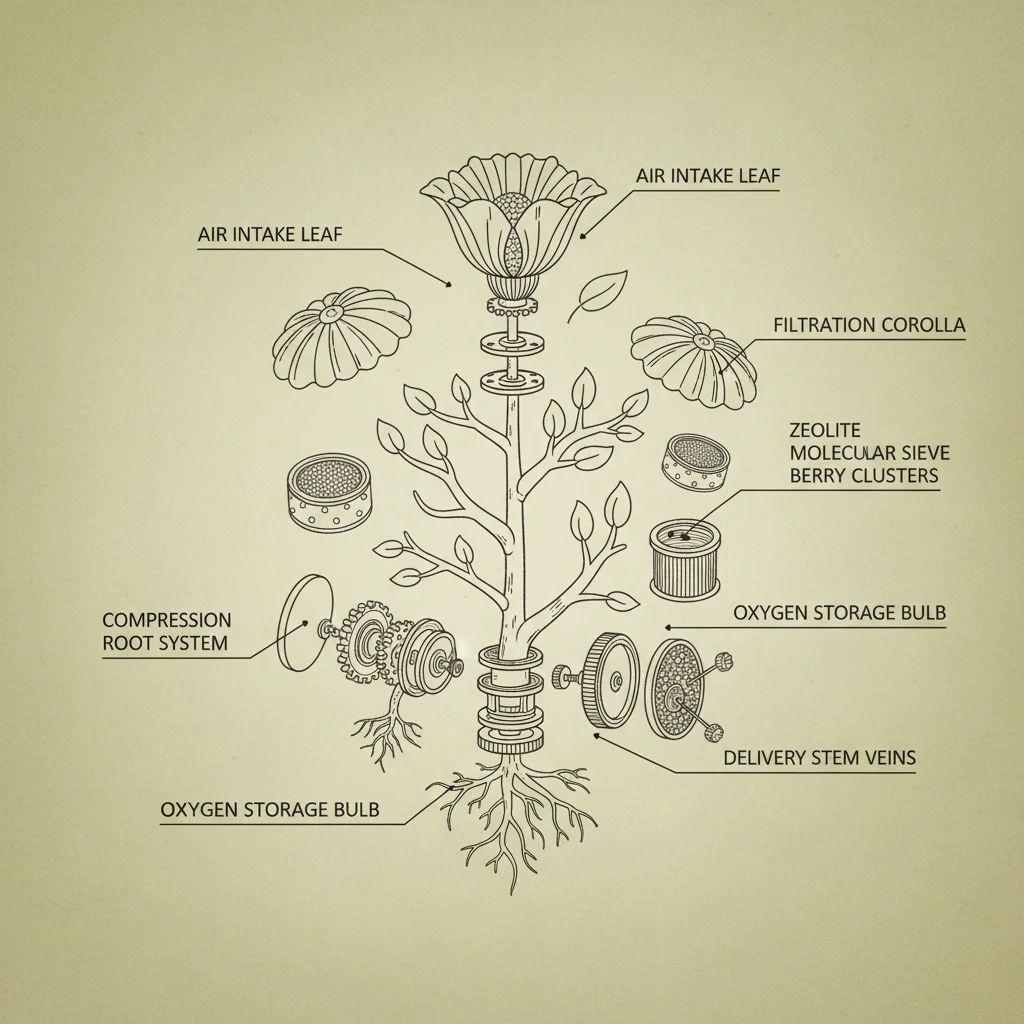
The increasing focus on sustainability is driving demand for energy-efficient air purification systems and the use of eco-friendly materials. Researchers are also exploring the potential of bio-based air purification solutions, utilizing plants and microorganisms to remove pollutants. Artificial intelligence (AI) and machine learning (ML) are being used to predict air quality trends and optimize filter replacement schedules.
Challenges in Optimizing Hospital Air Purification Systems
Despite the advancements in technology, several challenges remain in optimizing hospital air purification systems. Maintaining consistent performance over time requires diligent monitoring, regular maintenance, and timely filter replacements. The cost of implementing and maintaining these systems can be significant, particularly for smaller hospitals with limited budgets. Ensuring adequate airflow and preventing bypasses—areas where air isn't properly filtered—can also be challenging.
Another challenge is the potential for increased energy consumption associated with some air purification technologies. Finding the right balance between purification effectiveness and energy efficiency is crucial. Finally, staying abreast of evolving regulations and guidelines related to air quality can be demanding for healthcare facilities.
Summary Table of Key Challenges and Potential Solutions
| Challenge |
Impact on System |
Potential Solution |
Implementation Cost (Estimate) |
| High Initial Investment |
Limits adoption, particularly in smaller facilities |
Phased implementation, leasing options |
Low to Medium |
| Consistent Maintenance |
Reduced filter effectiveness, system malfunction |
Preventative maintenance contracts, automated monitoring |
Medium |
| Airflow Bypass |
Reduced purification coverage |
Thorough ductwork inspection, proper sealing |
Low to Medium |
| Energy Consumption |
Increased operating costs |
Energy-efficient system selection, smart controls |
Medium |
| Regulatory Compliance |
Potential penalties, compromised patient safety |
Regular audits, staying updated on guidelines |
Low |
| Lack of Skilled Personnel |
Improper installation & maintenance |
Training programs, outsourcing to certified technicians |
Medium to High |
FAQS
The lifespan of a HEPA filter varies depending on factors like air quality, system usage, and filter grade. However, a typical lifespan ranges from 6 to 12 months. Regular monitoring of filter pressure drop and visual inspection for dirt accumulation are crucial for determining when replacement is needed. Replacing filters on schedule ensures optimal performance and prevents reduced airflow.
UV-C light disrupts the DNA and RNA of microorganisms like bacteria, viruses, and fungi, preventing them from replicating and rendering them harmless. UV-C systems are often integrated into hospital air purification systems to provide an additional layer of protection against airborne pathogens. However, it’s important to ensure proper shielding and ventilation to protect personnel from UV-C exposure.
Operating rooms require the highest level of air purification to minimize the risk of surgical site infections. Key considerations include high HEPA filtration efficiency, positive pressure ventilation, laminar airflow, and frequent air changes per hour (ACH). The system should also be designed to minimize turbulence and prevent the introduction of contaminants from surrounding areas.
Regular air quality testing is essential for monitoring the effectiveness of your system. This includes measuring particle counts, microbial levels, and VOC concentrations. Monitoring filter pressure drop provides insights into filter loading and performance. Many modern systems offer integrated monitoring capabilities and data analytics for proactive management.
While ionization technology can be effective at reducing airborne particles, there are potential concerns related to ozone production. Ozone is a lung irritant and can be harmful to patients and staff. When considering ionization systems, it's crucial to choose models that are certified to produce minimal or no ozone and follow manufacturer’s recommendations for maintenance.
Consistent system maintenance is paramount to maintaining optimal air quality. This includes regularly replacing filters, cleaning system components, inspecting ductwork for leaks, and calibrating sensors. A proactive maintenance plan helps prevent system failures, ensures energy efficiency, and extends the lifespan of the equipment.
Conclusion
In conclusion, hospital air purification systems are an indispensable component of modern healthcare facilities. They go beyond basic ventilation, actively removing airborne contaminants and protecting patients, staff, and visitors. By understanding the key technologies, components, and challenges associated with these systems, healthcare administrators can make informed decisions that enhance air quality, improve patient outcomes, and create a safer, healthier environment.
Looking ahead, continued innovation in materials science, sensor technology, and data analytics will drive further advancements in hospital air purification. Embracing these advancements will be crucial for addressing emerging health threats, improving sustainability, and ensuring that hospitals remain safe havens for healing and recovery. For advanced solutions and expert guidance, visit our website at www.storeoxygen.com.