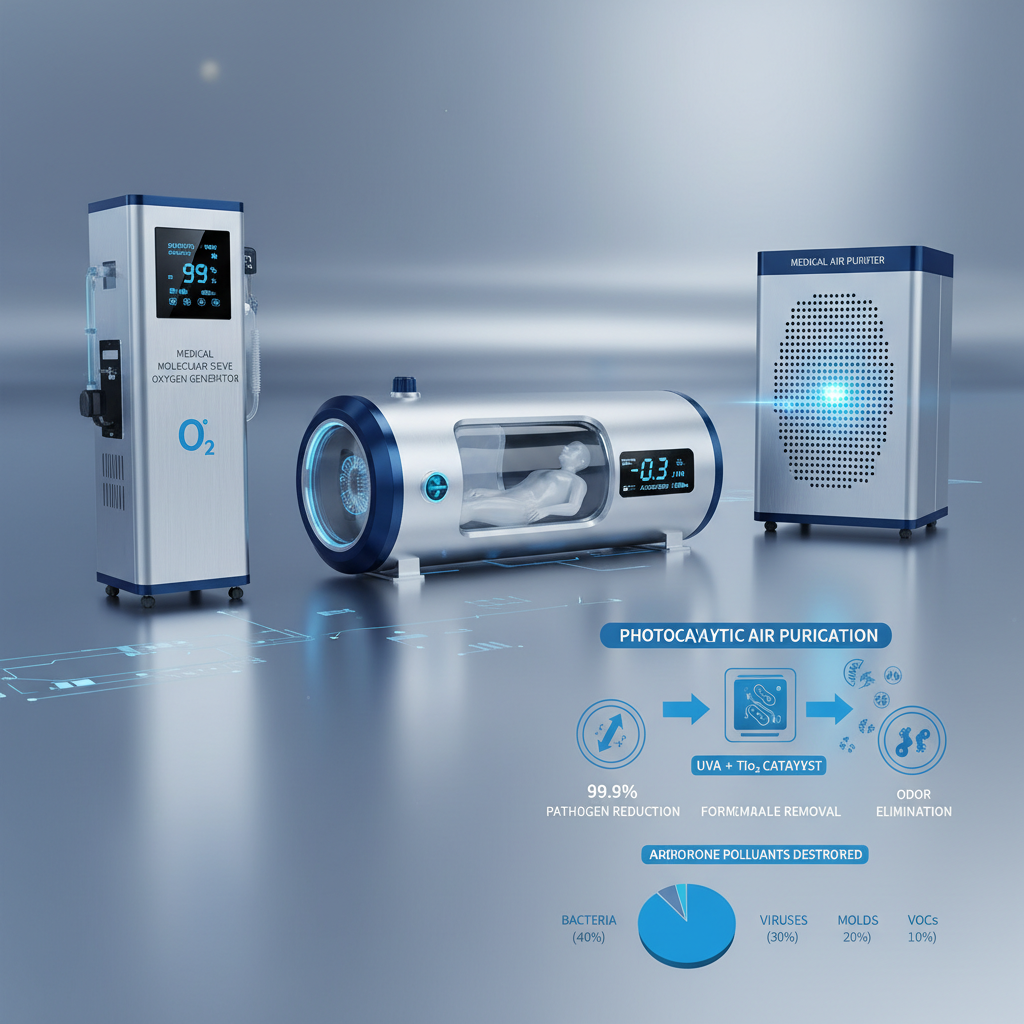
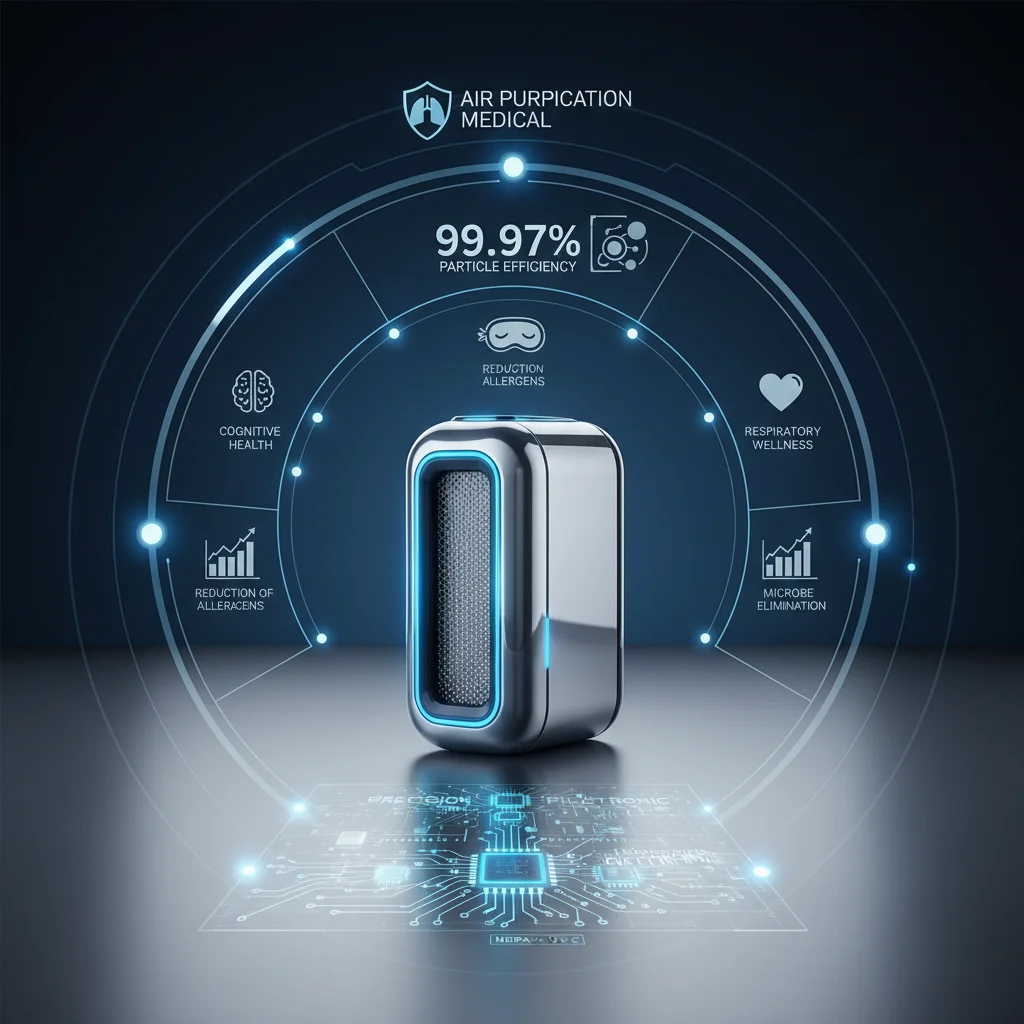
In an era where indoor air quality has become a critical pillar of public health, photocatalytic air purification has emerged as a sophisticated solution for eliminating volatile organic compounds (VOCs), pathogens, and odors. Unlike traditional filtration that merely traps particles, this advanced technology actively decomposes pollutants at a molecular level, ensuring a sterile and safe breathing environment.
The global shift toward sustainable healthcare and "green" building standards has accelerated the adoption of photocatalytic systems, particularly in medical settings and high-density urban areas. By utilizing a semiconductor catalyst and a light source, these systems mimic natural cleansing processes, providing a continuous stream of purified air without the frequent need for expensive filter replacements.
Understanding the mechanics and applications of photocatalytic air purification is essential for facility managers, healthcare providers, and industrial engineers. As we face increasing challenges from airborne contaminants, integrating these systems into medical oxygen infrastructure and air disinfection units offers a long-term strategy for enhancing respiratory health and operational safety.

Global Relevance of Photocatalytic Air Purification
The global demand for sterile environments has reached an unprecedented peak, with the World Health Organization (WHO) highlighting the dangers of poor indoor air quality. In many urban centers, the concentration of airborne toxins exceeds safe limits, necessitating the deployment of photocatalytic air purification to protect vulnerable populations and patients in medical facilities.
From the stringent ISO standards for cleanrooms to the urgent needs of post-pandemic recovery, the industry is moving away from passive filtration toward active destruction of pollutants. This transition is critical for reducing the incidence of healthcare-associated infections (HAIs) and improving the overall air quality index (AQI) within enclosed clinical spaces.
Defining the Science of Photocatalysis
At its simplest, photocatalytic air purification is a chemical process where a catalyst (typically Titanium Dioxide, TiO2) is activated by ultraviolet (UV) light. This reaction creates powerful hydroxyl radicals that attack the molecular bonds of organic pollutants, breaking them down into harmless substances like water vapor and carbon dioxide.
Unlike HEPA filters, which merely capture dust and microbes in a mesh, photocatalysis acts as a "molecular incinerator." It is particularly effective against gaseous pollutants and microscopic viruses that are too small to be trapped by mechanical filters, making it an indispensable tool in the manufacturing of medical air purifiers and disinfection machines.
This technology bridges the gap between humanitarian needs and industrial capability. In remote regions or disaster zones, integrating photocatalytic modules into portable air systems ensures that displaced persons and medical staff have access to hospital-grade air, regardless of the external environmental pollution levels.
Core Components for Maximum Efficiency
The effectiveness of photocatalytic air purification depends heavily on the quality of the semiconductor material. High-surface-area catalysts, such as nano-structured TiO2, ensure that the maximum amount of air comes into contact with the active sites, thereby increasing the degradation rate of harmful VOCs.
Light source optimization is the second pillar of the system. While traditional UV-C lamps are common, the industry is shifting toward UV-LEDs, which provide a more stable, energy-efficient, and mercury-free light source to trigger the photocatalytic air purification process across a wider spectrum.
Finally, airflow dynamics and dwell time are crucial. If the air moves too quickly through the catalyst chamber, the pollutants may not have sufficient time to react. Engineering precise airflow patterns ensures that every cubic meter of air is thoroughly treated, maximizing the sterilization capacity of the device.
Comparative Performance Analysis
When evaluating the efficacy of various air cleaning technologies, photocatalytic air purification stands out for its ability to handle gaseous pollutants. While mechanical filtration excels at dust removal, it fails to address chemical fumes and odors, which is where photocatalytic oxidation (PCO) truly shines.
To provide a clear objective view, we have analyzed the performance ratings of different photocatalytic methods based on their degradation speed, energy consumption, and maintenance requirements.
Efficacy Rating of Various Photocatalytic Air Purification Methods
Global Applications and Industrial Use Cases
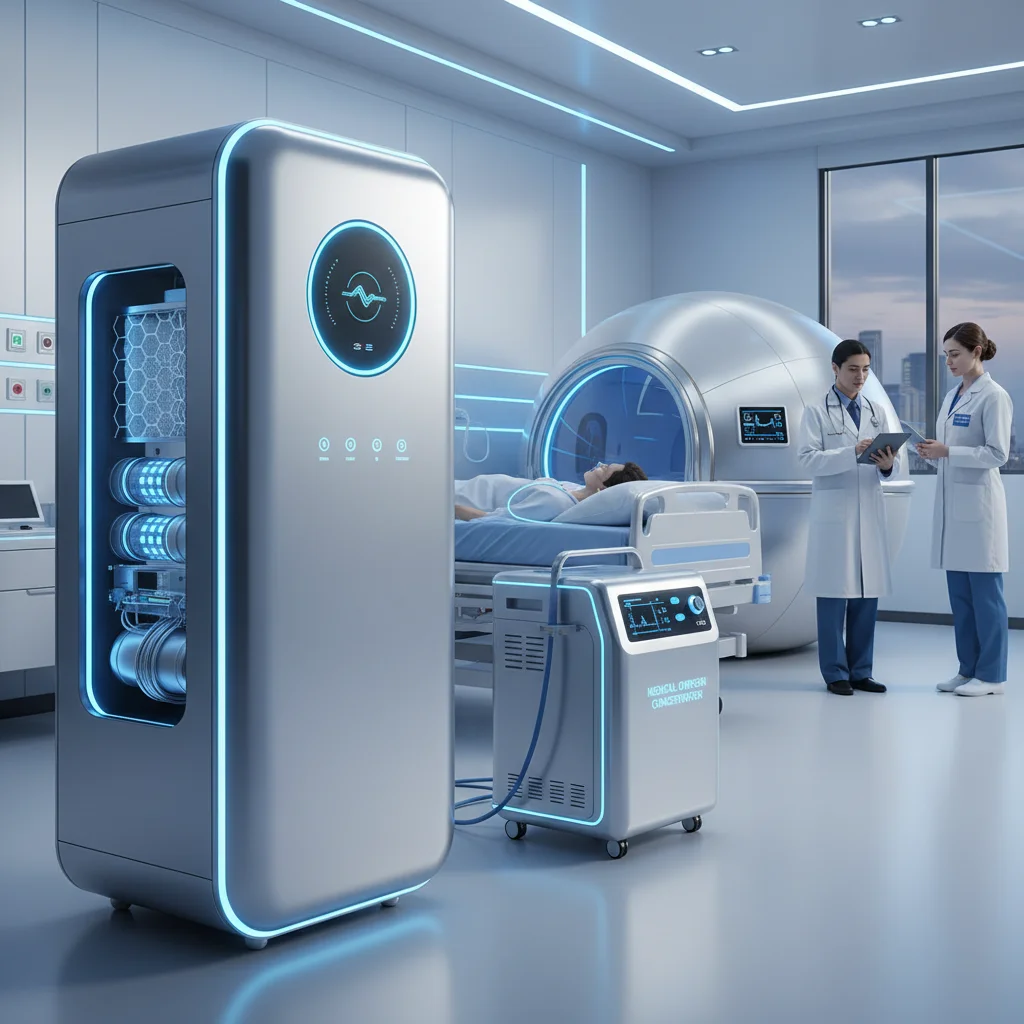
In the medical sector, photocatalytic air purification is integrated into high-end surgical theaters and ICU units. By continuously destroying airborne pathogens, it complements the work of oxygen generators and hyperbaric chambers, ensuring that patients receiving high-pressure oxygen therapy are not exposed to contaminated air.
Beyond hospitals, this technology is widely deployed in pharmaceutical laboratories and semiconductor cleanrooms. In these environments, even the smallest organic vapor can ruin a batch of medication or a silicon wafer; thus, the molecular-level cleaning provided by photocatalytic systems is a non-negotiable requirement for quality control.
Long-Term Value and Sustainability
The long-term financial value of photocatalytic air purification lies in its reduced operational overhead. Traditional high-efficiency filters must be replaced frequently and disposed of as hazardous waste if they contain biological contaminants. In contrast, photocatalytic catalysts are durable and can operate for thousands of hours without losing their efficacy.
From a sustainability perspective, the ability to use low-energy UV-LEDs reduces the carbon footprint of air purification systems. This aligns with global ESG (Environmental, Social, and Governance) goals, allowing hospitals and factories to maintain sterile environments while decreasing their total energy consumption and waste output.
Moreover, the psychological impact of "clean air trust" cannot be overstated. When patients and staff know that the air is being actively sterilized at a molecular level, it fosters a sense of safety and dignity, which is essential for healing and productivity in any medical or industrial setting.
Future Innovations in Air Purification
The future of photocatalytic air purification is moving toward "Visible Light Activation." Current systems rely heavily on UV light, but new doped catalysts are being developed that can be triggered by natural sunlight or standard indoor LED lighting, potentially eliminating the need for dedicated UV lamps.
Digital transformation is also playing a role, with the integration of IoT sensors that monitor real-time air quality. These "smart" systems can automatically adjust the intensity of the photocatalytic reaction based on the detected pollutant load, further optimizing energy use and extending the life of the hardware.
As we look toward a greener future, the synthesis of bio-based catalysts is another promising frontier. By combining nanotechnology with organic materials, the next generation of purifiers will be fully biodegradable and even more efficient at targeting specific toxins, ensuring a healthier planet and a safer indoor experience.
Analysis of Photocatalytic Air Purification Technology Trends
| Technology Era |
Catalyst Material |
Activation Source |
Efficiency Score |
| Traditional |
Bulk TiO2 |
Mercury UV Lamps |
6/10 |
| Modern High-End |
Nano-crystalline TiO2 |
UV-LED Arrays |
8/10 |
| Hybrid Systems |
Composite Metal Oxides |
Dual UV/Visible Light |
9/10 |
| Smart IoT Era |
Doped Semiconductors |
Adaptive LED Control |
9/10 |
| Next-Gen Green |
Bio-hybrid Catalysts |
Natural Sunlight |
10/10 |
| Industrial Scale |
Honeycomb Ceramics |
Industrial UV-Tunnels |
8/10 |
FAQS
HEPA filters are passive devices that trap particles like dust and pollen in a physical mesh. Photocatalytic air purification is an active process that uses light and a catalyst to chemically break down pollutants, viruses, and VOCs into harmless gases. While HEPA captures, photocatalysis destroys, making it superior for eliminating odors and chemical toxins.
Yes, when properly engineered, it is highly safe. Because the reaction occurs on the surface of the catalyst and the by-products are typically water and CO2, it provides a sterile environment without introducing harmful chemicals into the air stream. It is often integrated into medical air purifiers to ensure patient safety in hyperbaric settings.
One of the biggest advantages of photocatalytic air purification is that the catalyst is not "consumed" in the reaction. While it may need occasional cleaning to remove accumulated dust that could block light, the catalyst itself lasts significantly longer than traditional carbon or HEPA filters, drastically reducing maintenance costs.
Absolutely. Photocatalytic oxidation is specifically designed to target VOCs. The hydroxyl radicals generated during the process are powerful enough to break the carbon-hydrogen bonds in formaldehyde, benzene, and other hazardous off-gases common in new constructions and industrial facilities.
Modern systems utilizing UV-LEDs are extremely energy-efficient. Since the catalyst does the "heavy lifting" of the chemical breakdown, the electricity is only needed to power the light source and the fan. Compared to high-pressure ozone generators, photocatalytic systems are much more sustainable and cost-effective.
Integration usually involves installing a photocatalytic module in the air intake or the circulation loop of the system. For companies using medical oxygen generators, adding a photocatalytic air purification stage ensures that the air being compressed and delivered to the patient is free from organic contaminants.
Conclusion
In summary, photocatalytic air purification represents a paradigm shift in environmental control, moving from simple filtration to active molecular destruction. By combining advanced semiconductor chemistry with energy-efficient light sources, this technology provides a sustainable, low-maintenance, and highly effective way to eliminate pathogens and toxins from our air.
As we move toward a future of smarter, greener healthcare infrastructure, the integration of photocatalytic systems into medical devices—from oxygen concentrators to hyperbaric chambers—will become standard practice. We encourage facility managers and healthcare providers to adopt these innovations to ensure the highest standards of respiratory safety and operational excellence. Visit our website: www.storeoxygen.com