Hit enter to search or ESC to close
Used in Hospitals New Medical Psa Oxygen Concentrator Equipment
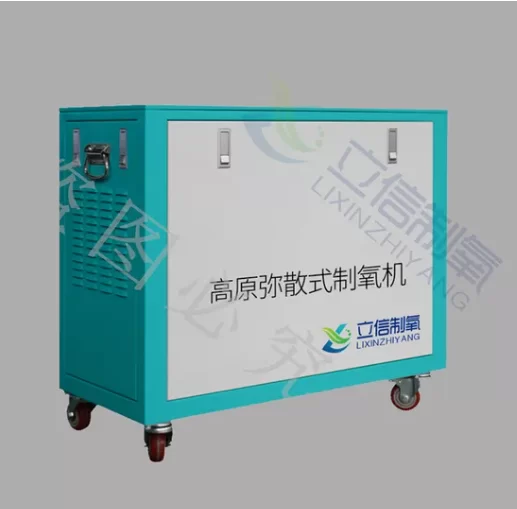
The New Medical PSA Oxygen Concentrator Equipment, widely used in hospitals, offers a reliable and efficient solution for producing medical-grade oxygen on-site. Utilizing advanced Pressure Swing Adsorption (PSA) technology, this equipment ensures a continuous supply of high-purity oxygen (up to 93%) essential for patient care and respiratory therapy.
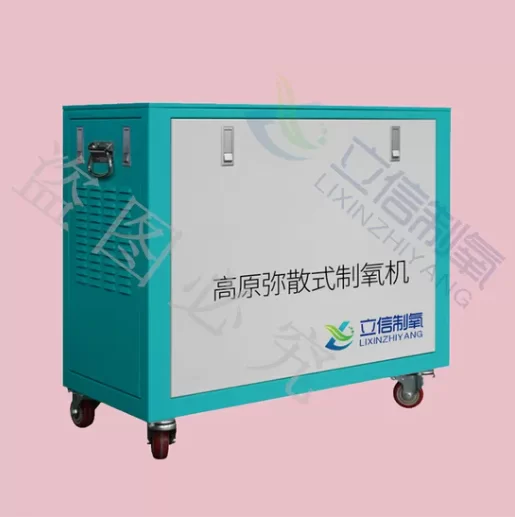
Our New Medical PSA Oxygen Concentrator Equipment is designed to meet the stringent oxygen supply requirements of modern hospitals and healthcare facilities. By employing cutting-edge PSA technology, the concentrator separates oxygen from ambient air, providing a steady flow of medical oxygen with purity levels that comply with international healthcare standards.
This equipment is engineered for high reliability and ease of operation. Featuring integrated compressors, molecular sieve beds, air dryers, and an intelligent control system, it offers seamless performance with minimal maintenance requirements. The modular design allows for scalability, making it suitable for a variety of hospital sizes—from small clinics to large medical centers.
The concentrator reduces dependency on oxygen cylinders and liquid oxygen deliveries, lowering logistics costs and ensuring uninterrupted oxygen availability even in emergency situations. With safety features such as real-time monitoring, alarms, and automatic shutdowns, it safeguards patient health and equipment integrity.
Hospitals and Medical Centers:
Provides oxygen for intensive care units (ICUs), surgical theaters, emergency rooms, and general patient respiratory support.
Clinics and Outpatient Facilities:
Supports respiratory therapy and minor medical procedures with reliable oxygen supply.
Homecare Oxygen Therapy:
Enables patients requiring long-term oxygen support to receive therapy safely at home.
Emergency and Disaster Relief:
Ensures rapid deployment of oxygen generation capabilities for field hospitals and temporary medical setups.
Pharmaceutical and Medical Research:
Supplies oxygen necessary for manufacturing processes and laboratory applications.
Customization: | Available |
After-sales Service: | 1 Year |
Warranty: | 1 Year |
Model NO. | Plateau dispersion oxygen | Certification | ISO9001 |
Noise Level | 70 (dB) | Voltage | 380V |
Purity | 90-96% | Operational Principle | Molecular Sieve Pressure Swing |
Drug and Equipment Approval | JiXi Zhu Zun 20202080146 | Usage | Oxygen Production |
Performance | Energy Saving | Extraction Gas Status | Oxygen |
Transport Package | Wooden Box | Specification | 1-60 cubic meters |
Trademark | Lixin Zhexing | Origin | Hebeihengshui |
HS Code | 8419601900 | Production Capacity | 500 Sets/Year |
1. Behavioral differences
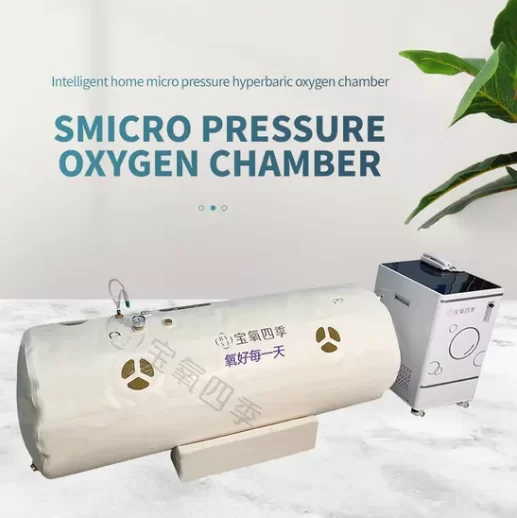
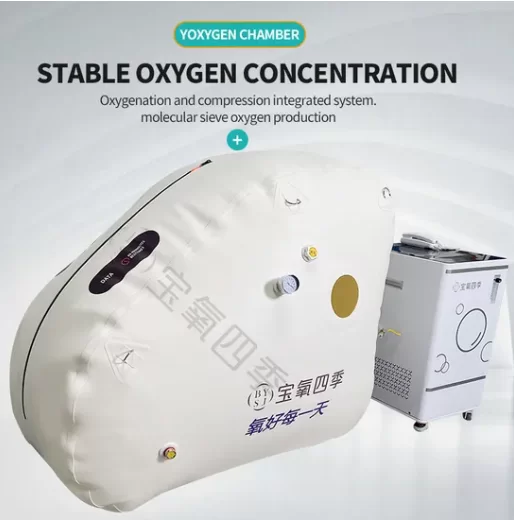
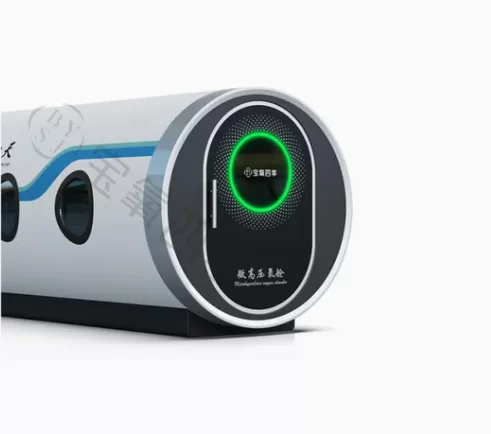
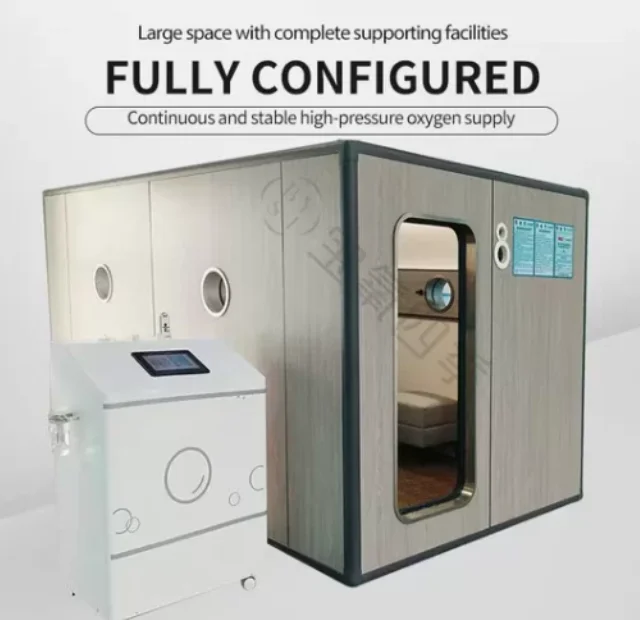
The high-altitude dispersion system is not just about adding oxygen, it scientifically simulates low altitudes and comprehensively combines algorithms for fire safety, air quality, and altitude. Self calibrating sensors and control systems, intelligent management, you can breathe comfortable air at low altitudes just by turning it on.
2. Feel the difference every night
Due to the low oxygen levels in high-altitude areas, sleep is often interrupted and headaches can occur. The indoor oxygen supply of the disperser can help you fall asleep peacefully every night. Our dispersion system can convert any size of space into a high oxygen environment at sea level, and can be independently controlled by multiple terminals and different spaces through touch screens.
The use of PSA (Pressure Swing Adsorption) oxygen concentrator equipment in hospitals has become a cornerstone of modern patient care, particularly in critical care units, emergency wards, and respiratory therapy departments. Hospitals rely on these devices to provide a continuous and reliable supply of high-purity oxygen, which is essential for patients with respiratory distress, post-surgical recovery, or chronic conditions such as COPD.
One of the primary ways that new medical PSA oxygen concentrator equipment improves patient care is through consistent oxygen delivery. Unlike traditional oxygen cylinders, which require frequent replacement and monitoring, PSA concentrators generate oxygen on-site from ambient air. This reduces the risk of supply interruptions and ensures that patients receive the oxygen therapy they need without delay, which can be crucial for survival in emergency situations.
Patient comfort and safety are also enhanced. Modern PSA oxygen concentrators are designed to deliver oxygen at precise flow rates and concentrations, tailored to the needs of individual patients. Many units are equipped with user-friendly interfaces that allow healthcare providers to adjust settings easily and monitor oxygen purity in real time. This precision reduces the risk of complications associated with under- or over-oxygenation.
Another benefit is operational efficiency. By producing oxygen on-site, hospitals can reduce dependence on external suppliers, minimize storage space requirements, and lower logistical costs. The equipment is designed to operate continuously with minimal supervision, freeing medical staff to focus on patient care rather than oxygen supply management.
Technological advancements in PSA oxygen concentrator equipment further enhance patient outcomes. Features such as automated alarms for low oxygen purity, integrated filtration systems to remove impurities, and energy-efficient operation contribute to a safer and more reliable oxygen delivery system. In addition, the compact and mobile design of many modern units allows them to be deployed in multiple departments, from intensive care units to mobile emergency response teams.
Finally, the adoption of PSA oxygen concentrator equipment supports long-term clinical benefits. Continuous, uninterrupted oxygen therapy improves recovery times, reduces hospital stays, and enhances overall patient satisfaction. Hospitals that implement these systems can provide higher standards of care while maintaining operational efficiency and safety.
In summary, used in hospitals, new medical PSA oxygen concentrator equipment significantly improves patient care by ensuring reliable oxygen supply, enhancing patient comfort, improving operational efficiency, and supporting advanced monitoring capabilities. Its adoption represents a critical step in modernizing respiratory therapy and delivering better outcomes for patients across healthcare facilities.
Selecting the right PSA (Pressure Swing Adsorption) oxygen concentrator equipment for a hospital is a critical decision that directly affects patient care, operational efficiency, and safety. With a wide range of models and specifications available, healthcare administrators and procurement teams must carefully evaluate key factors to ensure they choose the most suitable equipment for their facility.
The first consideration is oxygen capacity and flow rate. Different hospital departments have varying oxygen demands. Intensive care units and surgical theaters require high-flow concentrators capable of delivering continuous oxygen at precise concentrations, while general wards may use lower-flow units. Understanding peak demand and patient volume helps determine the appropriate size and capacity of the PSA oxygen concentrator.
Purity and reliability are equally important. High-quality medical PSA oxygen concentrators are designed to deliver oxygen with purity levels exceeding 90%, ensuring that patients receive therapeutic-grade oxygen. Hospitals should choose equipment with proven performance records, integrated purity monitoring, and alarms to detect any deviation in oxygen concentration, guaranteeing patient safety at all times.
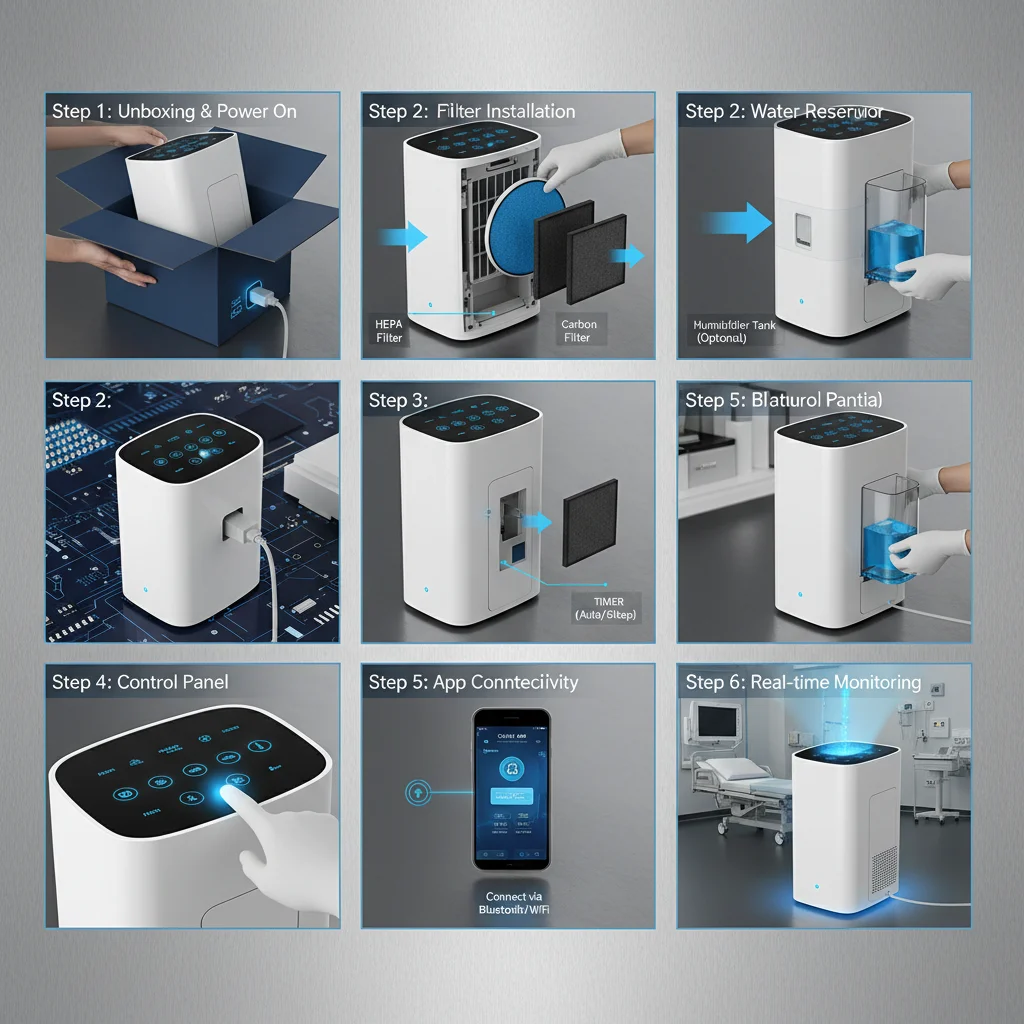
Another crucial factor is ease of use and maintenance. Devices that are user-friendly, with intuitive controls, clear displays, and minimal setup requirements, reduce the risk of operator errors. Maintenance is also key; hospitals should select equipment with easily replaceable filters, long-lasting components, and reliable service support to ensure uninterrupted operation.
Energy efficiency and cost-effectiveness play a role in decision-making. PSA oxygen concentrators consume electricity continuously, so choosing energy-efficient models reduces operating costs. Additionally, on-site oxygen generation can minimize dependency on external suppliers, lower transportation costs, and free up storage space for other critical medical supplies.
Finally, consider mobility and installation requirements. Compact and mobile units can be deployed across multiple departments or moved to emergency areas as needed. Permanent installations may require professional setup with dedicated pipelines, while portable units can serve smaller wards or emergency response applications.
In conclusion, choosing the right used in hospitals, new medical PSA oxygen concentrator equipment involves evaluating oxygen capacity, purity, reliability, ease of use, maintenance, energy efficiency, and mobility. By carefully considering these factors, healthcare facilities can ensure safe, efficient, and continuous oxygen delivery, improving patient outcomes while optimizing operational performance.
Proper maintenance of PSA (Pressure Swing Adsorption) oxygen concentrator equipment is essential to ensure continuous, reliable oxygen supply and patient safety in hospitals. New medical PSA oxygen concentrators, while robust and technologically advanced, require routine checks and preventive maintenance to maintain performance and longevity.
The first step in maintenance is regular inspection of filters. Most PSA concentrators use air intake and particulate filters to ensure that incoming air is clean and free from dust or contaminants. These filters should be cleaned or replaced according to the manufacturer’s schedule to prevent reduced oxygen output or damage to internal components. Clogged filters can compromise oxygen purity and affect patient therapy.
Monitoring oxygen purity and flow is another critical task. Modern PSA concentrators are equipped with sensors and digital displays that indicate oxygen concentration and flow rates. Healthcare staff should regularly check these readings to ensure the device operates within specified parameters. Any deviations should trigger immediate troubleshooting to prevent interruptions in patient care.
Routine mechanical and electrical inspections are essential. Components such as compressors, valves, solenoids, and pressure regulators should be checked for wear, leakage, or malfunction. Electrical connections must be secure, and any signs of overheating or unusual noise should be addressed promptly. Preventive maintenance reduces the risk of sudden breakdowns that could compromise oxygen delivery.
Cleaning and environmental considerations are important for optimal performance. PSA concentrators should be kept in well-ventilated areas, away from dust, moisture, and direct sunlight. Regular surface cleaning and inspection of air pathways prevent contamination and extend equipment life.
Documentation and professional servicing are also recommended. Keeping a maintenance log ensures compliance with hospital safety protocols and regulatory standards. Periodic servicing by qualified technicians ensures that complex components, such as pressure vessels or control systems, are properly calibrated and maintained.
In addition, training staff on basic operational checks and emergency procedures is crucial. Knowing how to respond to alarms, replace filters, and perform minor troubleshooting ensures uninterrupted oxygen supply and enhances patient safety.
In summary, maintaining used in hospitals, new medical PSA oxygen concentrator equipment requires routine filter cleaning, monitoring oxygen purity, mechanical inspections, environmental care, and professional servicing. Following these maintenance tips ensures reliable oxygen delivery, extends equipment lifespan, and safeguards patient care in critical hospital settings.