Hit enter to search or ESC to close
3 December 2025
Understanding nitrogen membrane price isn’t something most people do over breakfast, but it quietly underpins major advances in industries from food packaging to electronics manufacturing — even in lifesaving oxygen supply chains. As global demand for nitrogen gas soars and sustainability takes center stage, knowing how pricing works on this technology is quite important for businesses, NGOs, and innovators alike.
The nitrogen membrane market is projected to grow at a compound annual growth rate (CAGR) of around 7% through 2030 according to recent reports by ISO and World Bank data. But what exactly is a nitrogen membrane, and why does its price vary so much? In this article, we unravel the key factors controlling price, explore global usage, and peek at where the technology is headed.
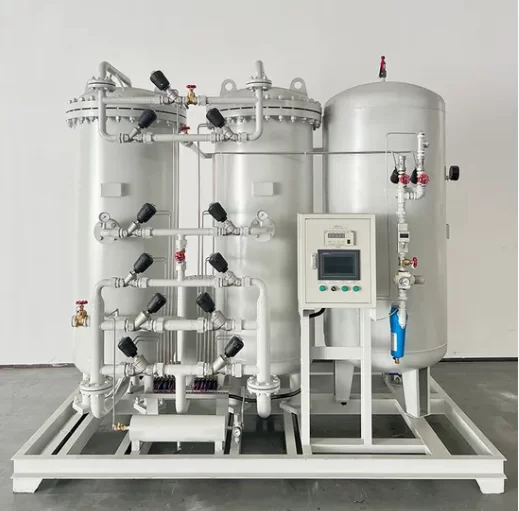
Put simply, the nitrogen membrane price refers to the cost associated with purchasing and implementing membrane-based nitrogen generation systems. These membranes selectively separate nitrogen gas from air, offering a flexible and relatively clean way to produce nitrogen on-site.
This separation technology is crucial in industries like food preservation, chemical processing, and electronics, where high-purity nitrogen can protect products and processes from oxidation or contamination. It’s also pivotal in humanitarian sectors—imagine remote medical clinics using on-site nitrogen membranes to supply oxygen concentrators when bottled gases aren’t feasible.
The heart of any nitrogen membrane system is its membrane itself—often a polymer composite designed for selective permeability. Higher-grade materials improve lifespan and efficiency but come with a steeper upfront cost. Many engineers note that better durability reduces downtime, hence total operating cost, which balances the ticket price.
The size of the nitrogen membrane unit strongly influences price. Small portable units are affordable but limited in output, while industrial-sized membrane modules cost more but can serve factories or hospitals. Scalability often allows users to pay only for what they need, but larger systems add complexity and cost.
Different use cases demand varying nitrogen purity; food packaging may only require 95% nitrogen, while electronic manufacturing might need upwards of 99.999%. Achieving higher purity levels increases membrane sophistication and hence price. Efficiency and recovery rate also factor in, impacting operational savings.
Interestingly, brand trust and after-sales support affect nitrogen membrane price more than you might guess. Vendors offering strong warranties, maintenance packages, and technical support tend to charge more, but many users feel it’s worth the peace of mind — especially when downtime is costly.
Oddly enough, some emerging economies are leapfrogging traditional nitrogen procurement methods thanks to compact, affordable membrane systems — a real win for remote industries.
When you think about long-term investment, the upfront cost reflected in the nitrogen membrane price often pays off in reduced logistics expenses (no need to truck in nitrogen bottles), lower environmental footprint, and higher operational safety.
If you’re running a factory, the reliability and on-site generation give you autonomy and prevent supply chain disruptions. For humanitarian responders, these compact systems bring oxygen where it’s desperately needed, creating not just cost savings but genuine social impact and trust.
The industry is buzzing with advances such as:
Such advances will likely shift nitrogen membrane prices over time, potentially making the technology even more accessible.
Current limitations include membrane fouling, limited shelf life, and sensitivity to environmental conditions — all of which can complicate maintenance and increase total cost.
Experts recommend routine membrane cleaning, selecting membranes tailored for specific air qualities, and incorporating modular designs to swap membranes quickly. It’s a bit like maintaining your car; staying ahead limits surprises.
| Specification | Details |
|---|---|
| Nitrogen Purity | 95% - 99.999% |
| Capacity | 10 - 10,000 Nm³/hr |
| Operating Pressure | 4 - 8 bar |
| Membrane Type | Polymeric Composite |
| Power Consumption | 0.25 - 0.5 kWh/Nm³ |
| Warranty | 2 - 5 years |
| Vendor | Price Range (USD) | Typical Purity (%) | Warranty | Support |
|---|---|---|---|---|
| MembranaPro | $12,000 - $45,000 | 95 - 99.9 | 3 years | 24/7 phone & online |
| GasFlow Systems | $15,000 - $50,000 | 97 - 99.999 | 5 years | Dedicated field technicians |
| EcoN2 Tech | $10,000 - $40,000 | 95 - 99.5 | 2 years | Online FAQs & email support |
In real terms, the nitrogen membrane price isn’t just about dollars on paper; it reflects a technology that’s quietly revolutionizing how industries and humanitarian efforts access a vital gas. Choosing the right membrane involves balancing cost, purity, durability, and support. And with new green innovations on the horizon, the economics of nitrogen membrane systems may become even more favorable.
If you’re considering investing in your own on-site nitrogen generation, I’d suggest visiting https://www.storeoxygen.com for expert guidance and competitive pricing options.
Mini takeaway: Quality materials and vendor reliability often justify higher initial nitrogen membrane prices through savings and trust long-term.
References: