Hit enter to search or ESC to close
5 February 2026
Nitrogen is an essential industrial gas used across a vast array of applications, from food preservation and electronics manufacturing to chemical processing and oil recovery. Understanding the nitrogen manufacturing process is crucial for businesses that rely on a consistent and high-quality supply. This article will delve into the various methods employed to produce nitrogen, focusing on the most common techniques, their advantages, and considerations for selecting the right nitrogen source for your needs. We will explore cryogenic air separation, pressure swing adsorption, and membrane separation, providing a detailed look at each process.
Cryogenic air separation is the most widely used method for producing high-purity nitrogen. This process involves cooling atmospheric air to extremely low temperatures – typically below -196°C (-321°F) – causing the air to liquefy. Because nitrogen and oxygen have different boiling points, they can be separated through fractional distillation. The liquid nitrogen, having a lower boiling point, evaporates first and is collected. This method consistently delivers nitrogen with purities exceeding 99.999%. It’s ideal for applications requiring ultra-high purity, such as semiconductor manufacturing and specialized chemical processes. Store Oxygen provides cryogenic nitrogen solutions tailored to diverse industrial needs.
Key Highlights: High purity nitrogen (99.999%+) is achievable, suitable for demanding applications, relatively energy intensive.
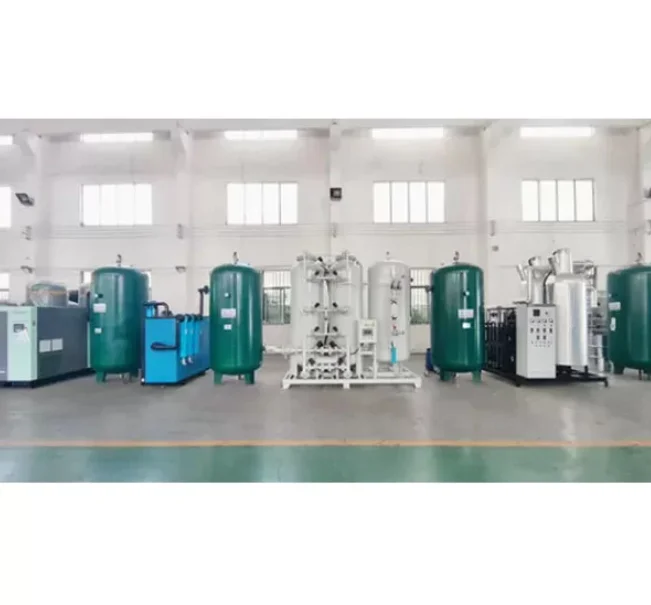
Pressure Swing Adsorption (PSA) is a cost-effective method for producing nitrogen on-site. This technology utilizes specialized adsorbents, typically carbon molecular sieves (CMS), to selectively adsorb oxygen from the air under pressure. Once the CMS is saturated with oxygen, the pressure is reduced, causing the oxygen to be released, and the CMS is regenerated. PSA systems offer flexibility and scalability, making them suitable for a wide range of nitrogen requirements. Purity levels typically range from 95% to 99.5%.
PSA Benefits:
• Lower initial investment compared to cryogenic systems
• On-site generation eliminates delivery costs
• Scalable to meet changing demand
• Lower energy consumption than cryogenic systems
Choosing the right nitrogen generation method depends on factors like purity requirements, production volume, and budget. The following table provides a comparison of the three main processes:
Membrane separation uses semi-permeable membranes to selectively separate nitrogen from air. Air is passed through the membranes, and nitrogen permeates through while oxygen and other gases are retained. This method is simpler and less energy-intensive than cryogenic separation but typically produces lower purity nitrogen (90-99%). It's a suitable option for applications where high purity isn’t essential, such as purging, blanketing, and certain packaging processes.
The ideal nitrogen manufacturing process depends on your specific needs. Consider these factors: purity requirements, volume demand, budget constraints, and on-site space availability. Cryogenic air separation is best for high-purity applications, while PSA and membrane separation are excellent choices for on-site generation and lower purity needs. Store Oxygen can help you assess your requirements and determine the most cost-effective and efficient nitrogen solution.
Choosing the right nitrogen manufacturing process is crucial for operational efficiency and cost-effectiveness. By carefully evaluating your specific needs and considering the advantages of each method, you can ensure a reliable and high-quality nitrogen supply.
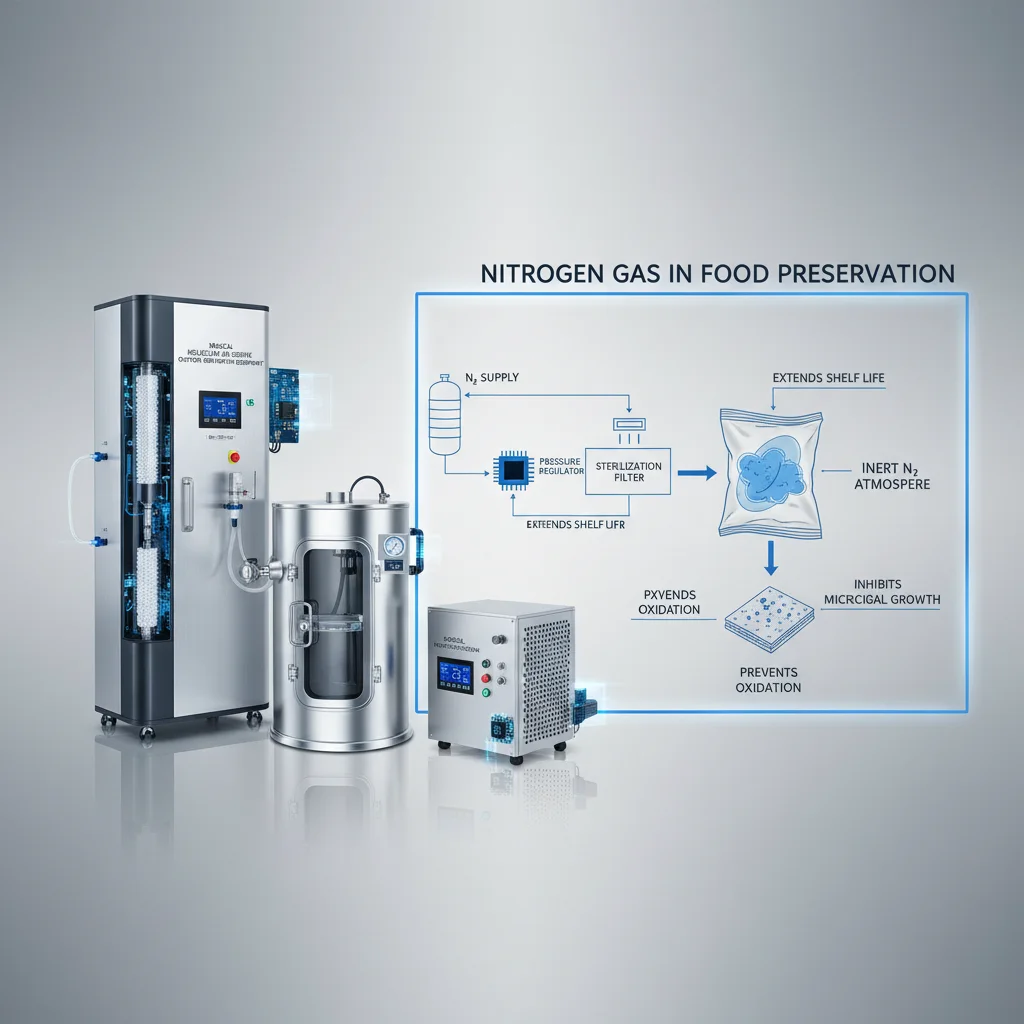
Industrial nitrogen has a remarkably diverse range of applications. It's widely used in the food and beverage industry for modified atmosphere packaging (MAP) to extend shelf life. In the electronics sector, it serves as a purging gas during semiconductor manufacturing. Chemical processing relies on nitrogen for inerting and preventing unwanted reactions. Oil and gas industries utilize it for enhanced oil recovery and pipeline purging. Furthermore, it's used in metal fabrication for laser cutting and welding, and in healthcare for cryopreservation and medical procedures. The versatility of nitrogen makes it an indispensable component in numerous industrial processes.
While nitrogen is non-toxic, it's an asphyxiant – meaning it can displace oxygen in enclosed spaces. Therefore, adequate ventilation is crucial when working with nitrogen. Personnel should be trained on the hazards of oxygen deficiency. Confined space entry requires strict adherence to safety protocols, including oxygen monitoring and rescue procedures. Nitrogen cylinders should be securely stored and handled to prevent leaks or damage. Always consult the Safety Data Sheet (SDS) for comprehensive safety information.
The cost of nitrogen varies significantly depending on the generation method, volume required, and location. Cryogenic systems typically have the highest initial investment but can be cost-effective for large-scale, continuous production. PSA systems offer a balance between upfront cost and operating expenses. Membrane separation is generally the least expensive in terms of initial investment and operating costs, but the lower purity may limit its applications. Delivery costs associated with purchased nitrogen also contribute to the overall expense.