Hit enter to search or ESC to close
17 March 2026
Food preservation is a critical aspect of the food industry, ensuring safety, extending shelf life, and maintaining quality. Among the various methods employed, Modified Atmosphere Packaging (MAP) utilizing nitrogen gas is becoming increasingly popular. This article delves into the applications, benefits, and considerations surrounding the use of nitrogen gas in food packaging. We’ll explore how this inert gas helps protect food from spoilage and maintain its freshness, alongside discussing its safety and sourcing.
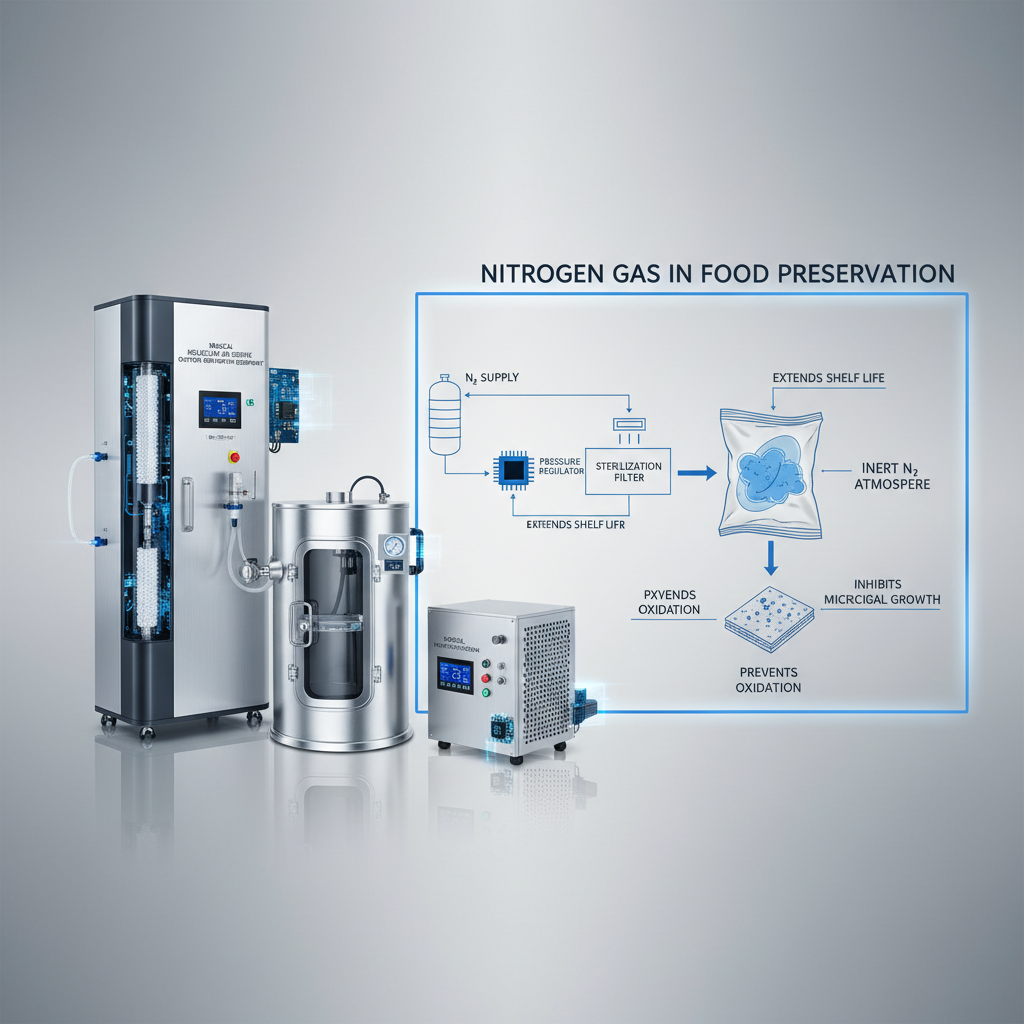
Nitrogen gas, comprising approximately 78% of the Earth's atmosphere, is an inert gas, meaning it doesn't react with most substances. In food packaging, it's used to displace oxygen, which is a primary driver of spoilage. Oxygen causes oxidation, leading to rancidity in fats, discoloration in meats, and growth of aerobic microorganisms. By reducing the oxygen concentration, nitrogen significantly slows down these processes. This is particularly effective for foods susceptible to oxidation, such as snacks, processed meats, and baked goods. Moreover, nitrogen's inert nature ensures it doesn't impart any taste or odor to the food product. The use of nitrogen flushing is a cost-effective and efficient method for enhancing food preservation.
Key Highlights: Nitrogen gas displaces oxygen, slowing down spoilage processes like oxidation and microbial growth. It's inert, odorless, and tasteless, making it ideal for food packaging.
The applications of nitrogen gas extend across a wide range of food products. Here's a look at some key areas:
The versatility of nitrogen gas makes it a valuable tool for food producers seeking to enhance product quality and reduce waste. Choosing a reliable nitrogen supplier is vital to ensure product purity and consistency.
Benefits of Nitrogen Packaging:
• Extended Shelf Life
• Improved Product Quality
• Reduced Food Waste
• Maintained Flavor and Aroma
While nitrogen is widely used, other gases are also employed in MAP. Carbon dioxide (CO2) and oxygen (O2) are common additions. CO2 inhibits microbial growth, while small amounts of O2 can preserve the red color of fresh meats. However, nitrogen often forms the bulk of the gas mixture due to its inertness and cost-effectiveness. Here's a comparative look:
Nitrogen gas is non-toxic, but it can cause asphyxiation by displacing oxygen. Therefore, proper ventilation and handling procedures are essential when working with nitrogen. Suppliers like Store Oxygen provide high-purity nitrogen gas that meets food-grade standards. Ensure the supplier adheres to strict quality control measures and provides certification of analysis. Proper storage of nitrogen cylinders is also crucial, following safety guidelines to prevent leaks or accidents. Regular inspections of equipment and training for personnel are vital components of a safe nitrogen handling program.
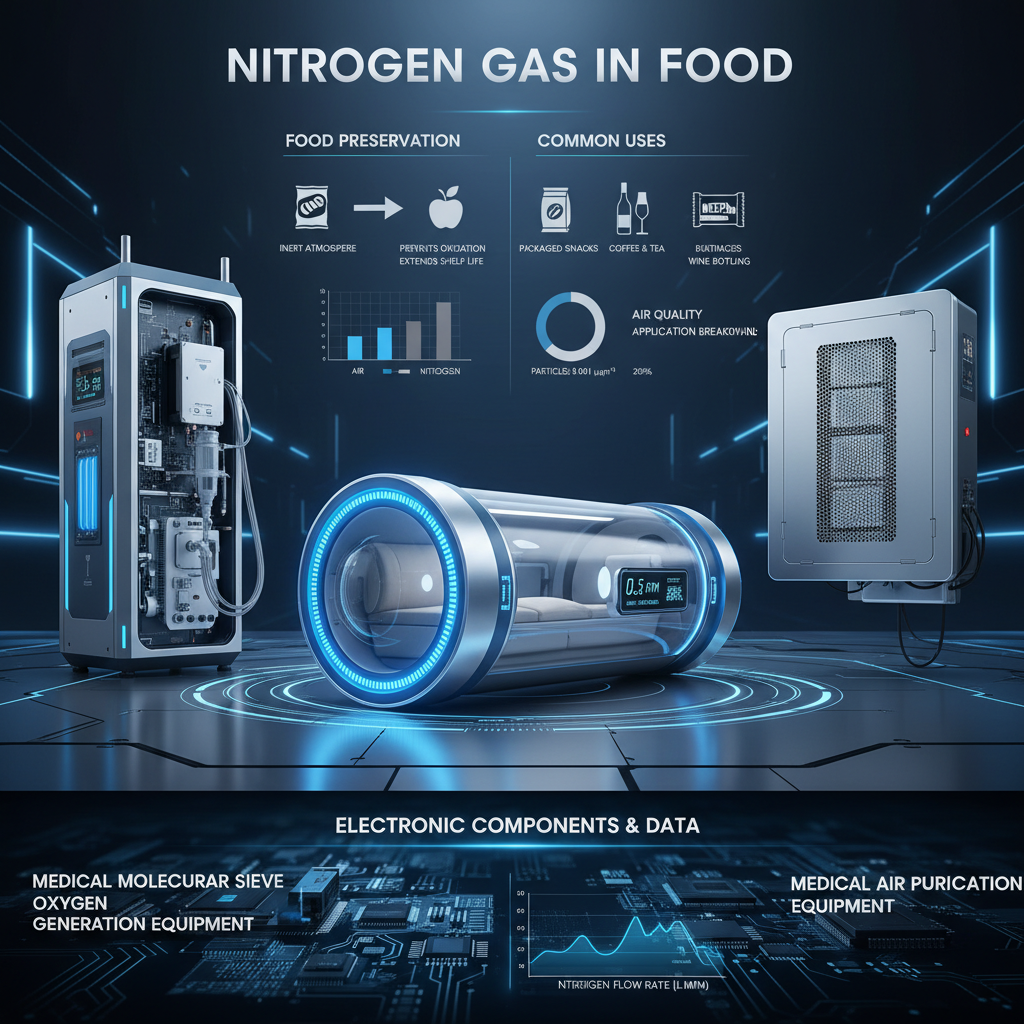
Nitrogen gas plays a pivotal role in modern food preservation techniques. Its ability to displace oxygen, combined with its inert properties, makes it an invaluable tool for extending shelf life, maintaining product quality, and reducing food waste. By understanding the applications, safety considerations, and sourcing options, food producers can leverage the benefits of nitrogen gas to deliver fresher, safer, and more appealing products to consumers. Partnering with a reputable supplier like Store Oxygen ensures a consistent and reliable supply of high-quality nitrogen gas.
Nitrogen flushing involves injecting nitrogen gas into a package before sealing, displacing the oxygen already present. Nitrogen gas packaging, more broadly, refers to any packaging system that utilizes a high percentage of nitrogen in the modified atmosphere. Flushing is a specific method of achieving nitrogen packaging. The effectiveness of both methods depends on the packaging material's permeability to gases. It’s important to use packaging materials that maintain the modified atmosphere over time.
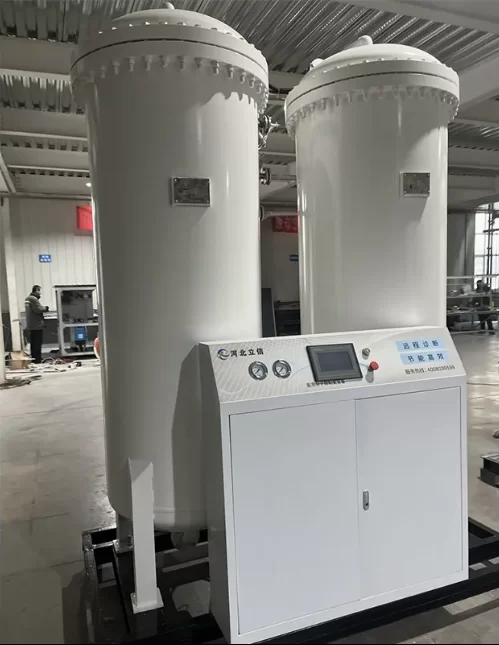
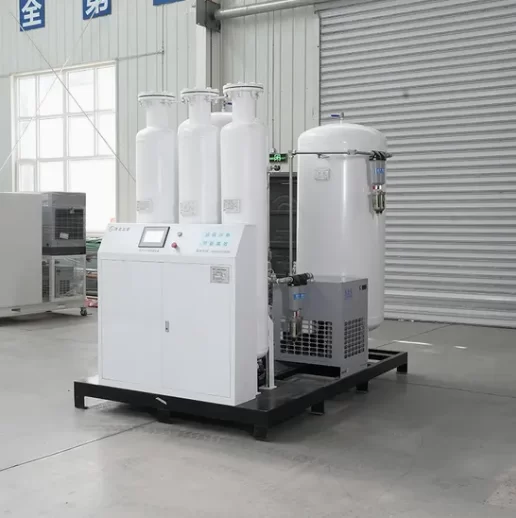
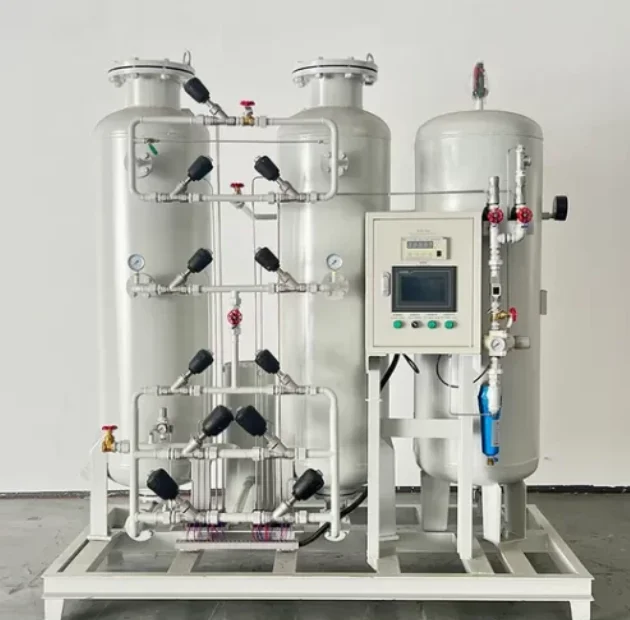
The cost of nitrogen gas is relatively low compared to the benefits it provides. While there's an initial investment in equipment for nitrogen generation or delivery, the long-term savings from reduced spoilage, extended shelf life, and minimized food waste often outweigh the costs. Factors influencing the total cost include the volume of nitrogen used, the sourcing method (on-site generation vs. delivery), and the packaging material chosen. Sourcing from a reputable supplier like Store Oxygen can help optimize costs and ensure consistent quality.
Packaging materials with low permeability to gases are essential for maintaining the modified atmosphere created by nitrogen. Common choices include multilayer films (such as polyethylene, polypropylene, and EVOH), metalized films, and high-barrier plastics. The specific material selected depends on the food product's characteristics and the desired shelf life. It’s crucial to choose materials compatible with the food and approved for food contact by relevant regulatory bodies.
While nitrogen gas is beneficial for a wide variety of foods, it's not universally applicable. Foods that naturally contain high levels of carbon dioxide (like carbonated beverages) or require oxygen for enzymatic browning (like certain fruits) might not benefit from pure nitrogen packaging. The effectiveness of nitrogen gas depends on the specific food's characteristics and the desired preservation outcome. Consulting with a packaging expert is recommended to determine the optimal packaging solution for each product.