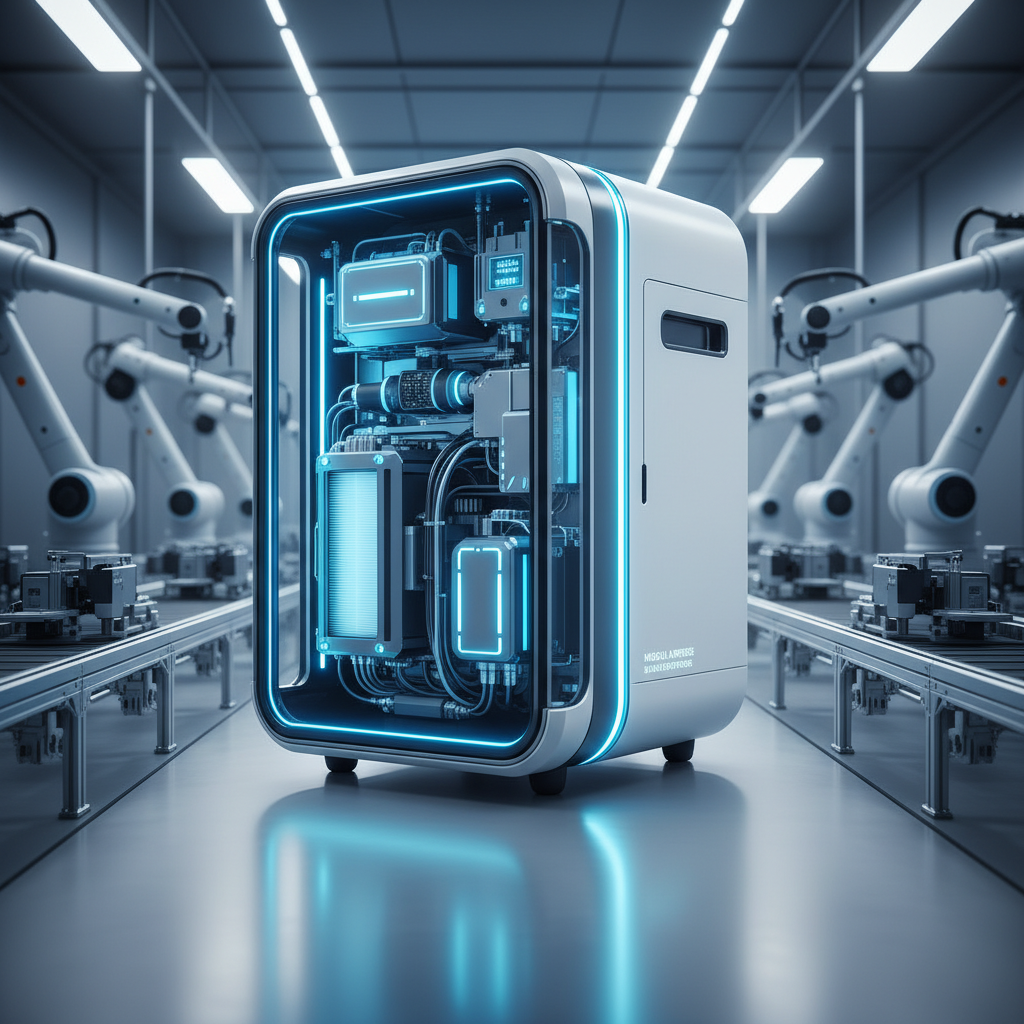
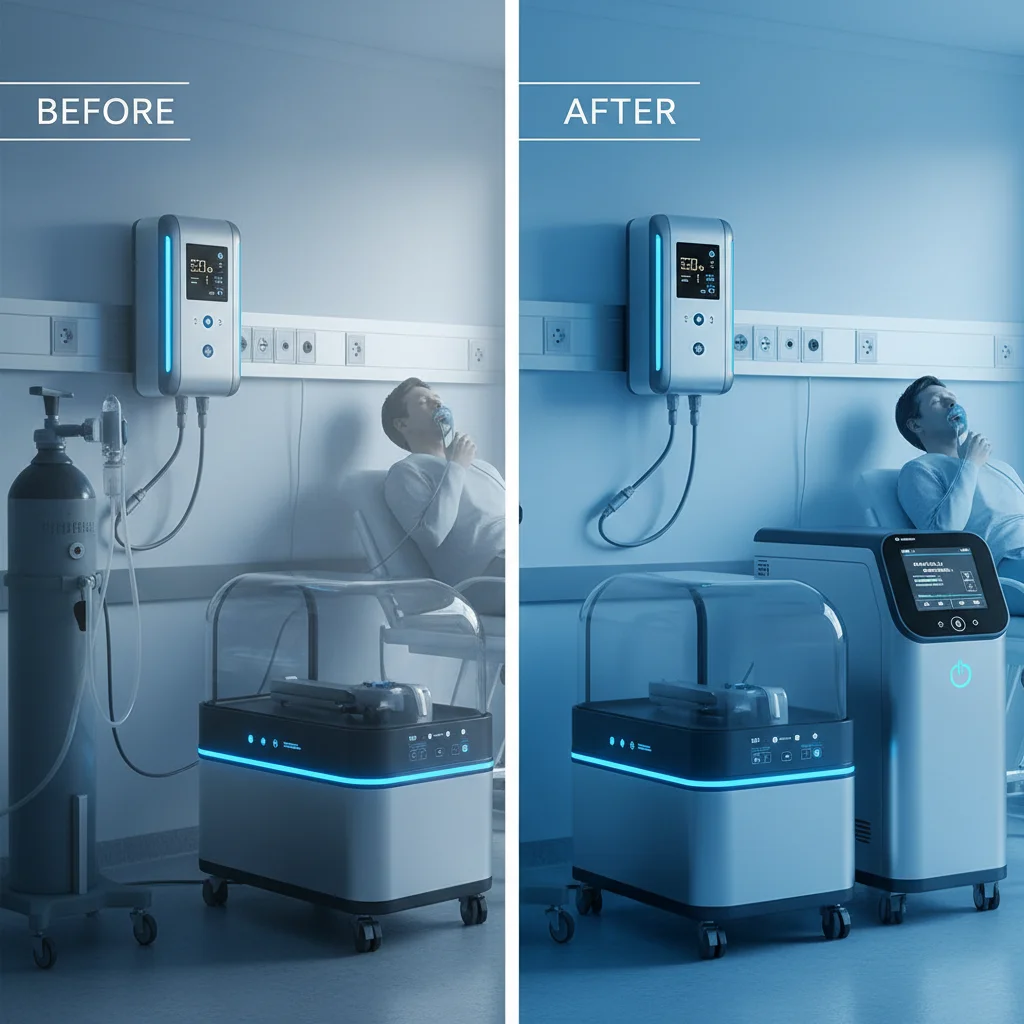
Medical air purifiers are becoming increasingly vital in safeguarding public health and ensuring safe environments across a multitude of settings. These devices, designed to remove airborne contaminants like dust, pollen, mold, bacteria, and viruses, play a crucial role in reducing the risk of respiratory illnesses and improving overall air quality. The need for effective air purification solutions is driven by rising pollution levels, increased awareness of indoor air quality impacts, and global health concerns, making the medical air purifier market a rapidly expanding sector.
Globally, the demand for medical air purifiers is spurred by several factors, including the growing prevalence of respiratory diseases like asthma and allergies, and the increasing hospitalization rates related to poor air quality. Organizations like the World Health Organization (WHO) emphasize the importance of clean air for public health, driving adoption of air purification technologies. Furthermore, advancements in filtration technologies, such as HEPA and activated carbon filters, are enhancing the effectiveness and efficiency of these devices, fostering wider acceptance.
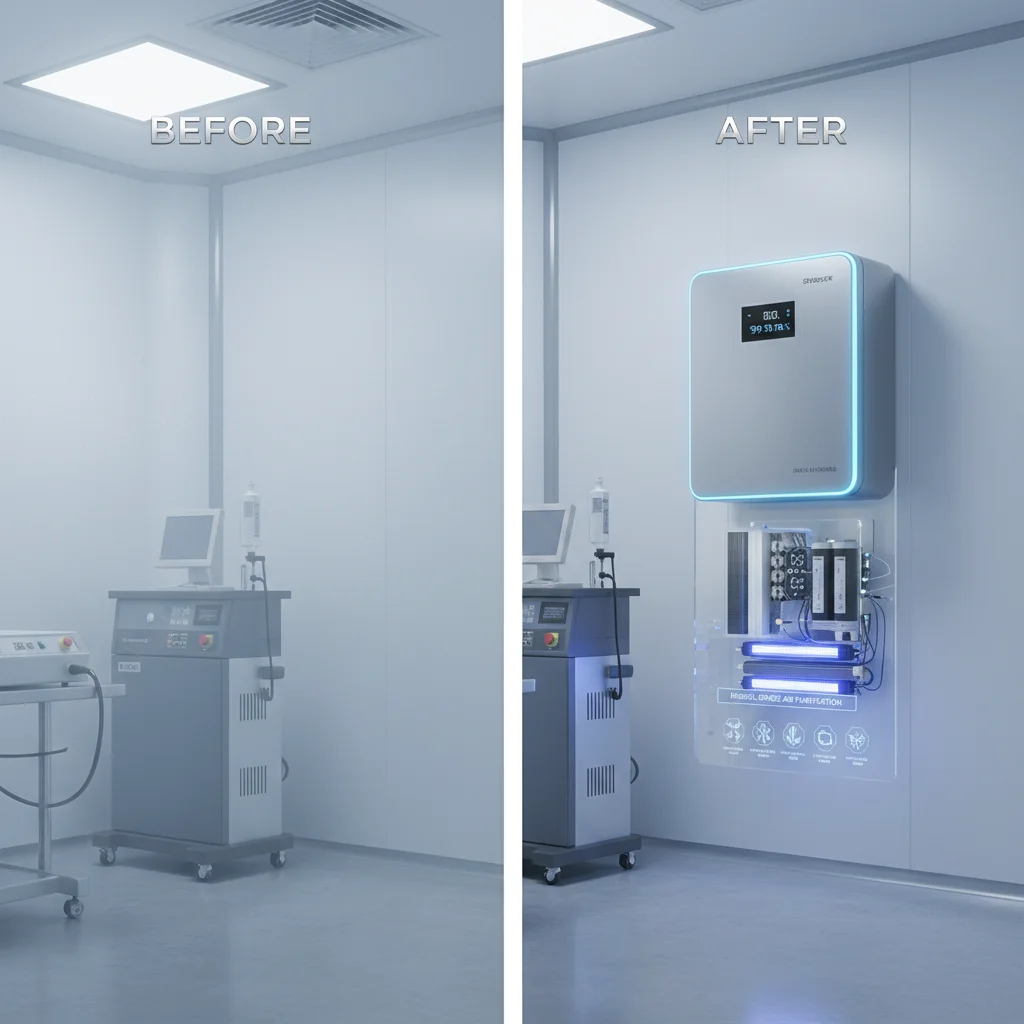
The significance of medical air purifiers extends beyond individual health, impacting healthcare facilities, research laboratories, and industries requiring stringent air quality control. From hospitals seeking to minimize healthcare-associated infections to cleanrooms needing to maintain sterile conditions, these devices provide a critical layer of protection, promoting well-being and operational efficiency. The continuous innovation in this field promises even more sophisticated solutions to address emerging air quality challenges.
Introduction to medical air purifier
A medical air purifier is a device specifically designed to remove harmful particles and contaminants from the air, crucial in settings where air quality directly impacts health outcomes. These aren't just standard air cleaners; they are engineered with advanced filtration systems and often include features like UV-C sterilization to target and eliminate a broader spectrum of pollutants. The demand for high-quality medical air purifier is continuously escalating due to growing concerns about airborne diseases and indoor environmental quality.
Unlike consumer-grade air purifiers, medical air purifiers are subject to more rigorous testing and certification standards, ensuring their efficacy and safety for sensitive environments. They are commonly used in hospitals, clinics, laboratories, and pharmaceutical manufacturing facilities, where maintaining sterile conditions is paramount. The ability to consistently deliver clean, purified air is essential for protecting patients, healthcare workers, and sensitive research processes.
Defining the Medical Air Purifier
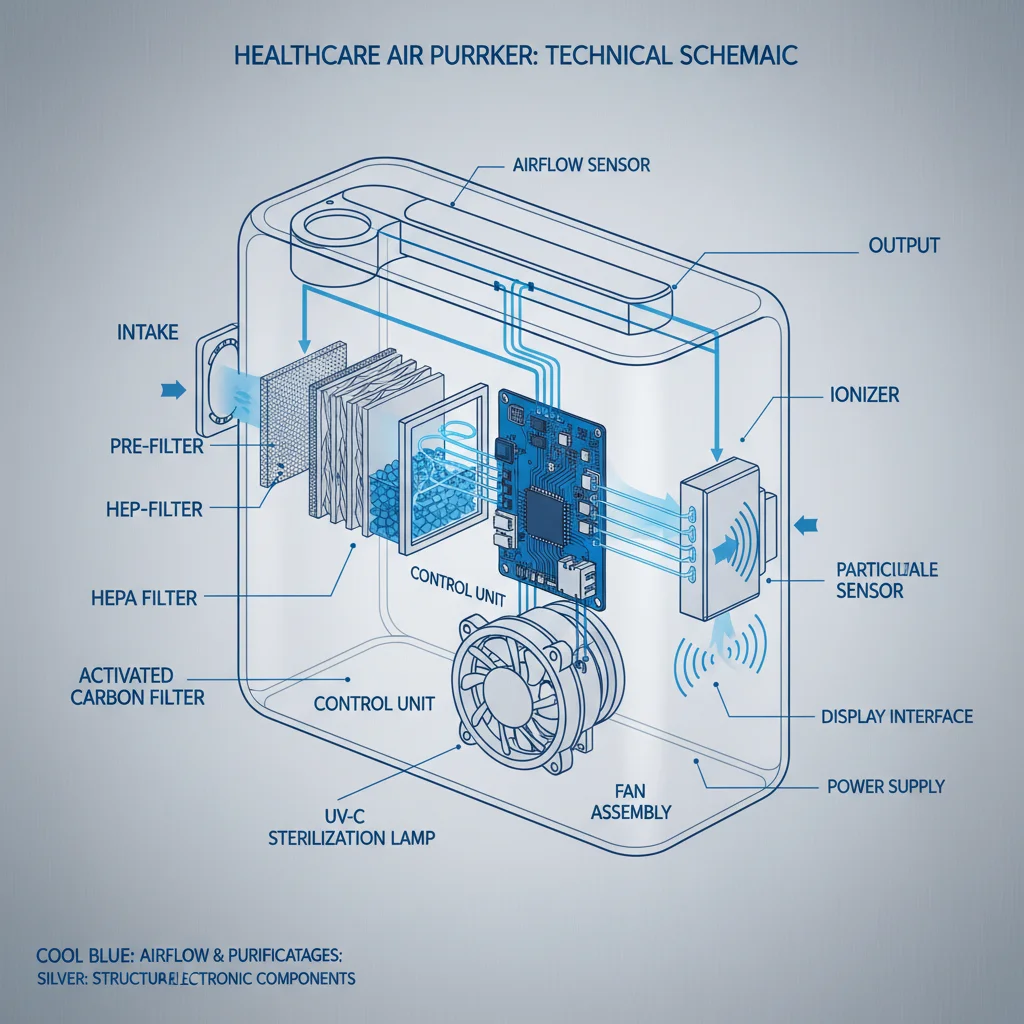
A medical air purifier is a specialized air cleaning system designed to remove a wide range of airborne contaminants, including bacteria, viruses, fungi, dust, pollen, and volatile organic compounds (VOCs). Unlike general-purpose air purifiers, medical-grade units are engineered to meet stringent performance standards, ensuring their effectiveness in protecting vulnerable populations and maintaining sterile environments. These devices often incorporate multi-stage filtration processes, including pre-filters, HEPA filters, and activated carbon filters.
The core function of a medical air purifier is to reduce the concentration of airborne pathogens and pollutants to levels that minimize the risk of infection and respiratory illnesses. They are integral to maintaining air quality in healthcare facilities, research laboratories, and pharmaceutical manufacturing plants. The rigorous testing and certification processes ensure that medical air purifiers deliver consistent and reliable performance.
The evolution of medical air purifier technology is closely linked to advancements in healthcare and a growing understanding of the impact of air quality on human health. From early models focused on particulate filtration to current systems incorporating UV-C sterilization and advanced sensor technologies, the pursuit of cleaner, safer air continues to drive innovation in this vital field.
Core Components of a medical air purifier
The effectiveness of a medical air purifier hinges on the integration of several key components, each playing a crucial role in the air purification process. A pre-filter is typically the first line of defense, capturing larger particles like dust, pollen, and pet dander, extending the lifespan of subsequent filters. Following this, a HEPA (High-Efficiency Particulate Air) filter traps 99.97% of particles 0.3 microns in size, including bacteria and viruses.
Activated carbon filters are essential for removing odors, gases, and VOCs, contributing to a healthier indoor environment. Some advanced medical air purifiers also incorporate UV-C (ultraviolet C) light technology, which sterilizes airborne pathogens by disrupting their DNA. These components work synergistically to deliver comprehensive air purification.
Finally, the fan and motor system is critical for drawing air through the filters and distributing purified air back into the room. A high-quality fan ensures efficient air circulation and optimal purification performance. The selection of components directly impacts the purifier’s overall efficiency, lifespan, and ability to maintain clean air in sensitive environments.
Key Factors Influencing Performance
Several key factors determine the performance of a medical air purifier, impacting its ability to deliver clean and safe air. The Clean Air Delivery Rate (CADR) is a crucial metric, indicating the volume of purified air the unit delivers per hour. A higher CADR signifies faster and more effective air cleaning, particularly in larger spaces. Filter efficiency, specifically the MERV rating of the HEPA filter, also plays a critical role.
Room size and air exchange rate are essential considerations. A medical air purifier must be appropriately sized for the intended space to achieve optimal performance. The number of air changes per hour (ACH) indicates how often the air in the room is completely filtered. In healthcare settings, a higher ACH is generally recommended to maintain a sterile environment.
Medical Air Purifier Performance Factors
Global Applications and Industries Served
Medical air purifiers are indispensable across a wide spectrum of industries and applications. Healthcare facilities, including hospitals, clinics, and operating rooms, rely on these devices to maintain sterile environments, reduce the risk of healthcare-associated infections, and protect vulnerable patients. Pharmaceutical manufacturing plants utilize them to ensure product purity and comply with stringent regulatory requirements.
Research laboratories and biotechnology companies employ medical air purifiers to prevent contamination of sensitive experiments and maintain controlled environments. Furthermore, these devices are increasingly being used in dental offices, veterinary clinics, and assisted living facilities to improve indoor air quality and safeguard the health of patients and staff.
Advantages and Long-Term Value
Investing in a medical air purifier offers significant advantages beyond immediate air quality improvement. Reduced healthcare costs are a direct benefit, stemming from fewer respiratory illnesses and infections. Enhanced productivity is another advantage, as cleaner air contributes to improved cognitive function and reduced employee absenteeism. A healthier work environment also boosts morale and employee well-being.
The long-term value lies in the prevention of costly health issues and the creation of a safer, more sustainable environment. By proactively addressing air quality concerns, organizations demonstrate a commitment to the health and safety of their stakeholders, building trust and enhancing their reputation. The reliability and durability of high-quality medical air purifiers contribute to long-term cost savings and peace of mind.
Beyond the tangible benefits, medical air purifiers provide a sense of security and control over indoor environments, contributing to a greater sense of well-being for individuals and communities. They represent a proactive approach to health protection, promoting a healthier and more sustainable future.
Future Trends in medical air purifier Technology
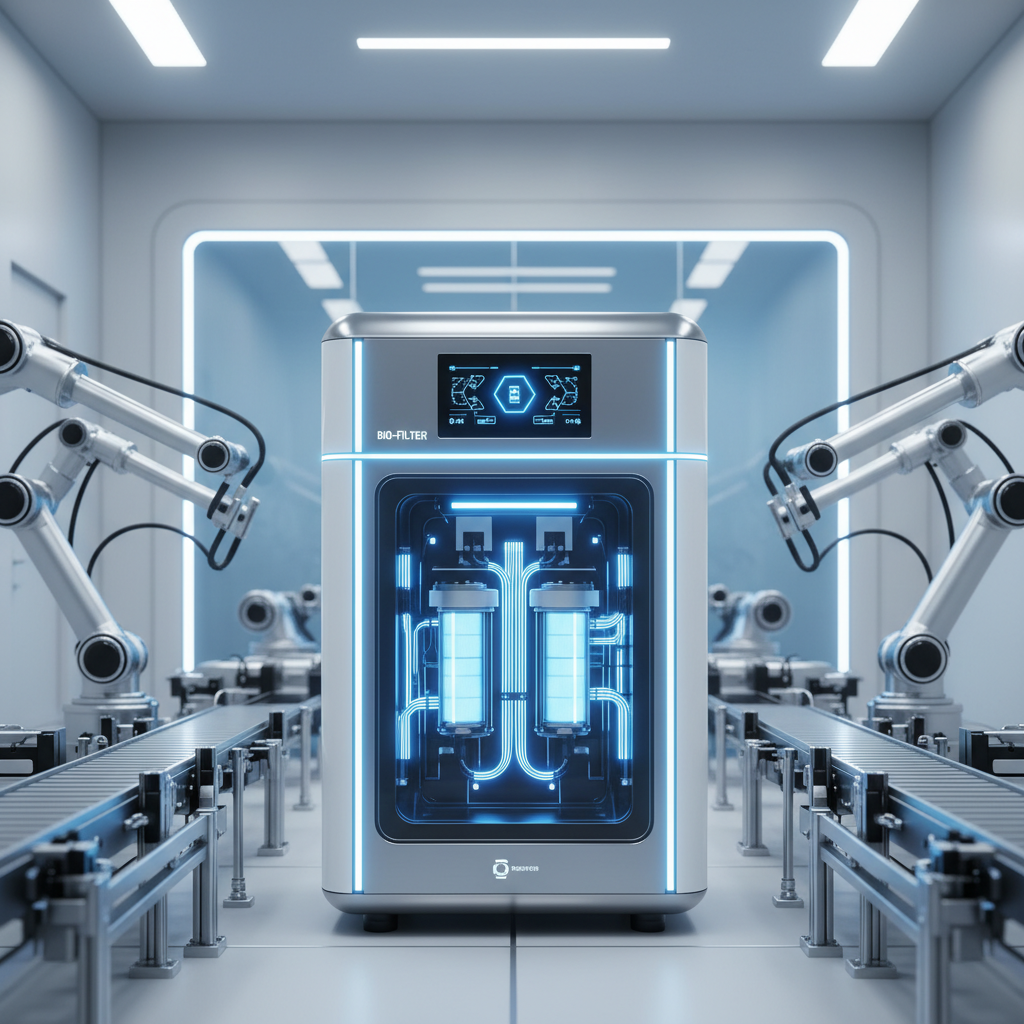
The future of medical air purifier technology is poised for significant advancements. Integration with smart home and building automation systems will enable real-time monitoring and control of air quality, optimizing performance and energy efficiency. The development of more advanced filtration materials, such as nanomaterials and bio-filters, promises to enhance the removal of even the smallest airborne contaminants.
A key trend is the increasing focus on energy efficiency and sustainability, with manufacturers exploring low-power consumption designs and utilizing eco-friendly materials. Portable and wearable air purification devices are also emerging, offering personalized air quality protection on the go. Furthermore, the integration of artificial intelligence (AI) and machine learning (ML) will enable predictive maintenance and optimized filter replacement schedules.
Finally, the convergence of air purification with other health technologies, such as air quality sensors and health monitoring devices, will create a more holistic approach to indoor environmental management. This will lead to customized air purification solutions tailored to individual needs and specific health conditions.
Summary of Future Trends in Medical Air Purification
| Trend Category |
Technology Focus |
Impact on Performance |
Expected Timeline |
| Smart Integration |
IoT Connectivity, AI Control |
Optimized Airflow, Remote Monitoring |
1-3 Years |
| Advanced Filtration |
Nanomaterials, Bio-filters |
Enhanced Particle Capture, Virus Removal |
3-5 Years |
| Energy Efficiency |
Low-Power Fans, Eco-Friendly Materials |
Reduced Energy Consumption, Sustainable Design |
Ongoing |
| Portable Devices |
Wearable Purifiers, Compact Units |
Personalized Air Quality Protection |
2-4 Years |
| Predictive Maintenance |
AI-Driven Filter Replacement |
Reduced Downtime, Optimized Performance |
3-5 Years |
| Integrated Health Tech |
Air Quality Sensors, Health Monitoring |
Holistic Indoor Environmental Management |
5+ Years |
FAQS
While both HEPA filters are designed to capture 99.97% of particles 0.3 microns in size, “true HEPA” filters adhere to a stricter standard and undergo more rigorous testing to ensure they meet the specified performance criteria. Non-true HEPA filters may meet the efficiency standard, but lack the thorough testing required for true HEPA certification, impacting reliability and performance in critical environments.
Filter replacement frequency depends on usage and air quality conditions. Pre-filters should be cleaned or replaced monthly. HEPA filters typically last 6-12 months, while activated carbon filters may need replacing every 3-6 months. Most medical air purifiers have filter replacement indicators to alert you when it’s time for a change. Regular maintenance ensures optimal performance.
Medical air purifiers with HEPA filters can capture airborne viruses, including COVID-19, by trapping the particles that carry the virus. However, they don't “kill” the virus. Combining HEPA filtration with UV-C light sterilization can further reduce viral load by inactivating pathogens. Proper ventilation and other safety measures remain essential.
The appropriate CADR for a hospital room depends on the room's size and air exchange requirements. Generally, a CADR of at least 2/3 of the room's square footage is recommended. For critical care areas, higher CADR ratings and more frequent air changes per hour (ACH) are necessary to maintain sterile conditions and minimize infection risk.
The noise level of a medical air purifier varies depending on the fan speed and unit design. Many models offer multiple fan speeds, allowing you to balance air purification performance with noise levels. Look for units with noise ratings below 50 dB for quieter operation, especially in sensitive environments like bedrooms or patient rooms.
Look for certifications like AHAM Verified, which confirms the unit’s CADR performance. For medical applications, consider units certified by relevant health organizations or standards, like those meeting ISO standards for cleanroom technology. These certifications indicate that the purifier has been independently tested and meets specific performance criteria.
Conclusion
In conclusion, medical air purifiers are essential tools for safeguarding public health and maintaining safe environments across a wide range of applications. From hospitals and research laboratories to industrial facilities and healthcare settings, these devices play a vital role in removing airborne contaminants and protecting vulnerable populations. Their effectiveness relies on a combination of advanced filtration technologies, rigorous testing, and appropriate maintenance.
Looking ahead, the continued innovation in medical air purifier technology promises even more sophisticated and effective solutions for addressing emerging air quality challenges. Embracing these advancements and prioritizing air quality management is crucial for creating healthier, safer, and more sustainable environments for all. Visit our website at www.storeoxygen.com to explore our range of medical air purification solutions and learn how we can help you create a cleaner, healthier environment.