Hit enter to search or ESC to close
14 March 2026
Nitrogen gas is becoming increasingly essential in the HVAC (Heating, Ventilation, and Air Conditioning) industry. It's used for a variety of critical applications, from leak testing and system purging to refrigerant handling and preserving system integrity. This article provides a detailed overview of the benefits, applications, and safe handling practices of nitrogen gas in HVAC systems, highlighting its importance for technicians and businesses. Understanding the correct use of nitrogen can dramatically improve efficiency, reliability, and safety within your HVAC operations.
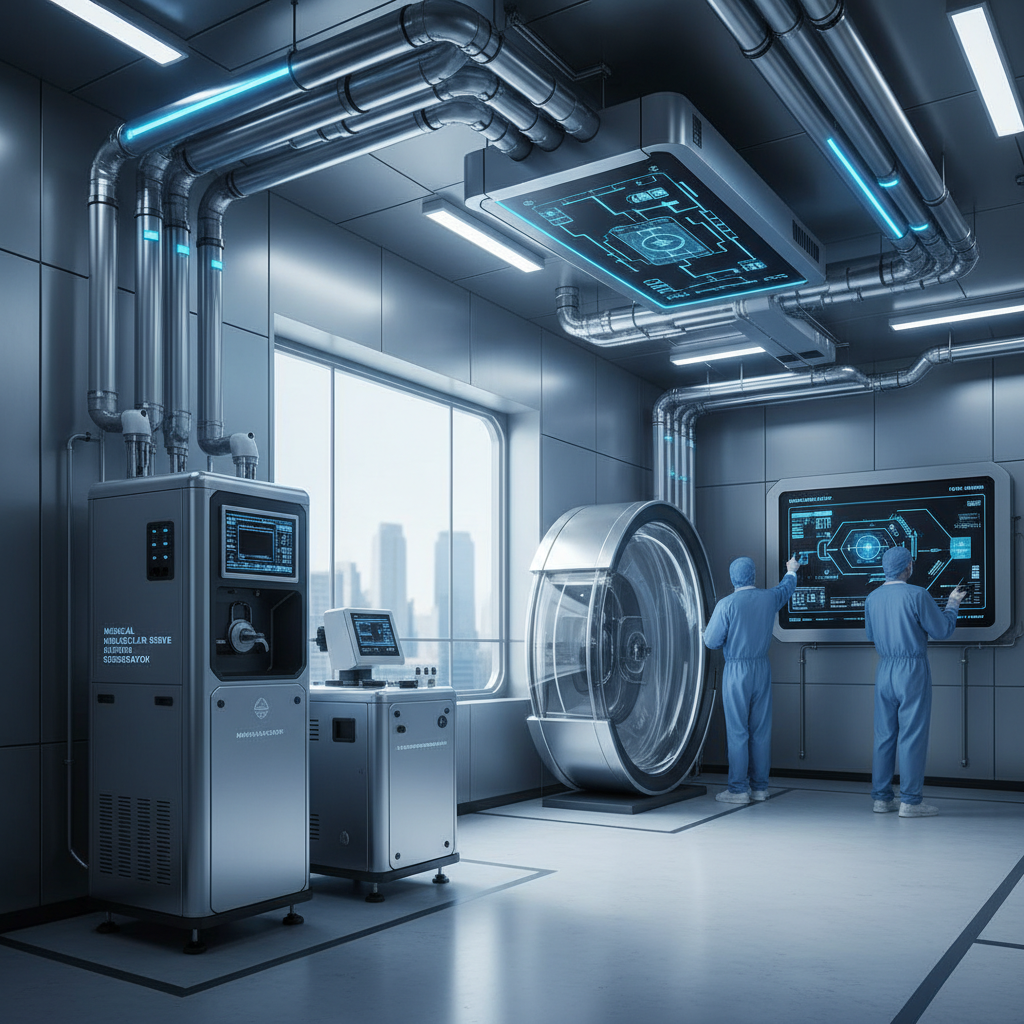
Unlike compressed air, nitrogen is a dry, inert gas. This means it won’t react with system components and won’t contribute to corrosion. This is a significant advantage when purging lines or performing leak tests. The dryness of nitrogen also prevents moisture from entering the system, which is crucial for preventing ice formation and maintaining refrigerant purity. Furthermore, nitrogen's inert nature ensures it won't compromise the refrigerant's chemical composition. Choosing high-purity nitrogen from a reputable supplier like Store Oxygen is key to maximizing these benefits.
Key Benefits: Dry, inert gas that won't react with system components. Prevents corrosion, moisture contamination, and refrigerant degradation. Ensures system efficiency and reliability.
Nitrogen gas plays a vital role in several HVAC procedures. Perhaps its most common use is in leak testing HVAC lines and components. By pressurizing the system with nitrogen, technicians can quickly identify leaks without the risk of introducing contaminants. It's also used to purge refrigerant lines before brazing or installing new components, ensuring a clean and dry system. Additionally, nitrogen is used for charging systems with refrigerant after repairs or installations and for preserving the integrity of refrigeration systems during long periods of inactivity. Proper usage dramatically reduces the potential for system failures and costly repairs.
Nitrogen Applications:
• Leak Detection
• System Purging
• Refrigerant Charging
• System Preservation
While compressed air might seem like a viable alternative, it's crucial to understand the differences. Compressed air contains moisture, which can lead to corrosion and ice formation within the HVAC system. It also contains oxygen, which can react with refrigerants and system components, reducing efficiency and lifespan. Nitrogen, being dry and inert, eliminates these risks, making it the preferred choice for critical HVAC applications. Using compressed air can invalidate warranties and lead to significant repair costs. Choosing nitrogen is an investment in system longevity and performance. Investing in nitrogen from Store Oxygen ensures the highest purity and reliability.
While nitrogen is inert, it's still a compressed gas and requires careful handling. Always use a properly designed regulator and ensure all connections are tight to prevent leaks. Nitrogen can cause asphyxiation if it displaces oxygen in an enclosed space, so adequate ventilation is crucial. Store cylinders in a cool, well-ventilated area, away from heat sources and flammable materials. Secure cylinders to prevent them from falling. Always follow the manufacturer's guidelines and safety data sheet (SDS) for proper handling and storage procedures. Store Oxygen provides comprehensive safety resources and expert advice.
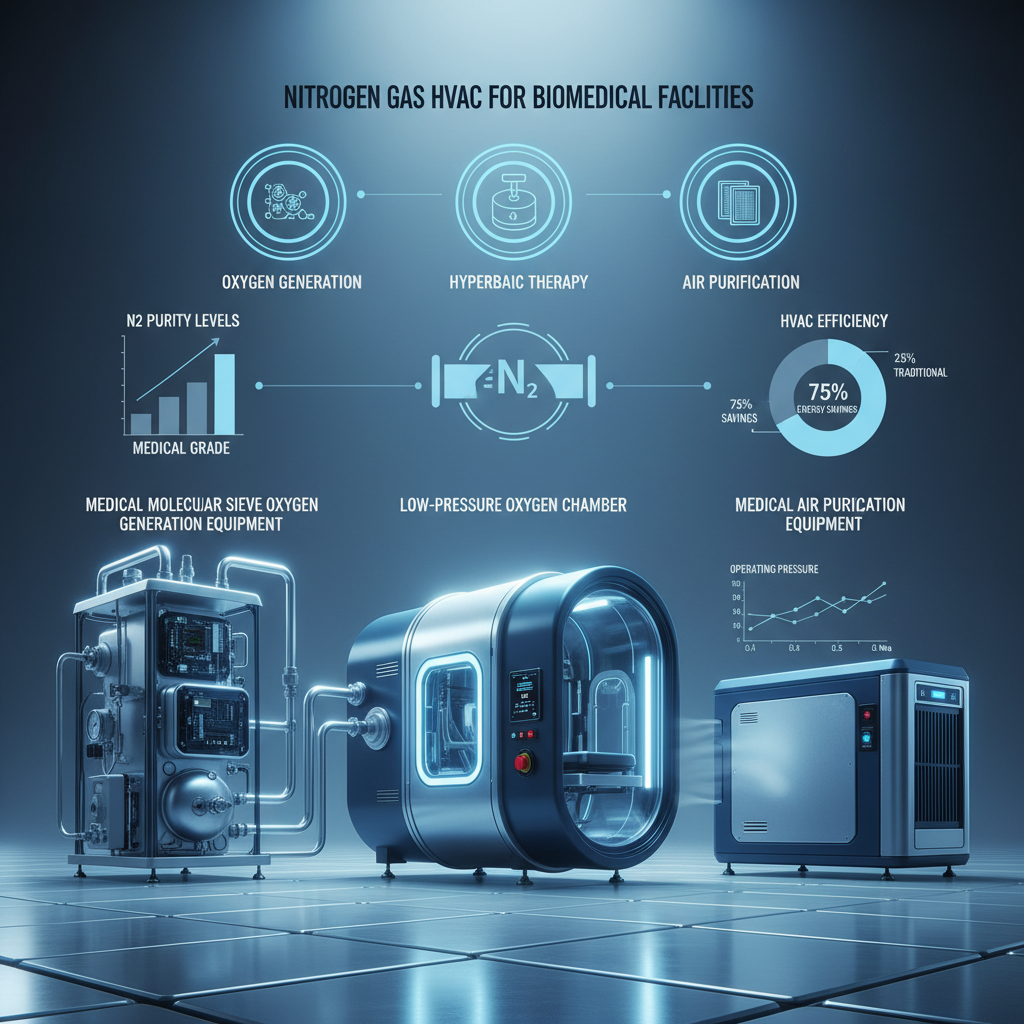
Selecting a reliable nitrogen supplier is critical for ensuring the purity and quality of the gas you're using. Look for a supplier that offers high-purity nitrogen, consistent supply, and competitive pricing. Store Oxygen is a trusted provider of industrial gases, offering a wide range of nitrogen solutions to meet the diverse needs of HVAC professionals. We prioritize safety, quality, and customer satisfaction.
The use of nitrogen gas in HVAC systems offers significant advantages, including improved efficiency, enhanced reliability, and increased safety. By understanding its applications and following safe handling practices, HVAC professionals can optimize system performance and minimize the risk of costly repairs. Choosing a reputable supplier like Store Oxygen ensures access to high-quality nitrogen and expert support.
For most HVAC applications, nitrogen with a purity level of at least 99.5% is recommended. Higher purity levels, such as 99.999%, are often preferred for critical applications where even trace contaminants could be problematic. The presence of moisture or oxygen can compromise refrigerant purity and system efficiency. Store Oxygen offers various purity levels to suit specific HVAC needs.
You should purge your HVAC system with nitrogen any time you open the refrigerant lines for repairs or installations. This is essential to remove any air and moisture that may have entered the system. Purging with nitrogen prevents contamination, ensures proper refrigerant charge, and maintains system efficiency. It's also recommended to purge the system if you suspect it has been contaminated with air or moisture.
Nitrogen displaces oxygen, and in an enclosed space, this can lead to asphyxiation. Symptoms of oxygen deficiency include dizziness, headache, and loss of consciousness. Always ensure adequate ventilation when working with nitrogen in confined areas. Never enter a confined space without proper training and safety equipment, including a self-contained breathing apparatus (SCBA). Follow all safety guidelines provided by your employer and the SDS.