Hit enter to search or ESC to close
19 March 2026
Nitrogen gas is a crucial component in a wide range of industries, from food packaging and pharmaceuticals to oil & gas and electronics. While purchasing bottled nitrogen is an option, generating nitrogen on-site offers significant cost savings, increased control, and enhanced efficiency. This article will explore the nitrogen generation process, its various technologies, key considerations, and the benefits of choosing an on-site solution. We’ll cover everything from Pressure Swing Adsorption (PSA) to membrane separation, helping you determine the best approach for your specific needs.
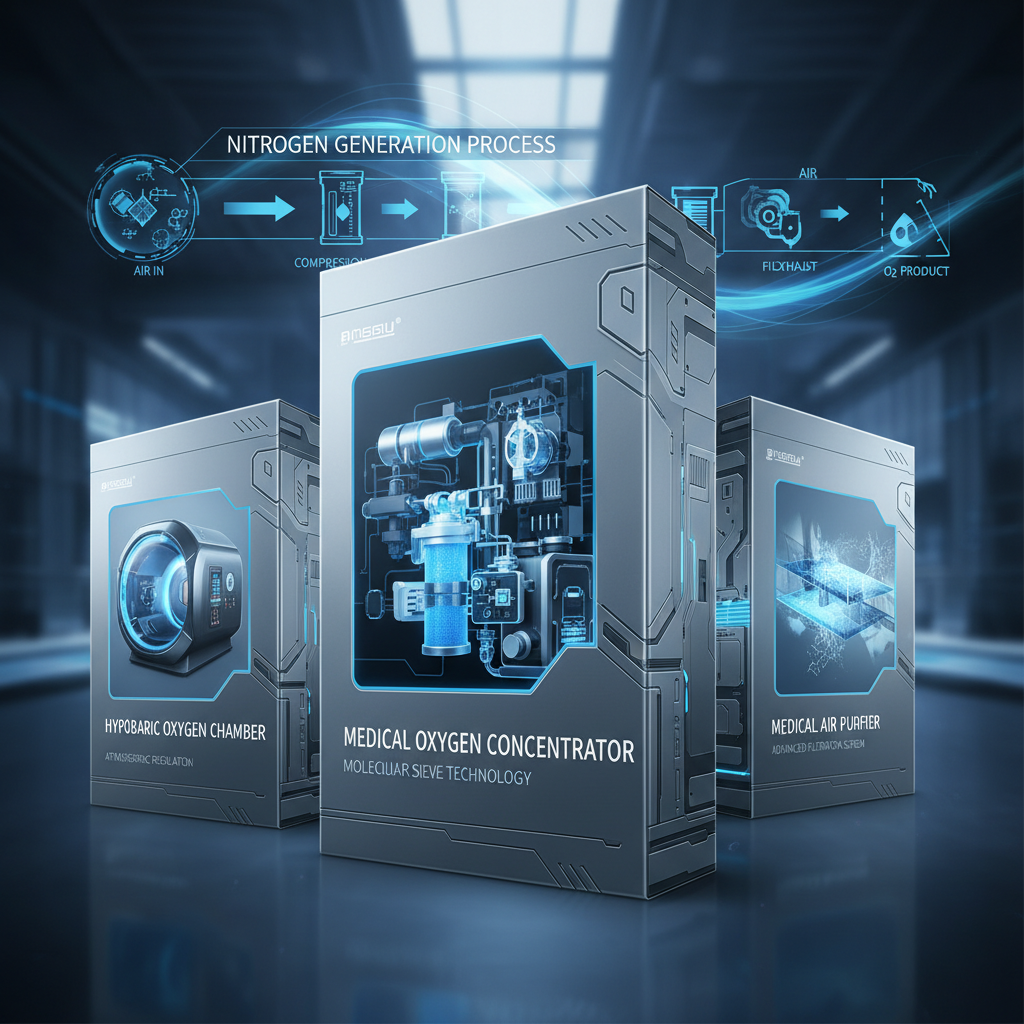
The fundamental principle behind nitrogen generation is separating nitrogen molecules (N2) from oxygen molecules (O2) and other gases present in the air. Air is approximately 78% nitrogen, 21% oxygen, and 1% other gases. The key is exploiting the differences in their physical and chemical properties to achieve separation. The most common methods rely on either adsorption, membrane technology, or cryogenic distillation. Each technique employs distinct processes but ultimately aims to isolate highly pure nitrogen gas for various applications. Understanding the nuances of each method is crucial when selecting the optimal nitrogen generation process.
Key Takeaway: Nitrogen generation separates N2 molecules from air using adsorption, membranes, or cryogenic distillation, offering on-site supply and cost-effectiveness.
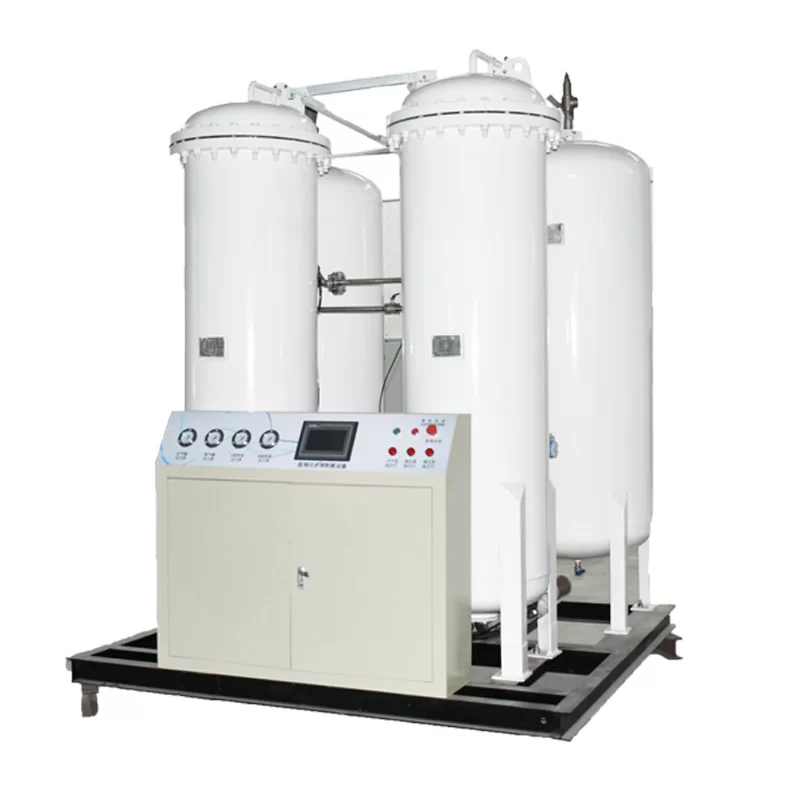
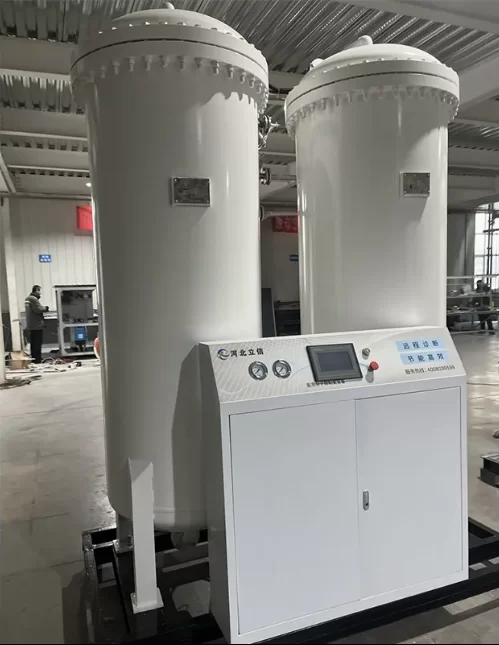
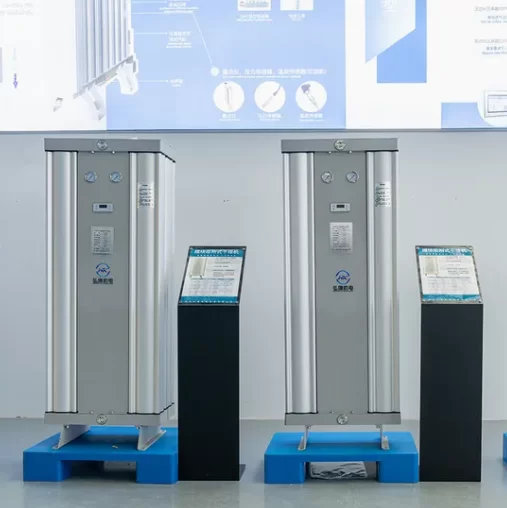
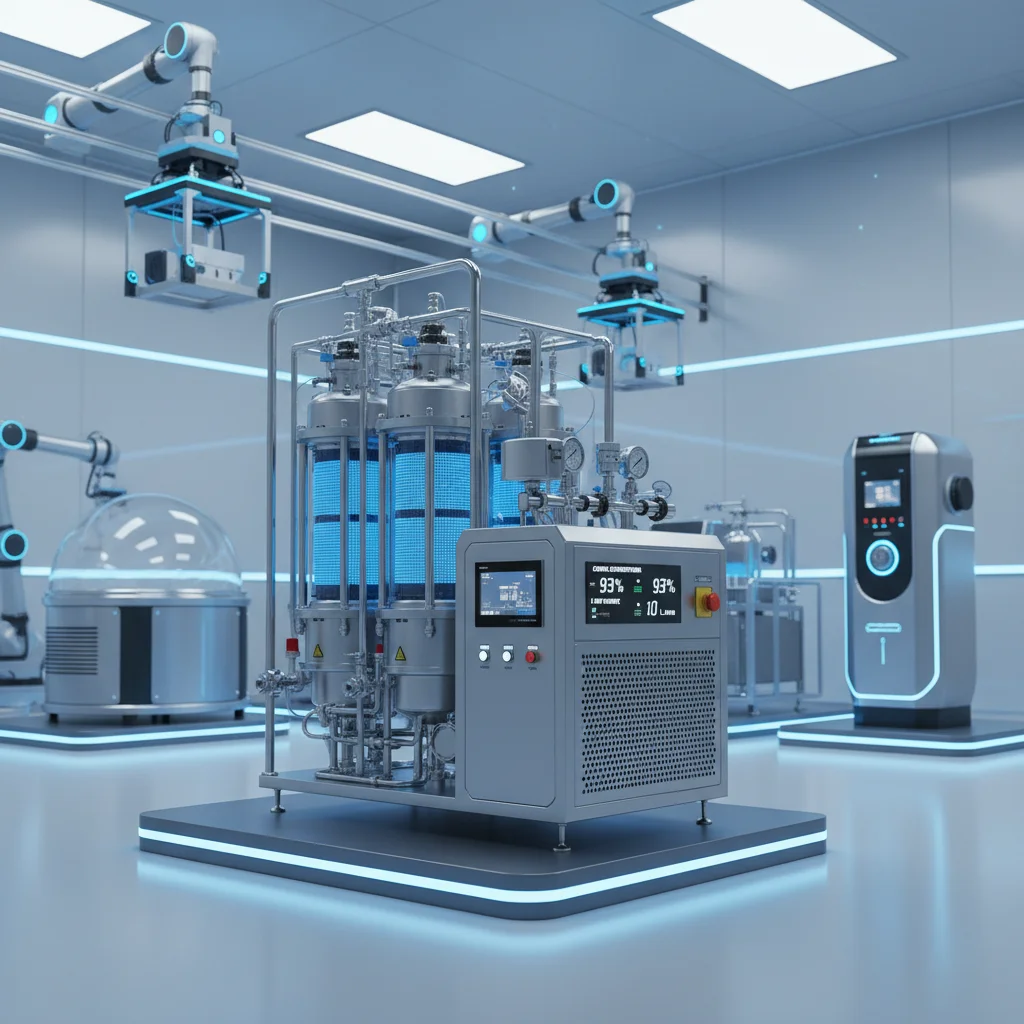
Pressure Swing Adsorption (PSA) is the most widely used technology for on-site nitrogen generation. It utilizes a carbon molecular sieve (CMS) material that selectively adsorbs oxygen molecules at a high pressure, allowing the nitrogen to pass through. When the pressure is released, the oxygen is desorbed, regenerating the CMS for another cycle. Multiple adsorbent vessels work in alternating cycles – one adsorbing oxygen while the other regenerates – providing a continuous supply of nitrogen. PSA systems are favored for their relatively low energy consumption and ability to produce nitrogen with purities ranging from 95% to 99.5%.
PSA Benefits:
• Cost-effective for moderate to high nitrogen demands.
• Relatively simple operation and maintenance.
• Wide range of purity options.
• Compact footprint compared to cryogenic systems.
Membrane separation utilizes semi-permeable membranes to separate nitrogen from air. These membranes allow nitrogen molecules to pass through more readily than oxygen molecules. This results in a nitrogen-enriched stream on one side of the membrane and an oxygen-enriched stream on the other. Membrane systems are best suited for applications requiring lower nitrogen purity (typically 90-95%) and are particularly energy-efficient for smaller nitrogen demands. They are also known for their quiet operation and minimal maintenance requirements. They represent a streamlined nitrogen generation process for specific use cases.
Choosing the right nitrogen generator involves careful consideration of several factors. Your nitrogen demand (cubic feet per minute or CFM) is paramount. Purity requirements depend on the application - food packaging demands higher purity than tire filling. The availability and cost of electricity also play a role, as both PSA and membrane systems consume power. The physical space available for the generator and the level of noise tolerance are additional considerations. Finally, analyzing the long-term operating costs, including maintenance and filter replacements, is essential for a comprehensive cost-benefit assessment. Store Oxygen can help guide you through this process.
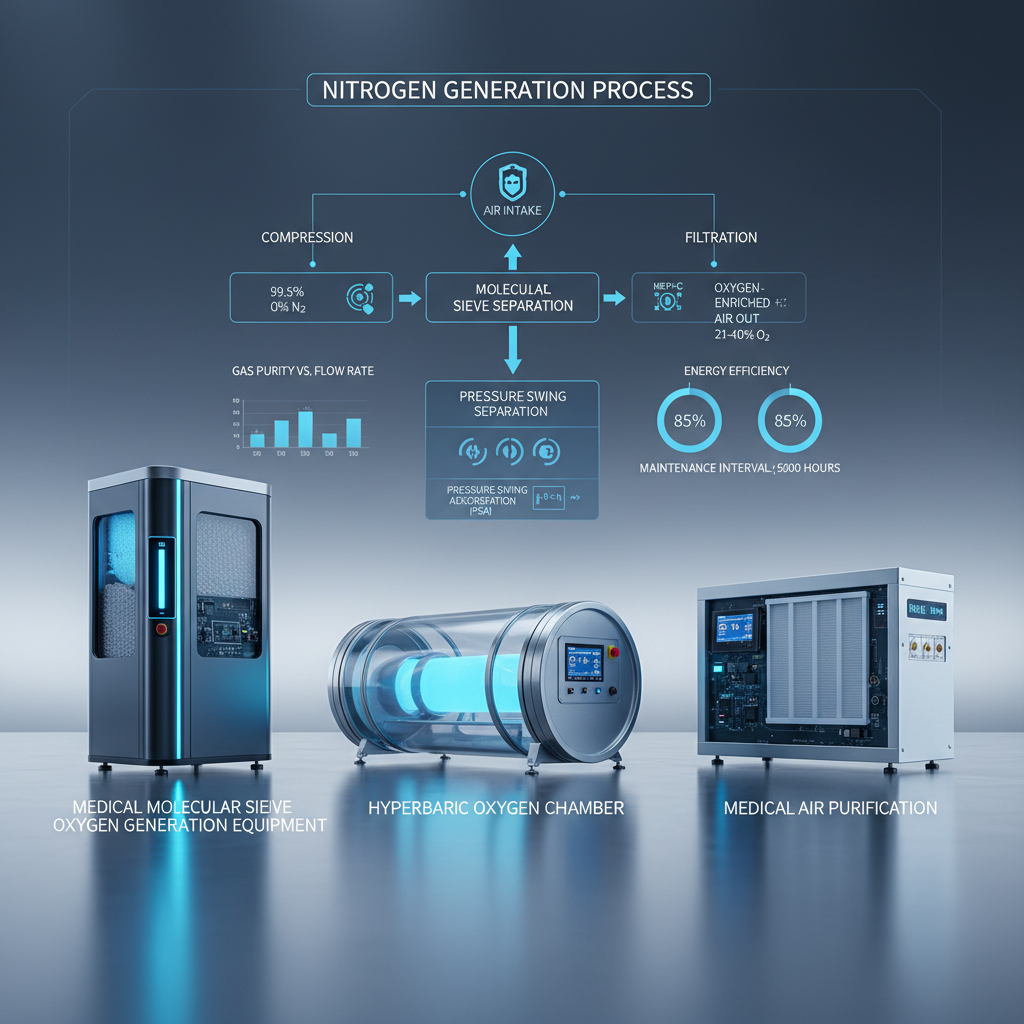
Transitioning to on-site nitrogen generation offers numerous advantages. Significant cost savings are realized by eliminating the expenses associated with purchasing and transporting bottled nitrogen. You gain complete control over your nitrogen supply, ensuring consistent purity and availability. On-site generation also enhances safety by reducing the risks associated with handling and storing high-pressure gas cylinders. Furthermore, it contributes to environmental sustainability by minimizing transportation-related emissions. Investing in an efficient nitrogen generation process is a strategic move for businesses prioritizing cost-effectiveness, reliability, and sustainability.
Choosing the right nitrogen generation process is a critical decision for businesses across various industries. By understanding the different technologies – PSA, membrane separation, and cryogenic distillation – and carefully evaluating your specific needs, you can unlock significant cost savings, enhance operational efficiency, and improve safety. Store Oxygen provides expert guidance and a comprehensive range of nitrogen generation solutions to help you make the optimal choice.
PSA nitrogen generators require relatively minimal maintenance. The primary maintenance tasks include regularly replacing the air inlet filter, the particulate filter, and the carbon molecular sieve (CMS) material, typically every 2-5 years depending on usage and air quality. Periodic checks of the system pressure, airflow, and control panel are also recommended. It's crucial to follow the manufacturer's recommended maintenance schedule to ensure optimal performance and longevity of the generator. Neglecting maintenance can lead to reduced efficiency and potential system failures.
The lifespan of a membrane nitrogen generator typically ranges from 5 to 10 years, depending on factors such as air quality, operating conditions, and the frequency of use. The membranes themselves are the most critical components and will eventually degrade over time, leading to reduced nitrogen purity. While the membranes can be replaced, the cost of replacement may be significant compared to the cost of the unit itself. Regular monitoring of the nitrogen purity and adherence to the manufacturer's recommended operating parameters can help maximize the lifespan of the membranes.
Nitrogen gas generated on-site finds applications in a wide range of industries. Common uses include food packaging (modified atmosphere packaging), pharmaceuticals (blanketing and purging), electronics manufacturing (soldering and inerting), oil & gas (pipeline purging and pressure testing), laser cutting, and chemical processing. It’s also used in metal treatment, laboratory analysis, and for creating inert atmospheres for various applications. The versatility of nitrogen makes on-site generation a valuable asset for many businesses.
Determining the correct size nitrogen generator requires assessing your peak nitrogen demand in cubic feet per minute (CFM) or liters per minute (LPM). Consider all applications that will utilize nitrogen simultaneously. It’s recommended to add a safety margin of 10-20% to account for potential future expansion or unexpected peaks in demand. Factors like operating pressure and desired nitrogen purity also influence the generator’s capacity. Consulting with a nitrogen generation specialist, like the team at Store Oxygen, can help you accurately assess your requirements and select the appropriate size generator.