Hit enter to search or ESC to close
4 December 2025
Nitrogen gas plants might not be household names, but they quietly underpin many industries and even humanitarian efforts worldwide. These facilities produce nitrogen, a versatile inert gas that powers everything from food packaging to electronics manufacturing. Globally, demand for nitrogen gas is only growing, thanks in part to its vital role in preserving perishable goods, providing an inert environment in chemical processes, and supporting medical needs. Understanding how nitrogen gas plants work—and why they matter—provides insight into a behind-the-scenes industry essential for modern life.
According to data from the International Energy Agency and various environmental agencies, industrial nitrogen production consumes approximately 1.5% of the world’s electricity, underscoring its massive scale and importance. The UN often highlights nitrogen’s use in sustainable agriculture and food security, emphasizing its critical role in fertilization and in the packaging of perishable goods. However, there's a growing challenge: how to meet surging demand sustainably without environmental fallout. Nitrogen gas plant technology addresses this by evolving towards energy-efficient methods that reduce carbon emissions. This is not just industry jargon—it’s about enhancing food safety, manufacturing quality, and medical treatments, which are global concerns in their own right.
Simply put, a nitrogen gas plant is a facility specialized in extracting nitrogen gas from the air, which is about 78% nitrogen by volume. This nitrogen is then delivered at various purities and pressures to meet industry needs. The main connection to modern industry is clear: nitrogen's inert properties prevent unwanted chemical reactions, making it invaluable in contexts such as electronics manufacturing, pharmaceuticals, and even oil refining. Beyond industry, nitrogen gas plants indirectly support food security and health by enabling better packaging and medical gas supplies.
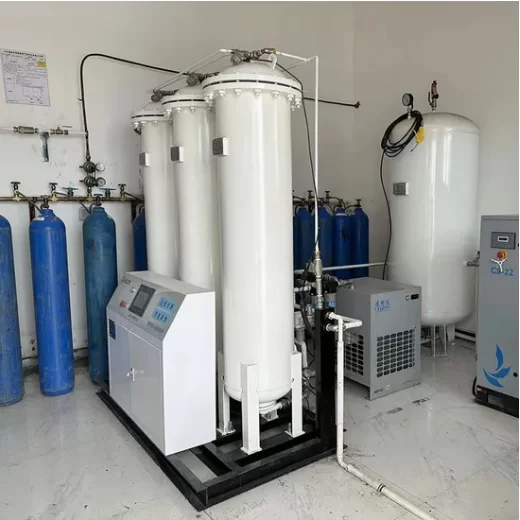
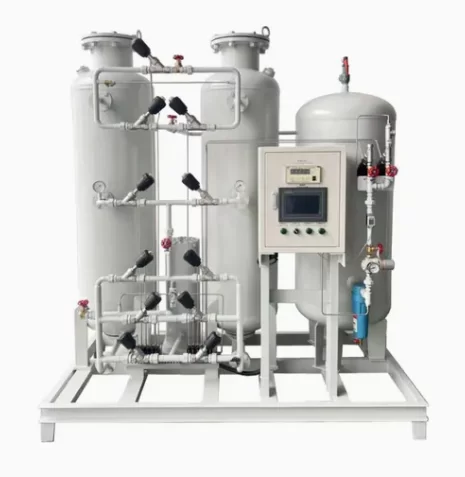
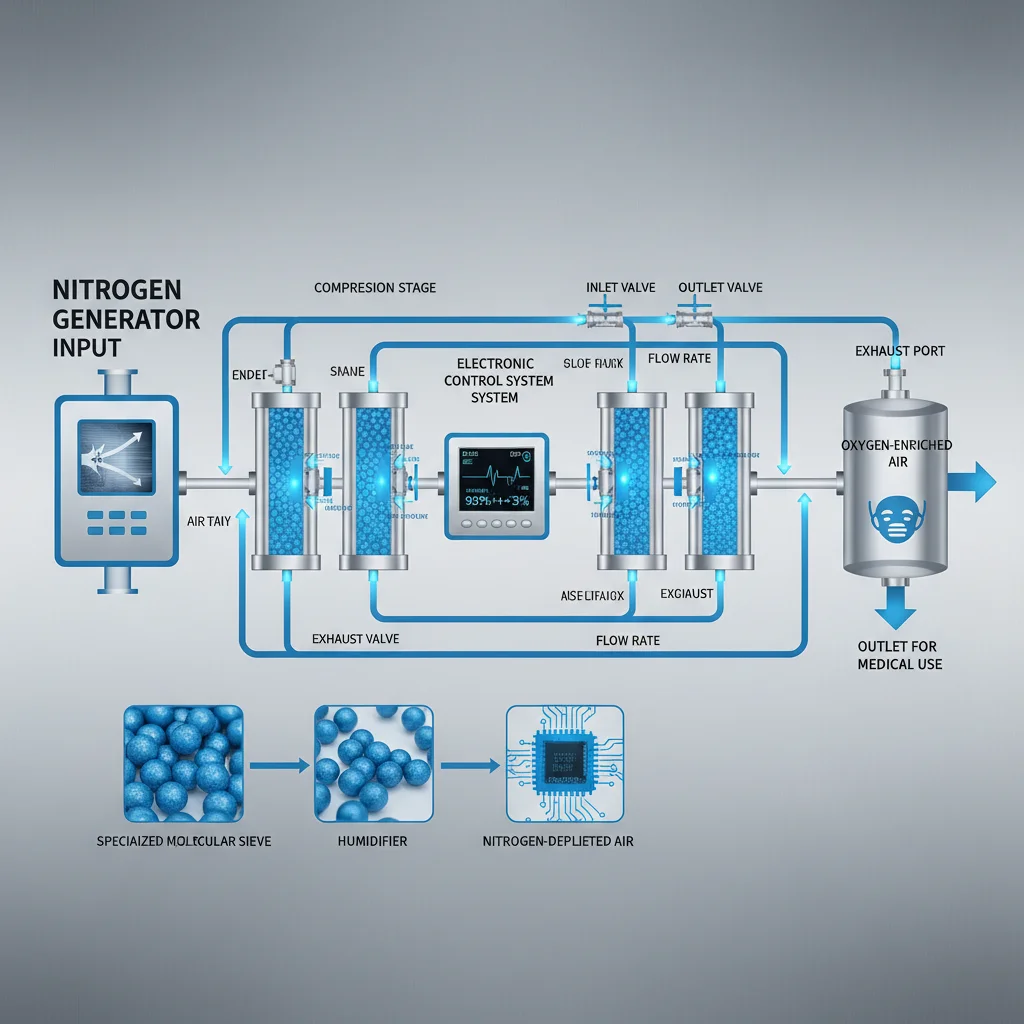
This is the heart of the plant. The ASU cools and separates air into its components—mainly nitrogen and oxygen—using methods like cryogenic distillation or membrane filtration. Efficiency here can make a big difference in cost and energy consumption.
After separation, the nitrogen typically undergoes purification to remove residual oxygen or moisture. This step ensures the quality needed for sensitive industrial or medical uses.
Once pure, the nitrogen is compressed and stored in tanks or cylinders, ready for transport or on-site use. The design and durability of these components impact safety and operational viability.
Modern plants integrate advanced control technologies to optimize performance, monitor safety, and reduce downtime. Automated systems provide both operational efficiency and data transparency for maintenance planning.
| Parameter | Value/Range |
|---|---|
| Production Capacity | 500 - 10,000 Nm³/h |
| Purity | 95% - 99.999% |
| Pressure | Up to 10 bar (can vary by setup) |
| Power Consumption | ~0.2 - 0.5 kWh/Nm³ (varies by tech) |
| Typical Technologies | Membrane & PSA (Pressure Swing Adsorption), Cryogenic |
In real terms, nitrogen gas plants support a staggering range of industries worldwide. In Asia, rapid industrial growth drives demand, especially in electronics and food packaging. Europe leads in medical and pharmaceutical uses, maintaining rigorous quality standards. North America’s chemical and petroleum sectors rely on nitrogen for safe processing and storage.
Oddly enough, nitrogen gas plants also play a crucial role in disaster relief zones. For instance, in post-disaster medical camps, on-site nitrogen generation enables a reliable supply of medical-grade nitrogen, crucial for certain therapies and equipment. Similarly, in remote mining operations, they provide inert atmospheres, preventing oxidation and explosions.
Mini Takeaway: Nitrogen gas plants are versatile and global, from bustling industrial hubs to frontier medical camps.
| Vendor | Technology | Capacity Range (Nm³/h) | Energy Efficiency | Notable Feature |
|---|---|---|---|---|
| AirGas | PSA Membrane | 100 - 5,000 | Medium | Modular design for rapid deployment |
| Praxair | Cryogenic | 500 - 20,000+ | High | High purity & large scale |
| Linde | PSA & Cryogenic | 200 - 15,000 | High | Advanced automation & service network |
| Xebic | Membrane | 50 - 1,000 | Low (energy efficient) | Compact, portable units |
Looking ahead, nitrogen gas plants are converging with cutting-edge trends like green energy integration, automated monitoring leveraging AI, and materials innovations to improve membrane longevity and cryogenic efficiency. Frankly, the pace of these improvements is exciting, promising more sustainable, compact, and reliable nitrogen generation solutions in years to come. Some vendors also explore onsite nitrogen generation attached directly to manufacturing lines, reducing transport-related emissions, which is socially and environmentally forward-thinking.
One ongoing issue is the high energy demand of nitrogen separation, often meaning electricity costs dominate plant economics. Experts are combating this with hybrid technology approaches—combining PSA membranes with smaller cryogenic units or leveraging waste heat. Another challenge lies in operation complexity, where smaller plants struggle to balance purity and output reliably. Automation and remote monitoring increasingly bridge this gap, making even lower-capacity plants user-friendly and efficient.
In summary, nitrogen gas plants are quietly fundamental hubs in the global industrial and medical landscape. Beyond just producing gas, they contribute to sustainability, safety, and economic efficiency. For anyone looking to invest or understand this space better, exploring onsite nitrogen generation technology and market-leading vendors offers a promising path.
Interested? Visit our website for more detailed solutions and expert advice tailored to your industrial needs.
Reflecting on nitrogen plants, I’m reminded how invisible technologies quietly enable the things we take for granted. The future looks greener and smarter for these essential installations.