Hit enter to search or ESC to close
9 December 2025
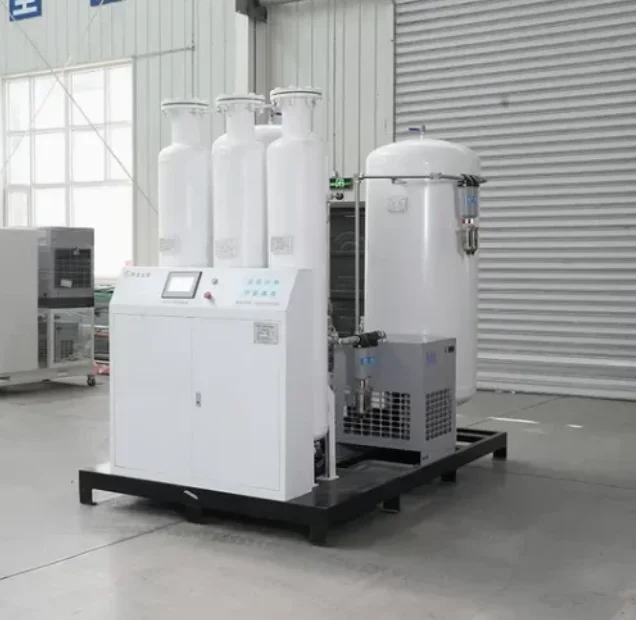
I’ve spent over a decade around heavy machinery and industrial setups, so the idea of a nitrogen compressor for home might sound a bit niche or even odd at first. But honestly, these systems are becoming surprisingly relevant beyond big factories. Whether you’re into precise tire inflation, maintaining food freshness, or just curious about clean, on-demand nitrogen generation, having a compact compressor can be a real game-changer.
Now, when I first got my hands on a home nitrogen compressor, my main concern was durability. You see, in industrial settings, we often joke that a piece of equipment is only as good as its weakest valve or seal. Home units tend to borrow from those big cousins but trade some ruggedness for quiet operation and space-saving designs—which is kind of a delicate balance.
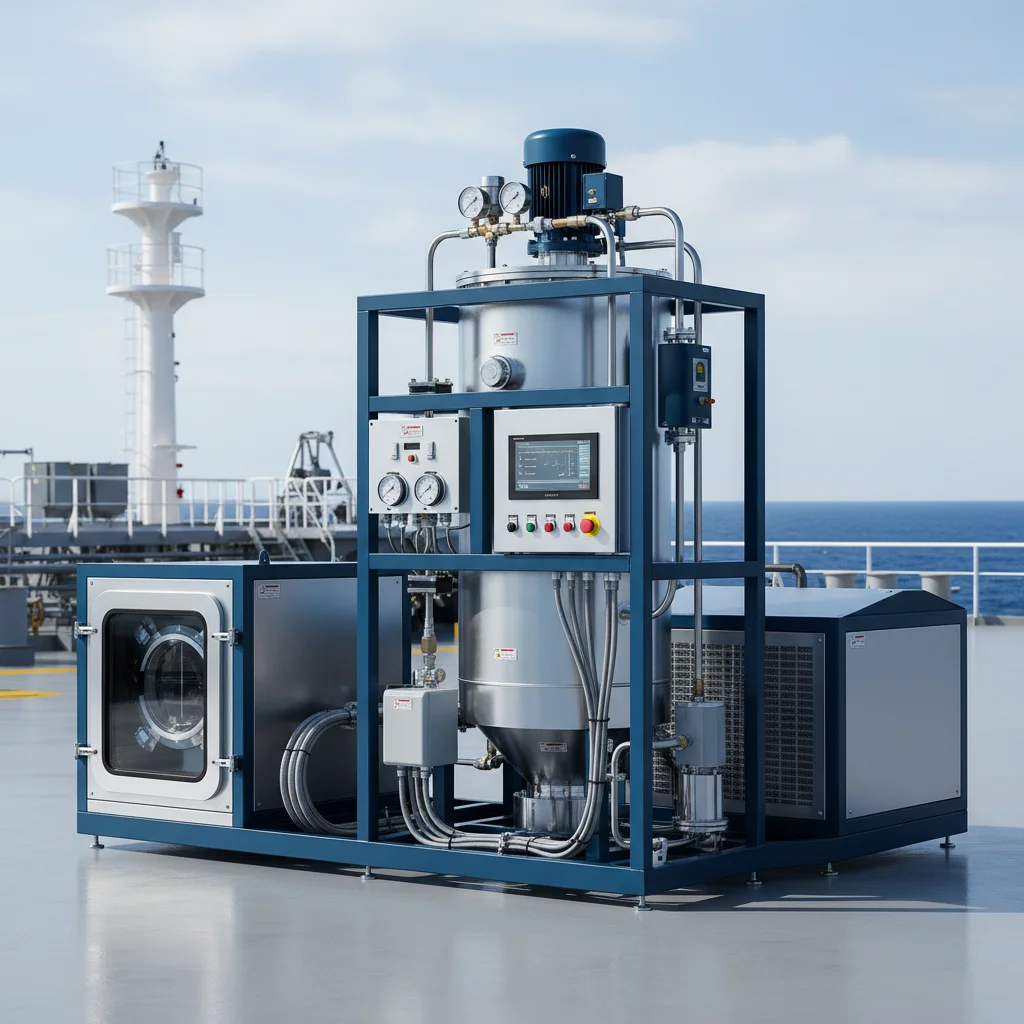
From my experience, industrial-grade nitrogen compressors designed for home use usually feature airtight stainless-steel components combined with efficient oil-free pistons. These specs make the system reliable but also reduce maintenance—a huge plus if you’re not a weekend warrior who wants to tinker constantly.
| Feature | Specification |
|---|---|
| Max Pressure | 150 psi (10.3 bar) |
| Flow Rate | 2.5 CFM (Cubic Feet per Minute) |
| Power Consumption | 750 watts |
| Noise Level | 55 dB |
| Dimensions | 12" x 8" x 10" |
| Weight | 18 lbs |
Oddly enough, many engineers who work on bigger compressors tend to recommend oil-free models for home use unless you’re running really demanding cycles. The less oil in the mix, the cleaner your nitrogen output—which matters if you’re using the gas for food packaging or sensitive electronics.
And speaking of output quality, I remember helping a friend set up a small-scale food packaging business. They were sealing vacuum packs with nitrogen to extend shelf life. Having a reliable nitrogen compressor at home—not just any air compressor—made the process consistent, which apparently gave their products a competitive edge. It’s these little real-world wins that make me appreciate the technology.
Of course, not all home nitrogen compressors are created equal. Given the recent spike in demand for home and small business gas generators, a handful of suppliers have emerged. Here’s a quick vendor comparison I find helpful before making a decision based on budget and requirements:
| Vendor | Price Range | Warranty | Special Features |
|---|---|---|---|
| StoreOxygen | $1,200 - $1,500 | 2 years | Compact, oil-free piston, quiet operation |
| NitroHome | $900 - $1,100 | 1 year | Portable, digital pressure control |
| PureGas Tech | $1,400 - $1,700 | 3 years | Integrated filtration, low noise |
When I think about these options, it comes down to what you really need: longevity, noise level, or upfront cost. StoreOxygen's lineup, especially, strikes me as the “middle ground” for anyone who wants quality without going full industrial. Frankly, I tend to trust brands that back their units with solid warranties and clear specs—you know, details that matter when you’re running a system regularly.
Just a heads-up: If you’re investing in a nitrogen compressor for home, keep installation space in mind. These units, while compact, still need some clearance for airflow and maintenance access. Also, think about the source of power and ventilation. Too many folks overlook that until the unit starts to hum a little too loudly.
In real terms, a home nitrogen generator feels like stepping into a more precise world. It’s not just about compression—it’s about controlling gas quality right at your doorstep, which is a rather impressive capability for something designed to be “small.” And yes, I’ve seen first-hand how that control can redefine small business operations or even hobbyist setups.
In short: good nitrogen compressors make a surprisingly big difference—more precision, less hassle, and (oddly enough) peace of mind.