Hit enter to search or ESC to close
3 February 2026
Nitrogen (N2) Pressure Swing Adsorption (PSA) systems are increasingly vital across a range of industries, from food packaging and metal production to chemical processing. These systems offer a reliable and cost-effective way to generate high-purity nitrogen gas on-demand, eliminating the need for costly and cumbersome liquid nitrogen deliveries. This article will delve into the core principles, benefits, applications, and key considerations when selecting an N2 PSA system. Understanding these systems is crucial for businesses aiming to optimize their processes and reduce operational costs.
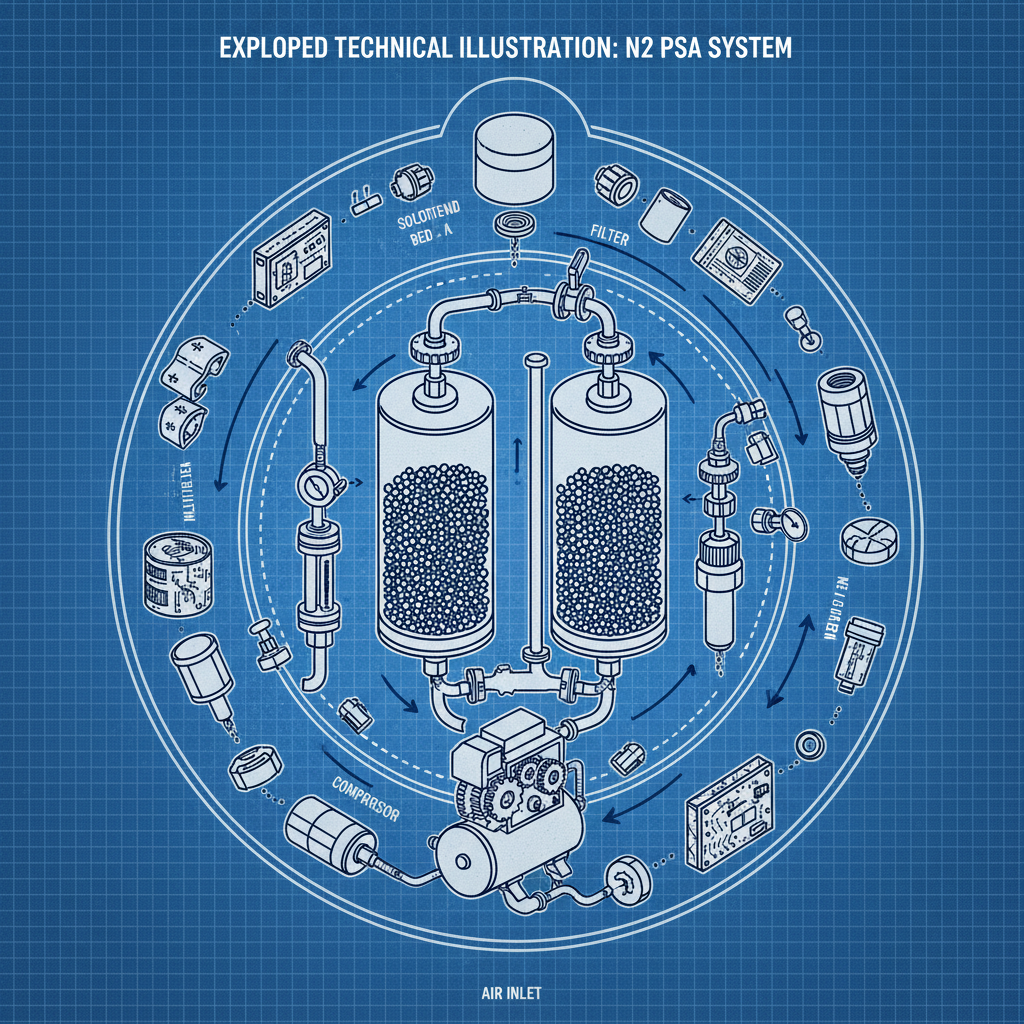
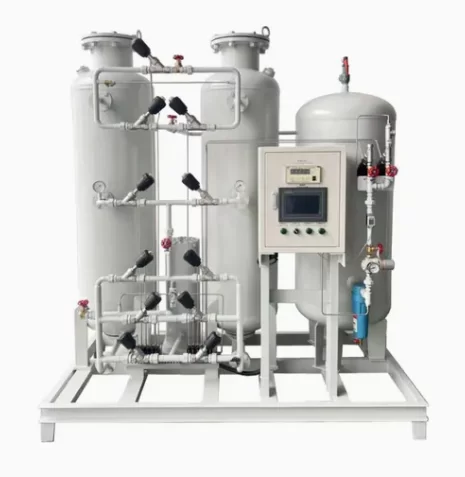
The foundation of an N2 PSA system lies in the principle of adsorption. Air, which is approximately 78% nitrogen, 21% oxygen, and 1% other gases, is compressed and passed through a vessel containing a specialized adsorbent material, typically carbon molecular sieves (CMS). These CMS materials selectively adsorb oxygen molecules, allowing the nitrogen to pass through as a high-purity gas stream. The 'pressure swing' aspect refers to the cyclical variation in pressure within the adsorption vessels. Once a vessel is saturated with oxygen, the pressure is reduced, allowing the oxygen to be released, and the adsorbent is regenerated for another cycle. This process repeats continuously, providing a consistent supply of nitrogen. Store Oxygen offers a wide range of PSA systems tailored to meet specific requirements.
Key Highlights: N2 PSA systems provide a continuous and reliable supply of high-purity nitrogen, reducing dependency on external suppliers and associated logistical challenges.
The versatility of N2 PSA systems leads to their widespread adoption across diverse industries. In the food and beverage sector, nitrogen is crucial for Modified Atmosphere Packaging (MAP), extending shelf life and preserving product freshness. Metal fabrication utilizes nitrogen for laser cutting, welding, and heat treating to prevent oxidation. The chemical and pharmaceutical industries employ nitrogen for purging, blanketing, and inerting processes to ensure product safety and quality. Electronics manufacturing relies on nitrogen for soldering and component cleaning. The growing demand for on-site nitrogen generation is driving innovation in PSA technology.
Application Benefits:
• Extended product shelf life in food packaging
• Improved weld quality in metal fabrication
• Enhanced product safety in chemical and pharmaceutical processes
• Reduced operational costs compared to liquid nitrogen
While various methods exist for obtaining nitrogen, N2 PSA systems offer distinct advantages over alternatives like liquid nitrogen, cylinder nitrogen, and membrane systems. Liquid nitrogen requires specialized storage and handling infrastructure, plus it's prone to boil-off losses. Cylinder nitrogen is expensive and involves frequent deliveries. Membrane systems are limited in purity and flow rates. N2 PSA systems provide a balance of cost-effectiveness, purity, and reliability. Choosing the right system depends on your specific needs and budget.
Several factors influence the optimal N2 PSA system for your application. These include the required nitrogen flow rate, purity level, pressure requirements, and the presence of any contaminants in the compressed air supply. System capacity should be sized to accommodate future growth. Regular maintenance, including adsorbent replacement and filter changes, is critical for optimal performance. Working with a reputable supplier, like Store Oxygen, ensures you receive a system tailored to your needs and ongoing support.
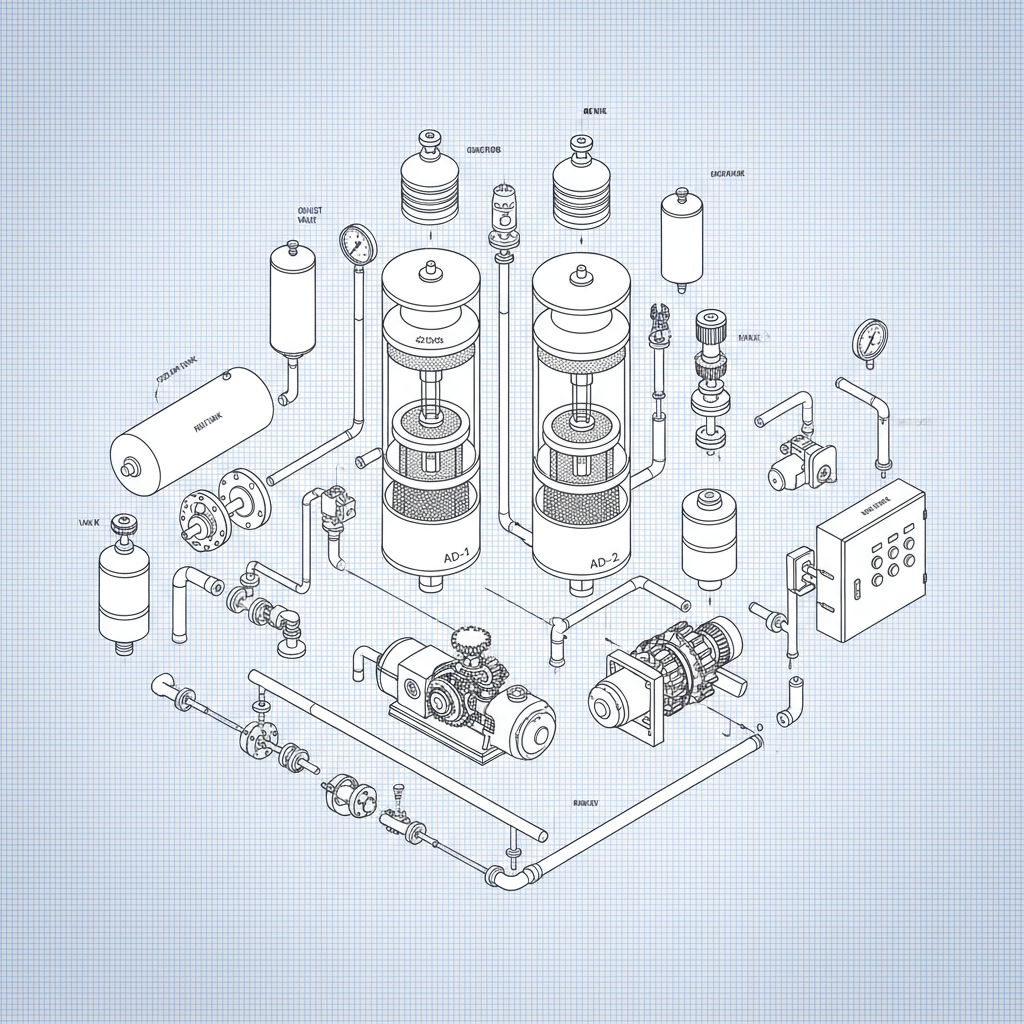
Below are example specifications for a typical N2 PSA system. Note that specifications vary based on model and required output.
Investing in an N2 PSA system is a strategic move for businesses seeking cost savings, increased reliability, and improved process efficiency. With a wide range of options available, selecting the right system requires careful consideration of your specific needs. Store Oxygen is dedicated to providing high-quality PSA systems and expert support to help you optimize your nitrogen supply.
N2 PSA systems require clean, dry, and oil-free compressed air to operate efficiently and prevent damage to the adsorbent material. Typically, the air should have a particulate matter content of less than 1 ppm, a dew point of less than 2°C, and an oil content of less than 0.1 ppm. Pre-treatment with air filters, dryers, and oil separators is essential to ensure compliance with these requirements. Failure to adequately treat the air supply can lead to reduced nitrogen purity, increased maintenance costs, and shortened system lifespan.
The lifespan of the adsorbent material (typically carbon molecular sieves) varies depending on air quality, operating conditions, and the level of contaminants present. Generally, the adsorbent will need to be replaced every 5-10 years. However, regular monitoring of nitrogen purity levels is crucial to determine the optimal replacement time. A decrease in purity indicates the adsorbent is becoming saturated and requires replacement. Store Oxygen offers adsorbent replacement services.
Regular maintenance is vital for ensuring the reliable operation of your N2 PSA system. This includes daily checks of pressure gauges and alarms, weekly inspection of air filters and dryers, and periodic replacement of filters and the adsorbent material. It's also important to inspect and maintain the system's control panel and electrical components. A preventative maintenance schedule, as recommended by the manufacturer, should be followed to minimize downtime and extend the system's lifespan.
Yes, an N2 PSA system can typically be integrated with existing compressed air infrastructure, provided the air supply meets the required quality standards. However, it's crucial to ensure the compressed air system has adequate capacity and delivers air at the correct pressure and flow rate. Any existing air treatment equipment, such as filters and dryers, may need to be upgraded or supplemented to meet the stringent requirements of the N2 PSA system. Consulting with a qualified engineer is recommended to assess the compatibility and ensure proper integration.