Hit enter to search or ESC to close
28 February 2026
In various industries, from food packaging to metal fabrication, a consistent and reliable source of nitrogen gas is crucial. Traditionally, this meant relying on bulky and expensive liquid nitrogen deliveries. However, mobile nitrogen gas generators are revolutionizing how businesses obtain this vital gas, offering on-demand production and increased cost-efficiency. This article delves into the benefits, applications, and key considerations when choosing a mobile nitrogen generator. Investing in a system like this can offer significant advantages over traditional nitrogen supply methods.
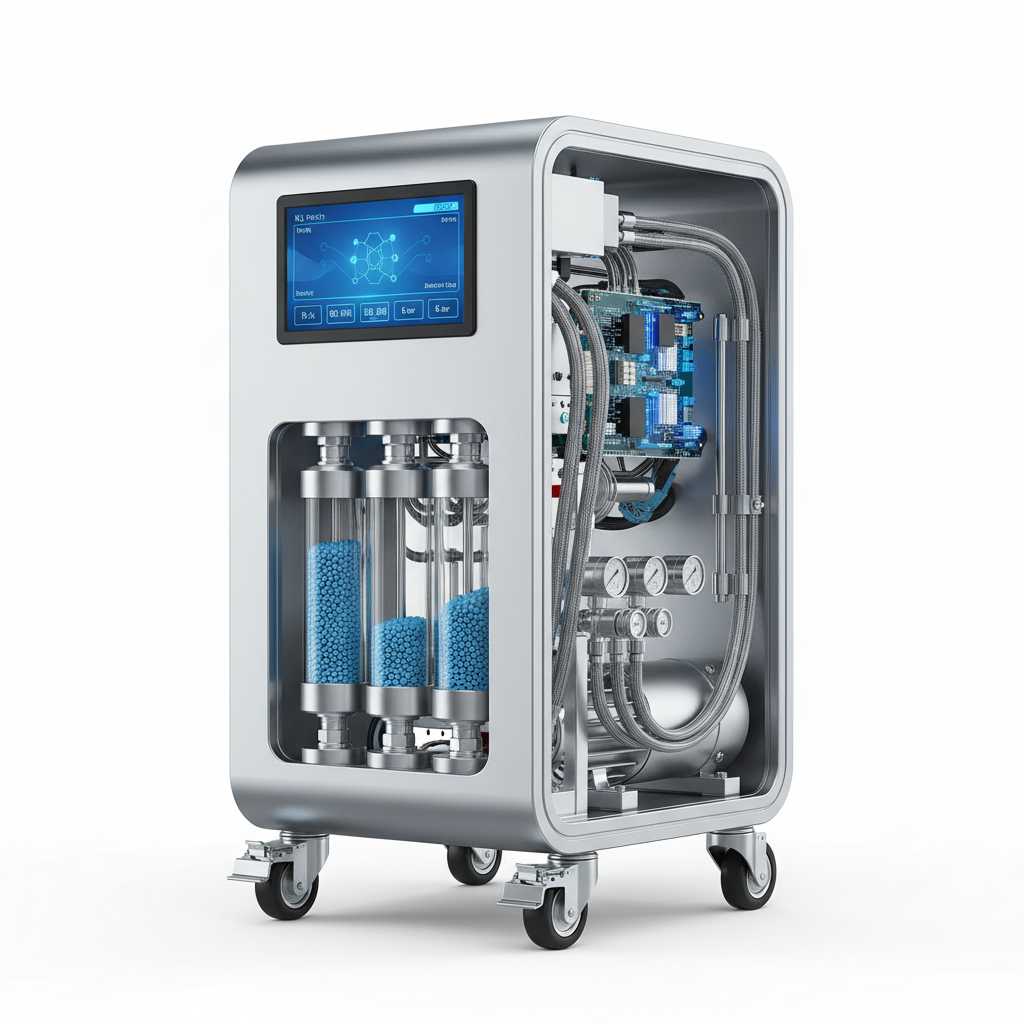
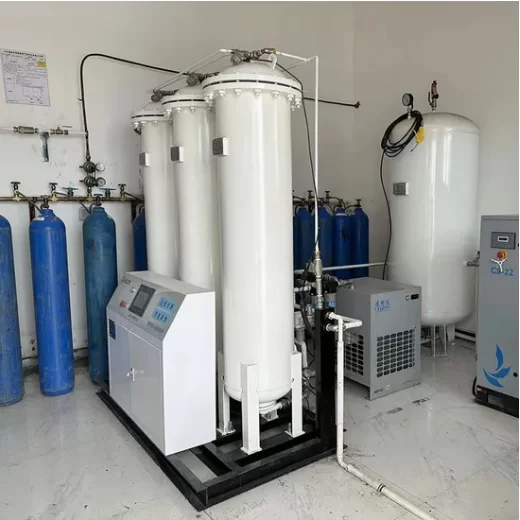
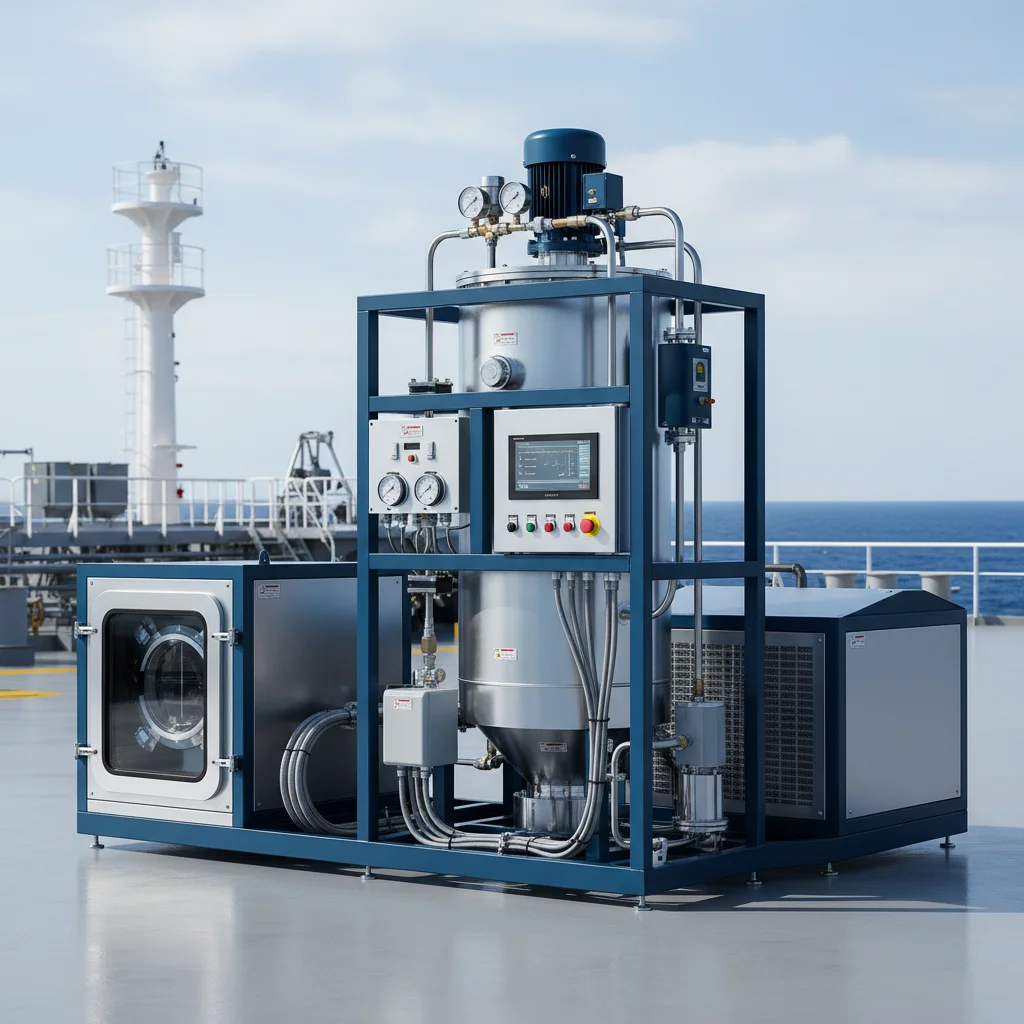
Mobile nitrogen generators utilize Pressure Swing Adsorption (PSA) technology. This process separates nitrogen from compressed air using a specialized carbon molecular sieve. The air passes through the sieve, which selectively adsorbs oxygen, leaving behind a high-purity nitrogen stream. A mobile unit offers the flexibility to bring this nitrogen production directly to the point of use, eliminating the need for pipelines and storage tanks. These generators typically operate on standard electrical power and require minimal setup, making them ideal for remote locations or applications requiring frequent relocation. Store Oxygen provides a range of models to suit diverse nitrogen demands.
Key Benefits: Eliminates the need for liquid nitrogen deliveries, reduces costs associated with tank rental and refills, and provides a consistent and reliable nitrogen supply on demand.
The versatility of mobile nitrogen generators makes them suitable for a wide array of industries. Food processing relies on nitrogen for Modified Atmosphere Packaging (MAP), extending shelf life and preserving freshness. Metal fabrication utilizes nitrogen for laser cutting, preventing oxidation and ensuring clean cuts. Electronics manufacturing employs nitrogen for soldering and component cleaning. Other applications include pharmaceutical packaging, chemical processing, and laboratory research. The convenience and portability of these generators make them indispensable for many businesses. Explore Store Oxygen's solutions for your specific industry needs.
Common Industries Utilizing Mobile Nitrogen Generators:
• Food & Beverage
• Metal Fabrication
• Electronics Manufacturing
• Pharmaceutical
When selecting a mobile nitrogen generator, several key features should be considered. Purity levels, flow rates, and power requirements are crucial factors. Different applications demand varying nitrogen purities, so choosing a generator capable of meeting those needs is essential. Flow rate determines the volume of nitrogen produced per minute, and should align with your consumption requirements. Additionally, consider the generator’s portability, ease of maintenance, and noise levels. Below is a sample specification table to help illustrate key parameters.
Choosing between a mobile nitrogen generator and traditional liquid nitrogen supply depends on your specific needs. Liquid nitrogen requires ongoing deliveries, storage tanks, and associated costs. Mobile generators offer a one-time investment with lower operating costs and greater control over your nitrogen supply. The following table highlights a comparison:
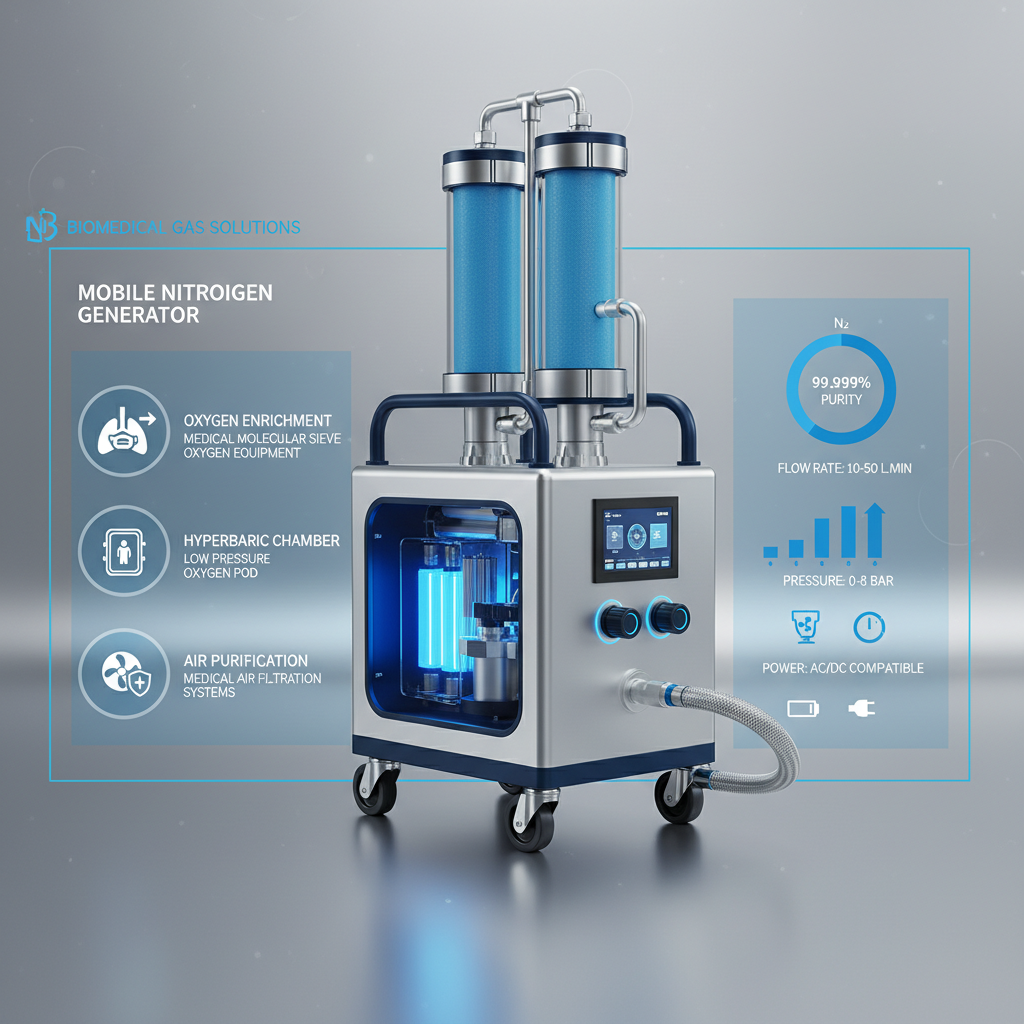
For businesses seeking a cost-effective, reliable, and flexible nitrogen supply solution, mobile nitrogen gas generators are an excellent choice. Store Oxygen offers a diverse range of models to meet your specific requirements. Embrace the freedom and efficiency of on-demand nitrogen production.
Most mobile nitrogen generators require a consistent supply of clean, compressed air. A rotary screw air compressor is generally recommended due to its ability to provide a steady and oil-free air stream. The compressor's capacity (measured in CFM – cubic feet per minute) should be matched to the nitrogen generator’s air intake requirements. It is vital to install appropriate air filtration and drying systems upstream of the generator to ensure the air is free of moisture and contaminants, which can damage the carbon molecular sieve. Refer to the generator’s specifications for the precise compressor requirements.
Mobile nitrogen generators require relatively low maintenance. The primary maintenance tasks include regularly cleaning the air intake filter, monitoring the compressed air supply for moisture and contaminants, and periodically replacing the carbon molecular sieve (typically every 5-10 years, depending on usage). Routine inspections for leaks and proper operation of the control panel are also recommended. Store Oxygen provides comprehensive maintenance schedules and support to ensure optimal performance.
The payback period for a mobile nitrogen generator varies depending on your current nitrogen consumption and costs. However, many businesses experience a payback period of 1-3 years due to reduced nitrogen purchasing costs, elimination of delivery fees, and the avoidance of tank rental charges. The long-term cost savings and increased operational efficiency make mobile nitrogen generators a financially sound investment. Contact Store Oxygen for a personalized cost analysis.