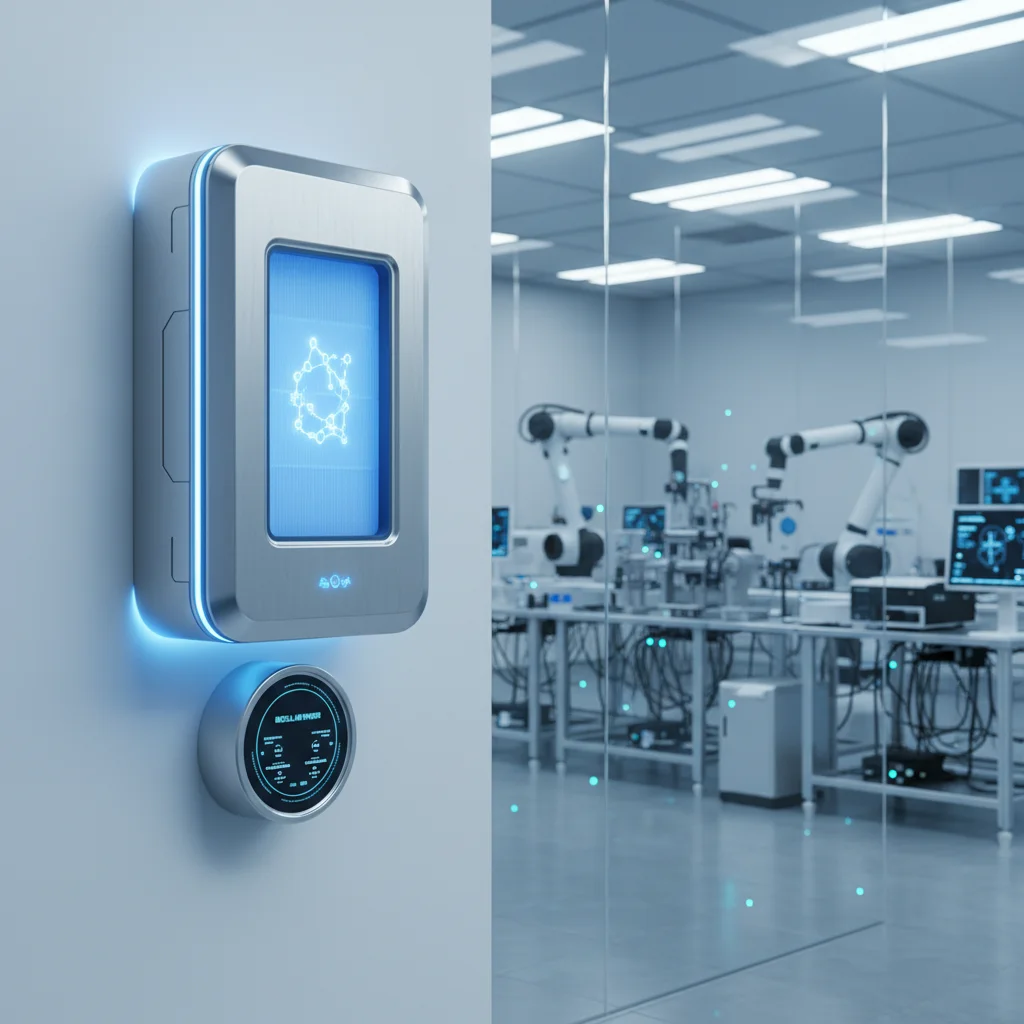
In the evolving landscape of modern healthcare and respiratory wellness, the integration of a portable hepa filter with uv light represents a critical leap forward in maintaining sterile and safe environments. As physiotherapy clinics and rehabilitation centers scale their operations, the need for high-efficiency air purification becomes paramount to protect vulnerable patients and optimize recovery outcomes.
The synergy between High-Efficiency Particulate Air (HEPA) filtration and Ultraviolet (UV) sterilization ensures that airborne contaminants, including pathogens and fine dust, are not only captured but neutralized. This dual-action approach is especially vital in multi-user settings, such as the Customized Advanced Physiotherapy Multiple Person Hyperbaric Oxygen Chamber, where maintaining pristine air quality is essential for the delivery of high-purity oxygen therapy.
Understanding the technical nuances of a portable hepa filter with uv light allows medical facility managers to create a holistic health ecosystem. By combining advanced oxygenation technology with rigorous air purification, clinics can significantly reduce the risk of cross-contamination while promoting accelerated tissue repair and cellular health for their patients.

Global Significance of Air Purification Systems
The global demand for advanced air purification has surged as medical institutions strive to meet ISO and WHO standards for indoor air quality. The deployment of a portable hepa filter with uv light addresses the critical challenge of airborne transmission in high-traffic areas, ensuring that therapeutic environments remain sterile regardless of the external atmospheric conditions.
In the context of specialized medical equipment, such as the Multiple Person Hyperbaric Oxygen Chamber, air purity is not just a luxury but a safety requirement. Integrating portable filtration systems allows clinics to manage patient throughput efficiently while mitigating the risks associated with confined-space therapy, thereby elevating the standard of care provided to seniors, athletes, and post-surgical patients.
Defining the Portable HEPA and UV Synergy
A portable hepa filter with uv light is a sophisticated air cleaning device that combines mechanical filtration with germicidal irradiation. The HEPA (High-Efficiency Particulate Air) component acts as a physical barrier, trapping 99.97% of particles as small as 0.3 microns, while the UV light system disrupts the DNA/RNA of viruses and bacteria that may bypass or settle on the filter.
This synergy is particularly relevant for modern "Health Oxygen Therapy" environments. By utilizing these devices alongside micro hyperbaric oxygen chambers, facilities can ensure that the air being circulated and pressurized is free from biological contaminants, enhancing the overall efficacy of the physiological treatment.
Unlike stationary systems, the portability of these units allows them to be deployed exactly where they are needed most—whether it is adjacent to a multi-person capsule or in a private rehabilitation room. This flexibility ensures that the "serene therapeutic environment" promised by advanced oxygen chambers is maintained through active, real-time air scrubbing.
Core Components for Medical-Grade Filtration
The efficacy of a portable hepa filter with uv light relies on its structural integrity and the quality of its filtration media. High-grade borosilicate glass fibers are typically used in the HEPA stage to ensure maximum capture rates without compromising airflow, which is essential for maintaining a comfortable working temperature inside therapy cabins.
UV-C lamps are the second core component, specifically tuned to a wavelength (usually around 254nm) that is most effective at neutralizing airborne pathogens. This ensures that the portable hepa filter with uv light does not simply store contaminants but actively destroys them, preventing the filter from becoming a breeding ground for bacteria.
Finally, intelligent monitoring systems—similar to those found in the Baooxygen Four Seasons chambers—are integrated into top-tier filters. These systems track filter saturation and UV lamp intensity, alerting staff when maintenance is required to ensure the air remains consistently pure for students, seniors, and beauty enthusiasts.
Strategic Applications in Hyperbaric Facilities
In facilities operating multiple-person hyperbaric chambers, the volume of air turnover is significant. Deploying a portable hepa filter with uv light in the staging area and the treatment room creates a "sterile corridor," ensuring that patients enter the chamber in a clean environment, which reduces the risk of internal chamber contamination.
Furthermore, for sports recovery centers, these filters help manage the humidity and odors associated with athletic rehabilitation. By integrating a portable hepa filter with uv light, centers can maintain a professional, medical-grade atmosphere that inspires trust and confidence in the athletes and high-performance clients they serve.
Efficiency Comparison of Air Purification Methods
Tangible Benefits for Rehabilitation Centers
The primary advantage of implementing a portable hepa filter with uv light is the immediate improvement in patient safety and operational efficiency. By reducing airborne pathogens, clinics can minimize the downtime caused by healthcare-associated infections, allowing for a more consistent treatment schedule for those utilizing multi-person hyperbaric technology.
Moreover, there is a significant psychological benefit. Patients recovering from severe injuries or chronic conditions are often anxious about their environment. The presence of visible, high-tech purification systems communicates a commitment to excellence and safety, enhancing the patient's peace of mind and potentially accelerating their recovery through a stress-reduced therapeutic experience.
Future Innovations in Sterile Air Technology
As we move toward the digital transformation of healthcare, the next generation of the portable hepa filter with uv light will likely feature AI-driven sensors. These sensors will automatically adjust filtration speeds and UV intensity based on real-time particulate counts and occupancy levels, mirroring the intelligent monitoring found in high-end oxygen generators.
Sustainability is also becoming a core focus. We expect to see the integration of biodegradable filter media and energy-efficient LED-UV arrays that provide the same germicidal power with a fraction of the electricity consumption. This aligns with the global shift toward "green" medical facilities that prioritize both patient health and environmental stewardship.
Furthermore, the integration of these filters directly into the chassis of hyperbaric chambers could become standard. Instead of separate units, the "Customizable Design" of future chambers will likely incorporate built-in portable hepa filter with uv light systems, ensuring a seamless flow of sterile, high-purity oxygen from the source to the patient.
Overcoming Implementation Challenges
One of the common challenges in deploying a portable hepa filter with uv light is managing noise levels. In a therapeutic setting where "quiet operation" is key, the hum of a powerful fan can be disruptive. The solution lies in selecting units with brushless DC motors and acoustic damping, ensuring that the noise remains below 60dB, consistent with the specifications of professional oxygen chambers.
Another limitation is the maintenance of UV lamps, which degrade over time. To overcome this, facilities should implement a rigorous digital logging system. By synchronizing the maintenance schedule of the air filters with the safety checks of the hyperbaric chambers, clinic managers can ensure that the sterilization capability never dips below the required threshold.
Lastly, ensuring the correct placement of the units is crucial for maximum airflow. Expert insights suggest a strategic "cross-flow" layout, where the portable hepa filter with uv light is positioned to pull air away from the patients and push it toward the exhaust, preventing the recirculation of unfiltered air within the treatment zone.
Analysis of Portable HEPA with UV Implementation Metrics
| Application Scenario | Filtration Priority | UV Intensity Requirement | Expected Safety Boost |
|---|
| Multi-Person Chamber Room | Ultra-High (HEPA H13) | High (Continuous) | 9/10 |
| Physiotherapy Clinic | High (HEPA H12) | Medium (Intermittent) | 8/10 |
| Sports Recovery Center | Medium (VOC focus) | Medium (Intermittent) | 7/10 |
| Wellness Facility | Standard (HEPA H11) | Low (On-demand) | 6/10 |
| Medical Ward | Ultra-High (HEPA H14) | High (Continuous) | 10/10 |
| Home Care Setup | Medium (Standard HEPA) | Low (Timed) | 7/10 |
FAQS
A standard air purifier may only use basic filters or ionizers. In contrast, a portable hepa filter with uv light uses medical-grade HEPA material to physically trap particles and UV-C light to biologically neutralize pathogens. This dual-layer protection is essential for medical environments like physiotherapy clinics where simple dust removal is insufficient to ensure patient safety.
Yes, professional-grade portable hepa filter with uv light units are designed with internal UV shields. The UV-C lamps are enclosed within the machine's chassis, ensuring that the germicidal light only interacts with the air passing through the filter and not with the patients or staff in the room, making it safe for continuous use during oxygen therapy sessions.
In high-traffic physiotherapy or rehabilitation centers, HEPA filters should typically be replaced every 6 to 12 months, depending on the air quality and usage volume. Many modern portable hepa filter with uv light systems include pressure sensors that alert you exactly when the filter is saturated and requires replacement to maintain optimal airflow.
Absolutely. Placing a portable hepa filter with uv light near the entrance and exit of a multi-person chamber helps maintain a sterile environment. By scrubbing the air in the immediate vicinity, you reduce the amount of contaminants that enter the chamber during patient boarding, thus enhancing the overall hygiene of the oxygen therapy process.
Yes, UV-C lamps have a finite lifespan—usually measured in thousands of hours—after which their germicidal effectiveness drops. Even if the HEPA filter is still functional, the UV lamp in your portable hepa filter with uv light should be replaced according to the manufacturer's timeline to ensure that airborne viruses and bacteria continue to be neutralized.
No, because the portable hepa filter with uv light is used as an external air scrubbing system. It manages the ambient air in the room surrounding the chamber and does not interfere with the internal pressure regulation (e.g., 10-30kpa) or the oxygen concentration (21%-23%) maintained inside the hyperbaric cabin.
Conclusion
The integration of a portable hepa filter with uv light into modern medical and wellness facilities is a strategic investment in patient safety and therapeutic efficacy. By combining the mechanical precision of HEPA filtration with the biological potency of UV sterilization, these systems provide an essential layer of protection that complements advanced treatments like hyperbaric oxygen therapy. From reducing cross-contamination in multi-user clinics to enhancing the overall recovery environment for athletes and seniors, the synergy of clean air and high-purity oxygen is the cornerstone of holistic health management.
Looking forward, the evolution of air purification technology will continue to merge with intelligent monitoring and sustainable design, creating "smart" sterile environments that adapt in real-time to patient needs. We recommend that physiotherapy and rehabilitation centers prioritize the deployment of dual-action filtration to not only meet current health standards but to lead the way in innovative patient care. To explore the best in oxygen therapy and air purification solutions, visit our website: www.storeoxygen.com.