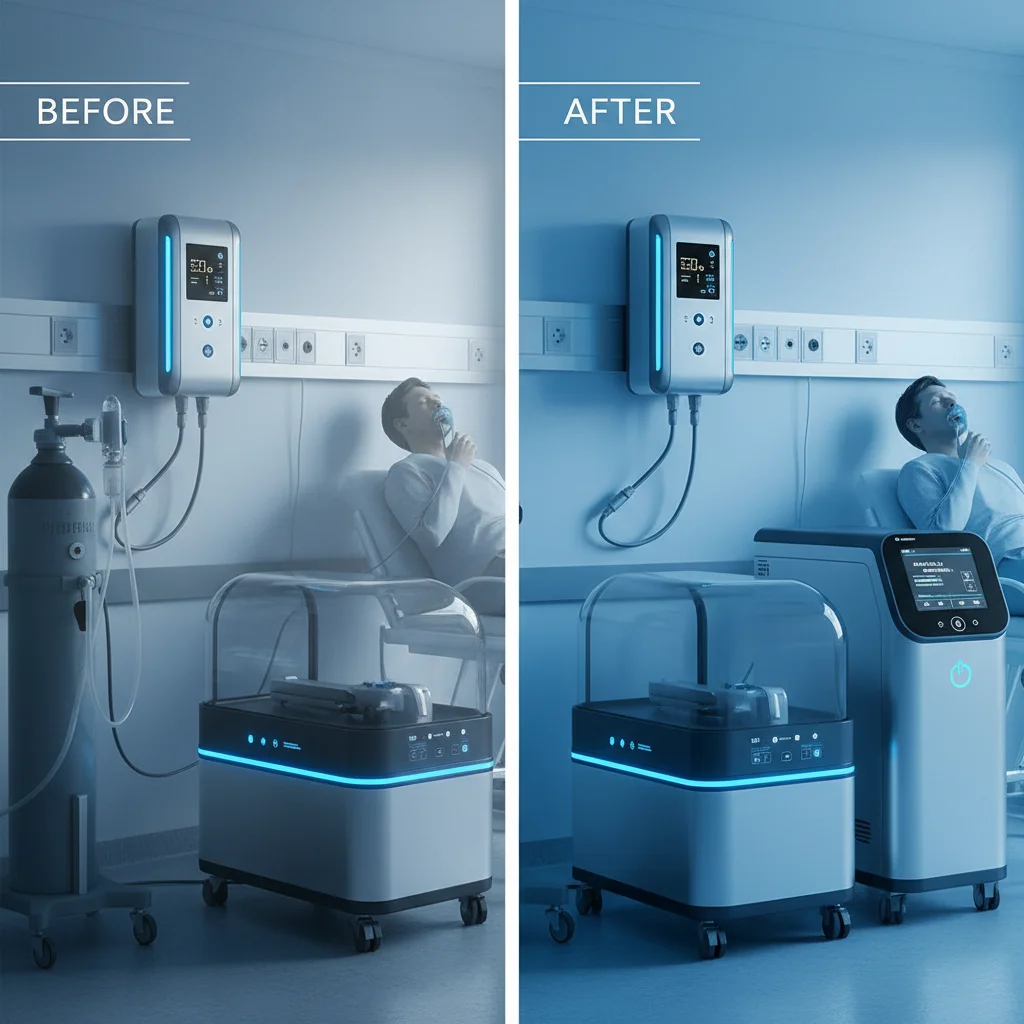
The global healthcare landscape is witnessing a transformative shift toward on-site gas production, where the integration of high-purity systems like an ozone generator purifier concept is becoming essential for maintaining sterile environments and ensuring patient safety. By moving away from traditional logistics, medical facilities can now achieve a level of autonomy and reliability that was previously impossible, effectively eliminating the risks associated with external supply chain disruptions.
Modern medical infrastructure requires a seamless blend of efficiency and clinical precision, which is why the adoption of advanced Pressure Swing Adsorption (PSA) technology is critical. These systems ensure that high-concentration oxygen is available 24/7, providing a stable foundation for intensive care units and surgical theaters while reducing the operational overhead and environmental impact associated with high-pressure cylinder transport.
Understanding the nuances of high-purity gas generation allows healthcare administrators to optimize their resource allocation and improve patient outcomes. By implementing a professional ozone generator purifier approach to air and oxygen management, facilities can guarantee that every breath delivered to a patient meets the most stringent medical standards for purity and safety.

The Technological Foundation of Medical Oxygen Systems
The core of modern medical oxygen production lies in Pressure Swing Adsorption (PSA) technology, a sophisticated process that allows for the direct extraction of oxygen from compressed air. By utilizing high-grade molecular sieves, these systems can selectively adsorb nitrogen, leaving behind a stream of oxygen with purity levels reaching up to 96%. This technological leap ensures that hospitals are no longer tethered to the volatile logistics of cylinder deliveries.
When integrated with a comprehensive ozone generator purifier philosophy, the system doesn't just produce gas; it ensures the absolute purity of the air source. This prevents contaminants from entering the clinical stream, which is paramount for patients with compromised respiratory systems or those undergoing complex surgical procedures where any impurity could lead to complications.
Core Components of High Purity Generation
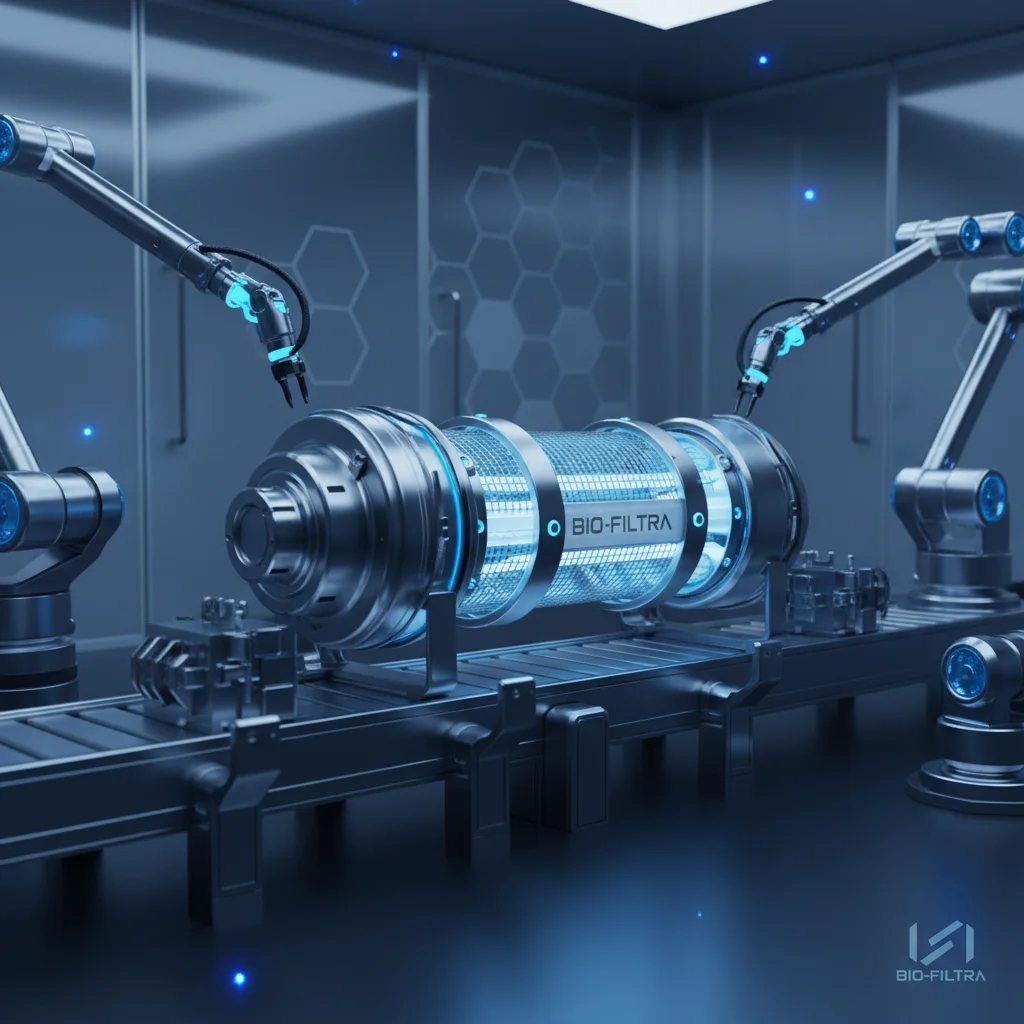
A professional medical oxygen generator is a complex assembly of precision-engineered parts designed for 24/7 reliability. The primary structure includes an air compression system equipped with high-efficiency compressors and pressure sensors, which feed the raw air into a rigorous purification chain. This chain consists of refrigerated dryers and suction dryers that remove moisture and oil, ensuring the molecular sieve beds operate at peak performance.
The heart of the system is the molecular sieve adsorption and separation unit. Here, two or more towers work in tandem; while one tower is adsorbing nitrogen, the other is regenerating, creating a continuous flow of oxygen. This modular design allows the system to be scaled based on the size of the facility, whether it is a small community clinic or a massive regional hospital with an extensive ICU.
To ensure medical-grade safety, the entire process is governed by an intelligent PLC control system and a real-time monitoring alarm. These components track purity levels via an oxygen analysis module, triggering instant alerts if the concentration falls below the required 90-96% threshold. This fail-safe mechanism is what makes the system a dependable alternative to traditional oxygen supply methods.
Operational Advantages in Clinical Settings
Implementing an on-site production system provides an immediate boost to operational efficiency. Medical staff are relieved from the burden of managing cylinder inventory and coordinating complex refill schedules. By utilizing an ozone generator purifier standard of cleanliness and purity, hospitals can ensure that their ventilators and anesthesia machines receive a consistent, high-quality gas stream.
From a clinical perspective, the stability of oxygen concentration is vital for treating patients with COPD, pneumonia, or COVID-19 complications. A high-purity system eliminates the risk of "cylinder run-out" during critical patient transfers or sudden surges in demand, providing a psychological and operational safety net for the emergency response teams.
Furthermore, the reduction in high-pressure cylinder storage significantly lowers the risk of workplace accidents. By producing oxygen on demand at lower pressures and storing it in controlled tanks, the facility minimizes the hazards of leaks or explosions, creating a safer environment for both the healthcare providers and the patients they serve.
Performance Metrics and Efficiency Analysis
Analyzing the efficiency of on-site generation involves looking at purity consistency, energy consumption per cubic meter, and the reduction in logistic costs. Compared to the traditional "Buy-and-Store" model, the "Produce-and-Use" model significantly lowers the cost per liter of oxygen over a five-year horizon. The ability to maintain a purity range of 90-96% consistently ensures that medical standards are met without waste.
The integration of an ozone generator purifier mindset into the system's design results in higher energy efficiency. By optimizing the pressure swing cycles and utilizing energy-saving compressors, modern generators reduce the carbon footprint of the hospital while increasing the total oxygen yield during peak hours.
Comparison of Gas Purification Method Efficiency
Critical Applications in Emergency Care
In emergency medicine, time is the most critical variable. Whether it is a mass casualty incident or a sudden pandemic surge, the ability to generate high-purity oxygen on-site can be the difference between life and death. An ozone generator purifier approach to air quality ensures that the oxygen delivered via mechanical ventilation is free from impurities, reducing the risk of secondary infections in critically ill patients.
Remote clinics and field hospitals benefit most from this autonomy. In regions where road infrastructure is poor, relying on cylinder trucks is a liability. A modular oxygen generator provides a self-sufficient life-support system, allowing trauma surgeons and ER doctors to perform high-risk procedures with the confidence that their oxygen supply is uninterrupted and of medical-grade purity.
Sustainability and Long-Term Cost Management
The shift toward on-site generation is as much a financial decision as it is a clinical one. By eliminating recurring costs related to cylinder rentals, transportation fees, and hazardous material handling, hospitals can redirect significant portions of their budget toward patient care and staff training. The initial capital expenditure is typically recovered within a short period through the elimination of monthly supply invoices.
Environmental sustainability is another key driver. Traditional oxygen supply chains involve heavy trucks transporting high-pressure tanks across cities, contributing significantly to urban carbon emissions. On-site generation removes this logistical layer entirely, aligning healthcare facilities with global "green hospital" initiatives and ISO environmental standards.
Moreover, the durability of modern PSA systems, which often feature a one-year warranty and a long operational lifespan, ensures that the investment provides value for a decade or more. With minimal maintenance requirements—primarily focused on filter replacements and sensor calibration—the total cost of ownership remains remarkably low.
Future Innovations in On-Site Gas Purification
The future of medical gas production is moving toward full digitalization and "smart" autonomy. We are seeing the integration of AI-driven predictive maintenance, where the system can forecast when a molecular sieve needs replacing before it affects purity levels. This evolution ensures that the ozone generator purifier concept evolves into a fully autonomous utility that requires almost zero human intervention.
Additionally, new materials in molecular sieve technology are allowing for higher purity levels (up to 99%) with lower energy consumption. The development of compact, modular "plug-and-play" units means that even the smallest outpatient clinics can have a professional-grade oxygen supply without needing extensive plumbing or construction work.
As global healthcare focuses more on decentralized care, the ability to deploy high-purity oxygen generators in home healthcare settings and mobile clinics will expand. This democratization of medical-grade oxygen will improve recovery rates for chronic respiratory patients and enhance the reach of emergency medical services worldwide.
Comparative Analysis of Oxygen Generation Technologies
| Technology Type |
Purity Range |
Operational Cost |
Reliability Score |
| Standard PSA |
90% - 96% |
Low |
9/10 |
| High-Purity PSA |
93% - 99% |
Moderate |
10/10 |
| Membrane Separation |
85% - 95% |
Low |
7/10 |
| Cylinder Supply |
99% + |
Very High |
6/10 |
| Modular Hybrid |
92% - 97% |
Moderate |
9/10 |
| Portable Concentrator |
90% - 95% |
Low |
8/10 |
FAQS
Most professional medical oxygen generators utilizing PSA technology provide purity levels between 90% and 96%. High-end systems can reach up to 99%, which meets the stringent requirements for surgical theaters and intensive care units, ensuring patients receive medical-grade oxygen without the need for external cylinders.
Yes, in many ways it is safer. Traditional cylinders are stored at extremely high pressures and pose risks of leaks or explosions during transport and storage. On-site generators produce oxygen at lower pressures and eliminate the dangerous logistics of moving heavy tanks through hospital corridors.
Maintenance is relatively minimal. It primarily involves the periodic replacement of air filters and the calibration of the oxygen purity sensors. Most systems are designed for durability and come with a one-year warranty, ensuring a long operational life with minimal downtime if preventive maintenance is followed.
Absolutely. The modular design of modern generators allows facilities to start with a specific capacity and add more adsorption towers as their demand grows. This scalability makes them ideal for growing health centers that want to increase their capacity without replacing the entire system.
Medical oxygen generators are typically integrated into the hospital's emergency power grid. Additionally, they include oxygen storage tanks that hold a reserve of high-purity oxygen, ensuring a continuous supply to patients even during the short interval it takes for backup generators to engage.
By focusing on a rigorous purification chain—including refrigerated and suction dryers—the system ensures that the air fed into the molecular sieves is free from oil, water, and particulates. This not only protects the equipment but ensures the final oxygen output is sterile and safe for direct patient inhalation.
Conclusion
The transition to on-site medical oxygen generation represents a critical evolution in healthcare infrastructure, combining the precision of PSA technology with the operational autonomy of an ozone generator purifier standard. By ensuring a continuous supply of 90-96% purity oxygen, healthcare facilities can drastically reduce their reliance on volatile supply chains, lower their long-term operational costs, and significantly enhance the safety and reliability of patient care in both routine and emergency settings.
Looking forward, the integration of smart monitoring and greener energy solutions will further solidify the role of on-site generation as the gold standard for medical gas supply. We encourage healthcare administrators and medical engineers to evaluate their current logistics and consider the strategic advantages of investing in high-purity, modular oxygen systems to future-proof their facilities. Visit our website for more professional solutions: www.storeoxygen.com