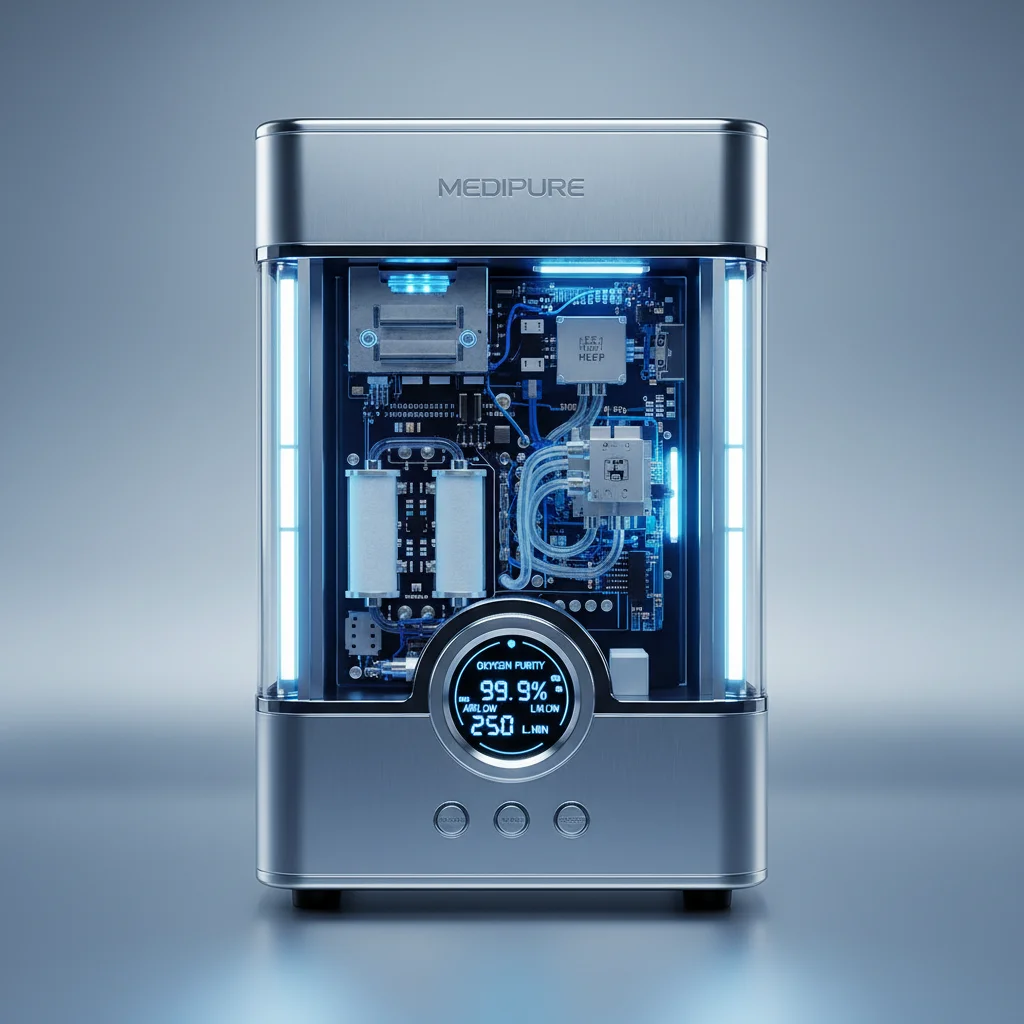
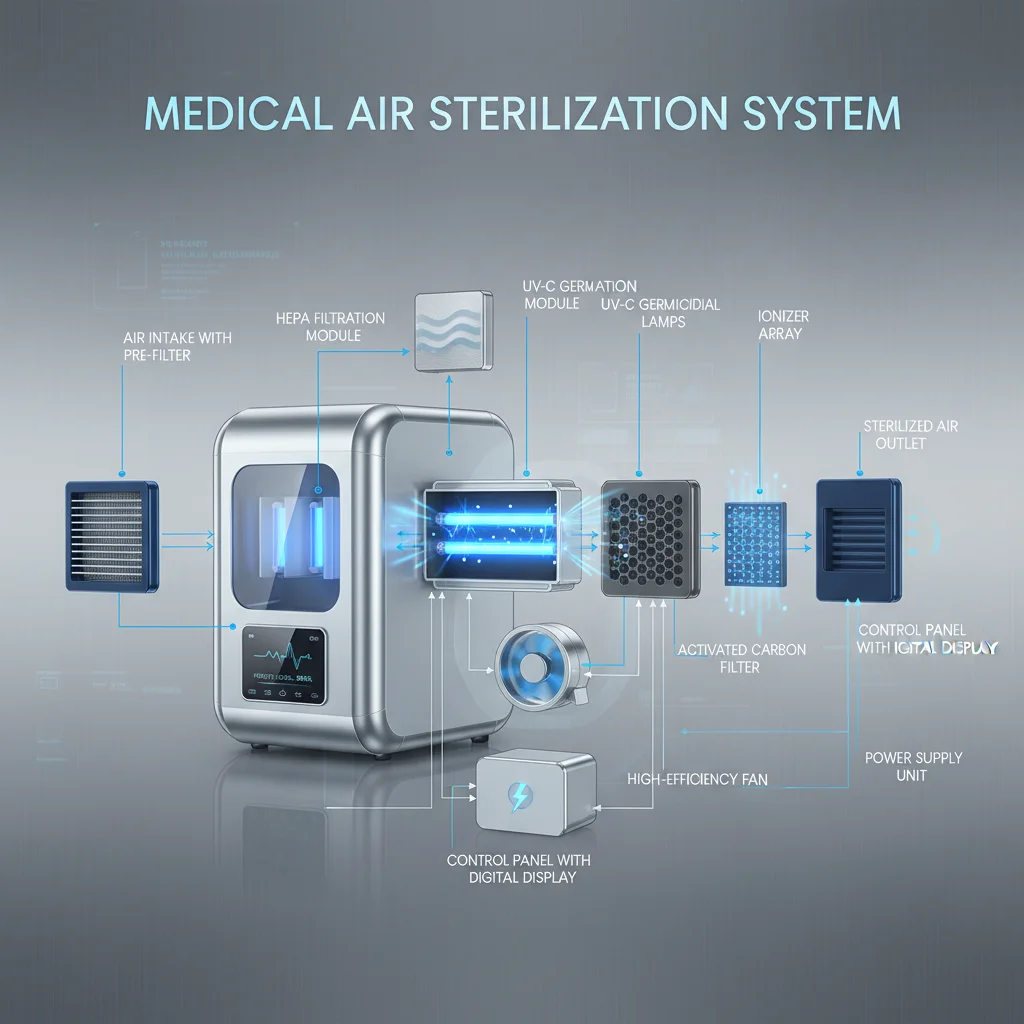
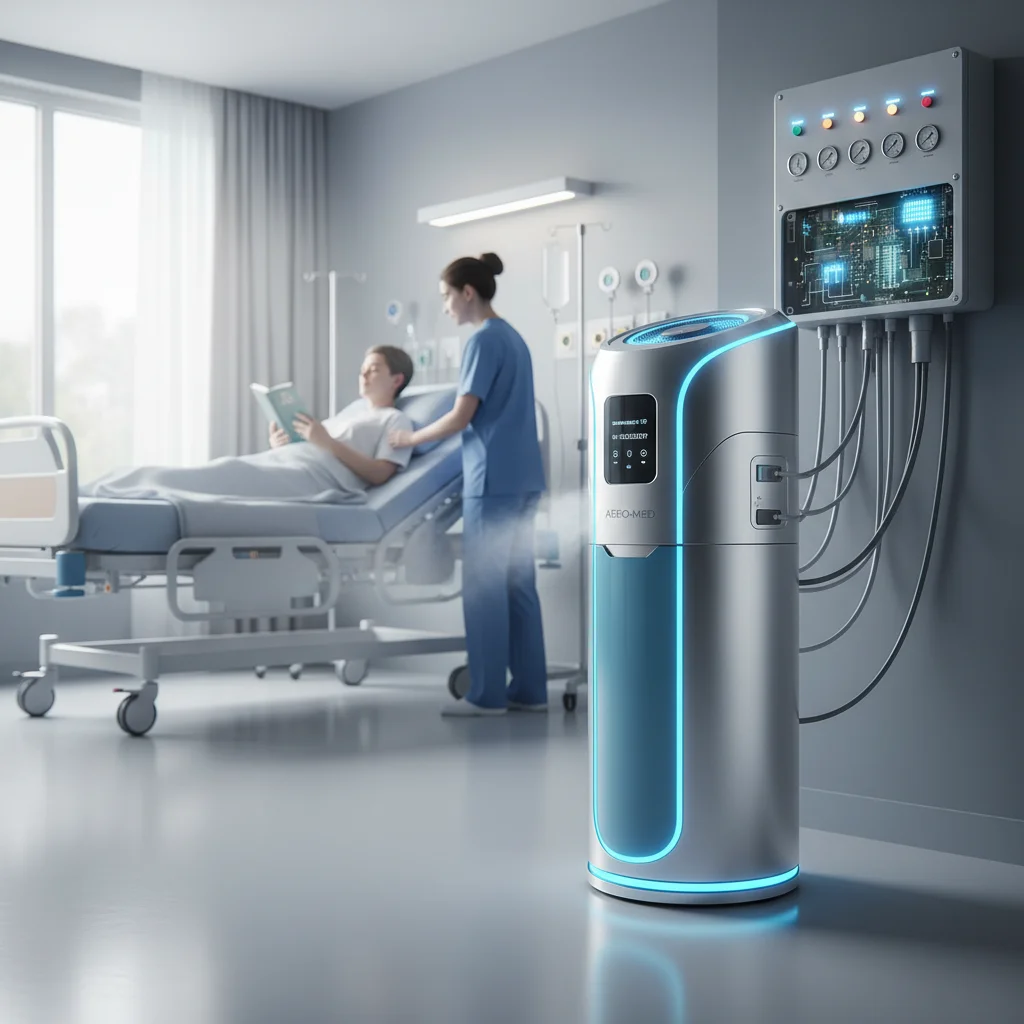
The global demand for high-purity medical oxygen has surged, driving the need for integrated systems that combine production, purification, and mobility. In critical care and emergency response, the ability to generate oxygen on-site is no longer a luxury but a necessity for saving lives. While many seek a general ozone generator air purifier machine for basic sterilization, the medical industry requires far more specialized Pressure Swing Adsorption (PSA) technology to ensure patient safety.
Modern healthcare infrastructure is shifting toward decentralized oxygen supply to eliminate the logistics risks associated with liquid oxygen tanks and heavy cylinders. This transition involves deploying modular, containerized units that can provide a steady stream of medical-grade oxygen regardless of the geographic location. Such innovations ensure that field clinics and remote hospitals can maintain the same standard of care as urban medical centers.
Integrating advanced filtration and generation capabilities into a single mobile unit allows for rapid deployment during disaster relief or pandemic surges. By utilizing a ozone generator air purifier machine approach to environmental control alongside PSA oxygen generation, medical facilities can create a sterile and oxygen-rich environment for patients in the most challenging conditions.

The Role of PSA Technology in Medical Oxygen Generation
Pressure Swing Adsorption (PSA) technology serves as the heart of the Customized Mobile Medical PSA Oxygen Concentrator Cabin. By using a specialized medical molecular sieve, the system separates oxygen from the ambient air under varying pressure levels, achieving a purity of 90% to 96%. This process is far more efficient and sustainable than traditional chemical generation or the transport of compressed gases.
Unlike a standard ozone generator air purifier machine which focuses on air sterilization through ozone, a PSA system is designed specifically for life support. It integrates a complete air compression system, gas source purification, and an electronic drain valve to ensure that the final output is free of contaminants and meets international medical standards for patient safety.
Global Demand for Mobile Oxygen Solutions
The global healthcare landscape is increasingly facing challenges where traditional oxygen infrastructure is insufficient. In many developing regions or during natural disasters, the "last mile" of oxygen delivery becomes a critical failure point. The inability to transport heavy liquid oxygen tanks over rough terrain often leads to avoidable fatalities in field clinics.
According to international health standards, the ability to provide a continuous, scalable supply of oxygen is a fundamental requirement for critical care. Mobile PSA cabins address this by transforming the oxygen supply chain from a delivery-based model to a production-based model, allowing hospitals to generate their own medical-grade oxygen on-site.
This shift is particularly evident in disaster relief operations and remote military medical posts. By deploying a self-contained cabin, healthcare providers can establish a full-scale respiratory support center within hours, reducing the operational burden on logistics teams and ensuring that the supply of oxygen is never interrupted by road closures or supply chain shocks.
Technical Specifications of Mobile PSA Cabins
The engineering behind a mobile oxygen system is vastly more complex than that of a simple ozone generator air purifier machine. The system consists of an oxygen generator, air storage tanks, and an oxygen storage tank, all interconnected via high-pressure gas piping. The core comprises a chassis, a refrigerated dryer, and a suction dryer to ensure the air is moisture-free before it enters the adsorption towers.
To maintain rigorous medical standards, these units operate on a 380V power supply and utilize PLC controllers with touch-screen interfaces for real-time monitoring. The oxygen purity is kept strictly between 90% and 96%, and the noise levels are maintained around 70 dB, ensuring that the equipment can operate near patient areas without causing significant disturbance, unlike industrial-grade machinery.
Customization is a key feature of these cabins, allowing facilities to choose scales from 1 to 100 cubic meters depending on their patient volume. This scalability makes the system an ideal partner for those who might also use an ozone generator air purifier machine for room disinfection, as it provides a comprehensive approach to both air quality and life-critical gas supply.
Performance Analysis of Oxygen Production Scales
Selecting the correct scale for a mobile oxygen plant depends on the projected patient load and the specific medical applications required. While small-scale units are sufficient for outpatient clinics, larger 100 cubic meter systems are essential for emergency hospitals. Each scale is optimized for energy efficiency and purity consistency.
When comparing different production methods, the PSA cabin stands out for its reliability and low operational cost over time. While initial setup costs are higher than purchasing cylinders, the long-term value is found in the elimination of recurring delivery fees and the guarantee of a constant supply.
Medical Oxygen System Performance Comparison
Rapid Deployment in Emergency Environments
The mobile nature of the Customized Medical PSA Oxygen Concentrator Cabin is its greatest strategic advantage. Housed in a weather-resistant and insulated cabin, the system is designed for immediate transportation via wooden frames and rapid setup. This allows medical teams to bypass the need for permanent construction, making it an ideal solution for field hospitals in disaster zones.
In these high-pressure environments, time is the most critical variable. By integrating the air compressor, purification system, and adsorption towers into one pre-configured unit, the time from arrival to first oxygen delivery is minimized. This rapid deployment capability ensures that patients suffering from acute respiratory distress receive immediate care, complementing the sterility provided by an ozone generator air purifier machine in the surrounding ward.
Cost-Effectiveness of On-Site Generation
Traditional oxygen procurement involves high costs associated with cylinder rentals, transportation, and the inherent waste of partially used tanks. For a medium-to-large medical facility, these operational expenses can become unsustainable. A mobile PSA plant shifts the cost structure from variable operational spending to a fixed capital investment.
The on-site generation model drastically reduces the reliance on external supply chains, which is particularly valuable in regions with unstable infrastructure. The energy-saving design of the molecular sieve adsorption process ensures that the cost per cubic meter of oxygen is significantly lower than the market price of medical gas.
Furthermore, the durability of the cabin materials ensures a long service life with minimal maintenance. When compared to the recurring costs of utilizing an ozone generator air purifier machine for continuous air treatment, the PSA system provides a higher return on investment by providing a primary life-saving resource independently.
Maintenance and Operational Sustainability
Maintaining a medical-grade oxygen system requires a disciplined approach to filter replacement and sensor calibration. The PSA cabin is engineered for ease of maintenance, with modular components that allow technicians to replace suction dryers or pressure sensors without shutting down the entire system. The PLC control system provides automated alarms, ensuring that any drop in purity is detected immediately.
Sustainability in medical oxygen production is achieved through the use of high-quality molecular sieves that maintain their adsorption capacity over thousands of cycles. By reducing the need for heavy vehicle transport of gas cylinders, the carbon footprint of the hospital is significantly reduced, aligning medical care with environmental responsibility.
Ultimately, the integration of automated monitoring and durable construction ensures that these units can operate 24/7 in diverse environmental conditions. Whether used in the humid tropics or arid highlands, the system maintains its output, proving far more robust for critical care than a standalone ozone generator air purifier machine.
Comparison of Mobile PSA Cabin Operational Metrics
| Metric Dimension |
Low Scale (1-10m³) |
Mid Scale (11-50m³) |
High Scale (51-100m³) |
| Oxygen Purity |
90-96% |
90-96% |
90-96% |
| Deployment Time |
Very Fast |
Fast |
Moderate |
| Energy Efficiency |
High |
Very High |
Optimal |
| Noise Level |
~70 dB |
~70 dB |
~70 dB |
| Operational Cost |
Low |
Very Low |
Minimum |
| Application Suitability |
Small Clinics |
Regional Hospitals |
Emergency Centers |
FAQS
A PSA oxygen cabin is a life-support system designed to produce high-purity (90-96%) medical oxygen for patient inhalation. In contrast, an ozone generator air purifier machine is used for air sterilization and odor removal by producing ozone (O3). While the purifier cleans the environment, the PSA system provides the essential gas required for respiratory treatment.
Yes, the system is housed in a durable, insulated, and weather-resistant cabin. This design protects the sensitive molecular sieves and PLC controllers from external temperature fluctuations and humidity, ensuring stable oxygen production in diverse environmental settings, from disaster zones to remote rural clinics.
The Customized Mobile Medical PSA Oxygen Concentrator Cabin produces oxygen with a purity ranging from 90% to 96%. This level meets international medical standards for a wide variety of clinical applications, ensuring patient safety and therapeutic effectiveness in critical care settings.
Absolutely. The production capacity is fully customizable, with options ranging from 1 to 100 cubic meters. This allows healthcare facilities to tailor the system to their specific patient volume, whether they are a small field clinic or a large-scale emergency response center.
Routine maintenance includes the periodic replacement of filters in the gas source purification system, checking the electronic drain valves, and calibrating the oxygen analysis module. The modular design allows for these tasks to be performed quickly, minimizing downtime and ensuring a continuous oxygen supply.
On-site generation eliminates the recurring costs of purchasing oxygen cylinders, paying for specialized transportation, and managing cylinder logistics. By producing oxygen from ambient air using an energy-efficient PSA process, hospitals can significantly lower their long-term expenditure on medical gases.
Conclusion
The integration of PSA technology into mobile, containerized cabins represents a paradigm shift in medical oxygen delivery. By combining high-purity production (up to 96%) with rapid deployability and low operational costs, these systems remove the barriers to critical care in remote and emergency environments. While air sterilization tools like the ozone generator air purifier machine remain important for hygiene, the PSA cabin provides the fundamental life-sustaining resource that is non-negotiable in medical crises.
Looking forward, the transition toward decentralized, sustainable medical gas production will only accelerate as global health systems prioritize resilience. Investing in customizable, mobile oxygen solutions not only enhances patient outcomes but also ensures that healthcare providers are prepared for the uncertainties of future pandemics or natural disasters. To learn more about our medical oxygen solutions, visit our website: www.storeoxygen.com