Hit enter to search or ESC to close
2 February 2026
Maintaining the freshness and extending the shelf life of food products is paramount in the food industry. Nitrogen gas cylinders for food packaging play a crucial role in Modified Atmosphere Packaging (MAP), effectively inhibiting spoilage and preserving product quality. This article will provide an in-depth overview of nitrogen gas applications in food packaging, benefits, safety considerations, and choosing the right cylinder for your needs. Understanding these factors ensures optimal food preservation and consumer safety.
Nitrogen is an inert gas, meaning it doesn't readily react with other substances. In food packaging, it displaces oxygen, the primary cause of spoilage. By reducing oxygen levels, nitrogen inhibits the growth of aerobic bacteria and mold, slows down oxidation (which causes rancidity and discoloration), and extends the shelf life of various food products. It’s commonly used for packaging snacks, coffee, meats, cheeses, and prepared meals. The use of nitrogen gas cylinders offers a cost-effective and efficient solution for maintaining food quality throughout the supply chain.
Key Benefits: Inhibits bacterial growth, slows oxidation, extends shelf life, maintains food quality, and cost-effective preservation.
The applications of nitrogen gas are diverse across the food industry. For example, it's extensively used in the packaging of potato chips and other snacks to prevent crushing and maintain crispness. In the meat industry, nitrogen packaging helps preserve color and flavor. Coffee beans benefit from nitrogen packaging by preventing oxidation and preserving aroma. Dairy products like cheeses maintain their texture and freshness with MAP using nitrogen. Prepared meals and ready-to-eat products also benefit significantly, extending their shelf life without compromising taste or nutritional value. The correct nitrogen gas cylinder is essential for consistent and reliable results.
Common Food Applications:
• Snacks (chips, crackers)
• Meat & Poultry
• Coffee & Tea
• Cheese & Dairy Products
• Prepared Meals
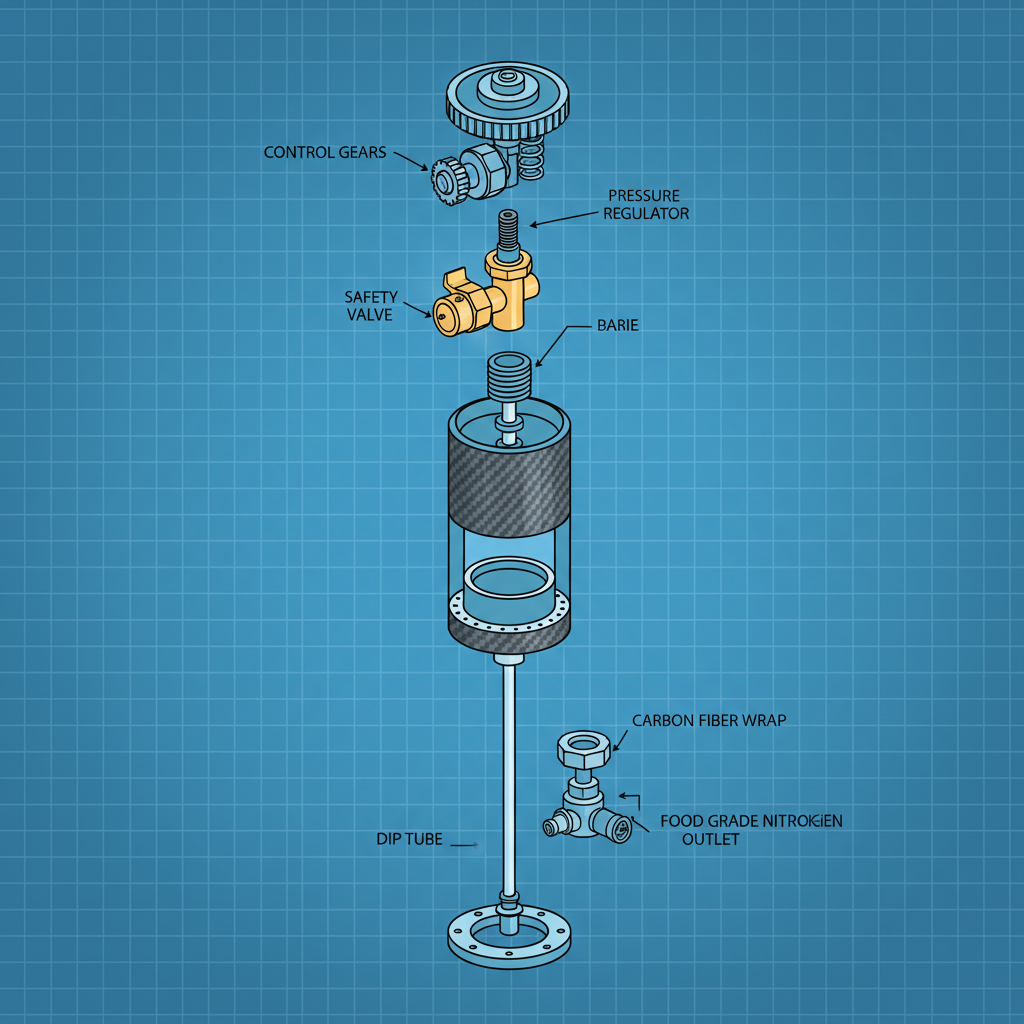
Selecting the appropriate nitrogen gas cylinder is critical for efficient and safe food packaging. Factors to consider include cylinder size (based on consumption rate), pressure, purity level, and valve type. Food-grade nitrogen requires a high purity level (typically 99.5% or higher) to ensure it doesn’t introduce contaminants into the packaging process. Cylinder size should be determined by your daily nitrogen usage. Smaller cylinders are suitable for low-volume operations, while larger cylinders are more cost-effective for high-volume packaging. Ensure the cylinder meets all relevant safety standards and regulations. The team at Store Oxygen can help you determine the ideal cylinder for your specific needs.
While nitrogen is non-toxic, it’s an asphyxiant, meaning it displaces oxygen. Proper ventilation is essential when using nitrogen gas in enclosed spaces to prevent oxygen depletion. Always follow safety guidelines for handling compressed gas cylinders, including securing the cylinder to prevent tipping, using appropriate regulators, and storing cylinders in a well-ventilated area away from heat sources. Personnel handling nitrogen gas should be properly trained on safe operating procedures. Regularly inspect cylinders for leaks or damage. Refer to the Safety Data Sheet (SDS) for detailed safety information.
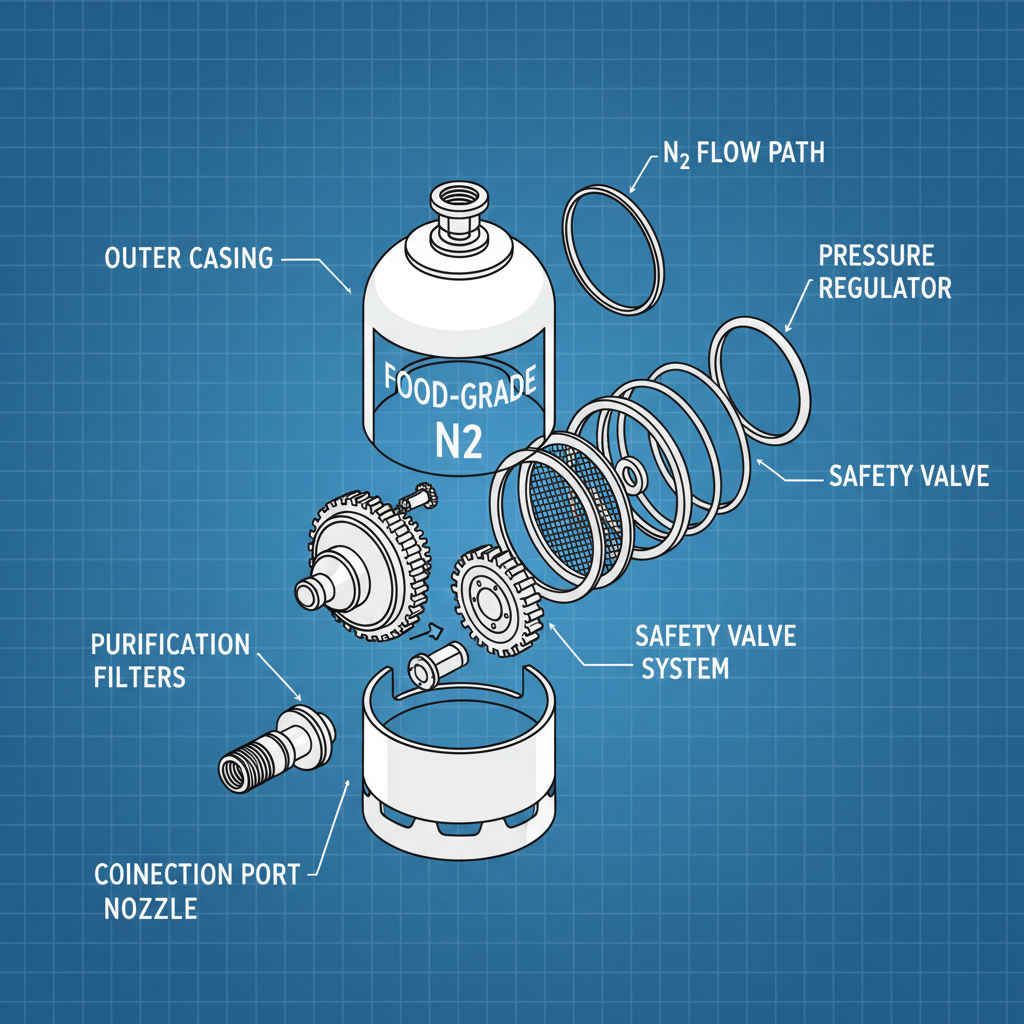
While nitrogen is the most commonly used gas for MAP, other gases like carbon dioxide and oxygen are also employed. Carbon dioxide inhibits microbial growth, and oxygen can be used to maintain the red color of fresh meat. However, nitrogen is preferred for many applications due to its inert nature and effectiveness in preventing oxidation. Compared to air, nitrogen significantly extends shelf life. While more expensive than air, the benefits of extended shelf life, reduced spoilage, and maintained product quality often outweigh the cost. Selecting the optimal gas mixture depends on the specific food product and packaging requirements.
Utilizing nitrogen gas cylinders for food packaging is a vital strategy for maintaining product freshness, extending shelf life, and ensuring food safety. By understanding the application, safety considerations, and choosing the right cylinder size, businesses can optimize their packaging processes and deliver high-quality products to consumers. Store Oxygen offers a comprehensive range of nitrogen gas solutions and expert support to meet your specific needs.
For food packaging, a high purity level of nitrogen is essential to avoid contamination. Generally, a purity level of 99.5% or higher is recommended. This ensures that the nitrogen gas is free from harmful contaminants that could affect the food product's quality and safety. Using lower purity nitrogen can introduce undesirable elements that may alter the taste, aroma, or shelf life of the food. Always verify the nitrogen gas meets food-grade standards.
Nitrogen gas cylinders should be stored in a cool, dry, well-ventilated area, away from heat sources, direct sunlight, and flammable materials. Secure the cylinders upright with straps or chains to prevent tipping. Clearly label the area as containing compressed gas. Never attempt to repair a damaged cylinder yourself; contact a qualified professional. Keep the cylinder valves protected with caps when not in use.
Modified Atmosphere Packaging (MAP) is a technique used to extend the shelf life of food products by altering the composition of the internal atmosphere within the packaging. This typically involves reducing oxygen levels and increasing levels of nitrogen and carbon dioxide. MAP inhibits microbial growth and slows down enzymatic reactions, preserving the food's freshness, flavor, and nutritional value. Nitrogen is often the primary gas used in MAP due to its inert properties.
The primary risk associated with nitrogen gas is asphyxiation. Because nitrogen displaces oxygen, it can create an oxygen-deficient environment. This is particularly dangerous in confined spaces. Symptoms of oxygen deficiency include rapid breathing, dizziness, and loss of consciousness. Always ensure adequate ventilation when using nitrogen gas and follow proper safety procedures. It's crucial to be aware of the risks and receive proper training before handling nitrogen gas.