Hit enter to search or ESC to close
4 February 2026
Nitrogen gas is essential across a wide array of industries, from food packaging and electronics manufacturing to oil and gas. Instead of relying on costly and logistically complex nitrogen deliveries, many businesses are turning to on-site nitrogen generation with PSA (Pressure Swing Adsorption) units. This article provides a detailed overview of PSA nitrogen generation, its benefits, applications, and what to consider when choosing a unit. Investing in a PSA unit for nitrogen production can significantly reduce costs and improve operational efficiency.
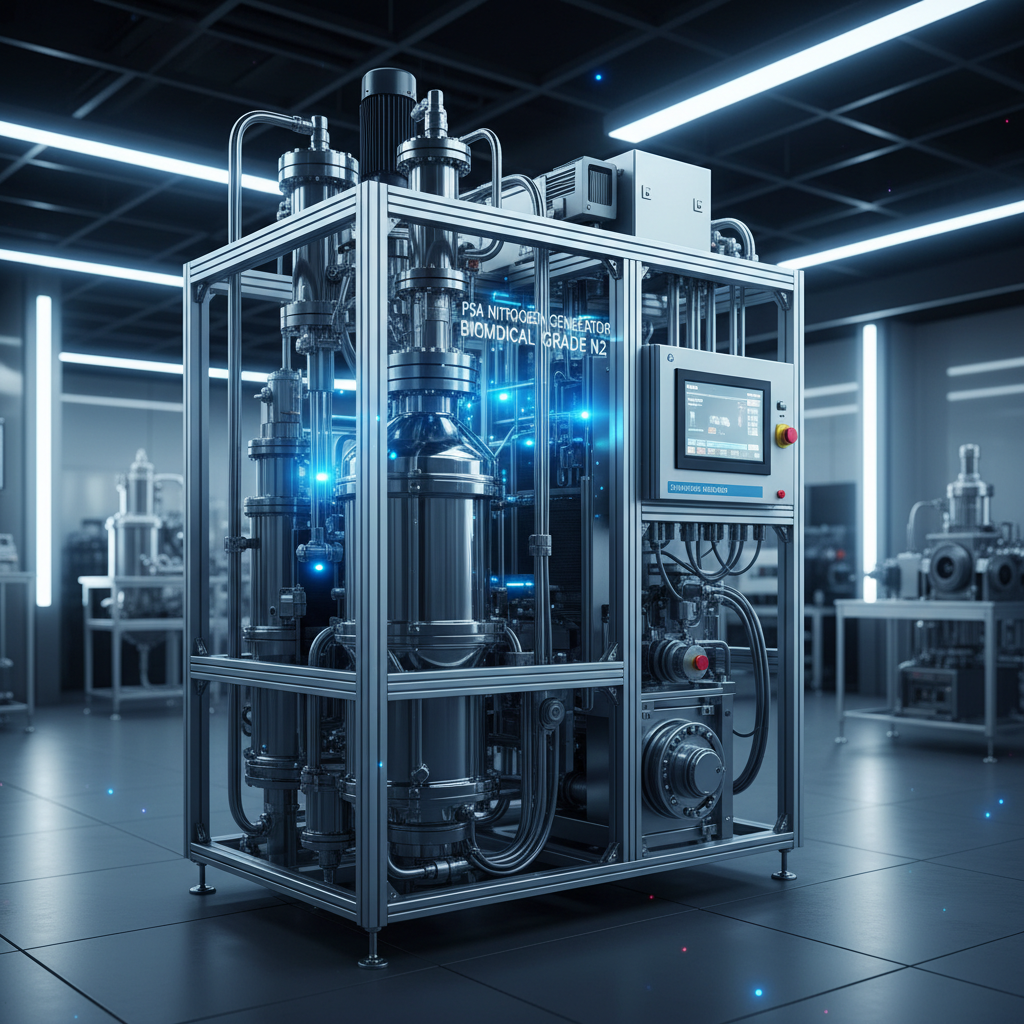
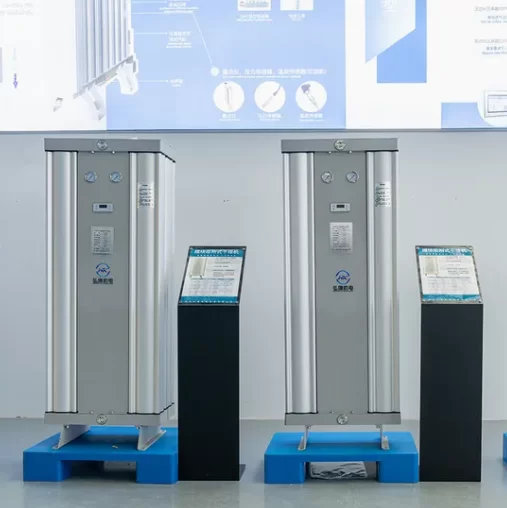
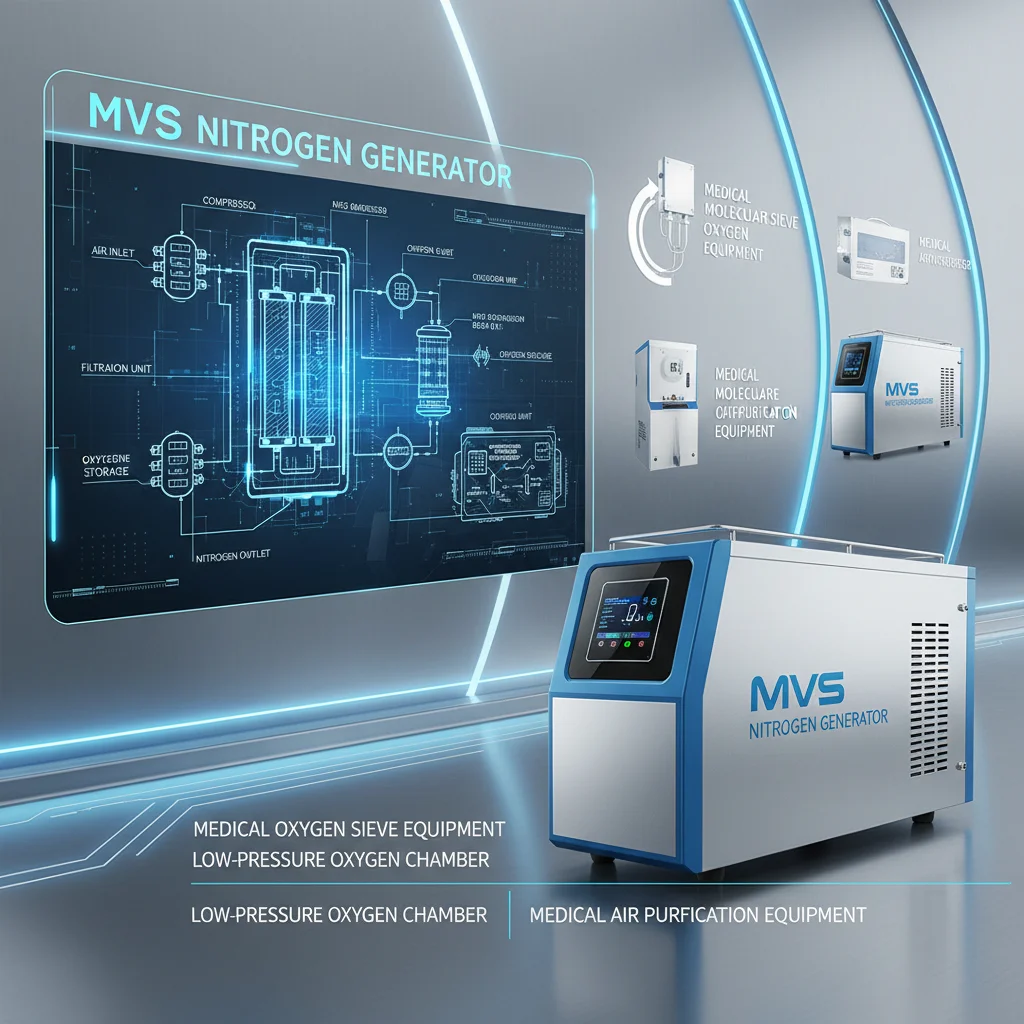
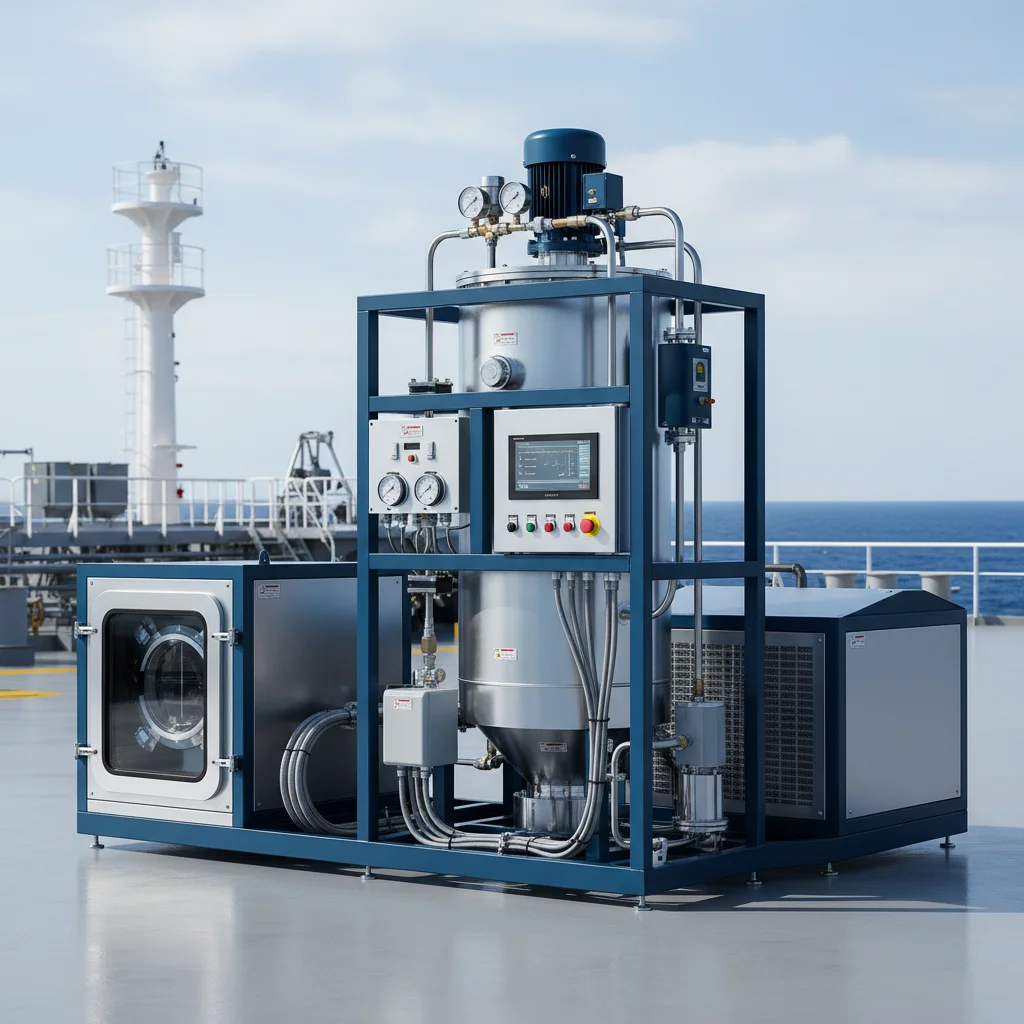
Pressure Swing Adsorption (PSA) is a well-established technology for separating gases. In a PSA nitrogen generator, compressed air is passed through a vessel containing a special adsorbent material, typically carbon molecular sieves (CMS). These sieves selectively adsorb oxygen molecules, allowing nitrogen gas to pass through. The adsorbent material becomes saturated with oxygen over time, and the pressure is then reduced, causing the oxygen to be released. This cycle of adsorption and desorption allows for continuous nitrogen production. This process offers a cost-effective and reliable alternative to traditional nitrogen supply methods. Store Oxygen provides a range of PSA units designed for various nitrogen requirements.
Key Benefits: Cost-effective, reliable, on-demand nitrogen supply, minimal maintenance, compact design, environmentally friendly.
PSA nitrogen generators are utilized across a diverse range of industries. In the food and beverage sector, nitrogen is used for modified atmosphere packaging (MAP) to extend shelf life and preserve freshness. The electronics industry utilizes nitrogen for soldering, cleaning, and preventing oxidation. Oil and gas companies employ nitrogen for pipeline purging, enhanced oil recovery, and pressure testing. Pharmaceutical manufacturers use nitrogen to create inert atmospheres for drug production. The versatility of PSA nitrogen units makes them a valuable asset for businesses in numerous sectors.
Common Applications:
• Food Packaging (MAP)
• Electronics Manufacturing
• Oil & Gas Industry
• Pharmaceutical Production
While several methods exist for nitrogen generation, PSA technology stands out for its efficiency and cost-effectiveness. Compared to cryogenic nitrogen generation, PSA units are generally more compact, require less energy, and have lower operating costs. Liquid nitrogen delivery, while convenient, is susceptible to price fluctuations and logistical challenges. Membrane nitrogen generators offer a simpler alternative, but typically produce lower purity nitrogen. The following table summarizes a comparison of these technologies:
Choosing the appropriate PSA unit for nitrogen production requires careful consideration of your specific needs. Factors to evaluate include your required nitrogen flow rate, purity level, operating pressure, and the quality of your compressed air supply. It's also essential to consider the unit's energy efficiency, maintenance requirements, and the reputation of the manufacturer. Store Oxygen offers expert guidance to help you select the optimal solution for your application.
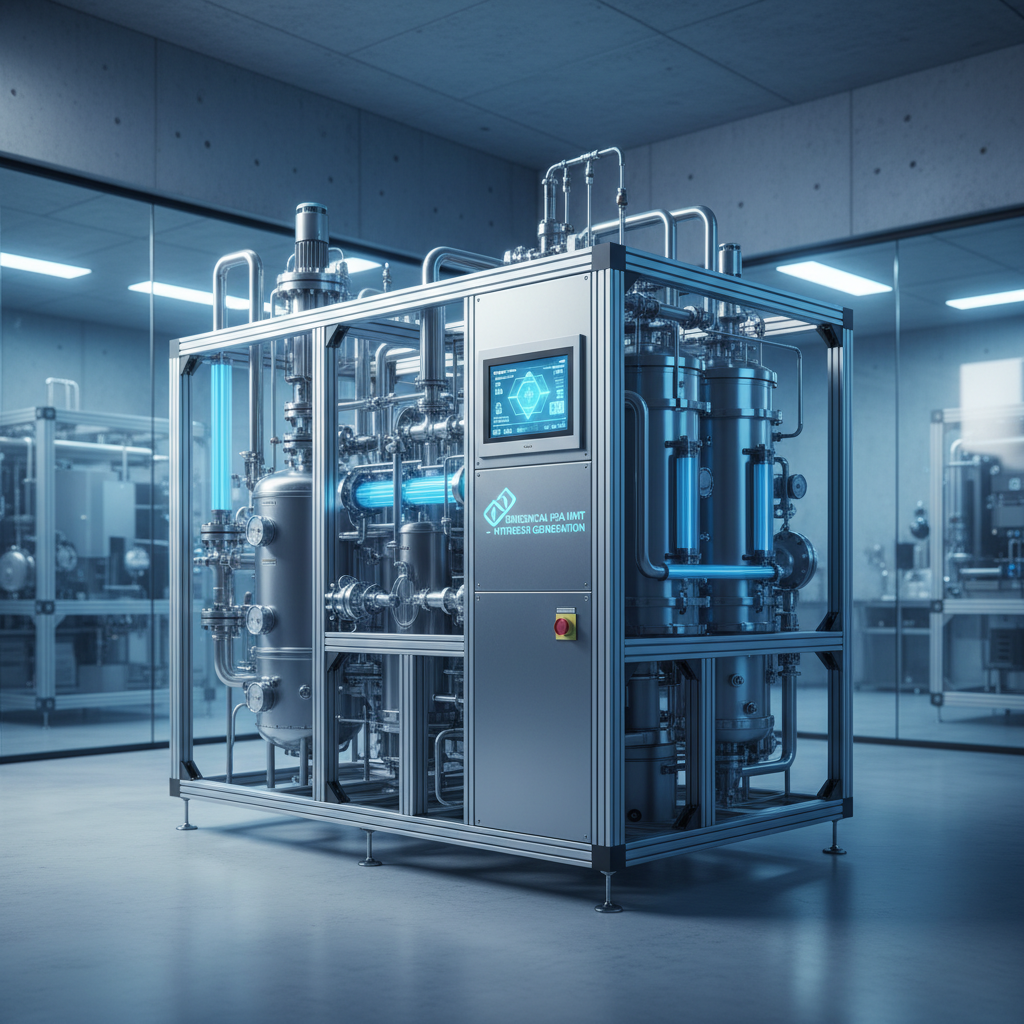
PSA nitrogen units, like those available from Store Oxygen, come in varying capacities to match diverse industrial needs. Typical flow rates range from a few cubic feet per minute (CFM) to hundreds of CFM. Regular maintenance is crucial for optimal performance and longevity. This includes periodic replacement of filters, desiccant dryers, and the carbon molecular sieve beds. Following the manufacturer's recommended maintenance schedule will ensure your unit operates efficiently and reliably.
Investing in a PSA unit for nitrogen production offers a compelling solution for businesses seeking a reliable, cost-effective, and environmentally responsible nitrogen supply. By generating nitrogen on-site, you eliminate the logistical complexities and price volatility associated with external sources. Store Oxygen is dedicated to providing high-quality PSA nitrogen generators and expert support to meet your unique requirements.
With proper maintenance, a PSA nitrogen generator can reliably operate for 10-15 years or even longer. The lifespan is significantly influenced by factors such as the quality of compressed air, adherence to maintenance schedules, and the operating environment. Regular filter replacements, desiccant drying, and CMS bed inspections are crucial for extending the unit's longevity. Investing in a reputable brand like those offered by Store Oxygen ensures you receive a durable and long-lasting product.
PSA nitrogen generators require a clean and dry compressed air supply. The air must be free of oil, water, and particulate matter. It's highly recommended to use a combination of pre-filters, an air dryer, and an oil separator to ensure the compressed air meets the required specifications. Using contaminated air can damage the CMS beds and reduce the unit's efficiency. Store Oxygen can provide guidance on the appropriate air treatment equipment to integrate with your PSA nitrogen generator.
PSA nitrogen generators require relatively minimal maintenance compared to other nitrogen generation methods. Routine tasks include daily checks for leaks, periodic filter changes (typically every 3-6 months), and annual desiccant replacement. The CMS beds typically have a lifespan of 5-10 years before needing replacement. Implementing a preventative maintenance schedule is crucial for ensuring optimal performance and preventing costly downtime.
PSA nitrogen generators offer significant environmental benefits compared to traditional nitrogen supply methods. They eliminate the need for transporting liquid nitrogen or compressed gas cylinders, reducing carbon emissions associated with transportation. PSA technology also minimizes nitrogen waste, as it generates nitrogen on-demand, eliminating the risk of unused gas venting into the atmosphere. By choosing a PSA unit, you can reduce your environmental footprint and promote sustainable practices.