Oxygen plays an essential role in many industries, from healthcare and manufacturing to aquaculture and environmental treatment. Traditionally, oxygen was supplied through cylinders or liquid oxygen delivery systems. However, modern businesses and hospitals are increasingly turning to oxygen generators as a more efficient and cost-effective solution.
So, what is an oxygen generator exactly, and why is it becoming so popular worldwide? This guide explains how oxygen generators work, their main types, applications, and the benefits they provide for different industries.
What Is an Oxygen Generator?
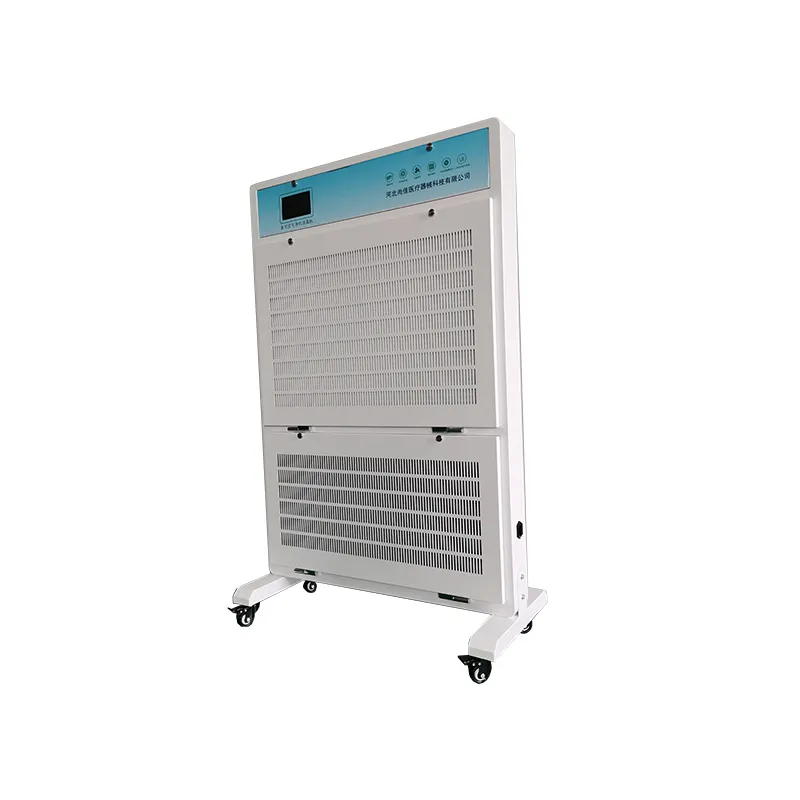
An oxygen generator is a machine that produces oxygen from compressed air by separating oxygen molecules from nitrogen and other gases in the atmosphere. Instead of relying on delivered oxygen cylinders, users can generate oxygen directly on-site whenever needed.
Modern oxygen generators are widely used in:
- Hospitals and healthcare facilities
- Industrial manufacturing
- Aquaculture and fish farming
- Wastewater treatment plants
- Mining operations
- Ozone generation systems
- Glass and metal processing industries
The biggest advantage of an oxygen generator is that it provides a continuous and reliable oxygen supply while reducing long-term operational costs.
How Does an Oxygen Generator Work?
To understand what an oxygen generator is, it is important to know its basic working principle.
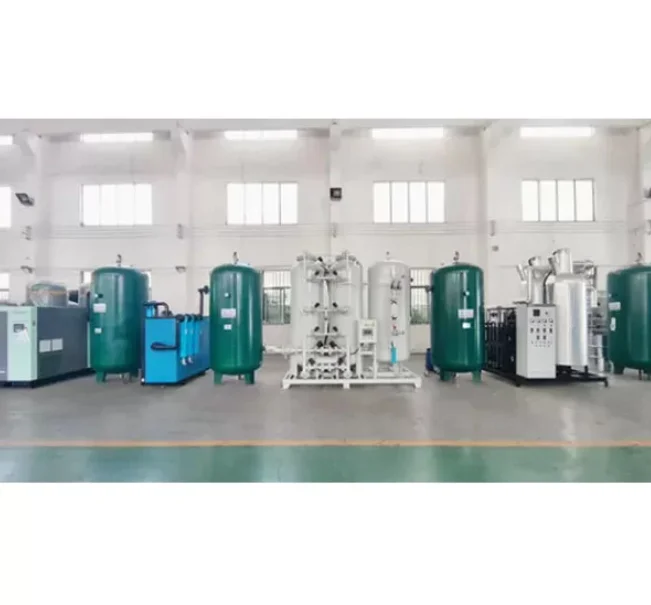
Most oxygen generators use PSA (Pressure Swing Adsorption) technology. The process includes several key steps:
1. Air Compression
The system first draws in ambient air and compresses it using an air compressor.
2. Air Filtration
The compressed air passes through filters that remove dust, moisture, oil, and impurities.
3. Nitrogen Separation
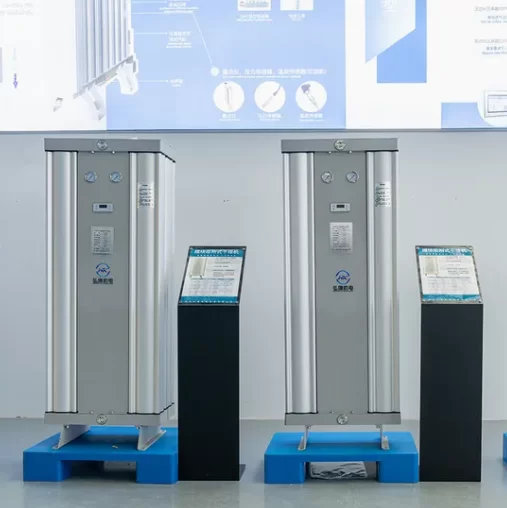
The filtered air enters adsorption towers filled with molecular sieves. These sieves selectively absorb nitrogen while allowing oxygen to pass through.
4. Oxygen Collection
The remaining oxygen is collected and stored for use. Most PSA oxygen generators can produce oxygen purity levels between 90% and 95%.
5. Continuous Oxygen Production
The system alternates between adsorption towers to maintain continuous oxygen generation.
This automated process allows businesses and healthcare facilities to produce oxygen efficiently without depending on external oxygen suppliers.
Types of Oxygen Generators
There are several different types of oxygen generators designed for various applications.
Medical Oxygen Generators
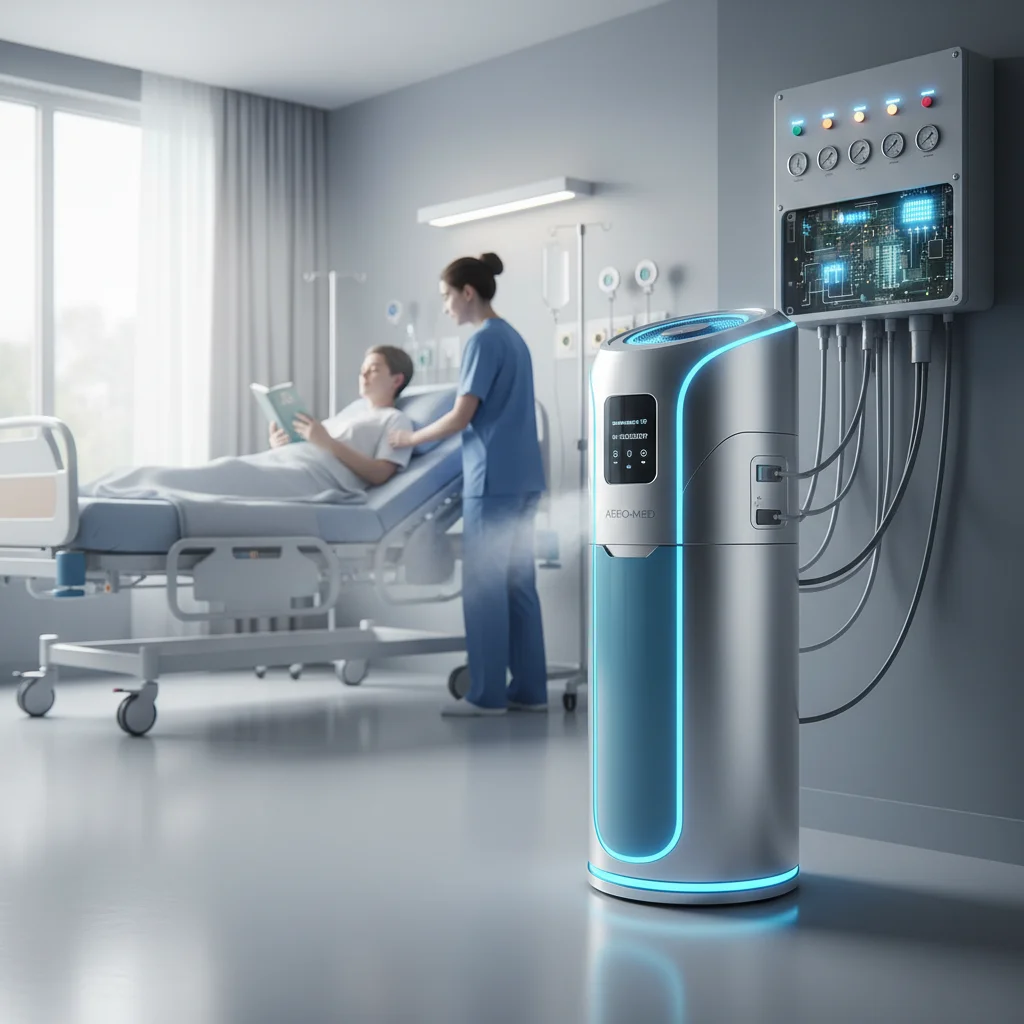
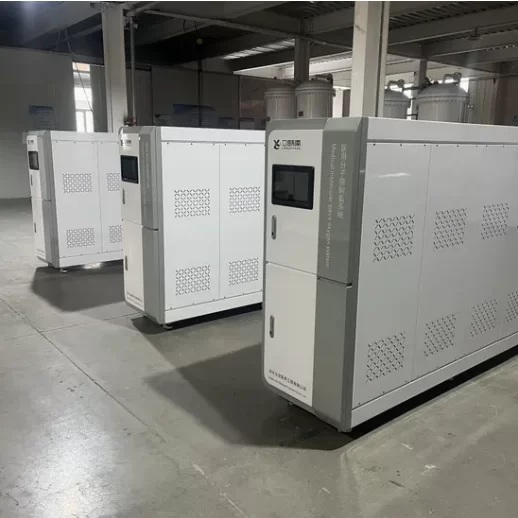
Medical oxygen generators are commonly used in hospitals, clinics, emergency rooms, and intensive care units. These systems provide a stable oxygen supply for patient treatment and centralized hospital oxygen systems.
Compared with traditional oxygen cylinders, medical oxygen generators offer:
- Lower operating costs
- Continuous oxygen availability
- Reduced transportation risks
- Improved emergency preparedness
Many hospitals now use modular oxygen generator systems because they are scalable and easy to expand.
Industrial Oxygen Generators
Industrial oxygen generators are used in industries that require large amounts of oxygen for production processes.
Common industrial applications include:
- Metal cutting and welding
- Glass manufacturing
- Chemical processing
- Mining operations
- Paper production
Industrial systems are designed for high-capacity oxygen production and continuous operation.
Portable Oxygen Generators
Portable oxygen generators are compact systems designed for mobility. They are commonly used for home healthcare, emergency response, and temporary oxygen supply applications.
These units are smaller and easier to transport compared with large industrial systems.
Benefits of Using an Oxygen Generator
Many companies are replacing traditional oxygen supply methods with on-site oxygen generation systems because of their significant advantages.
Lower Operating Costs
One of the biggest benefits of an oxygen generator is cost reduction. Businesses no longer need to purchase, transport, and store oxygen cylinders regularly.
Over time, on-site oxygen production can greatly reduce overall oxygen supply expenses.
Continuous Oxygen Supply
An oxygen generator provides uninterrupted oxygen production whenever needed. This reduces the risk of oxygen shortages caused by delivery delays or supply chain disruptions.
Improved Safety
Handling high-pressure oxygen cylinders can involve safety risks. On-site oxygen generation reduces transportation and storage hazards associated with bottled oxygen.
Flexible System Expansion
Modern modular oxygen generators allow users to increase oxygen capacity by adding additional modules instead of replacing the entire system.
This flexibility is especially useful for growing hospitals and industrial facilities.
Environmentally Friendly Operation
By reducing oxygen transportation requirements, oxygen generators help lower fuel consumption and carbon emissions associated with cylinder delivery.
Applications of Oxygen Generators
Understanding what an oxygen generator is also means understanding its wide range of applications.
Healthcare Industry
Hospitals use oxygen generators for:
Reliable oxygen supply is critical for patient safety and medical treatment.
Aquaculture
Fish farms use oxygen generators to maintain healthy oxygen levels in water, improving fish growth and reducing mortality rates.
Wastewater Treatment
Wastewater plants use oxygen systems to improve biological treatment efficiency and reduce harmful pollutants.
Industrial Manufacturing
Industries use oxygen generators to enhance combustion efficiency, increase production speed, and improve product quality.
How to Choose the Right Oxygen Generator
When selecting an oxygen generator, buyers should consider several important factors:
Oxygen Purity Requirements
Different industries require different oxygen purity levels.
Oxygen Flow Capacity
The generator should match the required oxygen consumption rate.
Installation Space
Compact modular systems are ideal for facilities with limited space.
Energy Efficiency
Energy-saving systems help reduce long-term operational costs.
After-Sales Support
Reliable technical support and spare parts availability are essential for long-term system operation.
Why Modular Oxygen Generators Are Growing in Popularity
Modular oxygen generators are becoming increasingly popular because they offer:
- Flexible expansion
- Easier maintenance
- Lower initial investment
- Improved reliability
- Better scalability
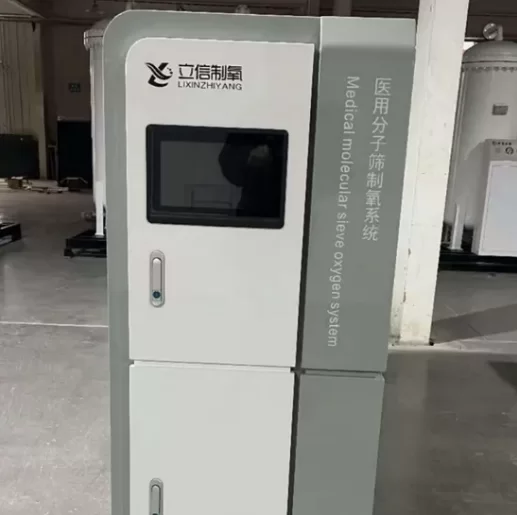
These systems are especially suitable for hospitals, industrial plants, and remote projects where oxygen demand may increase over time.
Conclusion
So, what is an oxygen generator? It is a highly efficient system that produces oxygen directly from ambient air, providing a reliable and cost-effective alternative to traditional oxygen cylinders and liquid oxygen supply.
From healthcare facilities to industrial manufacturing plants, oxygen generators help businesses improve efficiency, reduce costs, and maintain a stable oxygen supply. As industries continue to focus on sustainability, safety, and operational flexibility, oxygen generators are expected to play an even more important role in the future of oxygen supply systems.