Hit enter to search or ESC to close
Professional Manufacturer Of Medical Equipment Belts/Hospital Equipment Belts
Our product range includes patient transfer belts, restraint belts, surgical support belts, and customizable straps for hospital equipment. Designed with both patients and healthcare professionals in mind, these belts ensure safety, comfort, and reliability in daily hospital operations.
Each belt is manufactured using medical-grade materials that meet international health and safety standards. Whether for patient mobility assistance, surgical support, or securing medical equipment, our belts provide optimal performance and long-lasting durability, making them an essential accessory in modern healthcare facilities.
Specialized Manufacturing Expertise
With years of experience in the medical field, we deliver belts tailored for various clinical and hospital scenarios.
Compliance with Global Standards
All products are designed and manufactured in line with ISO, FDA, and CE certifications, ensuring safety and reliability.
Customizable Solutions
We offer a wide variety of belt sizes, materials, colors, and configurations to meet specific client needs. OEM and ODM services are available.
Durable & Comfortable Design
Our belts are crafted from high-strength, hypoallergenic materials that ensure maximum comfort for patients and easy handling for caregivers.
Competitive Pricing & Large-Scale Production
Advanced production facilities allow us to deliver high-quality products at competitive prices with reliable lead times.
Medical-Grade Materials: Crafted from antibacterial, breathable, and hypoallergenic fabrics for safe patient use.
Ergonomic Design: Designed for maximum comfort and ease of use, reducing strain on both patients and healthcare staff.
Secure Fastening Systems: Heavy-duty buckles, Velcro, or magnetic closures for secure and adjustable fitting.
Wide Application: Suitable for patient transfer, mobility support, rehabilitation, surgical positioning, and equipment fastening in hospitals and clinics.
Custom Branding Available: Logos, colors, and packaging can be tailored to meet client specifications for OEM/ODM orders.
High Strength and Durability: Resistant to repeated washing and sterilization for long-term use in medical environments.
Product Details
Customization: | Available |
Warranty: | 1 Year |
Certification: | ISO9001, CE, ISO, CE |
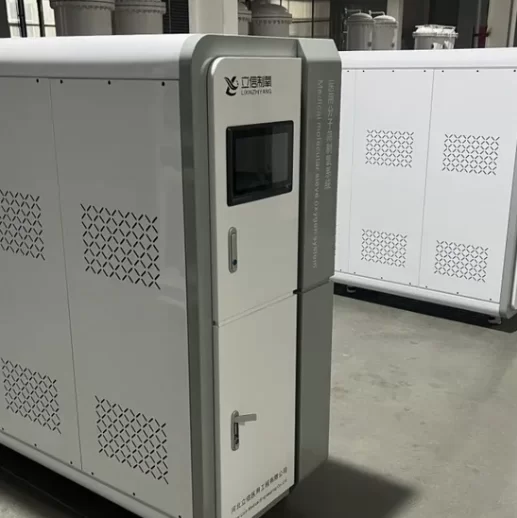
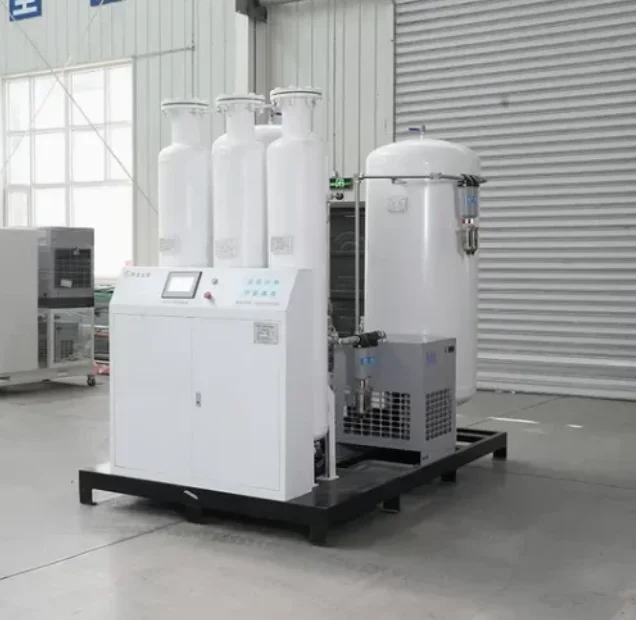
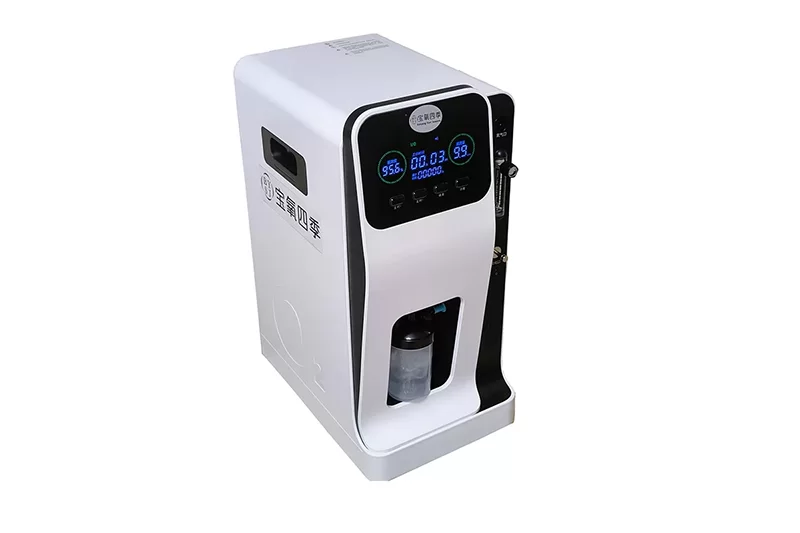
Model NO. | Medical gas engineering | Noise Level | Low | |
Voltage | 220V | Purity | 93.5%-94.5% | |
Usage | Oxygen | Parts | Valve | |
Application Fields | Medical | Machine Size | Large | |
Condition | New | Purpose | Medical Center Oxygen Supply | |
Does It Support Processing | Yes | Product Type | Compressed Oxygen Production | |
Applicable Scope | Hospitals, Nursing Homes, etc | Install | Can Be Installed on Site | |
Characteristic | Stable Performance | Transport Package | Wooden Box | |
Specification | Wooden box | Trademark | Lixin Zhexing | |
Origin | Hengshui, Hebei | HS Code | 8419601900 | |
Production Capacity | 5000 Square Meters |
Product Descriptio
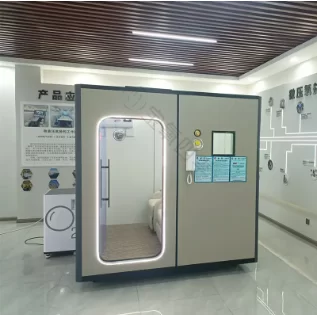
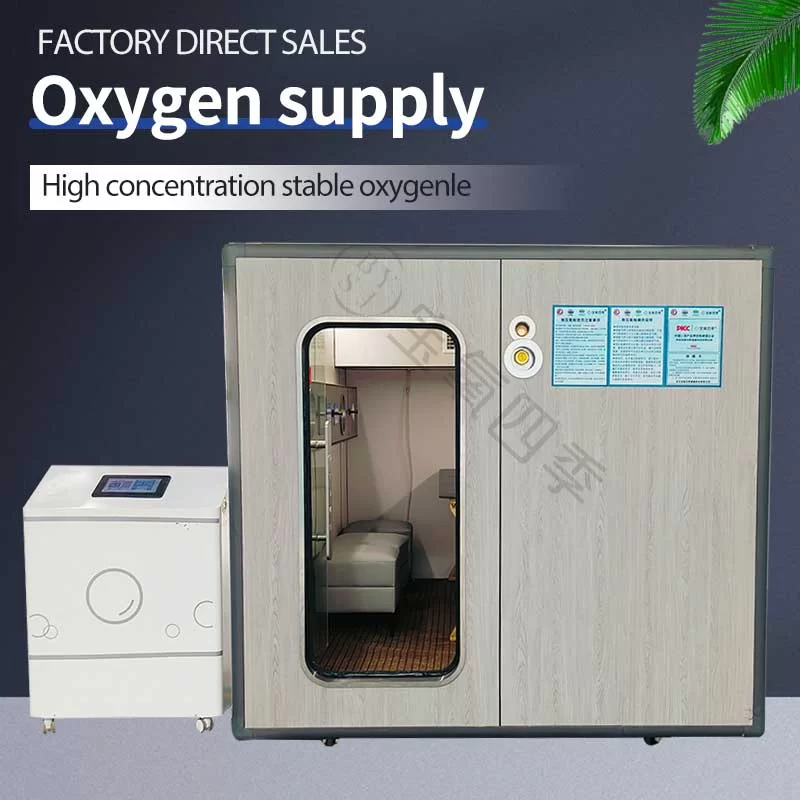
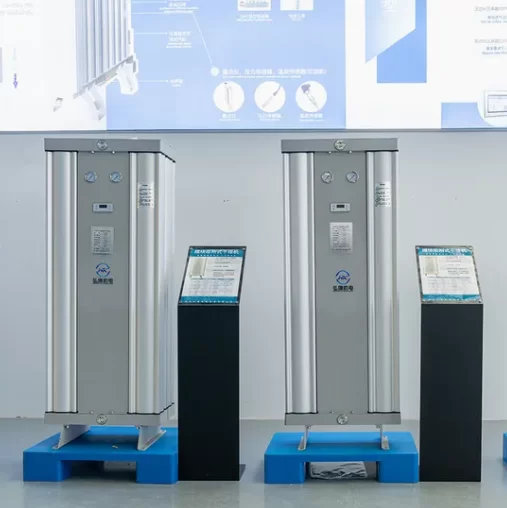
The medical center gas supply system is an essential and important component of modern hospitals. Including: oxygen, vacuum suction, compressed air, laughing gas, nitrogen, carbon dioxide, etc.
The medical center gas supply system consists of a central gas supply station, pipelines, valves, pressure monitoring devices, flow meters (specifically for oxygen), alarm devices, and gas terminals. Medical gas is transported to the terminals of operating rooms, emergency rooms, treatment rooms, and various wards through pressure stabilizing devices, pipelines, valves, etc., for medical use.
A Professional Manufacturer Of Medical Equipment Belts/Hospital Equipment Belts plays a critical role in ensuring that healthcare facilities receive products that meet strict safety, performance, and regulatory requirements. Quality and compliance are the foundation of medical device production, and trusted manufacturers operate under well-defined standards and verification systems that guarantee the reliability of every belt used in hospitals, clinics, and emergency care units.
To begin with, a certified manufacturer adheres to international medical-grade standards such as ISO 13485, FDA guidelines, and various CE compliance frameworks. These certifications ensure that product design, material selection, production methods, and factory management follow strict medical device industry rules. Materials used for Medical Equipment Belts/Hospital Equipment Belts must be durable, hypoallergenic, and resistant to sterilization treatments to ensure both patient comfort and operational longevity.
Additionally, quality assurance is implemented at every stage of the production cycle—from raw material procurement to final packaging. Modern factories utilize automated cutting, stitching, and bonding technologies to maintain precision and reduce human error. Final inspection teams perform tensile strength tests, wear-resistance tests, fastening performance checks, and surface safety assessments to ensure that no defective product enters the medical supply chain.
Furthermore, traceability is essential for compliance. Each batch of belts is assigned a unique tracking code for documentation, recall control, and performance monitoring. This level of traceability helps hospitals and distributors maintain detailed records and ensures accountability across the supply chain.
Continuous R&D is another key element of compliance. A Professional Manufacturer Of Medical Equipment Belts/Hospital Equipment Belts invests in research to optimize ergonomic design, enhance breathable functions, improve safety locking systems, and update materials to meet evolving healthcare standards. Collaboration with medical professionals allows manufacturers to align new product developments with real clinical needs.
Ultimately, compliance is not only about regulations—it is about protecting patients and supporting medical staff. By combining standardized production, rigorous certification, controlled documentation, and scientific innovation, a professional manufacturer helps maintain global confidence in medical products and contributes to the safe, efficient operation of modern healthcare systems.
In modern healthcare systems, a Professional Manufacturer Of Medical Equipment Belts/Hospital Equipment Belts plays an indispensable role in supporting patient mobility, surgical procedures, rehabilitation, emergency transport, and hospital workflow efficiency. Although medical belts may seem like simple accessories, they are vital components in numerous clinical environments, ensuring patient stability, safety, and comfort during care.
One primary role of medical equipment belts is patient support. From transfer belts used in elderly care and rehabilitation centers, to restraint belts for surgical procedures, to abdominal and orthopedic belts for postoperative recovery, the applications are diverse and directly impact patient outcomes. Without reliable and ergonomically designed belts, medical staff would face greater difficulty in safely assisting mobility-limited patients or stabilizing individuals during treatment.
Another critical role lies in operational efficiency. Hospitals depend on standardized medical supplies that are compatible with equipment, easy to clean, and safe for repeated use. A Professional Manufacturer Of Medical Equipment Belts/Hospital Equipment Belts ensures that belts meet these criteria, reducing wear-related replacement frequency and helping healthcare facilities maintain cost control without compromising safety.
Additionally, professional manufacturers support innovation in medical technology. They collaborate with surgeons, physiotherapists, and rehabilitation experts to develop new designs that address emerging clinical needs. For example, belts with enhanced ventilation layers improve wearer comfort during long-term recovery, while quick-release locking mechanisms improve response time in emergency scenarios.
Global healthcare requirements also demand specialized customization. A professional manufacturer can produce belts tailored to neonatal care, bariatric use, emergency ambulance stretchers, or ICU restraint systems. This flexibility allows hospitals to procure products that match patient categories, regulatory guidelines, and equipment compatibility standards.
Furthermore, in the context of aging populations and increased chronic disease care, demand for reliable mobility support equipment continues to rise. The manufacturer ensures that medical belts remain safe for long-term use, reducing caregiver injury risks and improving patient independence.
Ultimately, the presence of a Professional Manufacturer Of Medical Equipment Belts/Hospital Equipment Belts ensures that hospitals, clinics, elderly care centers, and rehabilitation institutions operate smoothly. Their contributions extend far beyond production—they shape global care standards, enhance safety, and support clinical professionals in delivering high-quality treatment to patients worldwide.
The global medical infrastructure industry continues to expand at a rapid pace, and the future holds promising opportunities for a Professional Manufacturer Of Medical Equipment Belts/Hospital Equipment Belts as healthcare systems evolve. Modern demographic changes, hospital construction growth, regulatory upgrades, and technological integration are shaping the development landscape of this specialized medical terminal equipment sector.
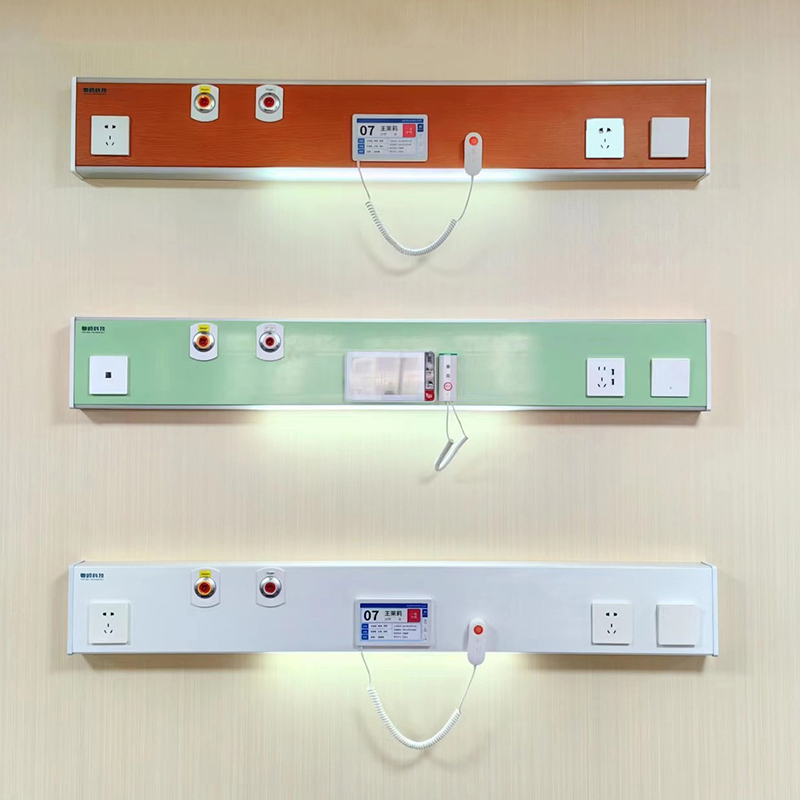
One of the strongest market drivers is the continuous rise in global healthcare investment, especially in hospital infrastructure upgrades. Medical equipment belts—commonly installed at the head of hospital beds—serve as essential multifunctional terminal systems that support oxygen supply, negative pressure suction, medical gas outlets, lighting, nurse call systems, and electrical interfaces. As governments, private healthcare groups, and rehabilitation facilities expand capacity, demand for structured, standardized, and safety-certified headwall equipment belts will continue to increase.
Customization and ergonomic installation are becoming major trends. Modern hospitals require flexible configurations according to departments such as ICU, emergency wards, general wards, maternity wards, and rehabilitation rooms. Future medical equipment belts are expected to support modular design, selective gas terminal layouts, anti-bacterial surface treatments, LED lighting options, smart call systems, and aesthetic integration to match interior design standards. Manufacturers capable of OEM/ODM customization, engineering support, and on-site integration will gain greater competitiveness in global bidding scenarios.
Technology integration will also accelerate sector transformation. Smart hospital concepts are driving the adoption of IoT-enabled patient monitoring systems, digital nurse-call communication, real-time diagnostic feedback, and intelligent lighting controls integrated within equipment belts. These innovations enhance hospital workflow efficiency, reduce medical errors, and improve patient comfort—aligning with the future direction of digital healthcare ecosystems.
Sustainability trends are gaining importance, especially in emerging procurement standards. Medical facilities increasingly seek durable aluminum structures, recyclable materials, low-energy lighting systems, safe electrical insulation, and maintenance-friendly modular parts to extend product lifecycle and reduce total operational costs. Manufacturers embracing sustainable materials and precision manufacturing will better match international quality expectations.
From a regulatory perspective, global medical compliance frameworks continue tightening. Manufacturers need to invest in quality assurance systems, electrical safety testing, gas terminal certification, installation standards, documentation management, and international certification compliance. High-level conformity in ISO, CE, electrical safety standards, and medical gas specifications will become crucial for entering international markets and government procurement programs.
Geographically, emerging markets such as Southeast Asia, Latin America, Eastern Europe, and the Middle East are undergoing large-scale hospital construction and modernization. This leads to strong procurement demand for integrated medical equipment belt systems. A Professional Manufacturer Of Medical Equipment Belts/Hospital Equipment Belts with international logistics capabilities, on-site installation guidance, and multilingual communication support will be well-positioned for long-term global expansion.
In conclusion, the future market outlook favors companies that embrace technological innovation, modular engineering solutions, international compliance, and sustainable production. Manufacturers who adapt to evolving hospital needs and global healthcare modernization will lead the next phase of industry growth and contribute to the improvement of medical safety, efficiency, and patient experience worldwide.