Hit enter to search or ESC to close
28 March 2026
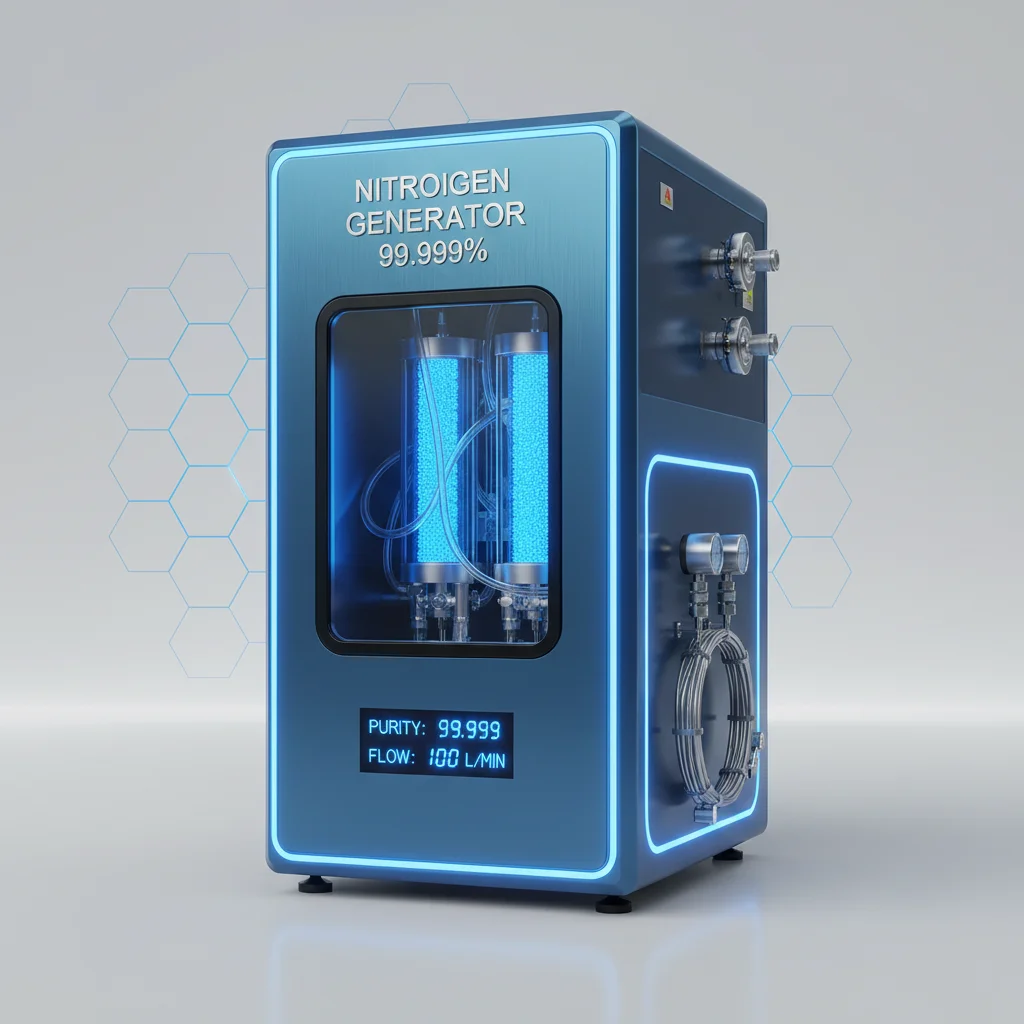
Maintaining coffee freshness and quality requires precise control of the environment. Using a nitrogen generator for coffee is becoming increasingly popular among roasters, packagers, and cafes. Nitrogen flushing prevents oxidation, preserving aroma and flavor for longer. This article will explore the benefits, applications, and considerations when selecting a nitrogen generator for your coffee business, ensuring optimal product preservation. We'll delve into the science behind nitrogen and its impact on coffee quality, providing valuable insights for informed decision-making.
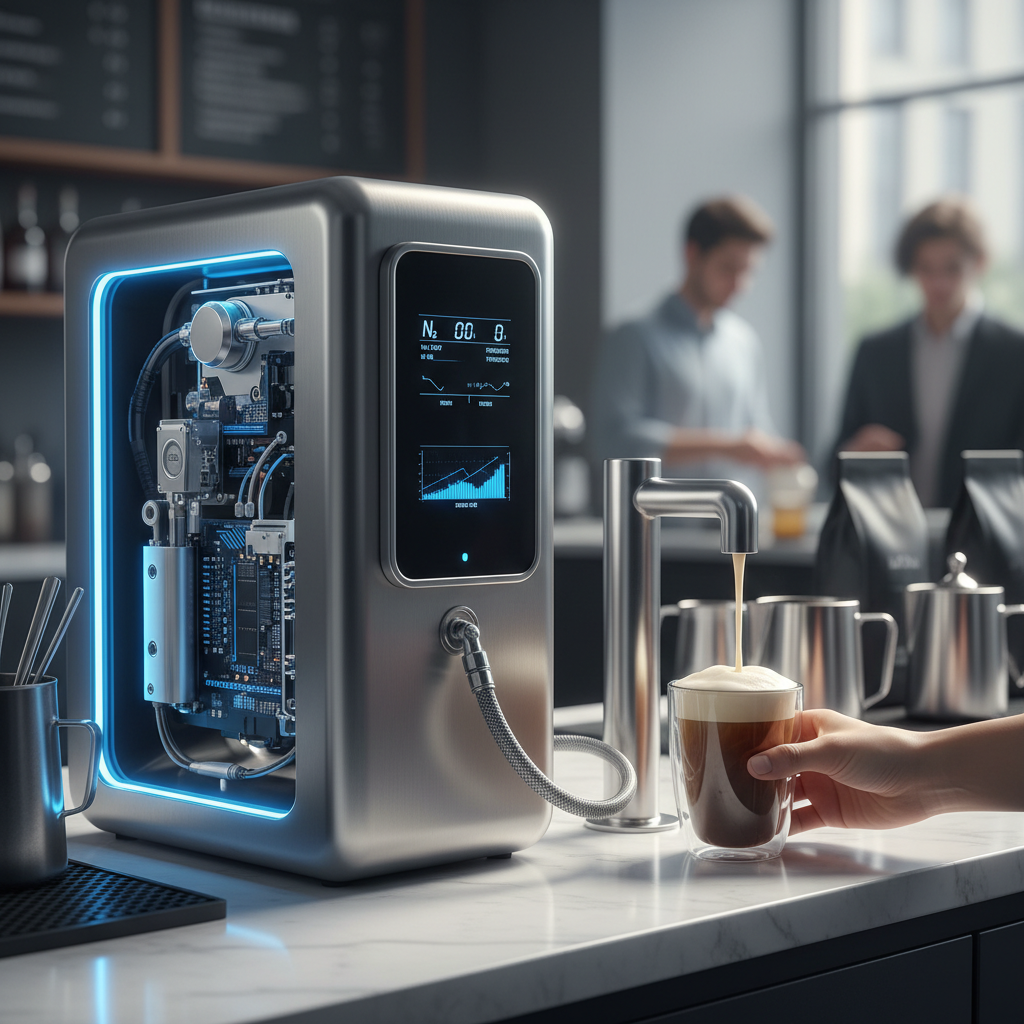
Nitrogen is an inert gas that displaces oxygen, the primary cause of coffee degradation. Oxygen leads to oxidation, resulting in staling, loss of aroma, and undesirable flavors. A nitrogen generator for coffee provides a consistent and reliable source of nitrogen, allowing businesses to flush packaging with this protective gas. This process significantly extends shelf life, maintains bean integrity, and ensures a superior coffee experience for consumers. Furthermore, nitrogen helps to minimize the impact of moisture and light, contributing to overall coffee quality. It's a cost-effective solution for preserving the investment in high-quality beans.
Key Benefits: Extends shelf life, preserves aroma, prevents oxidation, minimizes moisture and light impact, and maintains bean integrity.
Nitrogen generators find applications throughout the coffee supply chain. Roasters use nitrogen flushing to protect whole beans during storage and transportation. Packaging facilities utilize nitrogen to create modified atmosphere packaging (MAP) for ground coffee and single-serve pods. Cafes benefit from nitrogen-infused cold brew, which enhances flavor and reduces acidity. The versatility of nitrogen generators makes them a valuable asset for businesses of all sizes, from small artisanal roasters to large-scale commercial operations. Choosing the right system will depend on your specific needs and production volume.
Nitrogen Generator Applications:
• Whole bean storage and transportation
• Modified Atmosphere Packaging (MAP) for ground coffee
• Nitrogen-infused cold brew
• Preserving coffee aroma and flavor
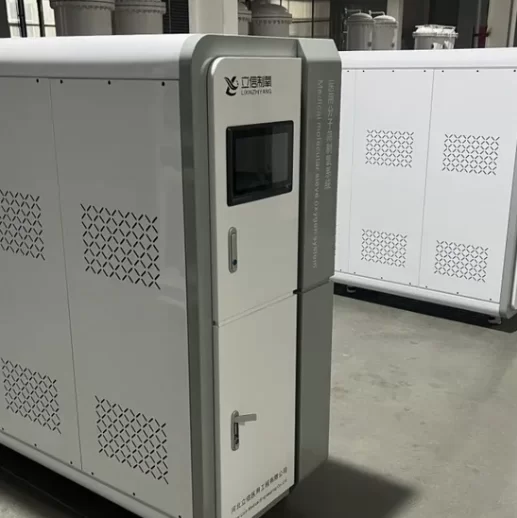
Selecting the appropriate nitrogen generator for coffee involves considering several factors. Production volume is paramount – larger operations will require generators with higher output capacities. Purity levels are also crucial; coffee preservation generally requires nitrogen purity of 99.5% or higher. The type of generator (PSA vs. membrane) will impact efficiency and maintenance requirements. Finally, consider the available space and power supply. Working with a reputable supplier like Store Oxygen can help you navigate these considerations and select the optimal solution.
Here's a glimpse at some common nitrogen generator specifications:
Investing in a nitrogen generator for coffee is a strategic move for any business committed to delivering exceptional quality. By protecting your beans from oxidation, you’ll enhance flavor, extend shelf life, and satisfy discerning coffee drinkers. Contact Store Oxygen today to discuss your specific needs and find the perfect nitrogen solution.
The cost of a nitrogen generator varies significantly depending on the output capacity, purity level, and technology used (PSA vs. membrane). Smaller units suitable for cafes might range from $3,000 to $8,000, while larger industrial systems can cost upwards of $20,000 or more. It’s important to factor in ongoing maintenance costs, such as air filter replacements, when calculating the total cost of ownership. At Store Oxygen, we provide competitive pricing and financing options to suit your budget.
Nitrogen generators typically require minimal maintenance. The most common task is replacing the air intake filter regularly, usually every 6-12 months, depending on the air quality. PSA generators may also require occasional desiccant replacement. Membrane generators generally have lower maintenance requirements. Regular monitoring of the nitrogen purity and system pressure is also recommended.
The amount of nitrogen needed depends on the packaging volume and desired oxygen level. A general guideline is to use enough nitrogen to displace at least 98% of the oxygen in the package. This typically requires 1-3 cubic feet of nitrogen per pound of coffee. It's best to consult with a packaging expert or Store Oxygen to determine the optimal nitrogen flow rate for your specific application.