Hit enter to search or ESC to close
26 March 2026
In a wide range of industries, from food packaging to electronics manufacturing, the demand for a reliable and cost-effective nitrogen source is continually growing. Traditionally, businesses relied on purchasing nitrogen in liquid or gaseous form, which involved logistical complexities and recurring costs. However, nitrogen generators using compressed air offer a compelling alternative, providing on-site nitrogen production with significant advantages. This article delves into the benefits, applications, and key considerations when choosing a nitrogen generator with compressed air, helping you determine if this solution is right for your business.
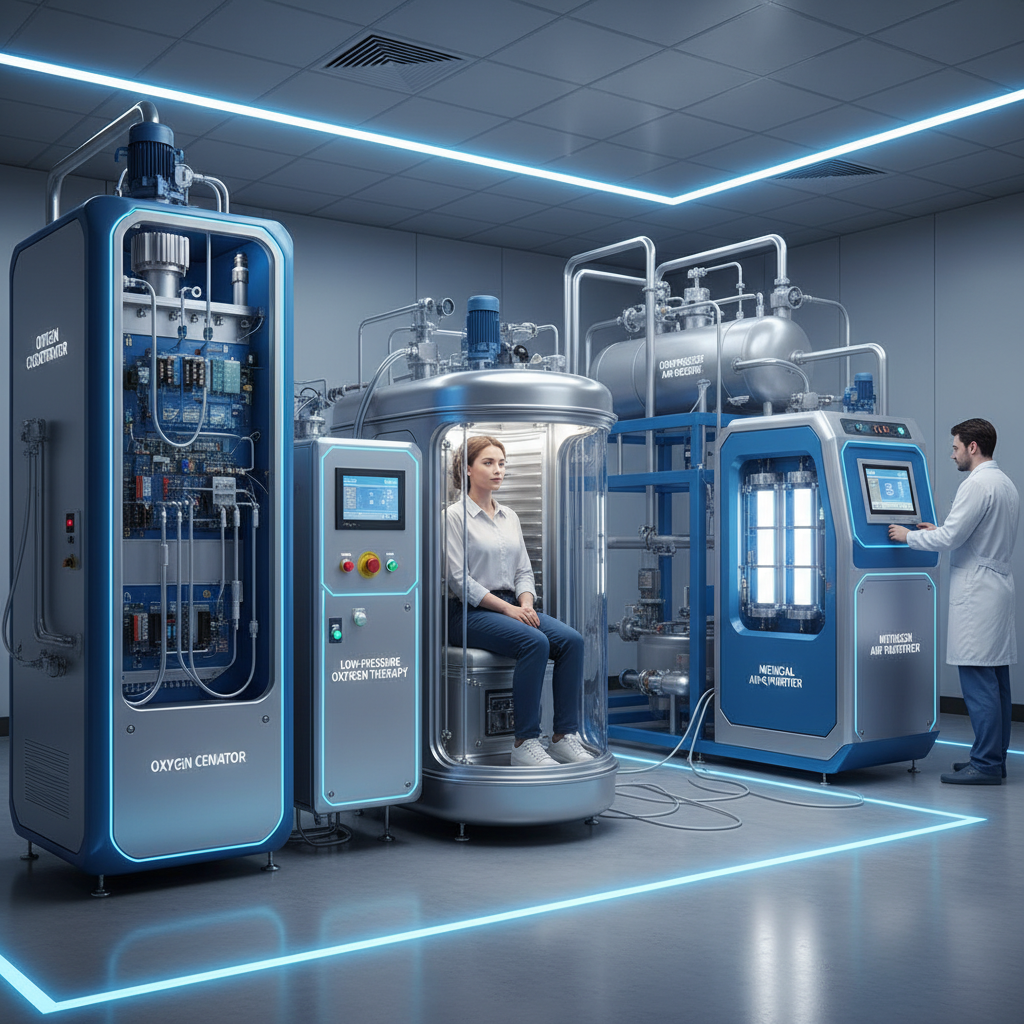
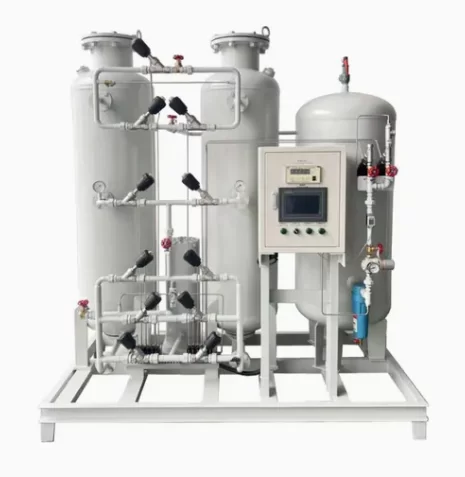
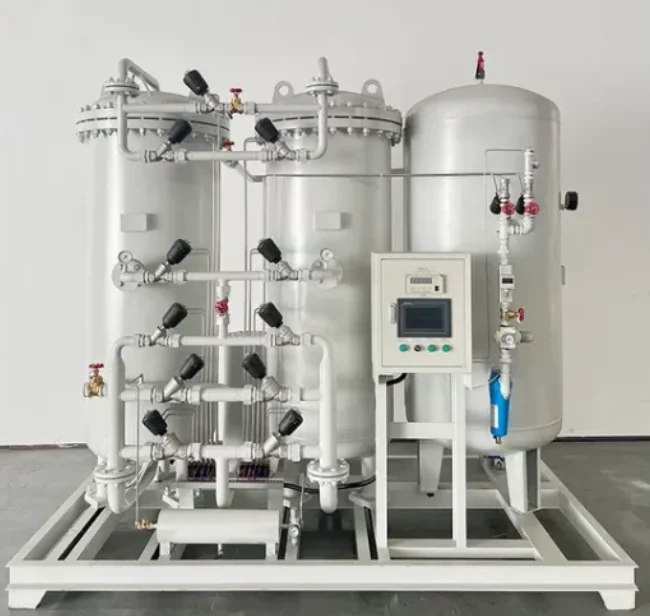
Nitrogen generators utilizing compressed air leverage a technology called Pressure Swing Adsorption (PSA). Essentially, clean, dry compressed air is passed through a vessel containing Carbon Molecular Sieve (CMS) material. This CMS selectively adsorbs nitrogen molecules, allowing oxygen and other trace gases to pass through. The result is a consistent and high-purity nitrogen stream, tailored to the specific requirements of your application. The process is cyclical, regenerating the CMS material to ensure continuous nitrogen production. This method offers a significant advantage over traditional nitrogen supply methods in terms of cost and convenience.
Key Takeaway: PSA technology provides a consistent, on-demand source of high-purity nitrogen using readily available compressed air.
The versatility of nitrogen generated from compressed air makes it suitable for a diverse range of applications. Some common examples include:
Compared to relying on liquid nitrogen deliveries or compressed nitrogen cylinders, on-site nitrogen generation presents a compelling economic and logistical advantage. Traditional methods are subject to fluctuating prices, delivery schedules, and storage constraints. A nitrogen generator with compressed air offers a fixed cost per unit of nitrogen, eliminating price volatility. It also eliminates the risks associated with handling cryogenic liquids and reduces the need for cylinder management.
Selecting the right nitrogen generator requires careful consideration of your specific needs. Factors to evaluate include:
At Store Oxygen, we offer a range of nitrogen generators designed to meet diverse industrial needs. Our expert team can help you assess your requirements and select the optimal solution.
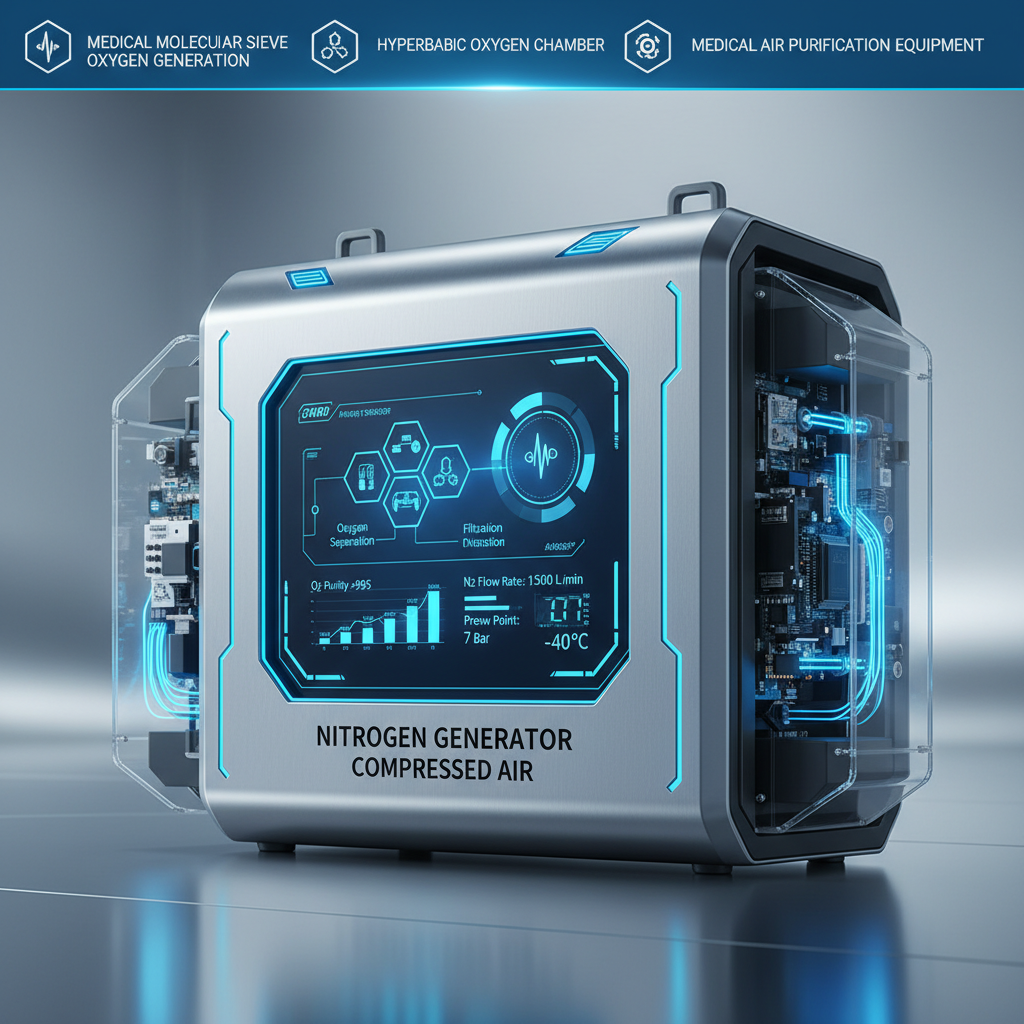
Here's an example of specifications for a common nitrogen generator model:
Investing in a nitrogen generator with compressed air offers a significant return on investment through reduced costs, increased reliability, and enhanced operational efficiency. By eliminating dependence on external suppliers and embracing on-site production, businesses can gain greater control over their nitrogen supply and optimize their processes. Explore the options available at Store Oxygen and discover the benefits of a tailored nitrogen solution.
Nitrogen generators require clean, dry, and oil-free compressed air. The air should be free of moisture, dust, oil vapor, and other contaminants, as these can damage the CMS material and reduce the efficiency of the generator. It’s crucial to use a high-quality air compressor with appropriate filtration and drying systems, such as a refrigerated air dryer and particulate filters. Regularly maintaining these systems is also essential to ensure optimal performance and longevity of the nitrogen generator.
The payback period for a nitrogen generator varies depending on your current nitrogen consumption, the cost of traditional nitrogen supply, and the specific generator model. However, many businesses experience a payback period of 1-3 years due to significant cost savings from eliminating recurring nitrogen purchases. Factors such as reduced labor costs for handling deliveries and increased process efficiency also contribute to the overall return on investment. A detailed cost analysis can help determine the specific payback period for your application.
Nitrogen generators generally require minimal maintenance. The primary maintenance tasks include periodic replacement of air filters and the desiccant dryer cartridge. The frequency of filter replacement depends on the quality of your compressed air. Regular monitoring of system pressure and nitrogen purity is also recommended. Most generators are designed for automated operation, minimizing the need for manual intervention. Preventive maintenance schedules, provided by the manufacturer, should be followed to ensure optimal performance and longevity.
Yes, nitrogen generators are designed to work seamlessly with existing compressed air systems. As long as your air compressor can provide a consistent and clean supply of compressed air at the required pressure and flow rate, it can be used to power the nitrogen generator. It’s crucial to ensure that the air compressor has adequate filtration and drying capabilities to meet the generator's specifications.