Hit enter to search or ESC to close
3 December 2025
Nitrogen, oddly enough, is everywhere around us—making up roughly 78% of our atmosphere. But capturing and harnessing nitrogen gas for industrial use requires some pretty sophisticated technology. That’s where the nitrogen plant manufacturer steps into the picture, playing a vital role worldwide. Nitrogen plants enable industries from healthcare to electronics, food preservation to chemical production, to have a reliable nitrogen source. This capability not only drives industrial efficiency but also supports sustainability efforts.
Globally speaking, the nitrogen plant manufacturing sector is more than just a technical niche. It’s part of a bigger ecosystem contributing to food security, environmental protection, and even emergency relief operations. Understanding how these manufacturers operate, the challenges they face, and the innovations underway helps us appreciate this often unseen backbone of modern industry.
According to the United Nations and the International Energy Agency, global industrial gas consumption is steadily increasing, powered by growing manufacturing sectors in Asia, Europe, and the Americas. Nitrogen plants, supplying high-purity nitrogen gas, are critical infrastructure. They address key challenges like supply consistency, energy efficiency, and scaling to meet regional demands.
One problem facing many industries is ensuring a stable nitrogen source with minimal environmental impact. Traditional gas supply chain options—think bulky cylinders shipped over long distances—can be costly and carbon-intensive. Hence, on-site nitrogen generation, provided by specialized nitrogen plant manufacturers, presents a smarter alternative.
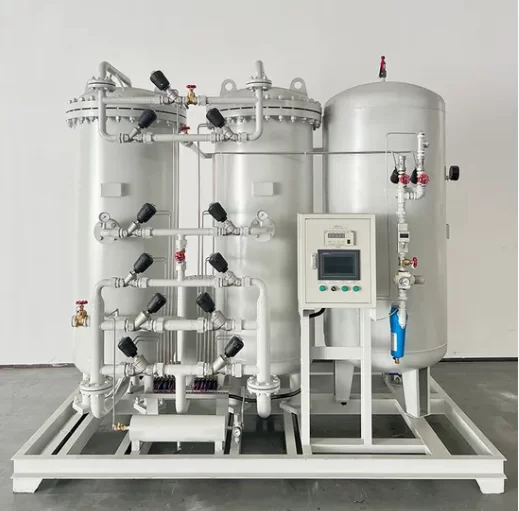
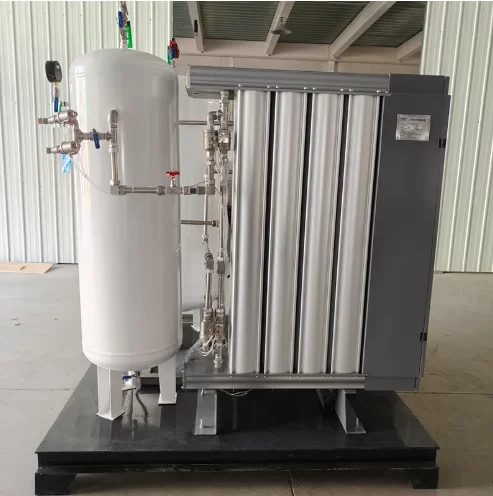
In simple terms, a nitrogen plant manufacturer is a company or entity that designs, builds, and often maintains nitrogen gas generation plants. These plants extract nitrogen gas from atmospheric air using technologies such as Pressure Swing Adsorption (PSA), membrane separation, or cryogenic distillation. The end product? Reliable, high-purity nitrogen gas tailored to industrial or medical specifications.
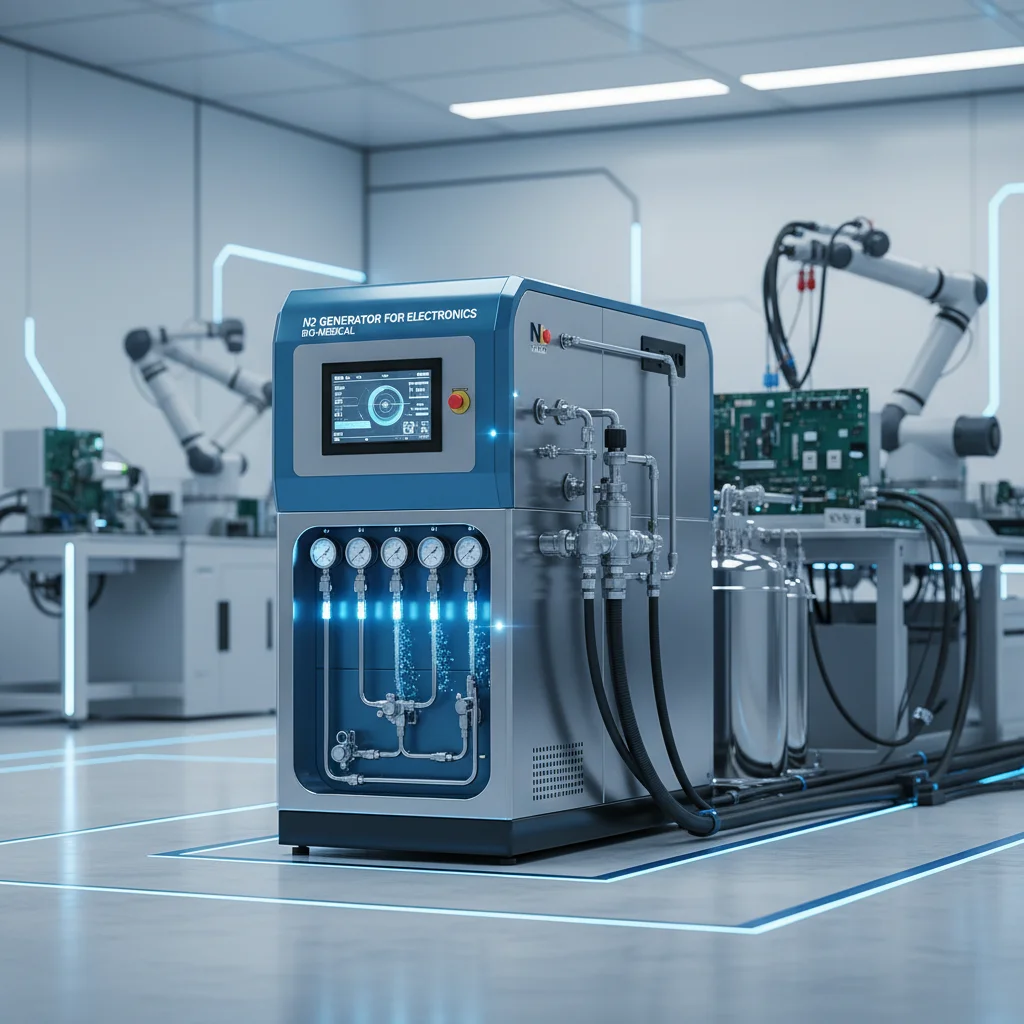
This role is deeply connected to modern industries—like food packaging that uses nitrogen to extend shelf life, semiconductor fabrication requiring ultra-high purity, or even firefighting systems needing inert gas environments. Their work isn't just about production—it’s about meeting nuanced needs efficiently and sustainably.
One key factor is the purity of nitrogen produced, which ranges from 95% to 99.999% depending on application. Medical-grade nitrogen demands stringent purity, while some construction applications tolerate lower purity. Manufacturers must tailor processes accordingly to maintain consistent quality.
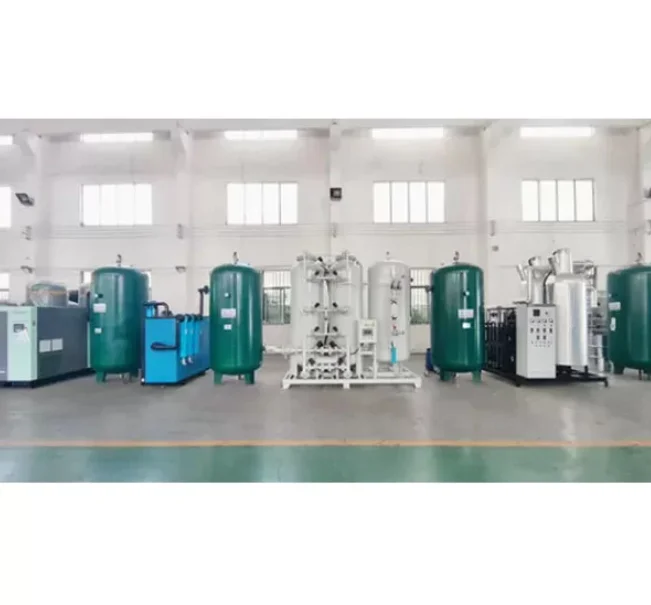
Nitrogen plants come in all shapes and sizes—from compact units for small-scale labs to huge facilities for heavy industry. Manufacturers focus on scalability to fit customer throughput needs without overspending on excessive capacity.
Modern nitrogen producers emphasize energy usage. Technologies like PSA vs. cryogenic distillation have trade-offs; manufacturers often optimize designs to reduce power consumption which also lowers operational costs and carbon footprint.
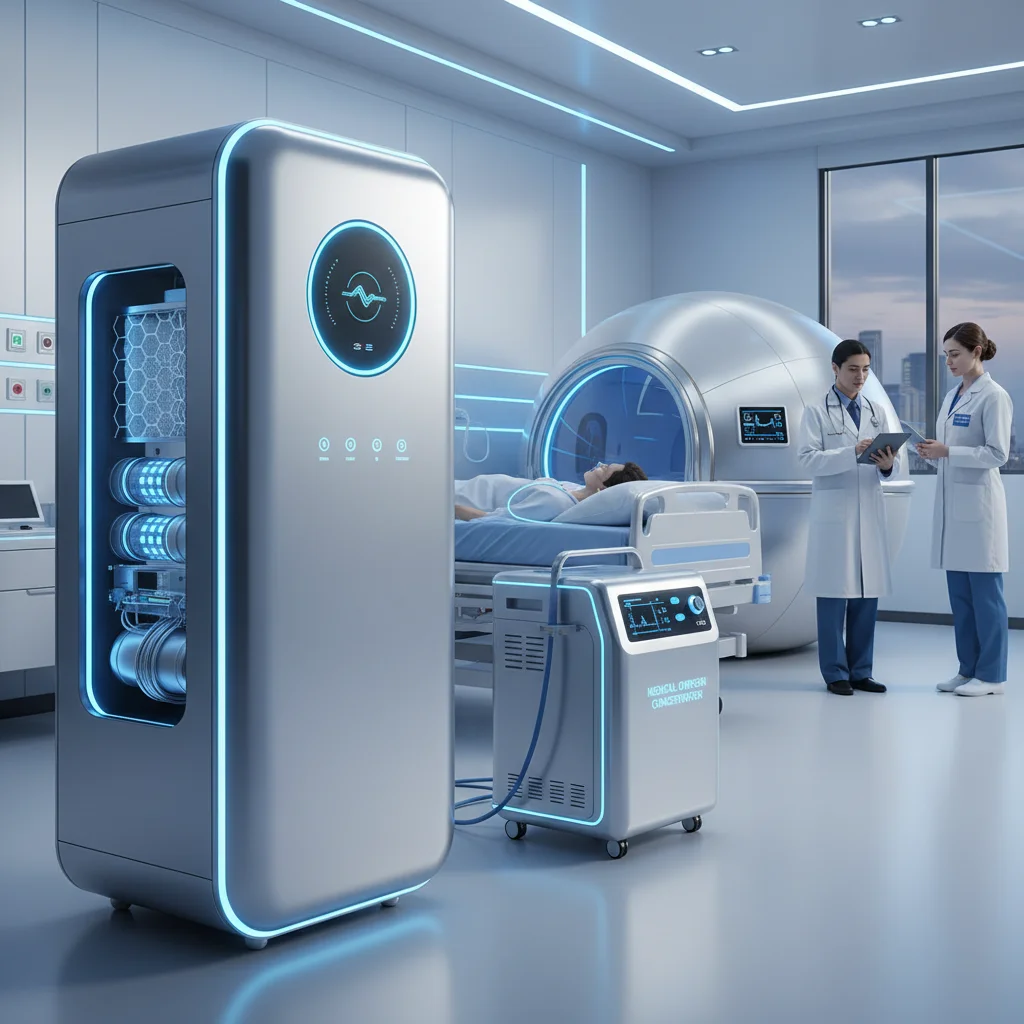
Nitrogen availability is crucial, especially in critical sectors like healthcare or food production. Manufacturers supply plants with smart automation and robust components to ensure near-continuous uptime and easy servicing.
As industries push to cut emissions, nitrogen plant manufacturers integrate eco-friendly materials and disposal methods. Some even incorporate renewable energy sources or waste-heat recovery systems.
| Specification | Standard Range | Notes |
|---|---|---|
| Nitrogen Purity | 95% - 99.999% | Depends on technology & end-use |
| Production Capacity | 10 Nm³/h to several thousand Nm³/h | Scalable by plant design |
| Operating Pressure | 4 - 10 bar gauge | Typical for PSA plants |
| Power Consumption | 0.25 - 0.6 kWh/Nm³ | Varies with process and scale |
| Footprint | Compact to bulky | Customization essential |
For instance, after the 2015 Nepal earthquake, rapidly installed nitrogen plants supported medical oxygen supply and equipment sterilization. This shows the role manufacturers can play in humanitarian contexts—an often overlooked but crucial contribution.
| Manufacturer | Technology Focus | Capacity Range (Nm³/h) | Energy Efficiency | Customization Level |
|---|---|---|---|---|
| AirGas | PSA & membrane | 20 – 2000 | High efficiency | Extensive |
| Praxair (Linde) | Cryogenic distillation | 500 – 10,000+ | Very high, but higher CAPEX | High customization |
| AirSep (Chart Industries) | Modular PSA units | 10 – 1000 | Moderate | Flexibility for small/medium |
Beyond just technical specs, the right nitrogen plant manufacturer provides peace of mind. Dependable nitrogen supply means less downtime, better product quality, and ultimately cost savings. Plus, modern nitrogen plants often align with sustainability goals by reducing reliance on bottled gas deliveries, minimizing transportation emissions.
For many businesses, the emotional security of having a nitrogen source on demand cannot be overstated—especially for hospitals or food producers where safety and shelf-life are paramount. Plus, working with established manufacturers means innovation and support, building trust over time.
There’s quite a buzz about integrating green energy sources—solar or wind—to power nitrogen plants, aiming to decarbonize industrial gas production. Digitalization, too: smart sensors and IoT (Internet of Things) connectivity help monitor system health, optimize production, and schedule preventive maintenance.
On the materials front, carbon-fiber composites are slowly creeping into compressor and membrane tech, potentially increasing efficiency and reducing wear-and-tear. Industry-standard policies (say ISO 10250 for nitrogen) are also evolving to better benchmark performance and emissions.
One challenge is the initial investment cost, especially for cryogenic plants. PSA plants, while cheaper, may have purity limits. Manufacturers are tackling these issues with modular designs allowing gradual capacity expansion and hybrid systems blending tech for optimal cost-performance balance.
Another issue is maintaining consistent nitrogen purity in fluctuating environmental conditions. Advanced controls with adaptive algorithms are becoming a standard fix—sort of “smart plants” thinking on their feet.
In a world increasingly conscious of efficiency, sustainability, and supply-chain resilience, having a trusted nitrogen plant manufacturer by your side is a tangible business advantage. They bring not only gas but confidence, innovation, and customization to complex industrial needs.
If you want to learn more about modern nitrogen plants and how they can uplift your operation, check out this trusted nitrogen plant manufacturer who has the experience and expertise you’re looking for.
In real terms, these plants kind of hum quietly in the background of our most critical industries—but without them, many of the comforts and technologies we rely on wouldn’t exist.