Hit enter to search or ESC to close
3 December 2025
Having spent a good chunk of my career working around heavy industrial equipment, I’ve seen firsthand how integral nitrogen generators paired with air compressors can be to smooth operations. You might say the combo is a bit of an unsung hero — quietly powering everything from food packaging lines to high-tech manufacturing plants. And hell, it’s kind of fascinating once you dig into how they work together.
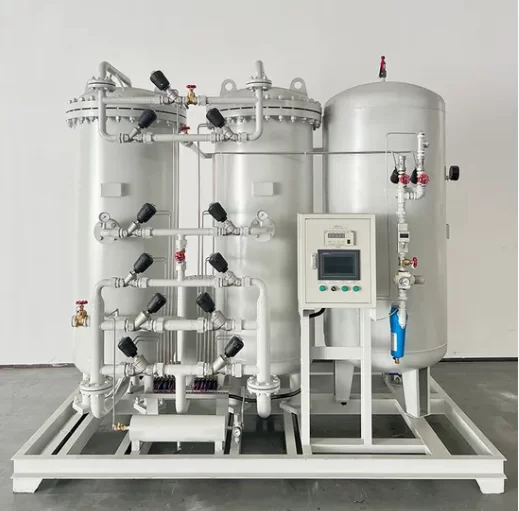
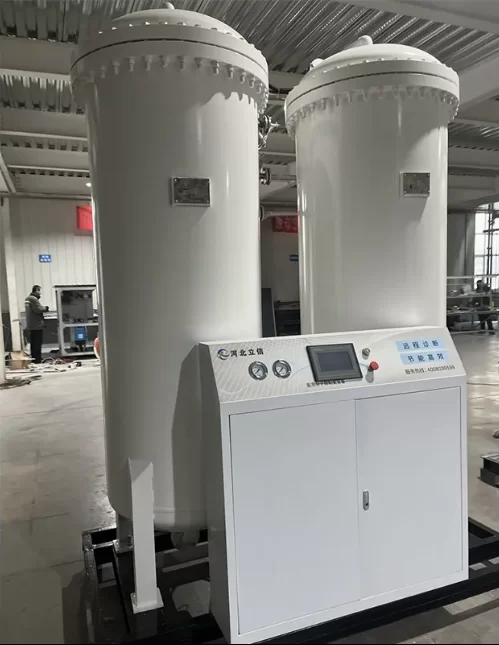
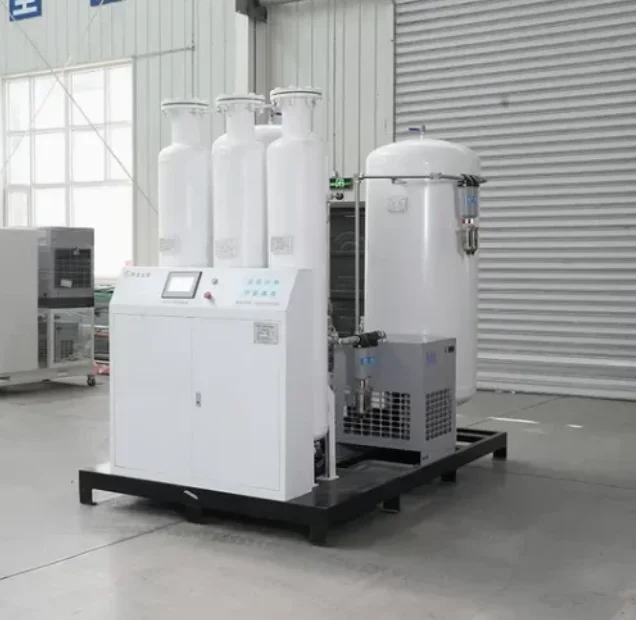
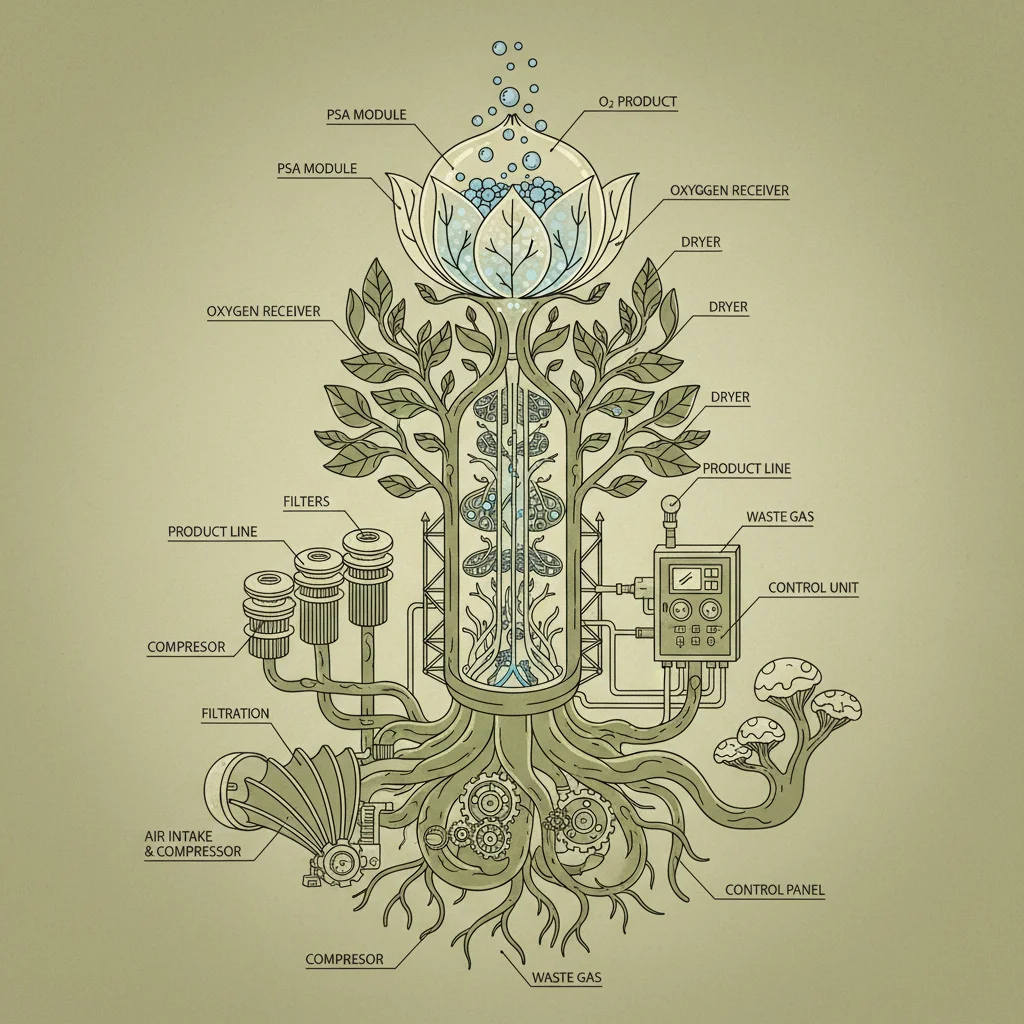
So, what’s really going on here? A nitrogen generator air compressor basically compresses atmospheric air, then runs it through a series of filters and separation membranes (or sometimes PSA technology) to isolate nitrogen gas. Sounds straightforward, but the devil’s in the engineering details. The better the compressor runs quietly and steadily, the more reliable the nitrogen output you get. And frankly, in many plants, that reliability’s non-negotiable.
Oddly enough, even though this tech is industrial standard, there’s still a surprising amount of variation in design quality. Some units can be noisy beasts requiring lots of maintenance; others — the newer breed — really emphasize energy efficiency and clean operation. I noticed that the trend lately is pushing towards more modular generators that adapt well to varied site conditions.
| Specification | Details |
|---|---|
| Compressor Type | Oil-lubricated rotary screw |
| Output Nitrogen Purity | 95% - 99.999% |
| Operating Pressure | 4 - 10 bar (60 - 150 psi) |
| Flow Rate | From 10 to 100 Nm³/hr |
| Energy Consumption | 0.25 to 0.35 kWh/Nm³ |
| Control System | PLC with touchscreen interface |
To get a clearer picture, I compared a few prominent suppliers known in the nitrogen generation arena. There’s a surprising range not just in specs but also in after-sales support — something that, honestly, can make or break daily operation for many plant managers.
| Vendor | Energy Efficiency | Warranty | Special Features | Price Range |
|---|---|---|---|---|
| StoreOxygen | High (≤0.3 kWh/Nm³) | 3 years | Modular design, remote monitoring | Mid-Range |
| NitroTech | Medium (0.35 kWh/Nm³) | 2 years | Compact units, fast startup | Mid-Range |
| AirPure | Lower (≥0.4 kWh/Nm³) | 1 year | Basic features, cost-focused | Budget |
I vaguely recall a customer once telling me that switching from a conventional gas cylinder supply to an on-site nitrogen generator coupled with a quality air compressor cut their production stoppages by almost half. That sort of practical return on investment, plus avoiding the logistics headache of gas deliveries, makes the technology a wise choice. Plainly put, for anyone in manufacturing or process tech industries, it’s worth exploring. Of course, matching the specs carefully to your usage scenario is crucial — no one-size-fits-all here.
In terms of build, the compressors typically utilize robust steel housings with corrosion-resistant coatings, because frankly, the environment inside a plant is less than gentle. The filtration stages use activated carbon and molecular sieves to make sure the nitrogen is ultra-pure before it hits your system. And the automated control panels? They’ve gotten smarter over the years to allow remote diagnostics — a big help when you’re spread across multiple sites.
Honestly, if you’re just starting to look into nitrogen generation systems, I’d recommend focusing early on matching energy consumption rates and understanding how modular or scalable the system is. This stuff gets easier to upgrade or service if you plan ahead.
So yeah, a well-chosen nitrogen generator air compressor can feel like a quiet partner in your plant’s success. Kind of invisible but deeply appreciated when it all runs smoothly, you know?
—
References:
1. Industrial Gas World Reports, 2023 edition
2. StoreOxygen product manuals and customer testimonials
3. “Advanced Nitrogen Generation in Manufacturing,” TechSpec Journal, 2022