Hit enter to search or ESC to close
3 December 2025
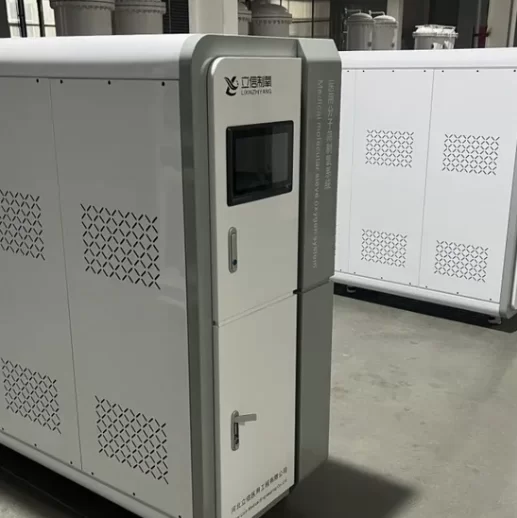
Having spent a good chunk of my career around industrial gas generation equipment, it's frankly fascinating how nitrogen generation via pressure swing adsorption nitrogen generation has quietly become a staple in so many industries. You might think, “Isn’t nitrogen just nitrogen?” Well, yes and no. While nitrogen is abundant in the atmosphere, capturing it efficiently on-site without buying bulky cylinders or dealing with logistics really changes the game.
Many engineers I’ve worked with swear by pressure swing adsorption (PSA) technology for its blend of reliability, cost-effectiveness, and control. Oddly enough, what feels like a “simple” technology is actually a dance of materials science, pressure management, and timing — all orchestrated to separate nitrogen out of air.
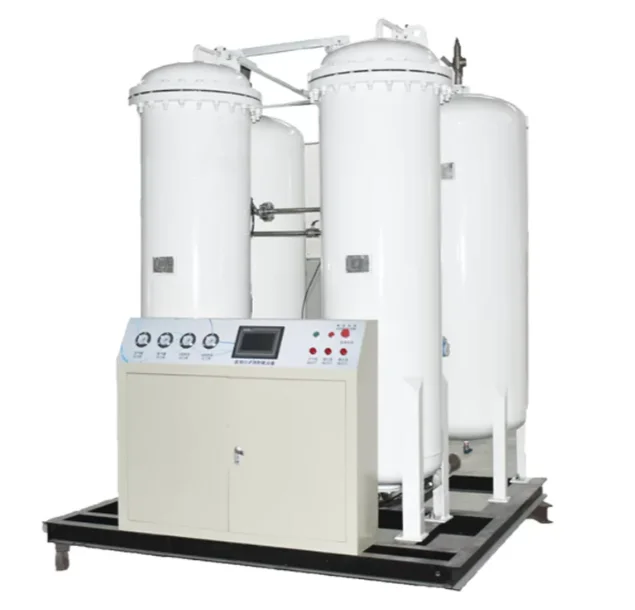
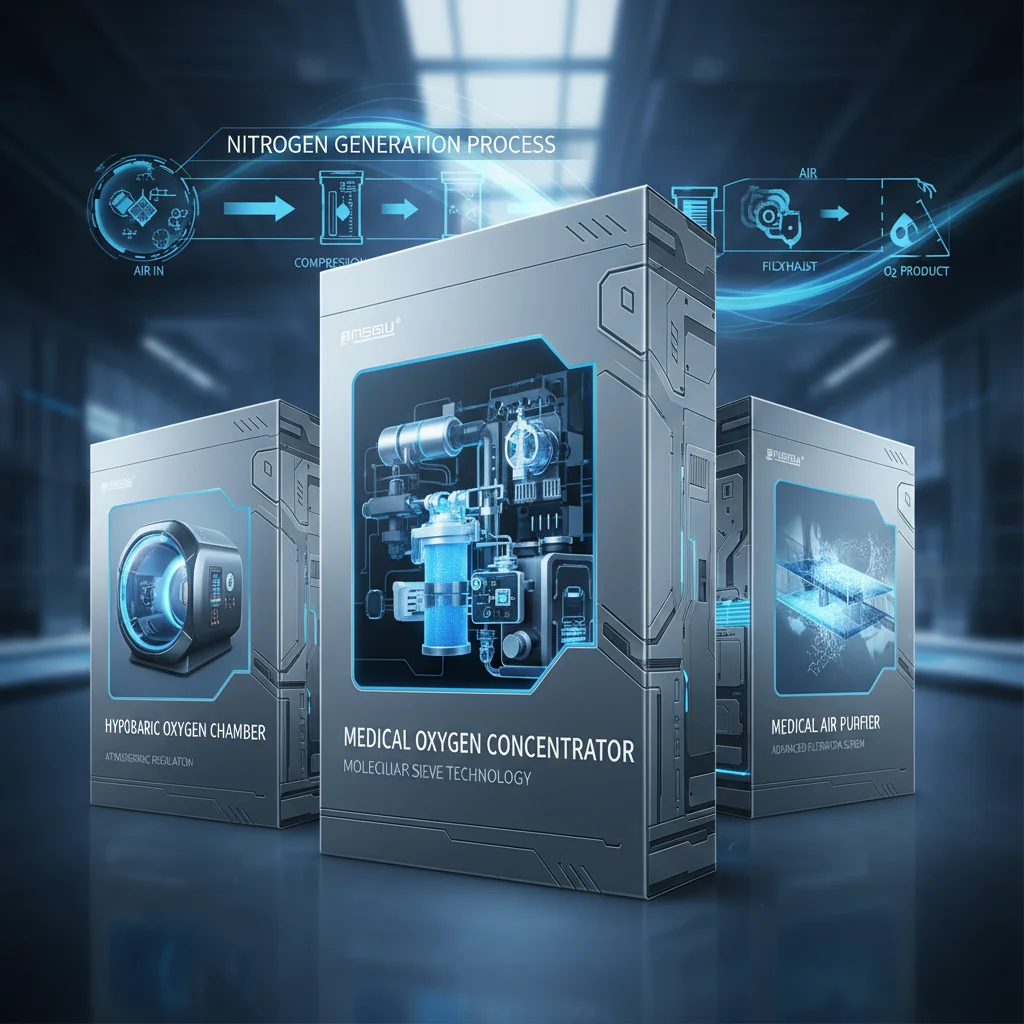
Here’s the gist: PSA units cycle between pressurizing feed air and depressurizing adsorbent vessels filled with carbon molecular sieves. The sieves capture oxygen and other trace gases, letting nitrogen pass through to the output stream. Then the vessel switches states to regenerate the sieves. This swinging cycle ensures a near-continuous nitrogen supply, which in real terms means less downtime and leaner operations.
| Specification | Typical Value |
|---|---|
| Nitrogen Purity | 95% – 99.999% |
| Flow Rate | 5 – 1000+ Nm³/hr |
| Operating Pressure | 4 – 8 bar (g) |
| Power Consumption | 1.5 – 3 kW per 100 Nm³/hr |
| Footprint | Compact, varies by model |
What strikes me most about these systems is how hands-on they remain. You need regular checks on the molecular sieve condition, valve timing, and feed air filtration. I've seen cases where simple disregard for a dirty filter led to performance drops and costly downtime — a little attention goes a long way.
Customization is another area that’s both an art and a science. Customers often want their nitrogen purity tweaked depending on their use — ranging from food packaging that mostly needs 95% purity, to more demanding electronics manufacturing that calls for ultra-high purity (99.999%+). The beauty of PSA is in that flexibility. Sometimes, combining PSA with downstream purification or storage tanks makes all the difference.
Speaking of vendors, I’ve compared a few leading PSA nitrogen generator manufacturers over the years. Here’s a quick rundown, based on my experience and industry buzz:
| Feature | Vendor A | Vendor B | Vendor C |
|---|---|---|---|
| Nitrogen Purity Range | 95% – 99.999% | 90% – 99.9% | Up to 99.999% |
| Energy Efficiency | High | Moderate | High |
| Service & Support | Global Network | Regional Only | Global Network |
| Modular Options | Yes | Limited | Yes |
| Price Range | Mid to High | Low to Mid | Mid to High |
One firm that keeps popping up in conversations and on-site visits is the provider behind pressure swing adsorption nitrogen generation technology. Their designs often incorporate user feedback to improve operational intuitiveness. That’s something I really respect — equipment that’s built around real-world conditions, not just specs on paper.
Just last year, I visited a food packaging plant that swapped cylinder nitrogen deliveries for a PSA system. The plant manager told me it cut their nitrogen costs nearly in half and eliminated delivery delays. It’s one thing to crunch numbers, but seeing that impact first-hand stuck with me — in situations like these, PSA really shines.
To wrap it up, if you are on the fence about choosing or upgrading your nitrogen supply, PSA-based nitrogen generators are an option to seriously consider. They offer a compelling mix of flexibility, purity, and cost savings. Just remember: proper maintenance and a good vendor relationship are key to long-term success.
— For those interested, I keep a close ear to industry updates and have harvested insights from various manufacturers, international plant visits, and years at the coalface.
References: