Hit enter to search or ESC to close
9 March 2026
Nitrogen compressor machines are essential pieces of equipment across diverse industries, from food packaging and pharmaceuticals to electronics manufacturing and metal fabrication. These machines produce high-purity nitrogen gas, a versatile non-reactive gas used for a multitude of applications. This article will delve into the workings, types, applications, and key considerations when selecting a nitrogen compressor machine. We'll explore how to choose the right compressor for your specific needs, ensuring efficiency, reliability, and safety.
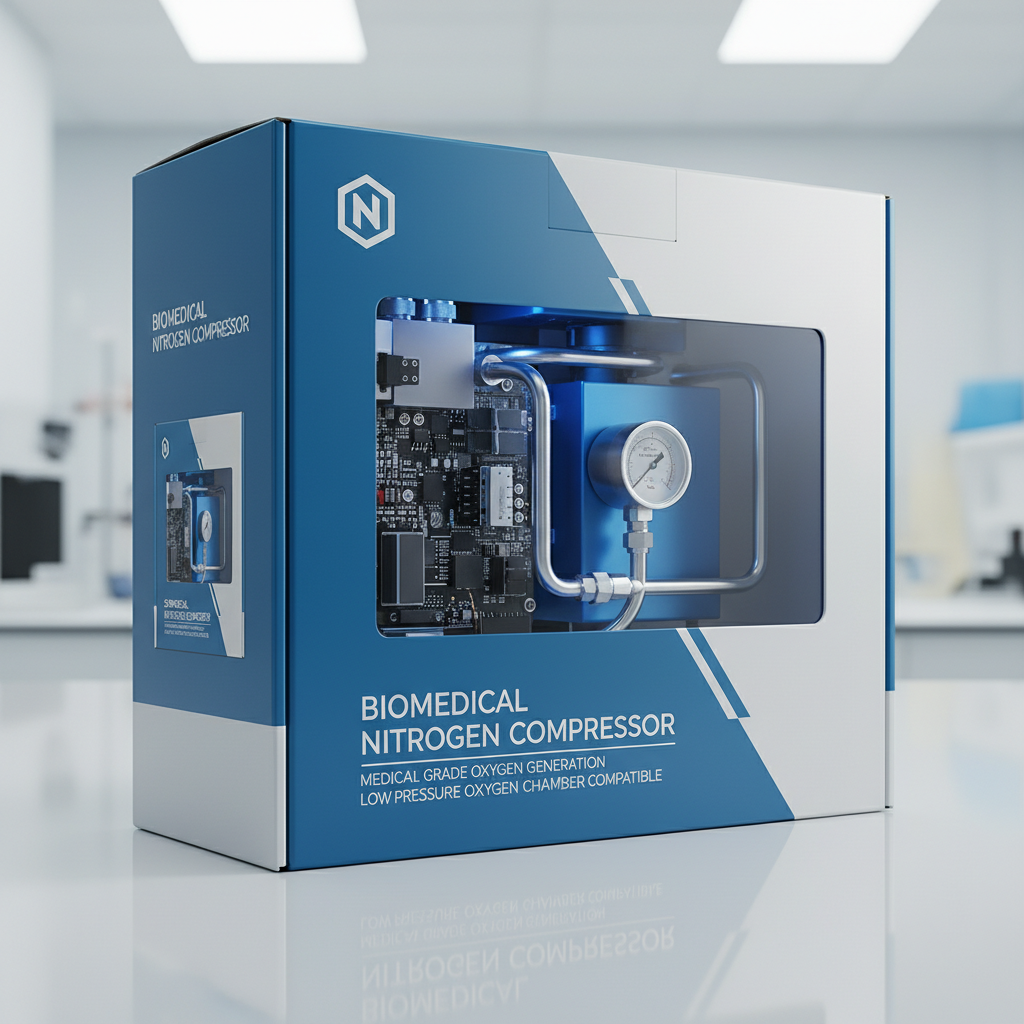
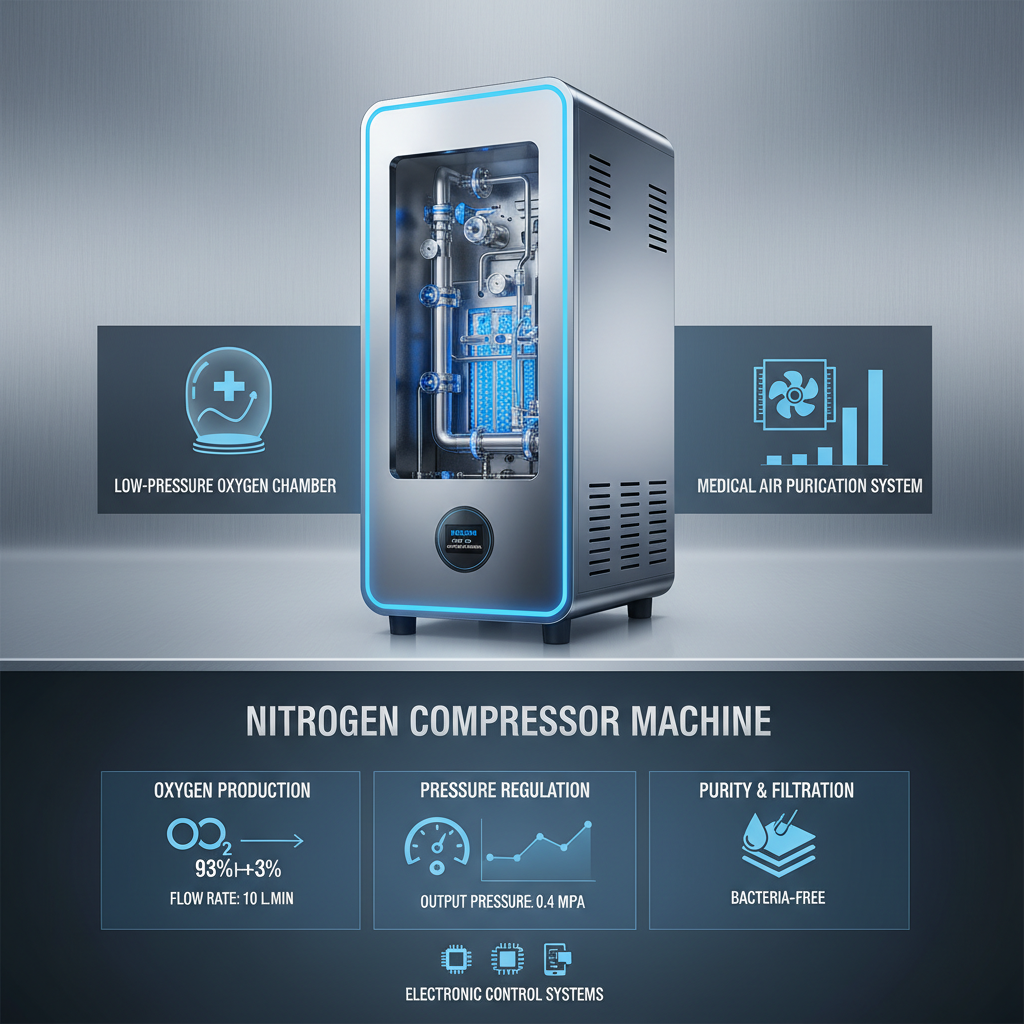
Nitrogen compressor machines don’t actually ‘create’ nitrogen, they compress existing atmospheric air, then separate the nitrogen from other gases like oxygen and argon. Most machines employ Pressure Swing Adsorption (PSA) technology. Air is drawn into the compressor, and a specialized filter removes impurities like dust and moisture. The compressed air then passes through a vessel containing a material (typically carbon molecular sieves) that selectively adsorbs other gases, leaving behind high-purity nitrogen. The adsorbed gases are periodically released, regenerating the material for continued operation. This continuous cycle provides a consistent supply of nitrogen gas.
Key Points: Nitrogen compressors rely on PSA technology to separate nitrogen from air. They don't generate nitrogen from scratch, but rather concentrate it from the atmosphere.
Several types of nitrogen compressor machines cater to different application demands. The most common include:
Nitrogen Compressor Comparison:
• Piston: Low Flow, Intermittent Use, Affordable
• Scroll: High Efficiency, Quiet, Continuous Use
• Screw: High Capacity, Large Volumes
• Membrane: Compact, Efficient, Small Scale
The applications for nitrogen gas generated by these compressors are incredibly diverse. Some of the most prominent include:
Selecting the right nitrogen generator for your application requires careful consideration of flow rate, purity requirements, and operating environment.
Selecting the appropriate nitrogen compressor involves evaluating several crucial factors. These include:
Regular maintenance is vital for ensuring the longevity and efficient operation of your nitrogen compressor. Key maintenance tasks include:
Investing in a quality nitrogen compressor machine is a strategic decision for businesses requiring a reliable source of nitrogen gas. By carefully evaluating your needs, selecting the appropriate type of compressor, and implementing a preventative maintenance program, you can ensure optimal performance, cost-effectiveness, and safety. Explore the wide range of options available at StoreOxygen.com to find the perfect solution for your specific application.
While both produce nitrogen gas, they operate differently. A nitrogen generator separates nitrogen from compressed air using PSA technology, requiring an existing compressed air supply. A nitrogen compressor, on the other hand, compresses atmospheric air and separates the nitrogen within the same unit. Nitrogen generators are often more energy-efficient for large-scale, continuous production, whereas compressors offer flexibility and are suitable for smaller applications or where a compressed air source isn't available. They both ultimately achieve the same goal: providing a source of nitrogen gas.
The cost of a nitrogen compressor machine varies significantly depending on factors like flow rate, purity level, compressor type, and brand. Smaller piston compressors can start around $2,000, while high-capacity screw compressors can exceed $20,000. Ongoing costs include electricity consumption, maintenance, and filter replacements. Obtaining quotes from multiple suppliers and considering the total cost of ownership is crucial when budgeting for a nitrogen compressor.
Nitrogen gas is an asphyxiant, meaning it can displace oxygen and cause suffocation in enclosed spaces. Always ensure adequate ventilation when operating a nitrogen compressor. Never enter a confined space without proper training and monitoring equipment. Regularly inspect hoses and connections for leaks. Follow the manufacturer's safety guidelines and wear appropriate personal protective equipment (PPE), such as safety glasses and gloves. Store the compressor in a well-ventilated area away from flammable materials.