Hit enter to search or ESC to close
16 April 2026
In the modern industrial landscape, the demand for high-purity nitrogen has surged across various sectors. Relying on traditional cylinder deliveries can be costly, risky, and inefficient. Transitioning to nitrogen generators for industrial applications allows businesses to produce their own gas on-site, ensuring a continuous supply and significant cost reduction. Whether it is for food packaging, electronics manufacturing, or chemical processing, an on-site generation system provides unparalleled control over purity and flow. This guide explores how these systems work and why they are essential for operational excellence.
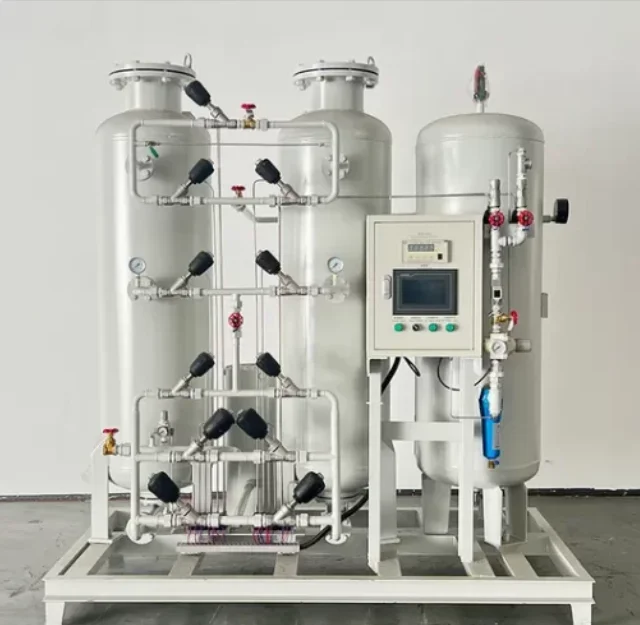
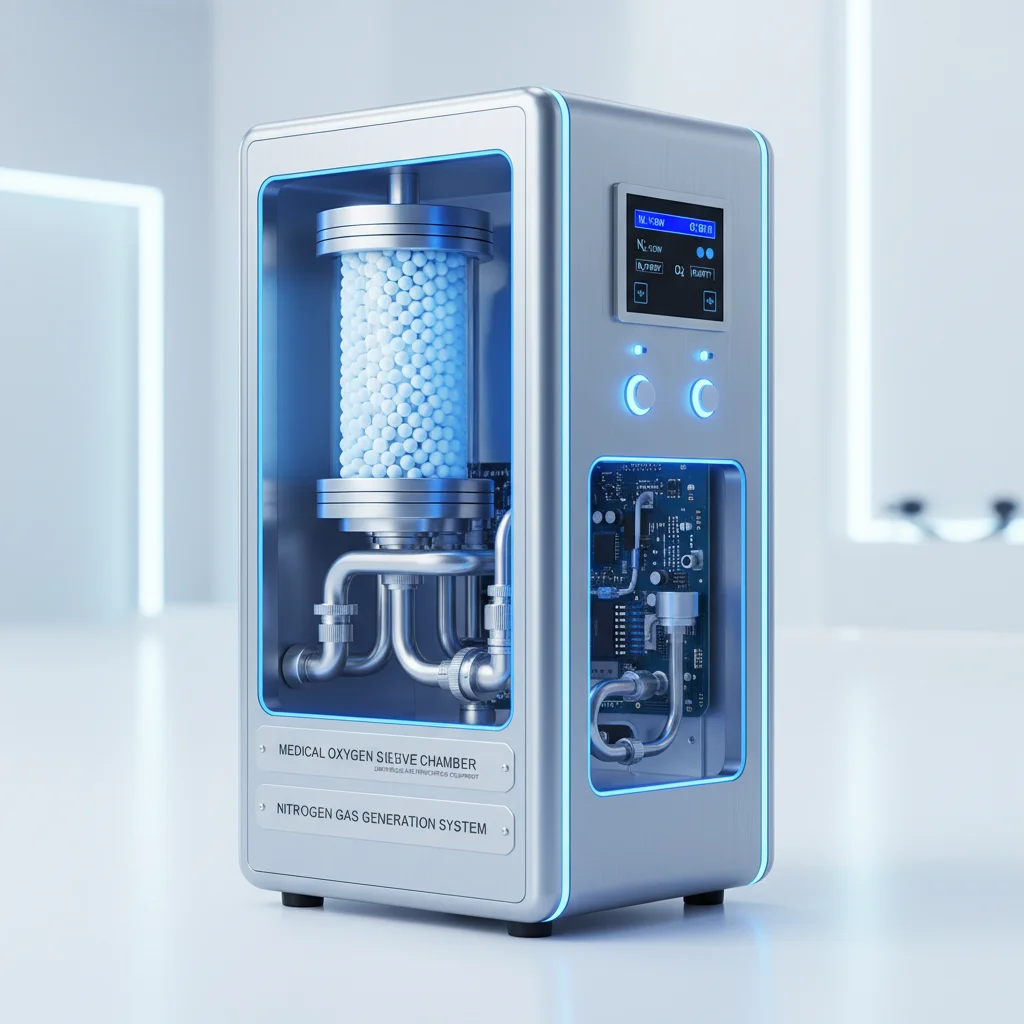
Most industrial nitrogen generators utilize one of two primary technologies: Pressure Swing Adsorption (PSA) or Membrane Separation. PSA systems use a carbon molecular sieve to trap oxygen molecules under pressure, allowing pure nitrogen to pass through. In contrast, membrane systems utilize semi-permeable fibers that separate oxygen and water vapor from nitrogen based on molecular size and diffusion rates. By implementing nitrogen generators for industrial applications, companies eliminate the logistics of liquid nitrogen trucking and the safety hazards associated with high-pressure tanks.
Pro Tip: Choosing between PSA and Membrane depends on your required purity levels. PSA is typically better for ultra-high purity (up to 99.999%), while Membranes are ideal for moderate purity and compact installations.
When evaluating nitrogen generators for industrial applications, it is vital to understand the trade-offs between the two main technologies. PSA systems are generally more energy-efficient for high-volume, high-purity needs, whereas membrane systems offer a "plug-and-play" simplicity with fewer moving parts. The following table provides a detailed comparison to help you determine which system aligns with your production goals.
The versatility of nitrogen generators for industrial applications makes them indispensable across multiple sectors. In the food industry, nitrogen is used for "Modified Atmosphere Packaging" (MAP) to displace oxygen and prevent oxidation, thereby extending shelf life. In the electronics sector, it creates an inert environment for soldering to prevent component oxidation. Additionally, the oil and gas industry relies on nitrogen for purging pipelines and blanketing storage tanks to prevent explosions. By controlling the gas source, companies ensure consistent quality across every batch of production.
Switching to nitrogen generators for industrial applications transforms a variable operational expense into a fixed capital investment. Companies no longer pay for the transportation of gas, the rental of cylinders, or the "lost" gas that evaporates from liquid tanks. Over a period of 18 to 36 months, most facilities find that the system pays for itself through reduced procurement costs. Furthermore, the removal of delivery schedules reduces downtime and prevents production halts caused by supply chain delays.
Financial Advantages:
• Elimination of monthly cylinder rental fees
• Reduction in transportation and logistics costs
• Lower risk of workplace accidents related to tank handling
• Predictable cost per cubic meter of gas
To select the right model of nitrogen generators for industrial applications, engineers must consider flow rate, required purity, and power availability. A system designed for a small laboratory differs vastly from one designed for a steel mill. Most professional systems include integrated air compressors, dryers, and storage tanks to ensure a steady stream of gas. Below are the typical specifications found in mid-to-high range industrial generators.
Investing in nitrogen generators for industrial applications is more than just a cost-saving measure; it is a strategic move toward operational independence. By eliminating reliance on external gas suppliers, companies can scale their production without fearing supply shortages or price volatility. Whether you prioritize the high purity of PSA or the compactness of Membrane systems, on-site generation provides the reliability and safety required for 21st-century manufacturing. Embrace the efficiency of self-sufficiency and optimize your industrial workflow today.
The primary advantage is the elimination of supply chain dependency and recurring delivery costs. Liquid nitrogen tanks suffer from "boil-off" losses, where gas is wasted even when not in use. On-site nitrogen generators produce gas only when needed, removing the danger of handling cryogenic liquids and the logistical headache of scheduling deliveries. This leads to a significantly lower total cost of ownership (TCO) over the lifespan of the equipment.
Purity requirements depend entirely on your specific process. For basic tire inflation or simple blanketing, 95% to 99% purity (often achievable via membrane systems) is sufficient. However, for laser cutting, pharmaceutical grade packaging, or high-end electronics, you typically need 99.9% to 99.999% purity, which requires a PSA system. We recommend analyzing your product specifications or consulting with an expert at storeoxygen.com to avoid over-investing in purity you don't actually need.
Yes, they are generally more sustainable than traditional methods. By producing nitrogen on-site, you drastically reduce the carbon footprint associated with the heavy trucking of gas cylinders and liquid tankers. Additionally, since nitrogen is a natural component of the air we breathe (approximately 78%), the generation process simply separates existing air components without introducing harmful chemicals into the environment, making it a "green" alternative for industrial gas procurement.
Maintenance requirements vary by technology. Membrane systems are very low maintenance, typically requiring only the replacement of pre-filtration elements every 6 to 12 months to protect the membranes from oil and moisture. PSA systems have more moving parts, such as pneumatic valves, which may require inspection and seal replacement every 1-2 years. Regular monitoring of the air compressor and dryer is also essential to ensure the feed air is clean and dry, which maximizes the lifespan of the generator.