Hit enter to search or ESC to close
23 November 2025
In our fast-paced industrial world, oxygen isn’t just something we breathe; it's a vital tool fueling industries, healthcare, and even humanitarian aid. An industrial oxygen gas plant is essentially a facility designed to produce oxygen gas at large scales—think of it as the heartbeat behind everything from steel production to emergency medical care in remote areas. Given global demands, understanding these plants isn’t just useful—it’s crucial.
Today, whether it’s mitigating the oxygen shortage in hospitals during a pandemic or powering chemical plants, knowing how industrial oxygen is produced and delivered affects billions. Plus, with rising environmental concerns, efficient and eco-friendly oxygen production plants are becoming a game-changer worldwide.
The global market for industrial oxygen is booming—expected to hit over USD 15 billion by 2028 according to recent industry reports. This increase isn’t random. The World Bank and UN data highlight rapid urbanization, infrastructural growth, and heightened healthcare demands as key drivers. Oxygen, once considered a niche industrial commodity, is now central to everything from welding factories in Asia to life-saving equipment in sub-Saharan Africa.
But here’s the hitch: many regions still face oxygen scarcity, especially in emergencies or harsh industrial environments. Industrial oxygen gas plants aim to fill this gap by providing reliable, on-site oxygen generation tailored to varying needs—cutting transportation headaches and delays.
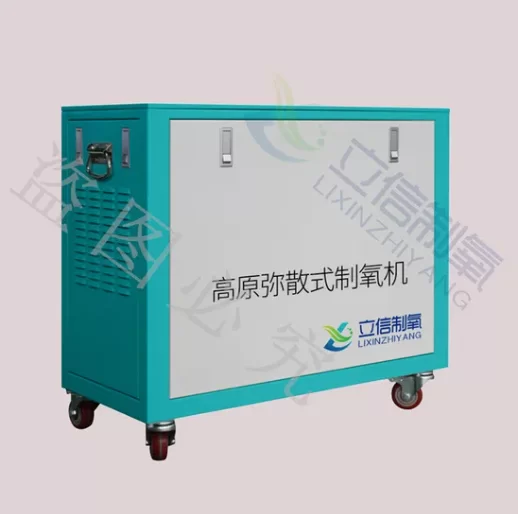
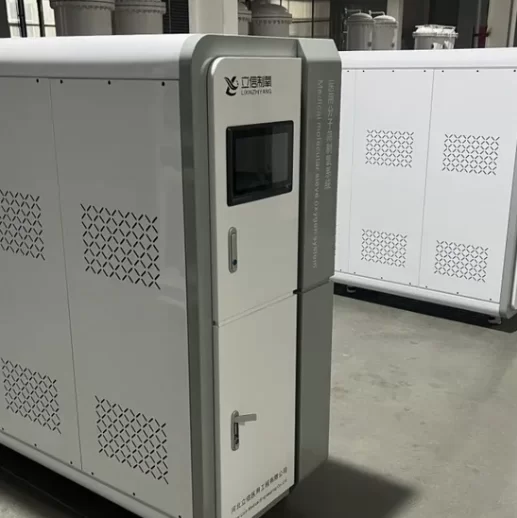
Simply put, an industrial oxygen gas plant is a setup that extracts oxygen from atmospheric air and produces it in its pure gas form, usually 90-99.5% pure. The technology involves pressure swing adsorption (PSA), cryogenic distillation, or vacuum pressure swing adsorption (VPSA), each suited for different capacity and purity needs.
Aside from industries like metallurgy, welding, glass manufacturing, and chemicals, these plants are also vital in healthcare—think hospitals suddenly needing a surge of medical oxygen or disaster relief setups in remote zones where supply chains fall short.
It’s these crucial elements working in concert that make industrial oxygen gas plants so dependable. Frankly, a plant without robust automation or efficient compressors is like a car without a good engine.
From sprawling steelworks in India to remote COVID hospitals in Eastern Europe, these plants deliver the lifeblood of critical processes. For example:
| Specification | Typical Range | Remarks |
|---|---|---|
| Oxygen Purity | 90% – 99.5% | Depends on tech (PSA vs. Cryogenic) |
| Production Capacity | 0.5 to 200+ Nm³/hr | Customizable to facility size |
| Power Consumption | 50 – 150 kW | Varies by model and capacity |
| Installation Space | 10 – 100 m² | Depends on integration |
| Operational Life | 15–25 years | With proper maintenance |
Beyond the obvious convenience, industrial oxygen gas plants bring lasting benefits:
So, it’s not just industrial muscle we're talking about—it’s a mix of economic sense and social responsibility. I find that especially compelling.
The future of industrial oxygen gas plants feels electric in many ways. Automation using AI for predictive maintenance is becoming standard. Also, integration with green energy sources like solar or wind allows these plants to run almost carbon neutrally—a huge step forward.
Another noteworthy trend is modular, skid-mounted plants that can be quickly shipped and installed—ideal for fast response in pandemics or disaster zones. So the plants themselves are evolving from static infrastructure to nimble, adaptable systems.
Of course, operation isn’t always smooth. Challenges include high initial investment, skilled operator requirements, and maintenance hassles—especially in harsher climates.
But clever engineering helps: remote monitoring software allows quick troubleshooting, better materials reduce corrosion, and versatile designs mean the plant can scale or retrofit with ease. Many engineers say the key is not just building the plant, but creating a robust, ongoing support system for operators.
| Vendor | Capacity Range (Nm³/hr) | Technology | Notable Feature |
|---|---|---|---|
| OxyGenPro | 1 - 150 | PSA | AI-assisted predictive maintenance |
| CryoTech Systems | 50 - 500+ | Cryogenic Distillation | High purity (99.99%) for specialty industries |
| VPSA Solutions | 5 - 200 | Vacuum PSA | Energy-saving vacuum regeneration system |
A1: Installation time depends on capacity and complexity but generally ranges from 4 to 12 weeks. Modular plants can be set up faster, sometimes in as little as 2 weeks, making them ideal for urgent needs.
A2: While the initial cost can be high, operational costs are relatively low, especially when factoring in savings from reduced oxygen transportation and bulk supply costs. Regular maintenance improves efficiency and lifespan.
A3: Absolutely. Many industrial oxygen gas plants are designed to work in remote areas using solar panels, biofuels, or diesel generators, enabling continuous production even where grid power is unreliable.
A4: Safety is paramount—with features like overpressure relief valves, automatic shutdown systems, leak detectors, and robust storage tank design. Vendors also provide strict operational training to plant staff.
To sum up, industrial oxygen gas plants are quietly shaping the future of manufacturing, healthcare, and emergency response worldwide. They offer a blend of technological innovation, economic prudence, and social responsibility that’s tough to beat. If oxygen is the breath of life, these plants are the lungs that keep industries and communities alive and thriving.
If you want to explore advanced solutions or customize one to your needs, don’t hesitate to visit our industrial oxygen gas plant portal for detailed insights and support.
Mini takeaway: Embracing on-site oxygen generation means better control, greater sustainability, and a direct hand in building stronger industries and healthier societies everywhere.