Hit enter to search or ESC to close
24 November 2025
If you’ve ever wondered how industries or hospitals get the pure oxygen they need in liquid form, the heart of it is the liquid oxygen production plant. It’s one of those unsung heroes of modern infrastructure that touches everything from healthcare to metal fabrication. With the world’s increasing focus on sustainability and medical readiness, grasping how these plants work and why they’re critical is more important than ever.
In simple terms, these plants liquefy air to separate oxygen, producing pure liquid oxygen efficiently and safely. This helps hospitals run ventilators and oxygen tanks, supports steel-making, and even aids in space exploration. So whether it’s saving lives or making the wheels of industry turn, the impact is global and profound.
According to the World Bank, global industrial oxygen demand is expected to grow steadily by around 5% annually over the next decade. The United Nations’ Sustainable Development Goals (SDGs), particularly those on good health and clean energy, align directly with oxygen production and use. Yet here’s the rub: many regions still struggle with oxygen scarcity, especially during crises like the COVID-19 pandemic where hospitals faced catastrophic shortages worldwide.
A well-functioning liquid oxygen production plant can bridge these gaps — producing oxygen on site rather than relying on expensive imports or unstable supplies. The ability to rapidly deploy efficient plants in disaster-affected or remote areas isn’t just a luxury; it’s a lifesaver. But these facilities also face huge challenges: energy costs, infrastructure complexity, and regulatory hurdles.
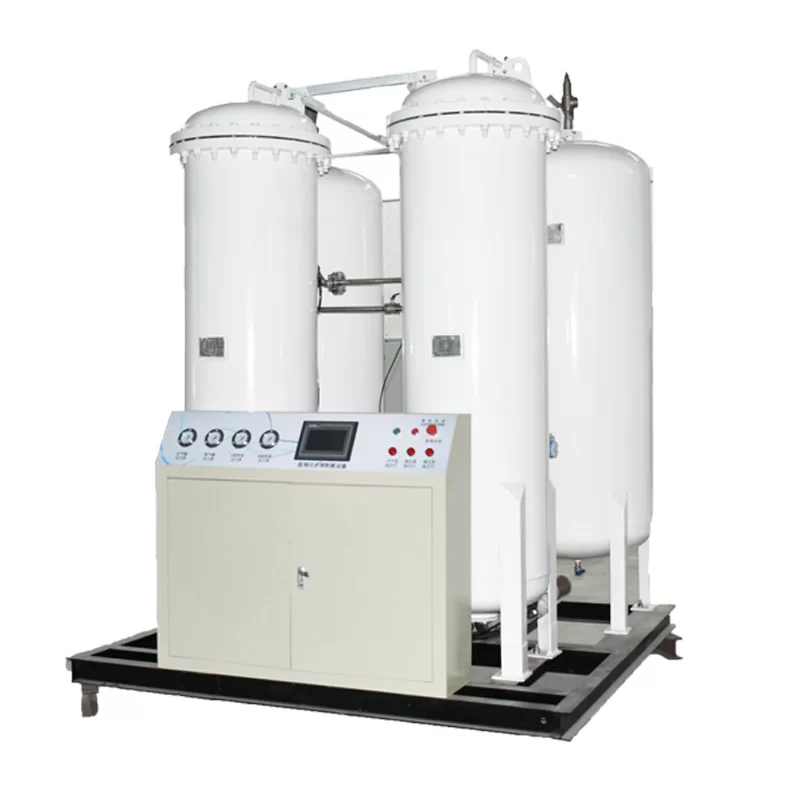
At its core, a liquid oxygen production plant is a facility designed to extract oxygen from atmospheric air and convert it into a liquid form at cryogenic temperatures (below -183°C). This liquid oxygen is stored under pressure for easy transport and use.
Why liquid? Because oxygen in liquid form takes up roughly 1/860th the volume it would as a gas, making storage and delivery far more practical — especially where space and logistics matter.
From hospitals sustaining critically ill patients to aerospace companies fueling rockets, these plants’ output is crucial. Modern industrial and humanitarian systems increasingly rely on their availability and reliability.
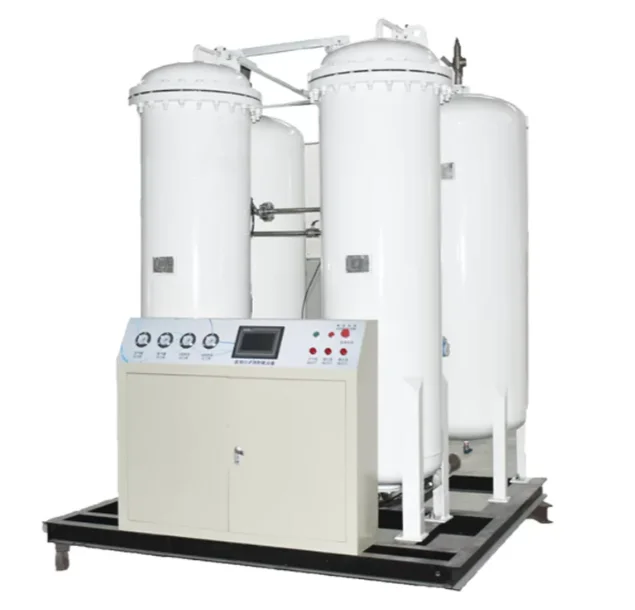
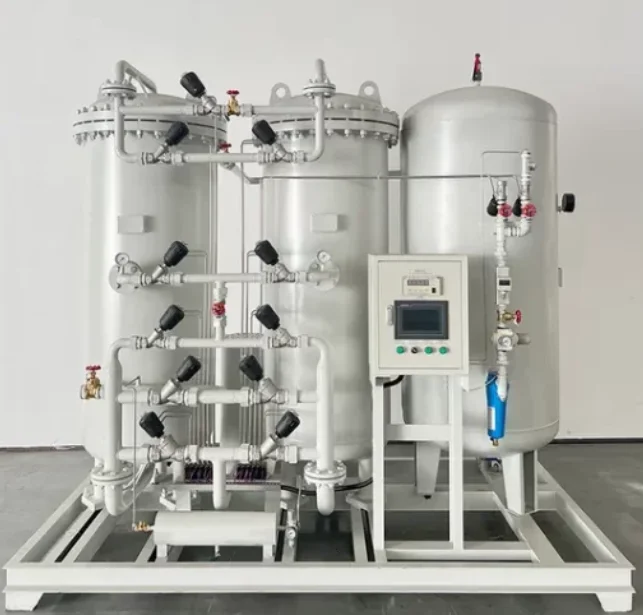
Roughly speaking, these systems intake ambient air and compress it to high pressures. Many engineers will tell you the quality and efficiency of this first step set the tone for the entire plant.
Before liquefying, the compressed air is scrubbed perfectly clean — removing carbon dioxide, moisture, and hydrocarbons that could freeze or damage the plant.
This is where the magic happens. Using gradually cooling columns and heat exchangers, air components separate by boiling points. Oxygen liquefies and gets collected here.
Once liquefied, oxygen is stored in insulated tanks to maintain low temperatures. From here, it’s piped out or transferred into tankers.
Plant operators depend on automated control panels, sensors, and failsafe mechanisms — because any error at cryogenic temps can be dangerous, both economically and physically.
Mini takeaway: Each component plays a vital role in turning plain air into life-saving liquid oxygen. Roughly, it's like a high-tech orchestra that must play perfectly in sync.
Liquid oxygen production plants are found across multiple sectors:
Oddly enough, while the tech looks high-end, in many remote communities, such plants represent a practical, reliable solution to chronic medical supply shortages. It’s a blend of technology and human need that feels almost poetic.
| Feature | Typical Range | Notes |
|---|---|---|
| Production Capacity | 100 - 5000 Nm³/hr | Flexible scale for hospital or industrial needs |
| Purity Level | ≥ 99.5% | Meets ISO 9939 standards for medical oxygen |
| Power Consumption | 500 - 4500 kW | Depends heavily on plant size and compressor efficiency |
| Storage Tank Capacity | 5,000 - 50,000 liters | Cryogenic insulated vessels |
| Automation Level | Semi to fully automated | Remote monitoring options available |
| Vendor | Typical Capacity | Energy Efficiency | Unique Feature | Price Range (USD) |
|---|---|---|---|---|
| OxyMaster | 500–2500 Nm³/hr | High (up to 90%) | Modular design for rapid deployment | $1M - $3.5M |
| CryoTech Inc. | 1000–5000 Nm³/hr | Medium (85%) | Industry leading safety systems | $2M - $5M |
| GreenOx Solutions | 300–1500 Nm³/hr | Very High (95%) | Green energy integration | $1.5M - $4M |
What sets liquid oxygen plants apart is their unparalleled combination of cost-effectiveness, reliability, and social impact. Hospitals often report lowered oxygen costs and increased availability when they operate their own plants. The dignity of uninterrupted healthcare, especially in low-resource settings, is a powerful motivator.
From an environmental perspective, newer plants harness energy-efficient compressors and increasingly integrate with renewable energy sources, cutting carbon footprints substantially — a big plus for companies chasing sustainability certifications.
Frankly, the trust communities place in local oxygen production can’t be overstated. It's often the difference between panic and preparedness during health emergencies.
Innovation is alive and well. One exciting area is digital transformation — many plants now come equipped with IoT sensors and remote diagnostics, enabling predictive maintenance that minimizes downtime.
Another trend is coupling these plants with green energy: solar-powered compression units or waste heat recovery systems are increasingly popular. Imagine a facility that not only produces oxygen but does so with near-zero carbon emissions. We’re getting there.
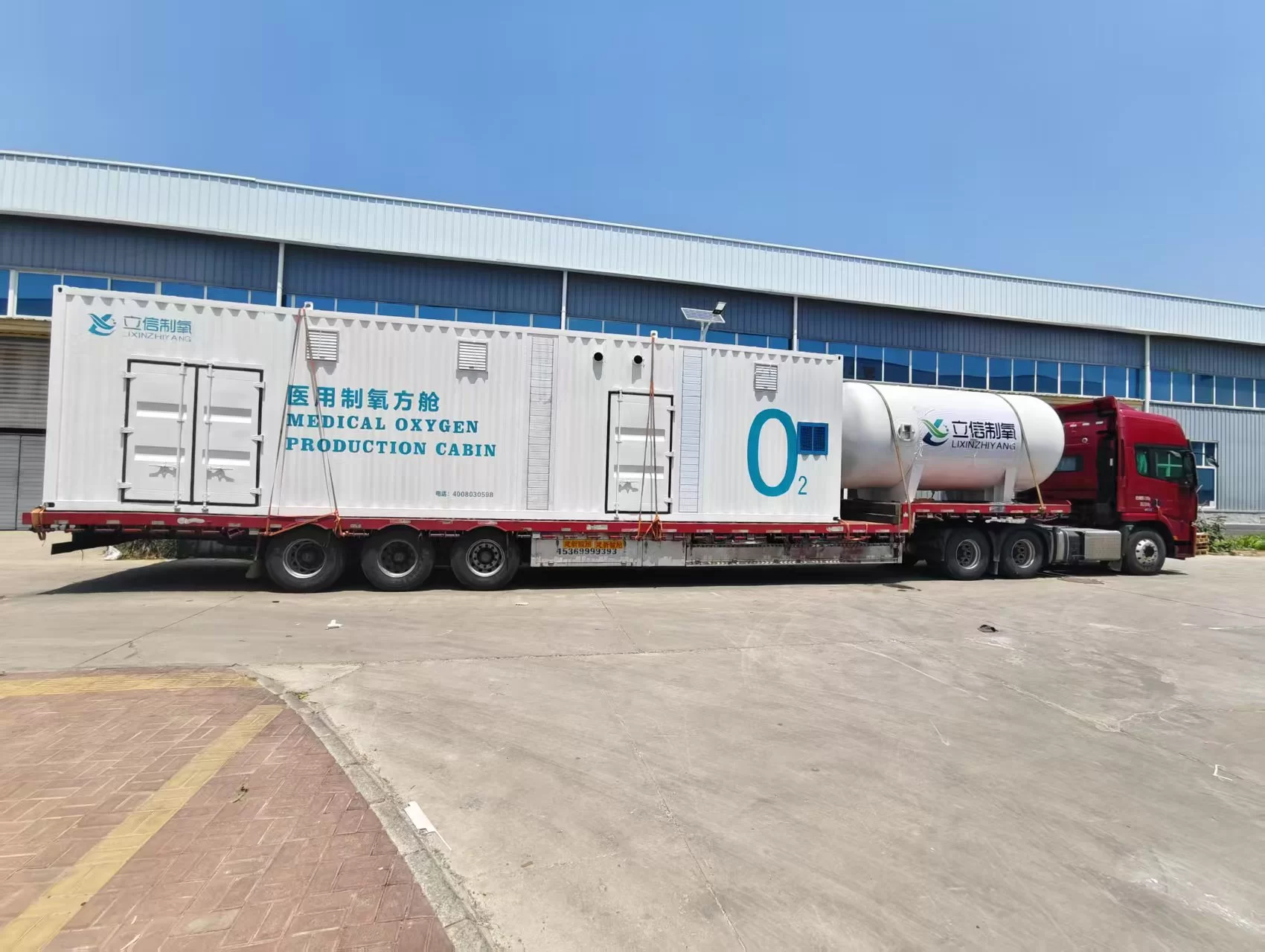
Automation is also refining safety and efficiency, while modular, transportable plant designs are opening up new avenues for emergency response and rural healthcare setup.
Of course, the screen isn’t all rosy. High initial capital costs, energy consumption, and the need for skilled operators can be barriers, especially in poorer regions.
However, solutions are emerging: financing options tailored for healthcare providers, energy hybridization to reduce running costs, and virtual training programs are helping to fill the skills gap.
Furthermore, standardization efforts under ISO and local regulations are smoothing installation and permitting processes worldwide, making deployment faster and more predictable.
When you step back, liquid oxygen production plants feel like quiet giants: they underpin vital industries and healthcare systems while pushing forward sustainability and innovation. Whether you’re a hospital administrator or a factory manager, investing time to understand these plants is investing in resilience and efficiency.
For anyone looking to explore how to implement or upgrade a system, visit our website: https://www.storeoxygen.com. You might just discover the solution that keeps your operation—and your community—breathing easy.