Hit enter to search or ESC to close
27 November 2025
Understanding oxygen gas plant cost might sound like a niche topic, but it’s surprisingly relevant across industries and even humanitarian efforts worldwide. From hospitals needing reliable oxygen supplies to industries depending on high-purity oxygen for manufacturing, the cost of setting up and running oxygen plants impacts business and lives alike. With global oxygen demand soaring — catalyzed especially by recent health crises — knowing what influences these costs can inform smart investments.
For some context, the World Bank and the UN report that medical oxygen demand increased by 300% in certain regions during the pandemic. Yet oxygen plants aren’t just vital in emergencies — they’re integral for steelmaking, wastewater treatment, glass manufacturing, and more. So, if you’re wondering why oxygen gas plant costs hold so much weight, that’s the big picture: supply security, affordability, and scalability to meet an expanding world need.
Mini takeaway: Oxygen plants are cornerstones of modern infrastructure — and their cost reflects complex factors affecting industries and communities globally.
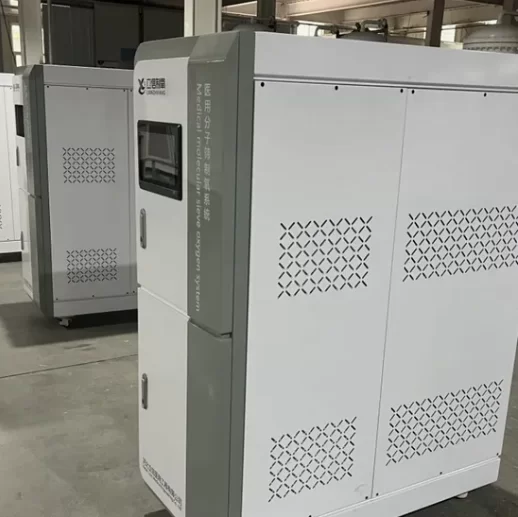
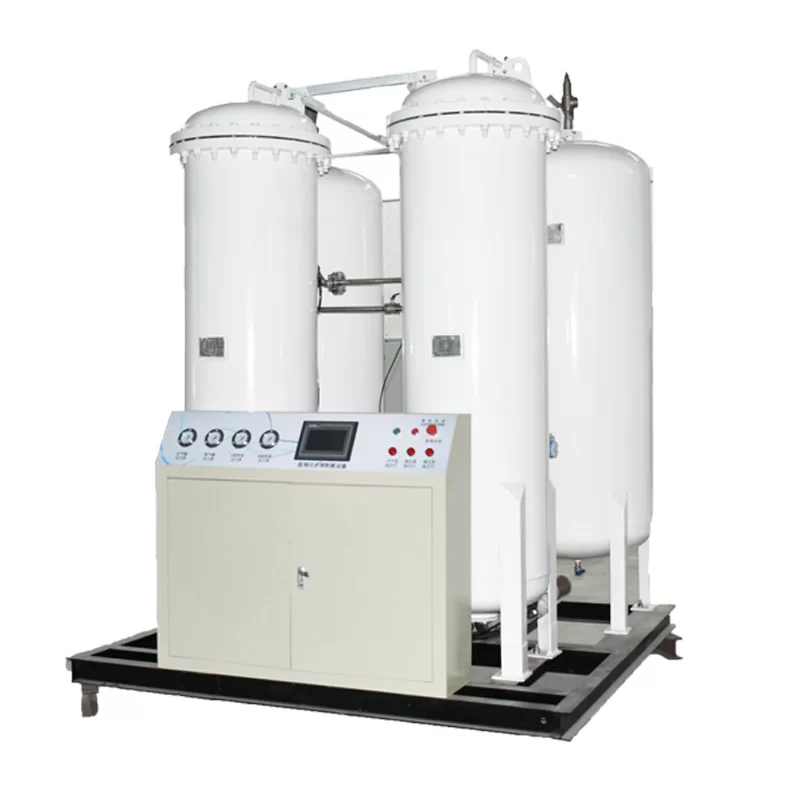
In simple terms, oxygen gas plant cost refers to the total expenditure to establish and operate a facility that generates oxygen gas, usually on-site, through processes like Pressure Swing Adsorption (PSA) or cryogenic distillation. This includes equipment procurement, installation, maintenance, energy consumption, and operational staff.
The cost doesn’t just affect capital outlays but influences ongoing operational budgets and accessibility of oxygen for users — from bustling industrial parks in China to remote medical clinics in Africa. So, it’s really a composite measure of investment, efficiency, and dependability.
This cost ties directly into humanitarian needs too: as oxygen is essential for respiratory therapy, plant affordability can literally mean life or death in developing regions.
Oxygen plants are sized to meet very different output needs — from small 5 Nm³/hr units suitable for clinics, to huge industrial plants producing thousands of Nm³/hr. Larger plants benefit from economies of scale but require more upfront investment. Many operators prefer scalable designs that can expand as demand grows.
Modern plants mainly use PSA for onsite production or cryogenic distillation for large-scale, high-purity oxygen. PSA plants have lower initial costs and quicker deployment but may have higher operating costs due to electricity use. Cryogenic setups are pricier but offer top purity and efficiency for industrial purposes.
Since oxygen generation is energy-intensive, plants that feature energy-saving designs or integrate renewable sources can reduce operating expenses dramatically over time. Energy prices vary regionally, so impact on lifetime cost can be significant, especially in energy-hungry industries.
Durability influences long-term cost. Well-built plants with corrosion-resistant materials last longer with less downtime and maintenance. Cheaper builds might save upfront but risk breakdowns and costly repairs.
Site accessibility, availability of utilities (electricity, water), and local labor costs also factor heavily. Remote plants often incur higher installation and maintenance expenses, even if equipment costs are comparable.
Meeting ISO standards or local health/safety regulations can raise costs but assures quality, safety, and insurability — vital for hospitals and sensitive uses where reliability is non-negotiable.
Mini takeaway: There’s no fixed price tag on oxygen gas plants; costs are a tug-of-war between capacity, technology, energy use, materials, and location variables.
Across continents, oxygen plants are lifelines for myriad users:
For example, a clinic in a rural part of India installing a PSA oxygen plant faced an initial cost challenge but gained independence from erratic cylinder deliveries, improving patient outcomes. In China’s manufacturing belts, large cryogenic oxygen plants ensure uninterrupted production lines, optimizing cost efficiency at scale.
On the plus side, investing thoughtfully in oxygen plants offers several lasting benefits:
Truthfully, the peace of mind from dependable oxygen can’t be overstated, especially in hospitals. It’s that quietly vital tech that often goes unnoticed until it matters.
Several exciting trends could reshape how oxygen plants are designed, priced, and operated:
Simply put, technology adoption continues to unlock better cost-performance ratios every year. It’s almost like oxygen plants are going through their own quiet revolution.
Challenges remain, but they’re far from insurmountable — with the right approach, cost concerns become opportunities for innovation.
| Feature | PSA Plant | Cryogenic Plant |
|---|---|---|
| Output Capacity | 5–1000 Nm³/hr | 500–10,000 Nm³/hr |
| Purity Level | 90–95% | 99.5–99.9% |
| Initial Cost | Low to Medium | High |
| Energy Consumption | Medium to High | Low |
| Typical Use | Hospitals, Small Industry | Large Scale Industry |
| Installation Time | Weeks to Months | Months to Year |
| Vendor | Price Range (USD) | Technology | Lead Time | After-Sales Support |
|---|---|---|---|---|
| OxyTech Solutions | $50,000-$500,000 | PSA, Modular | 4-6 Weeks | 24/7 Technical Support |
| Linde Gas Systems | $200,000-$2,000,000 | Cryogenic Distillation | 6-12 Months | Comprehensive Maintenance Contracts |
| PureOxy Industries | $80,000-$600,000 | PSA and Hybrid | 2-3 Months | Localized Service Centers |
So, what’s the bottom line on oxygen gas plant cost? If you’re in healthcare, manufacturing, or managing critical infrastructure, it’s not enough to glance at sticker prices. Understanding the mix of capacity, technology, energy, and lifecycle factors can guide smarter choices and long-term savings. There’s an often overlooked human factor, too — reliable oxygen means trust, safety, and dignity.
Want to dive deeper, compare costs, or explore flexible oxygen plant options? Visit our portal at storeoxygen.com to get the latest quotes, expert advice, and innovations tailored to your needs.
Mini takeaway: Oxygen plants may seem technical, but their cost considerations are fundamentally about building resilient, accessible, and affordable oxygen supplies for tomorrow.